Japan and US negotiate nuclear and copper projects
Japan and the United States are negotiating to include a nuclear power project and a copper refining facility in the second round of deals under Japan's $550 billion investment package. The nuclear project, expected to involve Westinghouse, aims to enhance energy supply chains amid rising security concerns due to conflicts in the Middle East. These developments may be announced during Japanese Prime Minister Sanae Takaichi's meeting with U.S. President Donald Trump on March 19.
China sets 2026 GDP growth target at 4.5%-5%
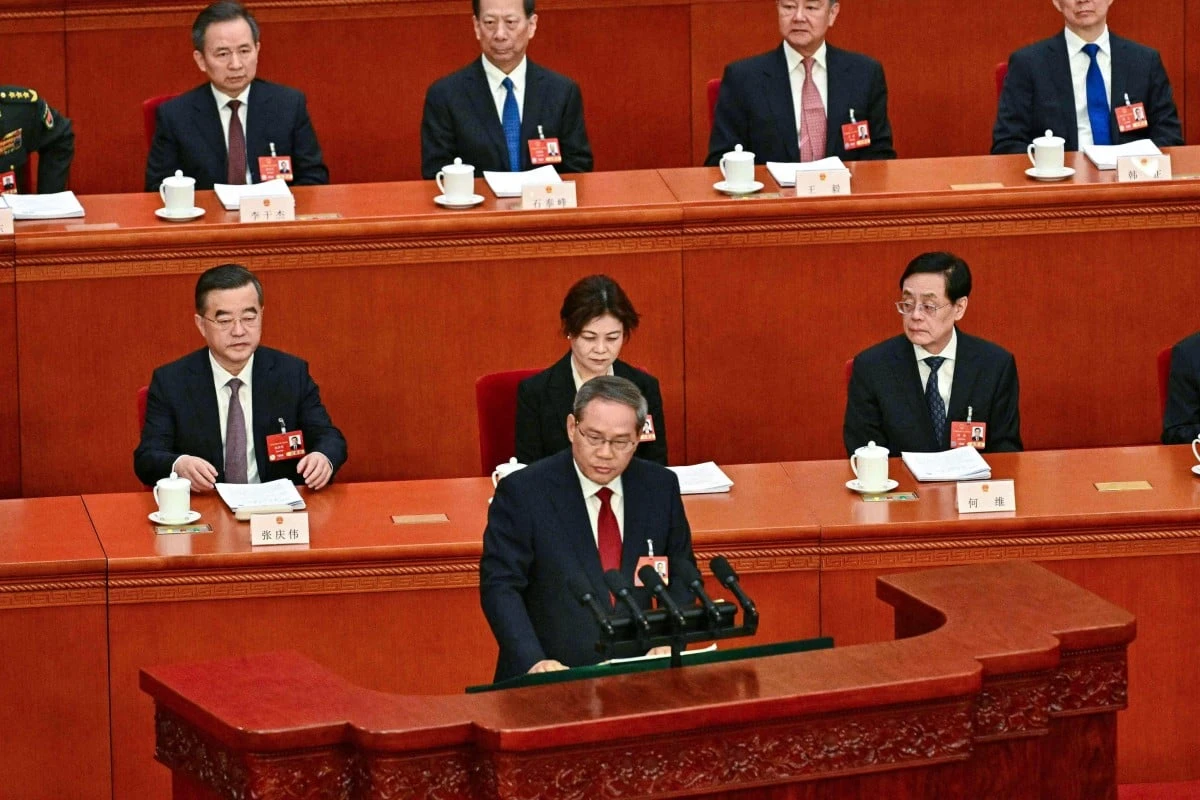
China has set its 2026 GDP growth target at 4.5%-5%, the lowest in decades, as Premier Li Qiang prepares to announce economic goals during the annual National People's Congress. This target reflects adjustments made by local governments amid weak domestic demand and aligns with analysts' expectations for a more flexible approach to structural reforms. The budget deficit is projected at 4%, the highest since 2010, as the government seeks to stimulate the economy.
SpaceX Plans Historic IPO Valued at $1.5 Trillion
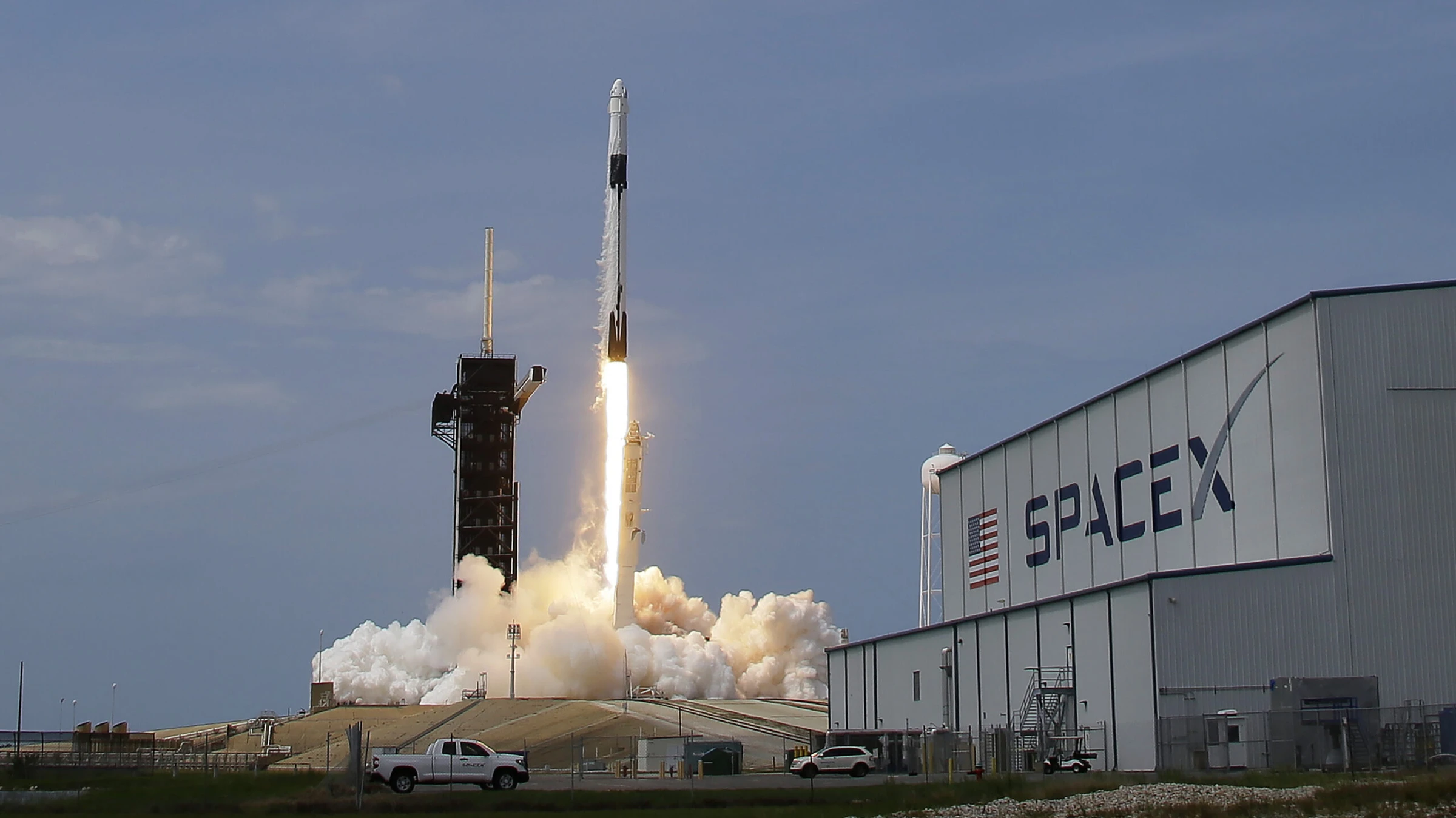
SpaceX is preparing for an initial public offering (IPO) targeting a valuation of approximately $1.5 trillion, with plans to float only 3.3% of its equity to raise around $50 billion. This IPO, expected in mid-June 2026, would be the largest in history, surpassing Saudi Aramco's previous record of $25.6 billion. The limited float raises concerns for index providers, as major indices typically require a minimum float of 10% for inclusion, potentially complicating market dynamics.
Bitcoin Surges Past $73,000 Amid ETF Inflows
Bitcoin's price surged past $73,000, driven by a significant influx of $458 million into spot Bitcoin ETFs, despite ongoing unrest in the Middle East. This price movement reflects a notable shift in investor sentiment, as institutional players capitalized on the geopolitical dip, contrasting with traditional safe havens like gold, which saw a decline.
Nvidia Shifts Production Focus Amid U.S. Export Controls
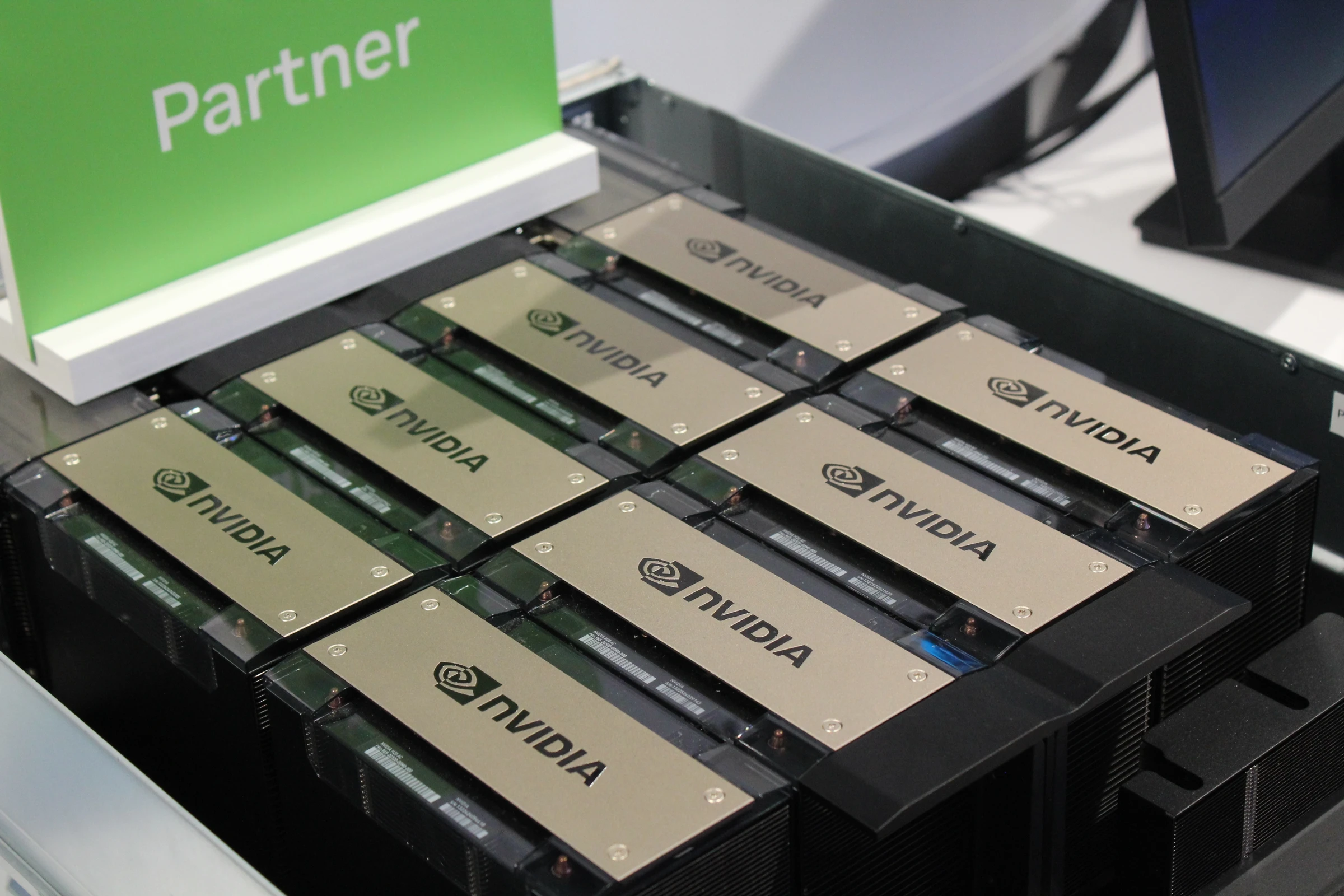
Nvidia Corp. is reallocating its TSMC production capacity away from H200 chips intended for the Chinese market due to impending U.S. export controls, focusing instead on its latest Vera Rubin products. U.S. officials are considering caps on the number of AI accelerators Nvidia can export to individual Chinese companies, potentially limiting sales to 75,000 units per firm, which is less than half of what major Chinese tech companies like Alibaba and ByteDance have expressed interest in purchasing. This shift comes as Nvidia reports no current data center revenue from China and uncertainty remains regarding Beijing's approval for imports.