Trump Delays AI Executive Order Over Competitiveness Concerns
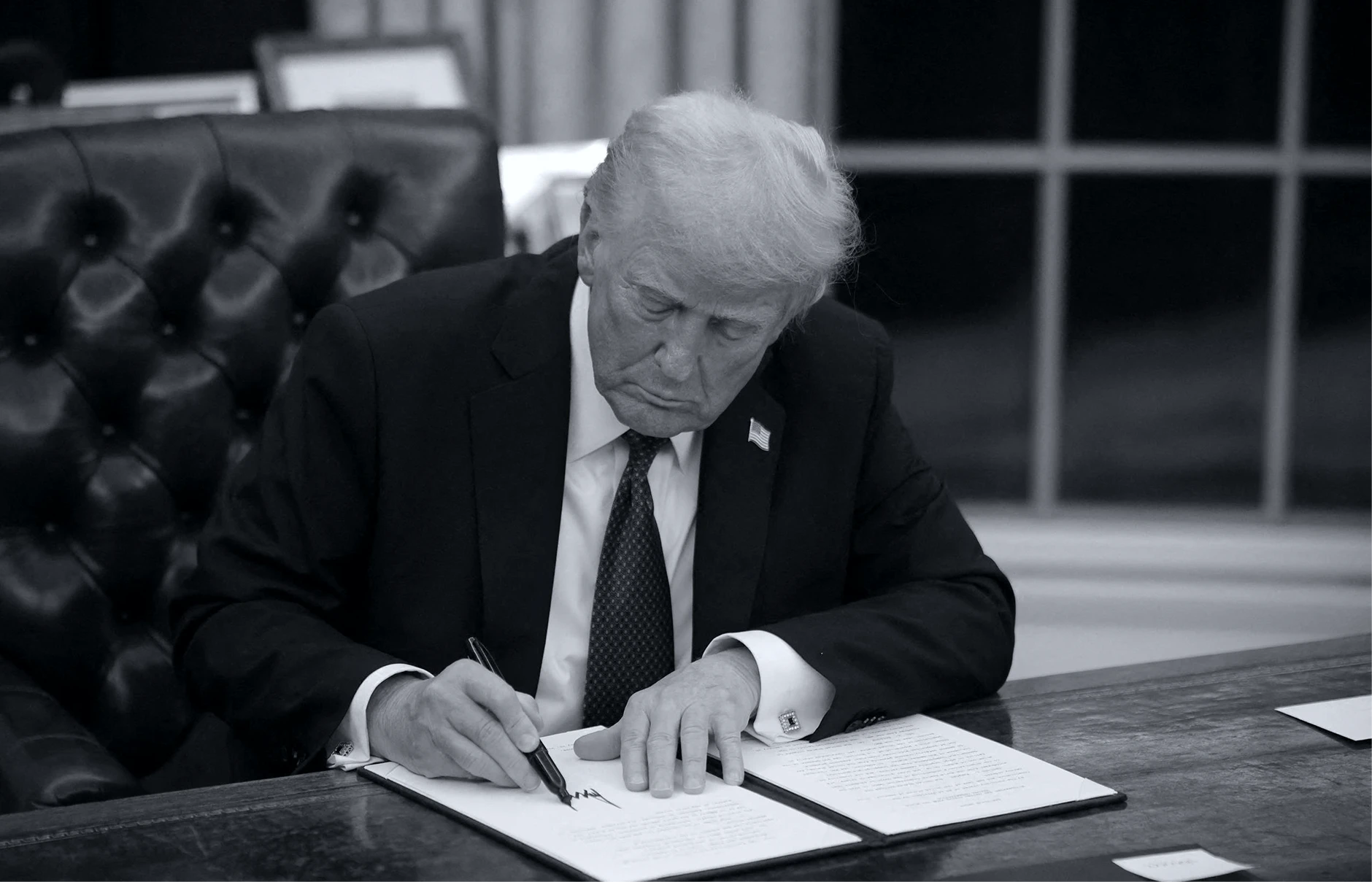
President Donald Trump postponed the signing of a planned executive order on artificial intelligence, citing concerns that it could hinder U.S. competitiveness against China. The decision, made just hours before a scheduled ceremony, followed intervention from his former AI advisor, David Sacks, and industry complaints regarding potential overregulation. The draft order aimed to establish a voluntary review process for AI models prior to public release, but Trump expressed apprehension that even a voluntary framework might impede innovation.
US invests $2 billion in quantum computing firms
The U.S. government announced a $2 billion investment in quantum computing firms, with IBM set to receive $1 billion to establish Anderon, America's first pure-play quantum chip foundry. This initiative, supported by the Department of Commerce, aims to enhance U.S. leadership in quantum technology and is expected to generate significant economic value while bolstering national security. The investment includes both grants and equity stakes in recipient companies, reflecting a strategic push to secure domestic quantum capabilities.
20% of Bitcoin Supply at Risk from Quantum Computing
Industry figures have warned that approximately 20% of Bitcoin's total supply, equating to 4.12 million BTC, is vulnerable to potential quantum computing attacks due to poor user practices rather than flaws in the protocol itself. This operational risk is significantly larger than the 1.92 million BTC exposed due to legacy transaction scripts. Meanwhile, the U.S. Commerce Department is investing over $2 billion in quantum computing initiatives, including $1 billion to IBM for a new quantum wafer foundry in New York, aimed at enhancing the country's quantum capabilities.
NYC Comptroller Calls for Increased Revenue Fund Amid AI Risks
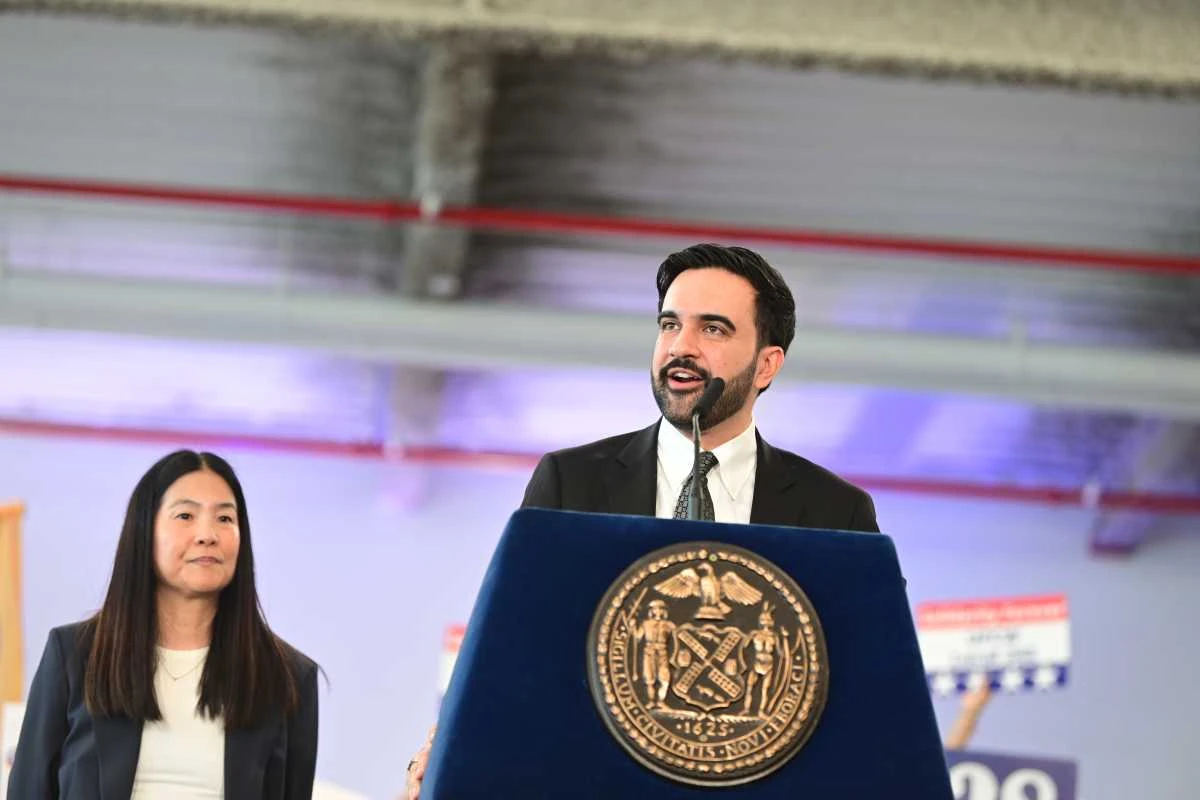
New York City Comptroller Mark Levine released a report today assessing the potential impacts of artificial intelligence (AI) on the city's economy, highlighting the need to increase the Revenue Stabilization Fund to 16% of tax revenues from its current 8.5% to prepare for possible job market disruptions and revenue losses. The report outlines various scenarios for AI's economic impact, including a 35% probability of productivity gains with limited disruption and a 20% chance of significant job displacement. Levine emphasized the importance of proactive measures to mitigate the uncertainties posed by AI.
Waymo Halts Robotaxi Services in Four Cities
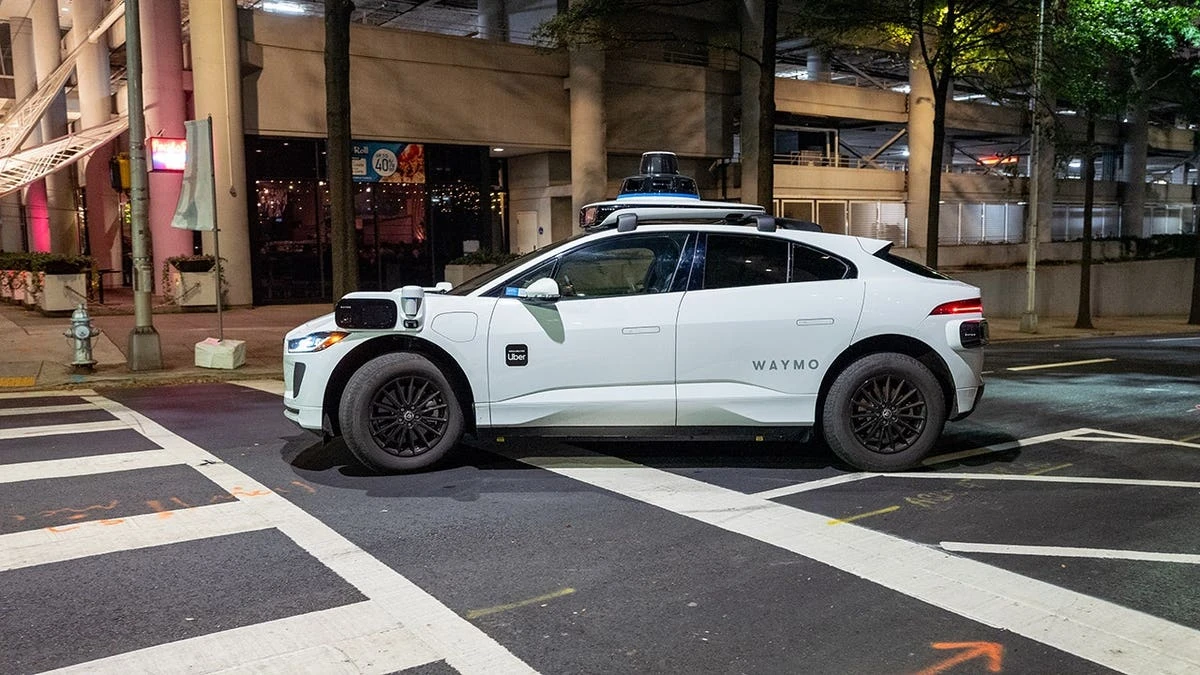
Waymo has suspended its robotaxi services in Atlanta, Dallas, Houston, and San Antonio due to safety concerns related to flooded roadways, following incidents where its vehicles encountered severe weather conditions. In Atlanta, an unoccupied robotaxi got stuck in a flooded street, prompting the company to halt operations while it develops software updates to better handle such situations. The National Highway Traffic Safety Administration is currently investigating Waymo for multiple incidents, including a previous recall of 3,791 vehicles due to software issues that could lead to unsafe driving behavior in adverse weather.