Eurozone inflation rises to 2.5% amid energy surge
Eurozone inflation rose to 2.5% in March 2026, up from 1.9% in February, driven by a 4.9% increase in energy costs amid the ongoing Middle East conflict. This marks the highest inflation rate since January 2025, surpassing the European Central Bank's 2% target. While inflation in other sectors showed signs of easing, with services inflation at 3.2% and food inflation dipping to 2.4%, the surge in energy prices has raised concerns about future price stability.
Unilever and McCormick complete $45 billion merger
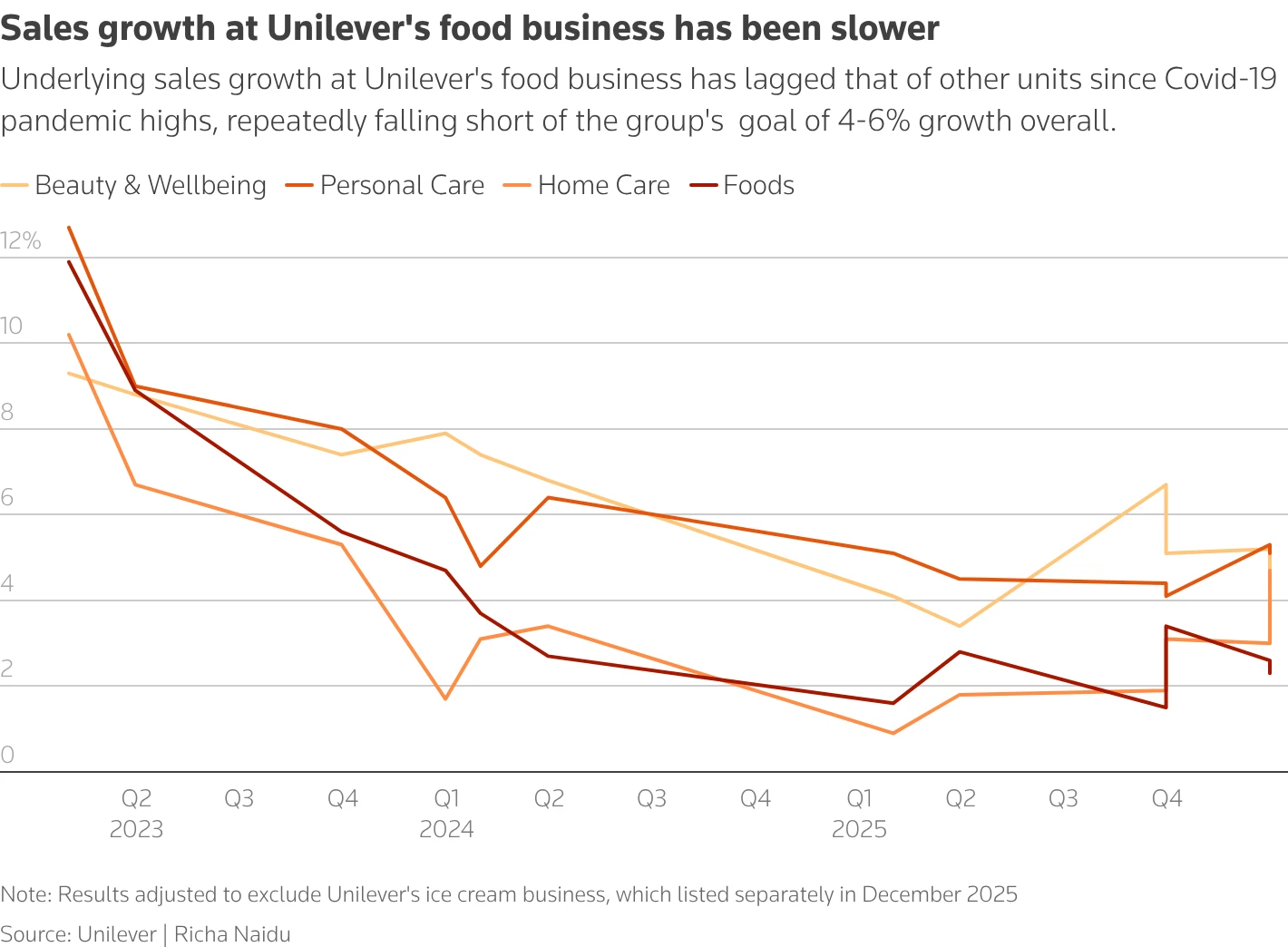
Unilever PLC has completed a $45 billion merger with McCormick & Company, creating a global food entity with approximately $20 billion in combined revenue for fiscal year 2025. Under the agreement, Unilever will hold a 65% stake in the new company, valued at $29.1 billion, and will receive $15.7 billion in cash. This merger combines their food brands, positioning the new entity as a significant player in the global food market.
NTSB Critiques Ford's BlueCruise After Fatal Crashes
The National Transportation Safety Board (NTSB) criticized Ford's BlueCruise hands-free driving technology, linking it to two fatal crashes in 2024 that resulted in three deaths. The NTSB's investigation revealed that drivers' overreliance on the system contributed to the incidents, where no braking or steering was recorded before impact. In response, the NTSB called for standardized performance requirements and greater oversight of automated vehicle technology to enhance safety.
FTSE 100 Rises Nearly 1% Amid Middle East Optimism
The FTSE 100 index rose nearly 1% to 10,220.68 points on March 31, 2026, as optimism over potential de-escalation in Middle East tensions boosted investor sentiment, particularly in mining and consumer stocks. Despite this gain, the index has experienced a decline of approximately 6.5% in March, marking its worst month since the COVID-19 pandemic, driven by ongoing conflict in the region and rising oil prices.
Electronics Supply Chain Faces Rising Costs and Disruptions
Costs in the electronics supply chain are rising sharply due to the ongoing Iran war, increased demand for artificial intelligence, and capacity constraints, affecting prices for components such as printed circuit boards and lasers. The conflict has also led to significant disruptions in global shipping and energy supplies, with air freight costs for time-sensitive goods reportedly spiking by as much as 400% in some corridors.