Investment Firms Shift Portfolios Toward Treasuries and AI
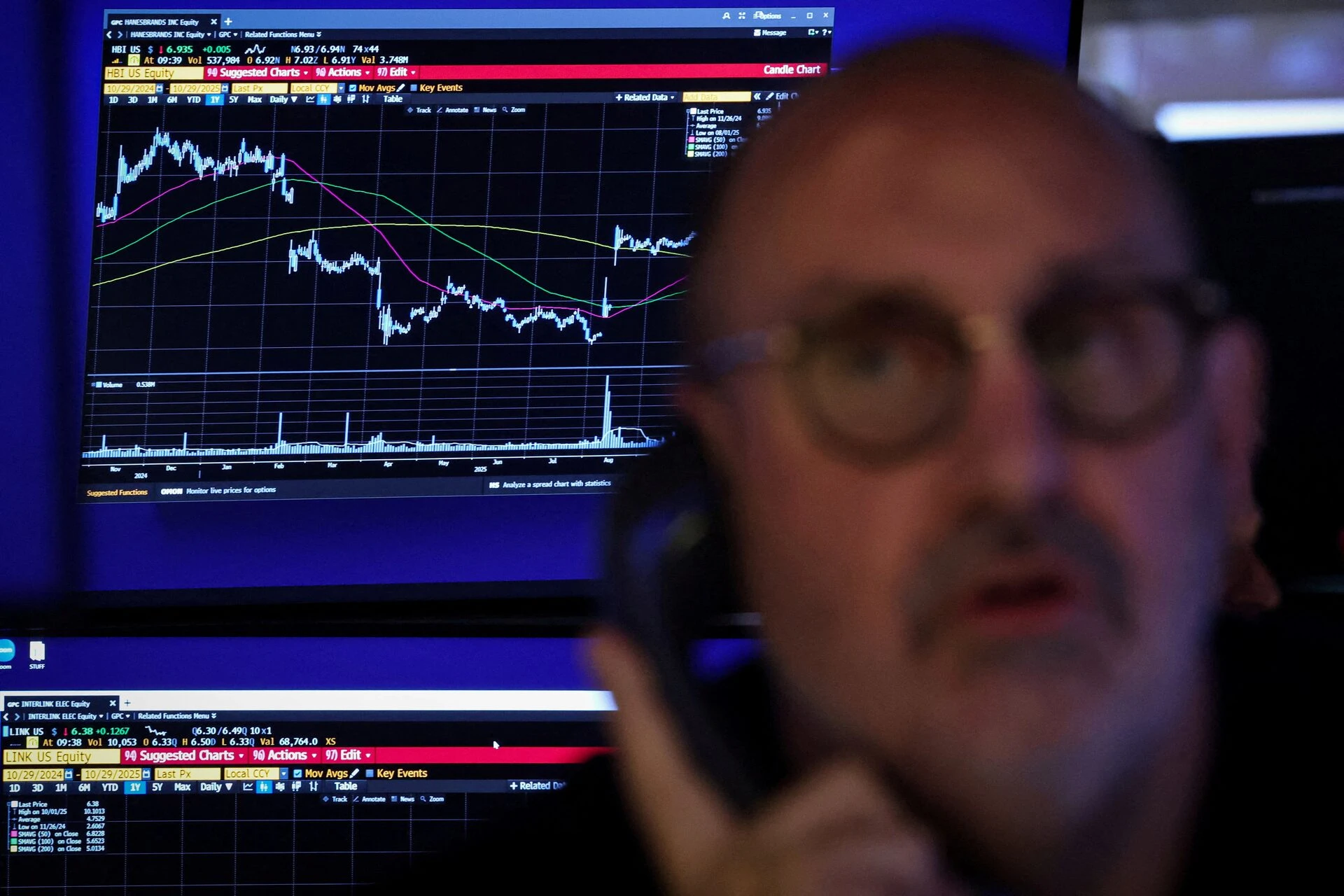
Major investment firms are reallocating their portfolios by increasing purchases of U.S. Treasuries and artificial intelligence stocks while divesting from the dollar, suggesting a belief that the global market downturn may be stabilizing. This shift includes notable interest in AI companies, with Seagate Technology Holdings and Micron Technology among the top performers, reflecting substantial gains over the past year.
California's Economy Struggles Amid Iran War Disruptions
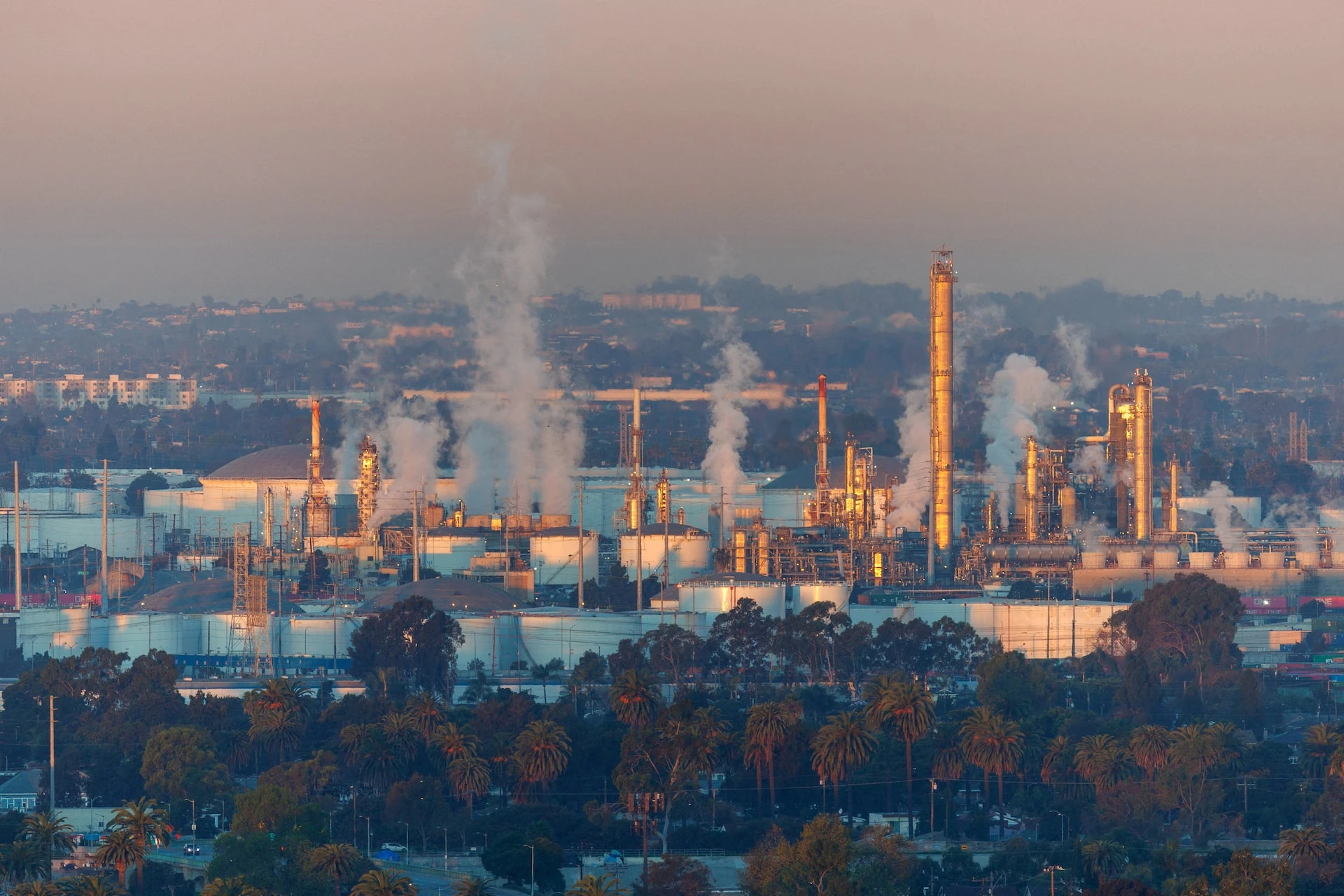
California is facing significant economic challenges due to the ongoing Iran War, which has disrupted crude oil imports, with nearly one-third sourced from the Middle East. The recent two-week ceasefire between the U.S. and Iran has not yet restored oil tanker traffic through the vital Strait of Hormuz, leading to a sharp decline in oil prices, with U.S. West Texas Intermediate futures dropping over 16% to $94.41 per barrel. This situation underscores California's vulnerability as it grapples with the implications of the conflict on its energy supply.
Samsung Group member sells $2.1 billion in shares
A member of the Samsung Group has sold approximately 3.1 trillion won ($2.1 billion) in shares of Samsung Electronics Co., marking one of the largest share offerings in South Korea. Hong Ra-hee, the widow of the late chairman Lee Kun-hee, sold 15 million shares at a price of 205,237 won each, representing a 2.5% discount to the previous closing price. The sale, facilitated by Shinhan Bank and other financial institutions, is part of a strategy to manage inheritance taxes.
Asian PVC Market Disrupted by Middle East Conflict
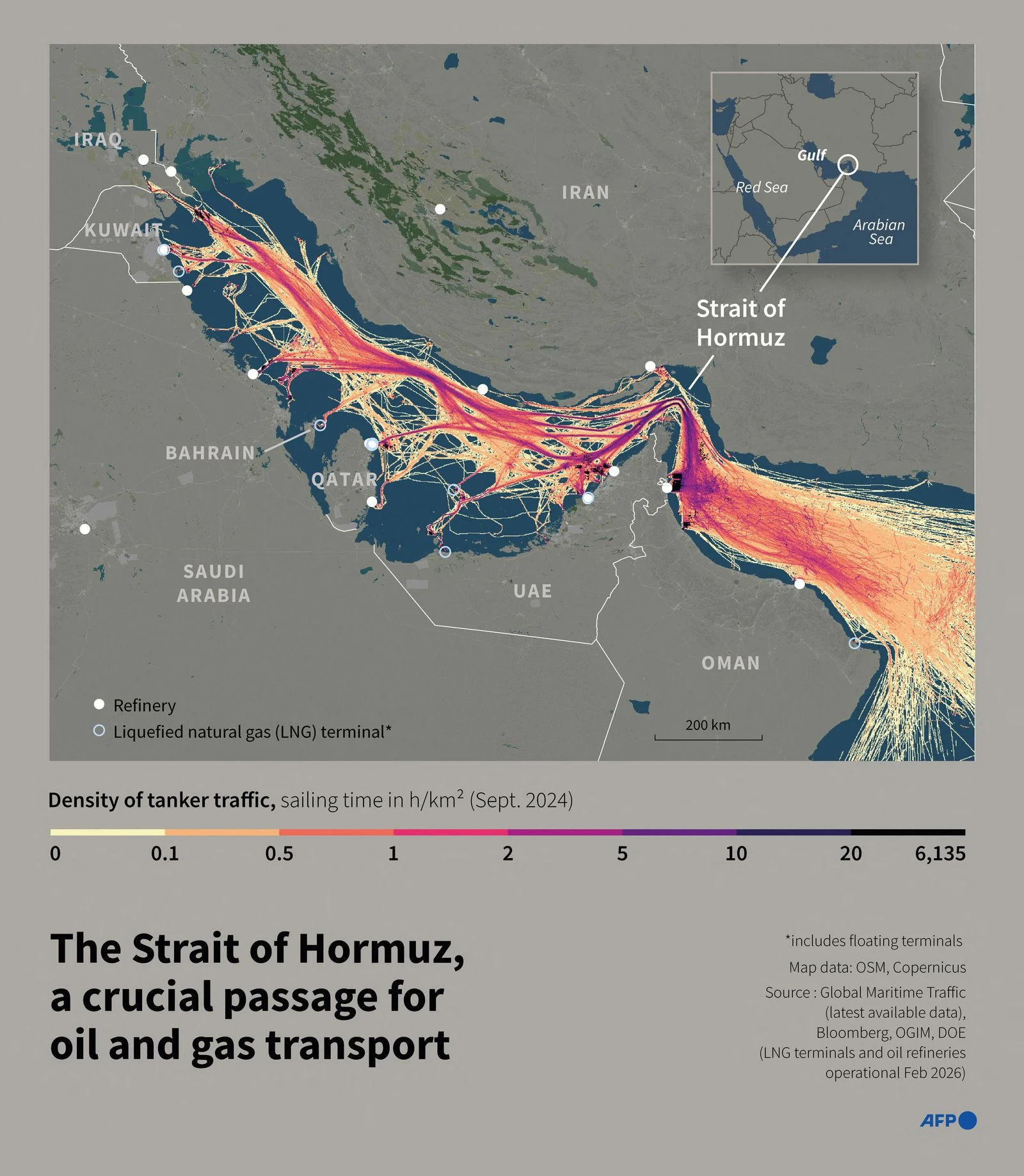
The Asian market for polyvinyl chloride (PVC) is facing significant disruption due to the ongoing conflict in the Middle East, particularly following the de facto closure of the Strait of Hormuz, which has affected operations at a major Taiwanese supplier. Since February 28, 2026, the strait has been largely blocked, with only 15-20 ships permitted daily, representing about 11-14% of normal transit levels, leading to a production cut by numerous companies reliant on PVC for manufacturing water pipes and other products.