SK Hynix posts record profit amid AI chip demand
SK Hynix reported a record net profit of 40.3 trillion won ($27.2 billion) for the first quarter of 2026, a nearly 400% increase year-over-year, driven by surging demand for AI memory chips. Revenue exceeded 50 trillion won for the first time, although it fell short of analyst forecasts at 52.58 trillion won. The company plans to significantly increase capital expenditures this year to capitalize on the ongoing AI boom, despite concerns over potential impacts from the Middle East energy crisis.
Microsoft to invest A$25 billion in Australia by 2029
Microsoft announced a commitment to invest A$25 billion ($18 billion) in Australia by the end of 2029, marking its largest investment in the country to date. The announcement was made by Chief Executive Satya Nadella alongside Prime Minister Anthony Albanese, and aims to enhance Australia's artificial intelligence and cloud infrastructure, expand cybersecurity partnerships, and train three million Australians in AI skills by 2028. This investment builds on a previous A$5 billion commitment made in 2023.
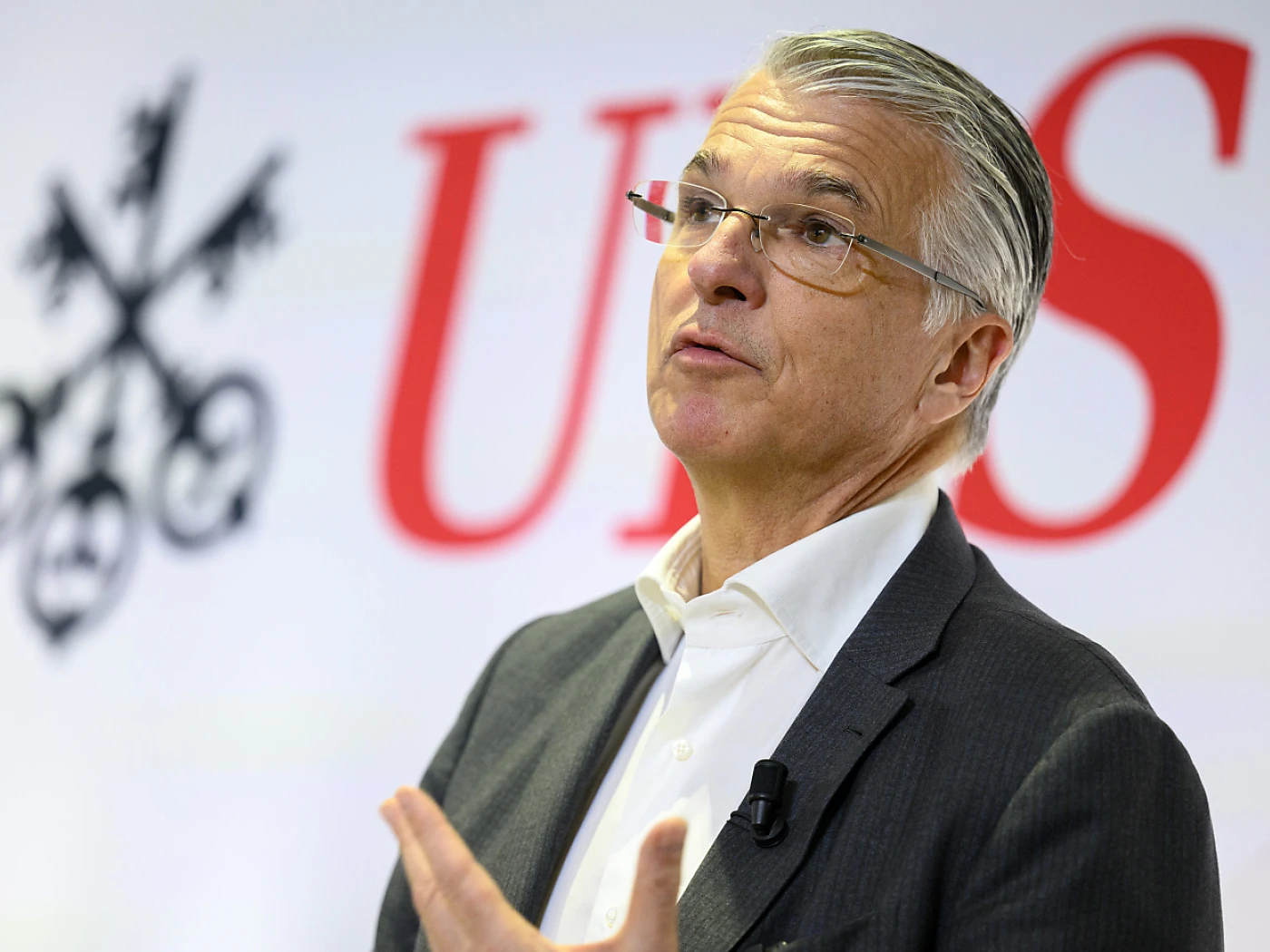
Switzerland proposes $20 billion capital increase for UBS
Switzerland's Federal Council proposed a $20 billion capital increase for UBS Group AG as part of a banking reform plan aimed at enhancing stability following the collapse of Credit Suisse. Finance Minister Karin Keller-Sutter emphasized the necessity of these reforms, which would require UBS to fully back its foreign units with capital from the parent company. UBS has opposed the measures, arguing they are extreme and misaligned with international standards, and warned of potential negative impacts on the Swiss economy.
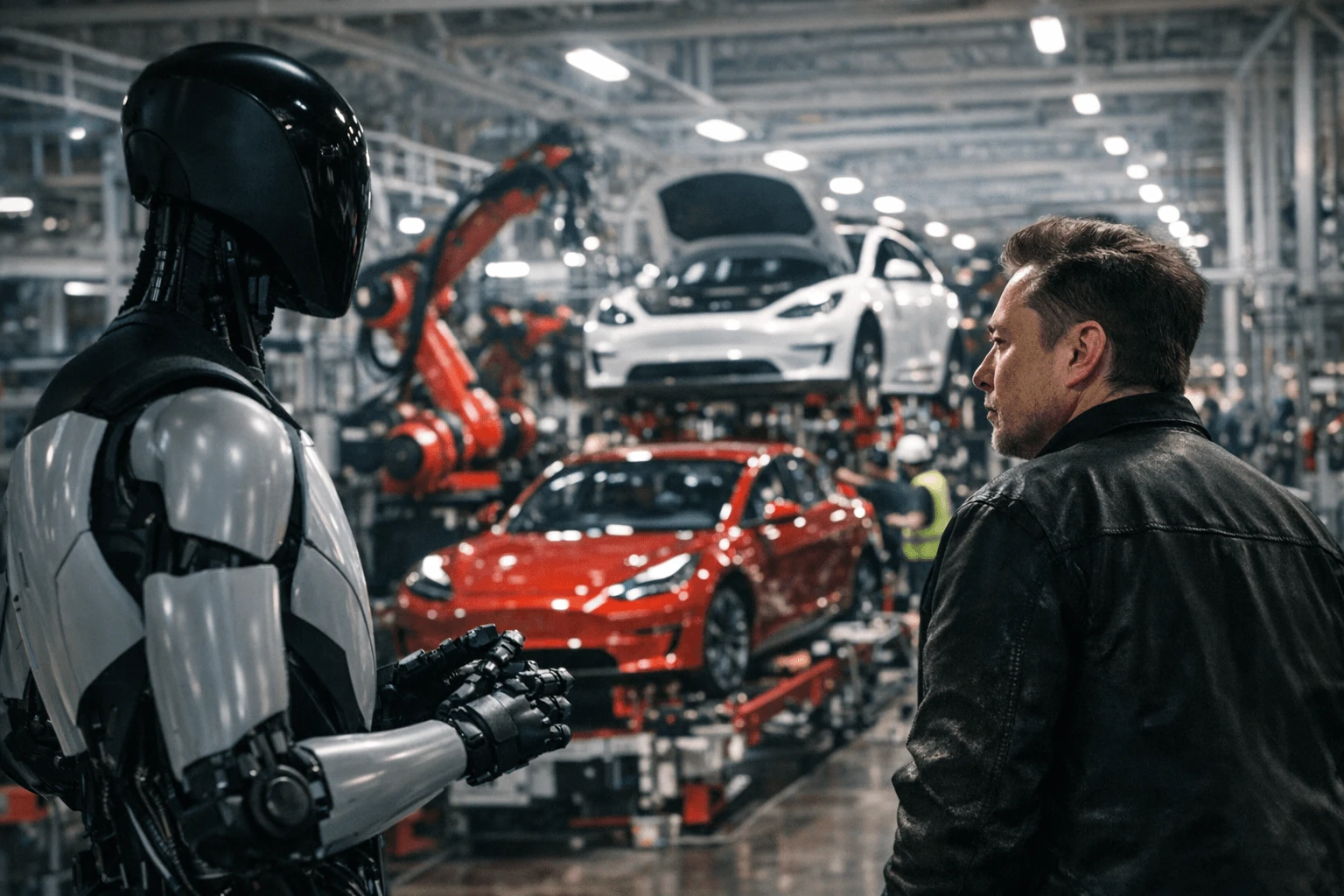
Tesla raises 2026 capital expenditures to $25 billion
Tesla CEO Elon Musk announced a 25% increase in the company's capital expenditures for 2026, raising the total to $25 billion as it pivots towards artificial intelligence and robotics. This figure is three times higher than the $8.5 billion spent in 2025 and reflects investments in factory expansions, including the production of the Optimus humanoid robot and AI initiatives. Despite reporting adjusted earnings of 41 cents per share, which exceeded analyst expectations, Tesla's shares fell 0.3% in after-hours trading following the announcement.
Trump Administration Negotiates $500 Million Deal for Spirit Airlines
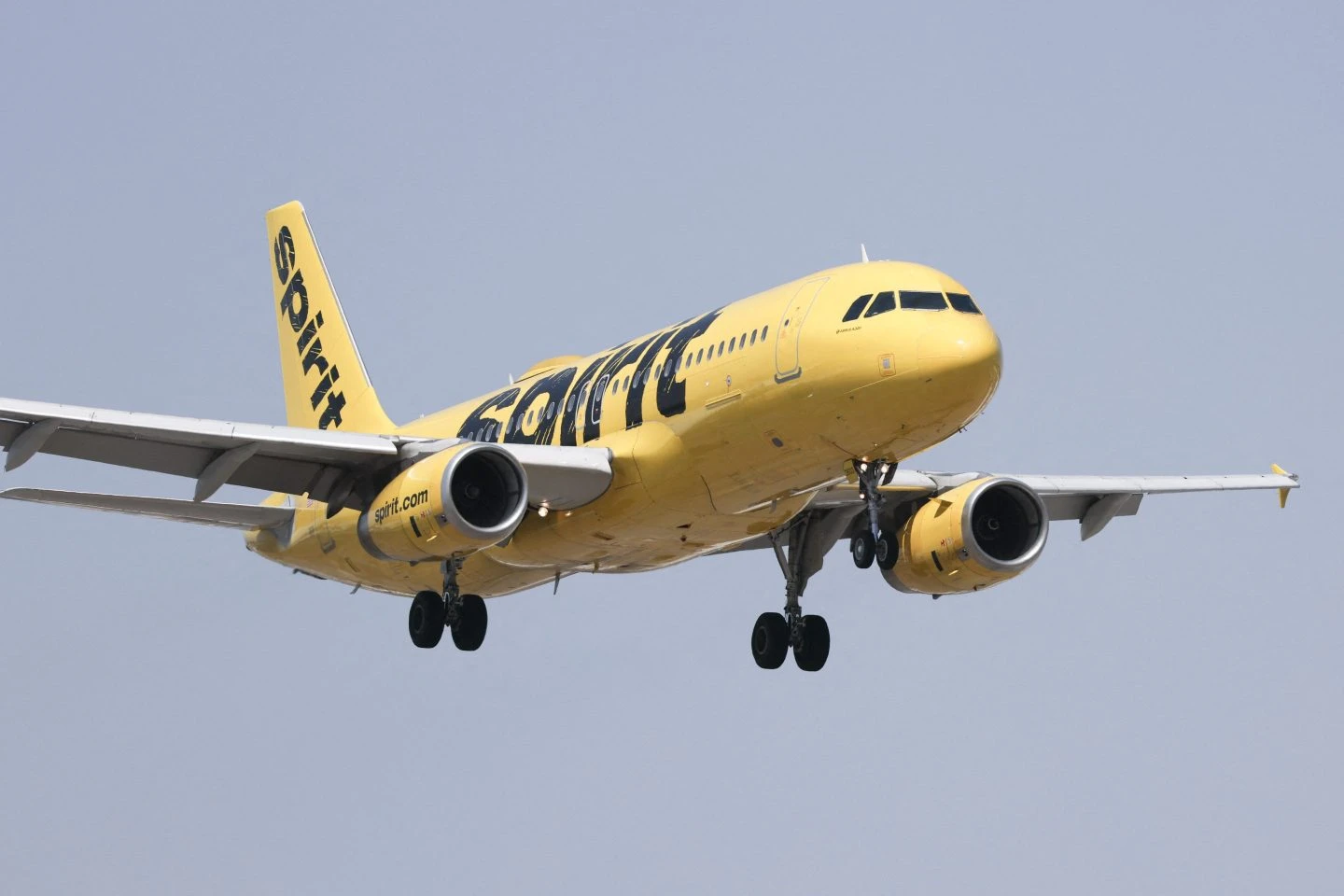
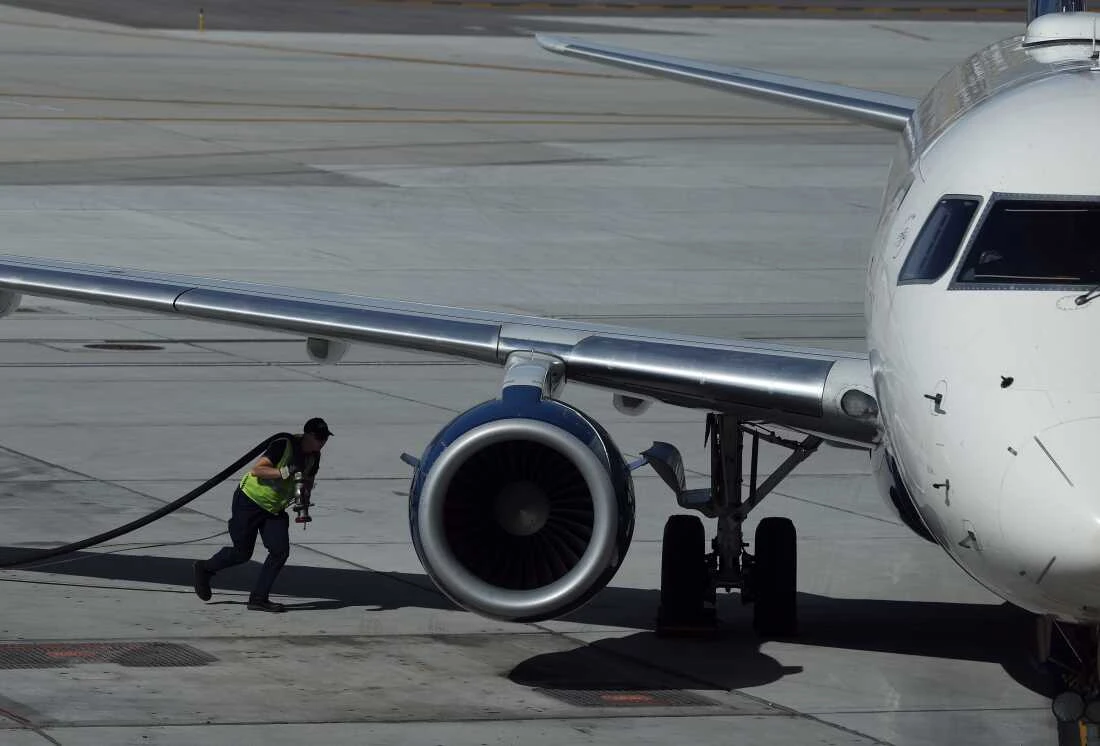
The Trump administration is nearing a $500 million rescue deal for Spirit Airlines, which is facing potential liquidation amid rising fuel costs linked to the ongoing conflict in Iran. Transportation Secretary Sean Duffy and Commerce Secretary Howard Lutnick are involved in discussions about the financing package, which could provide the government with an equity stake in the airline as it seeks to emerge from its second Chapter 11 bankruptcy in less than a year. The final terms of the deal are still being negotiated.
Core Scientific raises $3.3 billion for AI infrastructure
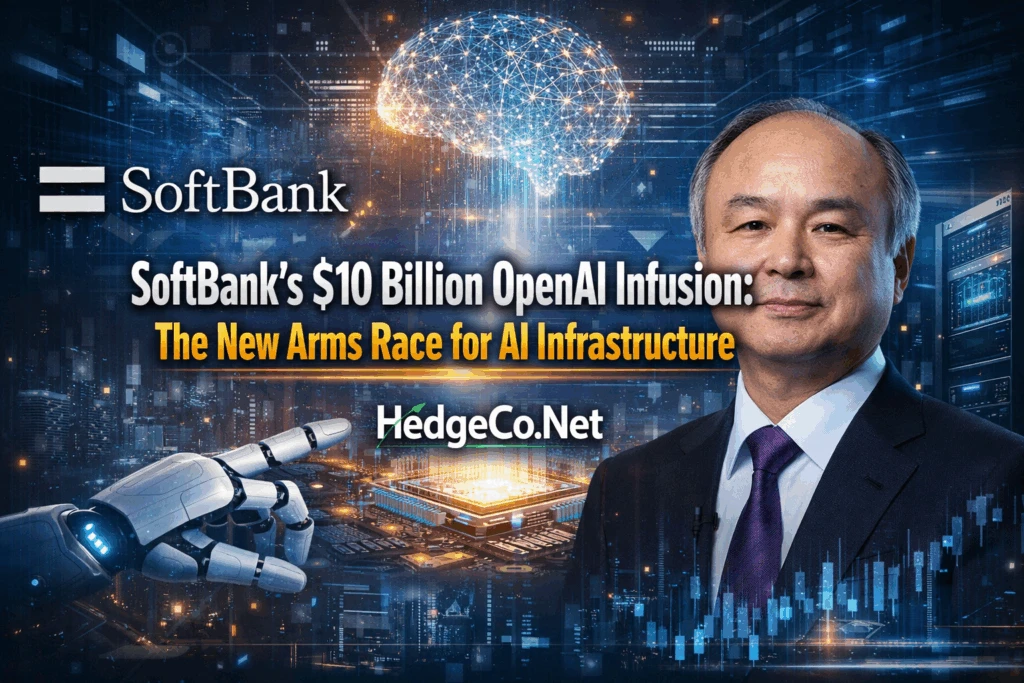
Core Scientific Inc. raised $3.3 billion through a high-yield note sale to finance its AI infrastructure construction. Meanwhile, SoftBank Group Corp. is seeking a $10 billion margin loan backed by its shares in OpenAI as part of its strategy to expand in the AI sector.
Investment Banks Earn Over $100 Million in M&A Fees
Investment banks are generating substantial fees exceeding $100 million as they advise major companies on mergers and acquisitions, reflecting a significant uptick in M&A activity this year. Notable transactions include the Kentucky Public Service Commission's approval of the merger between American Water Works Company and Essential Utilities, as well as SunOpta's acquisition by Refresco for US$6.50 per share.
Trump's Memecoin Faces $4.3 Billion Loss Amid Lawsuit
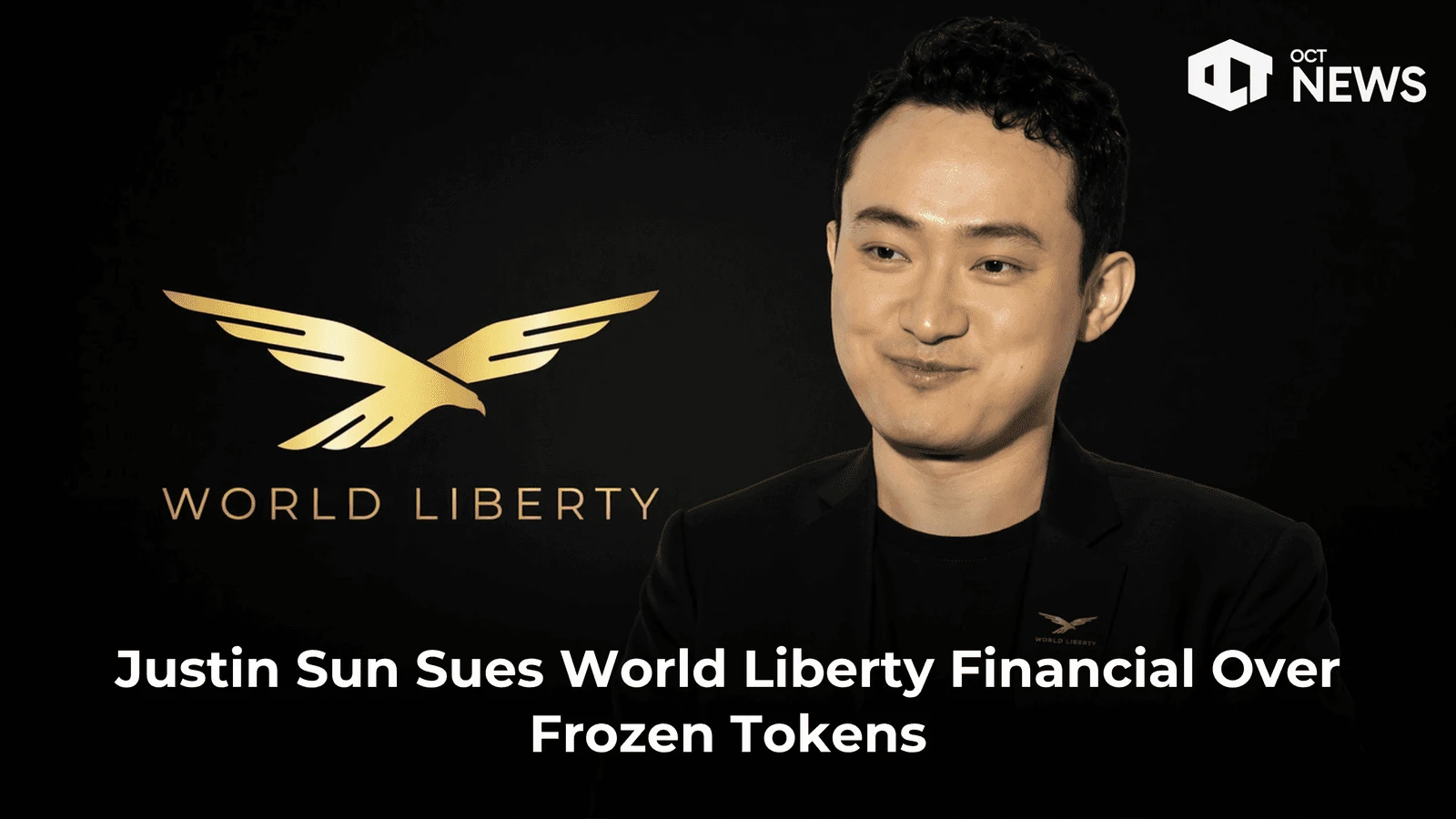
Donald Trump, through his family-controlled World Liberty Financial, has faced scrutiny as investors lost over $4.3 billion on his memecoin, which has plummeted 93% from its initial price of $28.73. While Trump's family reportedly profited more than $280 million from the token, a lawsuit filed by crypto entrepreneur Justin Sun alleges that World Liberty illegally froze his $320 million holdings of WLFI tokens, claiming the company installed tools to prevent their sale. As Democrats consider legislation to ban the president and his family from profiting from such ventures, the financial practices surrounding Trump's cryptocurrency continue to draw attention.
TSMC Delays ASML's High-NA EUV Machines Until 2029
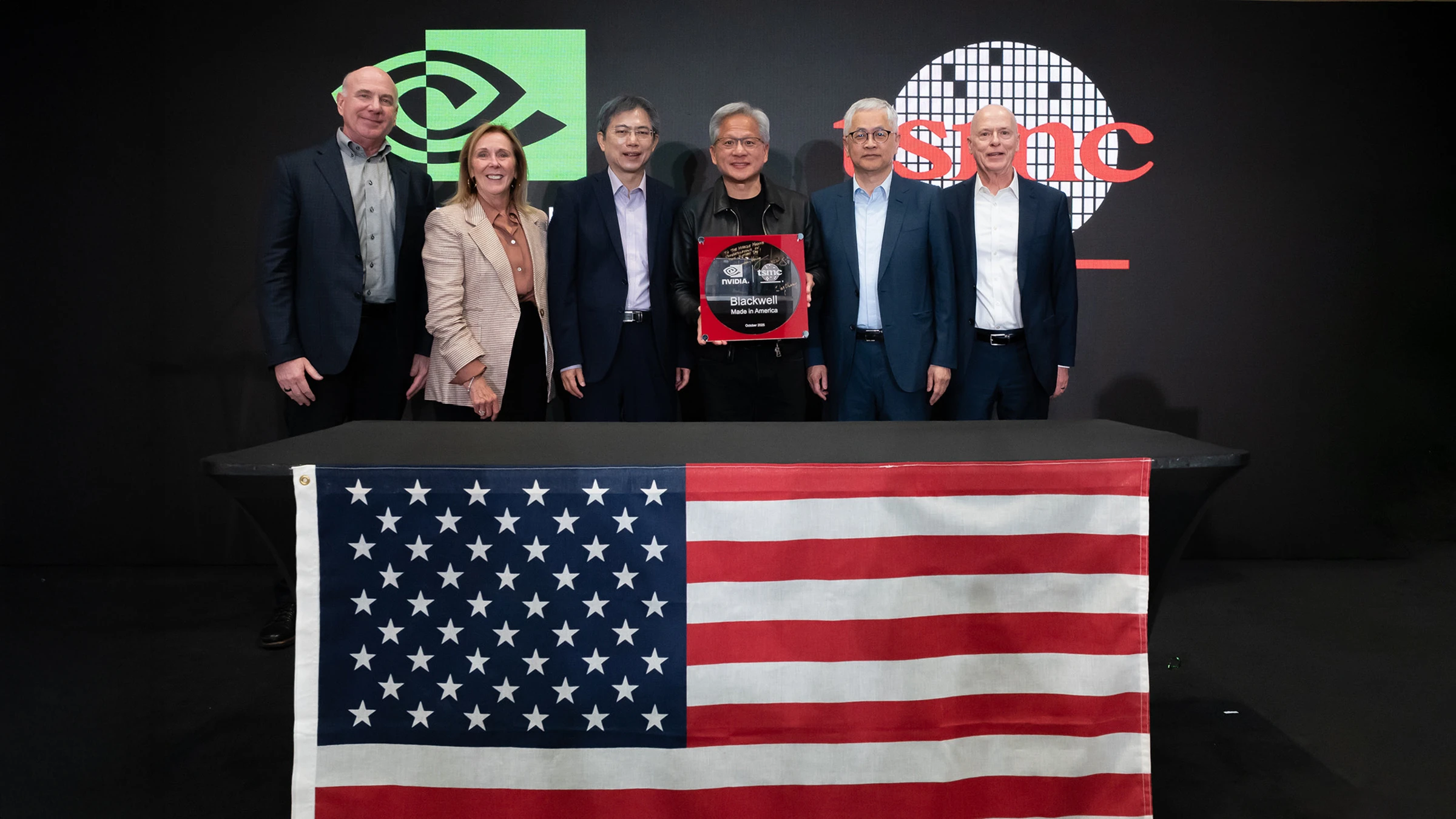
Taiwan Semiconductor Manufacturing Co. (TSMC) announced it will delay the deployment of ASML's latest high-NA EUV lithography machines for chip production until 2029, citing the high costs of approximately $410 million per unit. TSMC's co-COO Kevin Zhang emphasized the company's commitment to its existing EUV infrastructure while introducing its A13 chip technology, which aims for production in 2029 without upgrading to ASML's new equipment.
Southwest Airlines warns of financial risks from fuel costs
Southwest Airlines has warned that its full-year financial guidance is at risk due to surging fuel costs, which have nearly doubled amid ongoing geopolitical tensions in the Middle East, particularly the conflict in Iran. The airline's forecast for second-quarter profits is also below estimates, reflecting broader pressures on the aviation industry as jet fuel prices rise significantly. Airlines UK has called for an emergency jet fuel plan to mitigate the impact of these rising costs, which account for about one-third of airline expenses.
Boeing narrows first-quarter loss as deliveries rise
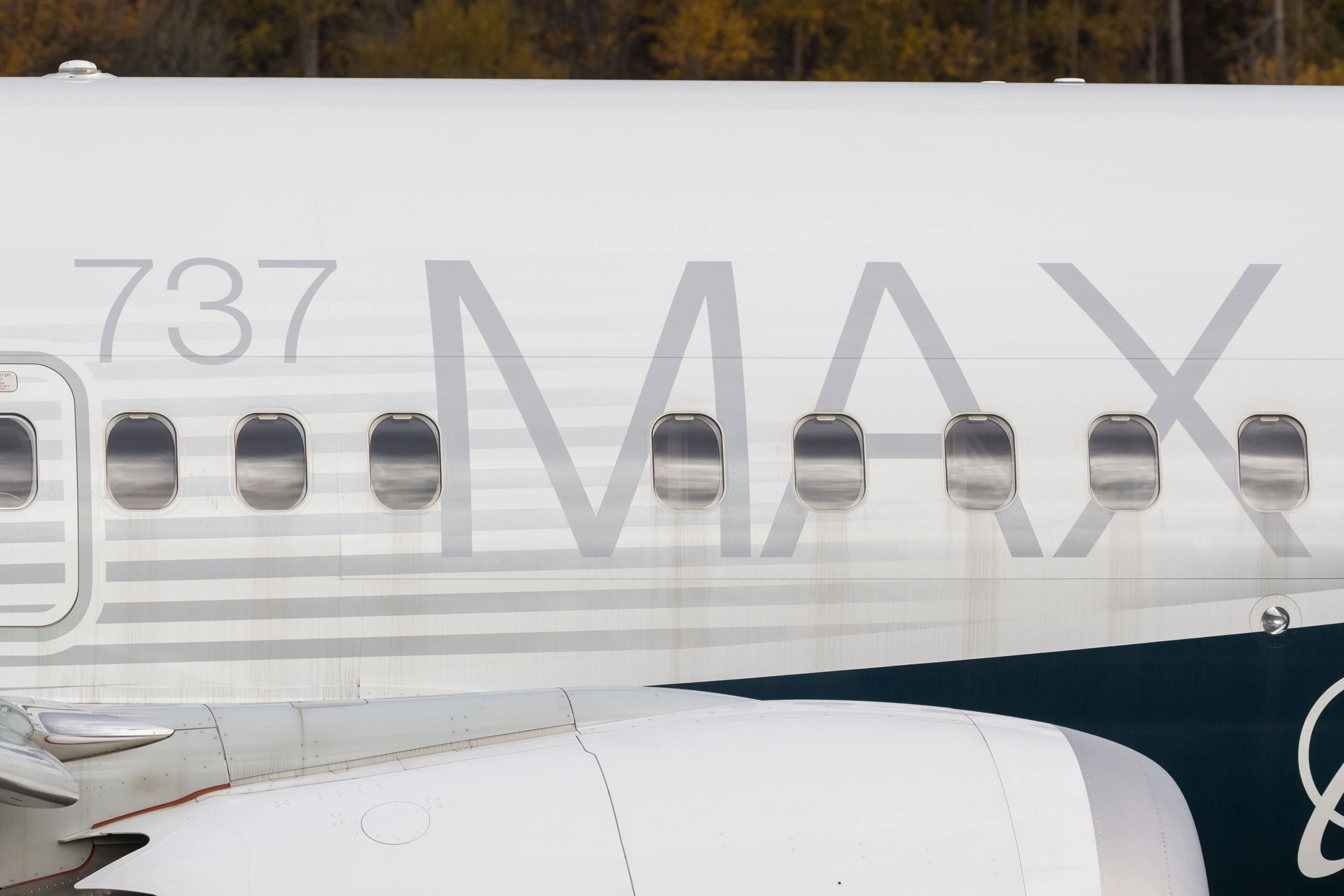
Boeing Co. reported a narrower first-quarter loss of $7 million, significantly better than analyst expectations of an 83-cent loss per share, as revenue rose 14% to $22.2 billion, driven by improved commercial jet deliveries. The company delivered 143 jets, surpassing Airbus's 114 deliveries, and achieved a record backlog of $695 billion. Despite these gains, Boeing continues to face challenges with cash flow, burning through $1.5 billion in free cash, while its commercial airplane division reported an operating loss of $563 million.