Hedge Funds Favor Tech Giants Amid Sector Gains
Hedge funds have shown a marked preference for major technology companies, with Meta and Amazon.com seeing over a 5% increase in long positions last month, according to Hazeltree's April 2026 Crowding Report. In contrast, Nvidia experienced a 4.5% decline in holdings, while Tesla faced continued bearish sentiment. The report also noted significant interest in the semiconductor sector, with the PHLX Semiconductor Sector Index rising 40%, marking its strongest monthly gains since 1994.
Bristol-Myers Squibb Partners with Anthropic for AI Integration
Bristol-Myers Squibb (BMS) has announced a strategic agreement with Anthropic to integrate its AI model, Claude, across the company's operations, impacting over 30,000 employees. This deployment aims to enhance workflows in research, drug development, manufacturing, and commercial functions, leveraging advanced AI capabilities to accelerate processes and improve decision-making. The collaboration builds on BMS's three years of AI investments, positioning the company as a leader in AI integration within the biopharmaceutical sector.
Analog Devices acquires Empower Semiconductor for $1.5 billion
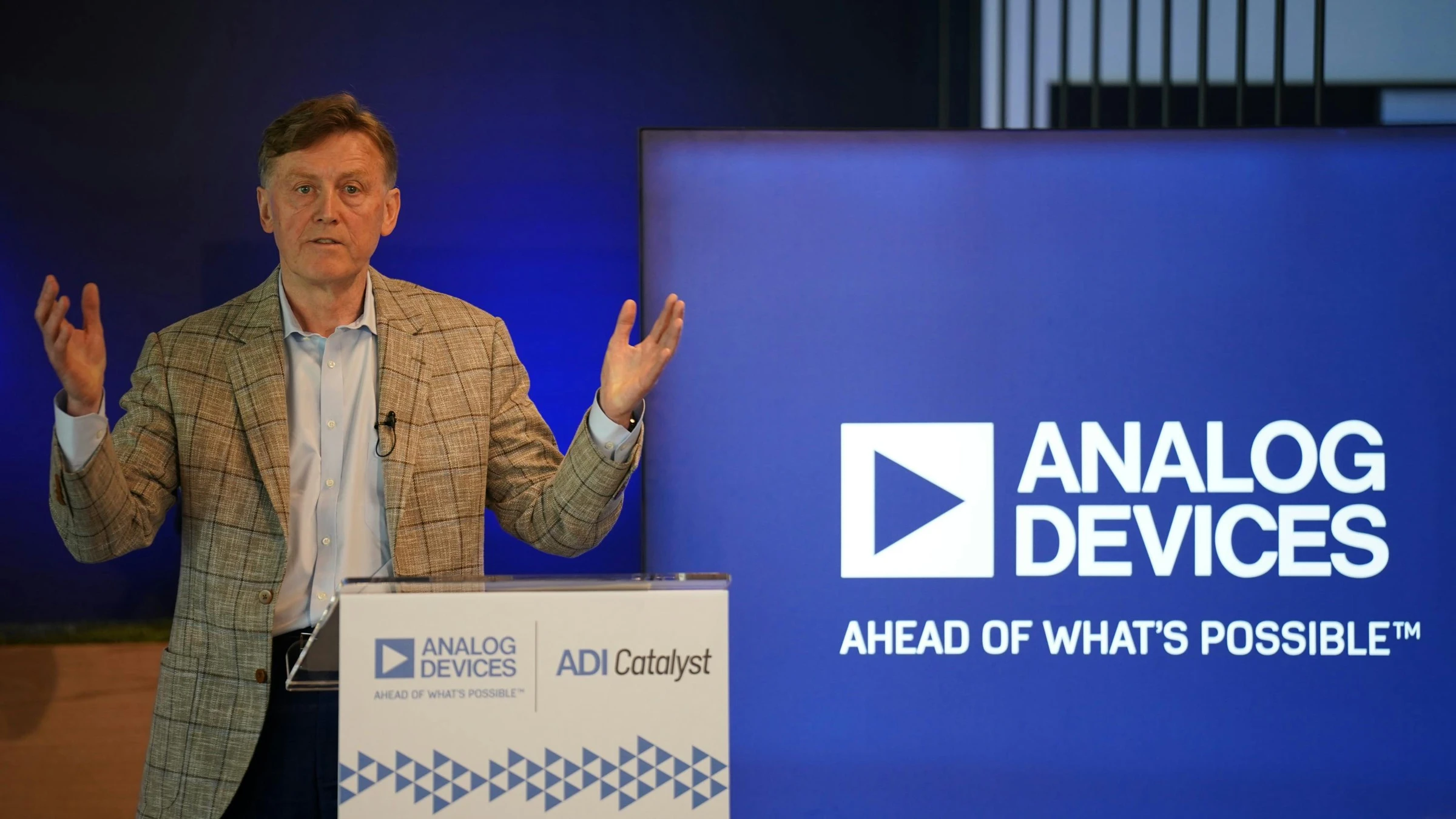
Analog Devices, Inc. has announced its acquisition of Empower Semiconductor in an all-cash transaction valued at $1.5 billion, aimed at enhancing power delivery solutions for artificial intelligence applications. The merger is expected to close in the second half of 2026, pending regulatory approvals. Vincent Roche, CEO of Analog Devices, stated that the partnership will address the critical challenges of power density and efficiency in next-generation AI systems.
Morgan Stanley Issues Secure iPhones for Hong Kong Bankers
Morgan Stanley has begun issuing specially configured iPhones to its Hong Kong-based investment bankers who frequently travel to mainland China, a move aimed at enhancing data security and compliance with local regulations. The devices, which have limited functionality and use Chinese-approved communication platforms, reflect the bank's response to stricter data governance policies stemming from China's Cybersecurity Law and Personal Information Protection Law. This practice underscores the growing operational complexities for global financial institutions navigating cross-border data rules.