EU Member States Approve Mercosur Trade Deal
A qualified majority of EU member states endorsed the Mercosur trade deal, concluding over two decades of negotiations with Argentina, Brazil, Paraguay, and Uruguay. Despite opposition from France, Poland, Austria, Hungary, and Ireland, the agreement aims to create a free-trade area for over 700 million consumers, allowing European companies access to a market of 280 million in Latin America. A signature ceremony is scheduled for January 17 in Asunción, Paraguay, although the deal still requires approval from the European Parliament.
Poland's President Vetoes EU Digital Services Act Legislation
Poland's President Karol Nawrocki vetoed legislation intended to implement the EU's Digital Services Act, citing concerns over excessive government powers and insufficient judicial oversight. His decision, which aligns with criticisms from former President Trump, has drawn condemnation from Prime Minister Donald Tusk and Digital Affairs Minister Krzysztof Gawkowski, who argue it undermines online safety. The veto is expected to exacerbate Poland's ongoing legal disputes with the European Commission, which has already referred Poland to the EU Court of Justice for non-compliance with the DSA.
Meloni urges EU to renew talks with Russia
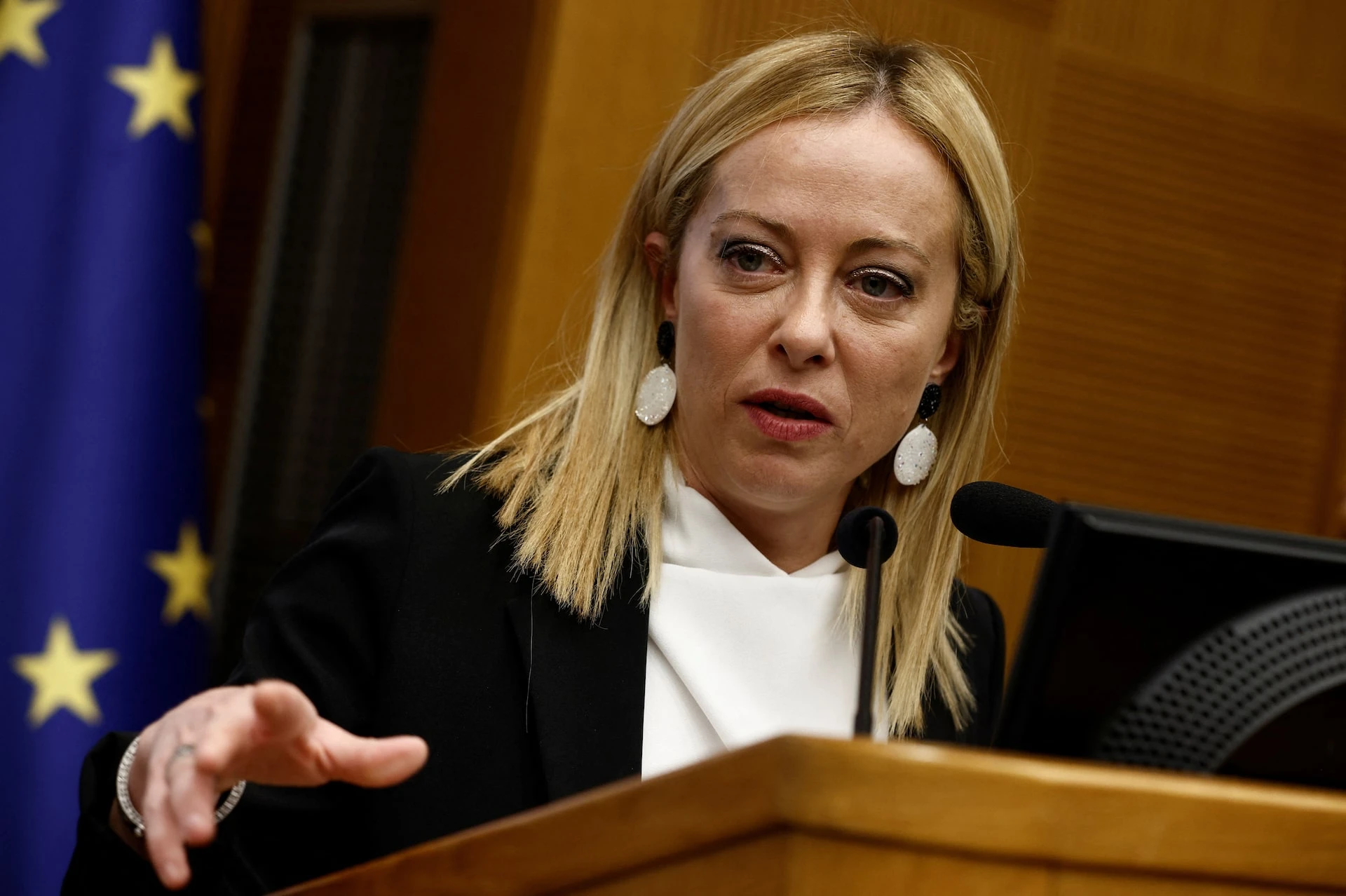
Italian Prime Minister Giorgia Meloni called for the European Union to resume high-level talks with Russia regarding the Ukraine conflict, emphasizing the need for a unified European approach. During a press conference in Rome, she supported French President Emmanuel Macron's suggestion for reengagement with Russian President Vladimir Putin and proposed the appointment of a special EU envoy to facilitate discussions. Meloni noted that the EU's current fragmented stance limits its potential contributions to the negotiations.
European Commission Advances Cloud Autonomy Act
The European Commission is advancing the Cloud Autonomy and Digital Infrastructure Act (CAIDA) to enhance cloud sovereignty across the EU, addressing concerns over the influence of major tech companies on digital infrastructure and compliance. This initiative reflects a broader push among European leaders to establish regulatory frameworks that ensure fair competition and mitigate the risks associated with reliance on American tech giants, which currently dominate approximately 70% of the European cloud computing market.
European Commission targets foreign subsidies in public contracts
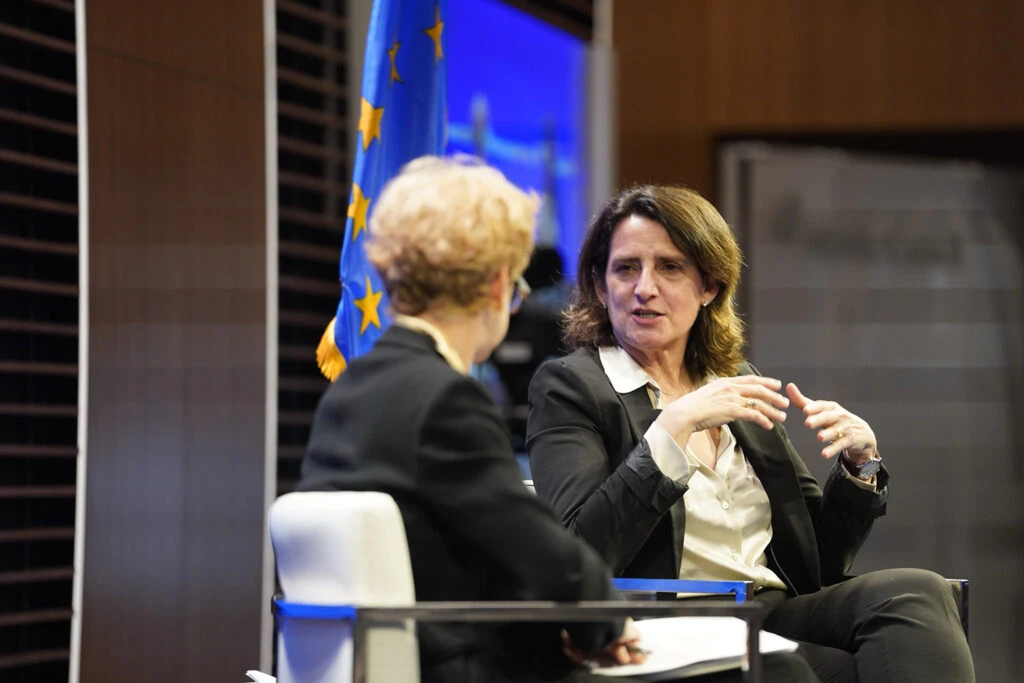
The European Commission has published new guidelines allowing it to exclude foreign firms benefiting from subsidies, particularly from non-EU governments like China and the United States, from participating in public contracts. The guidelines clarify the assessment process under the 2023 Foreign Subsidies Regulation, which targets distortive foreign subsidies, and include exemptions for low-value tenders and certain subsidies below €4 million. Commission Executive Vice-President Teresa Ribera stated that the rules aim to provide clarity and foster responsible investment decisions.