Seguro and Ventura advance to Portugal presidential runoff
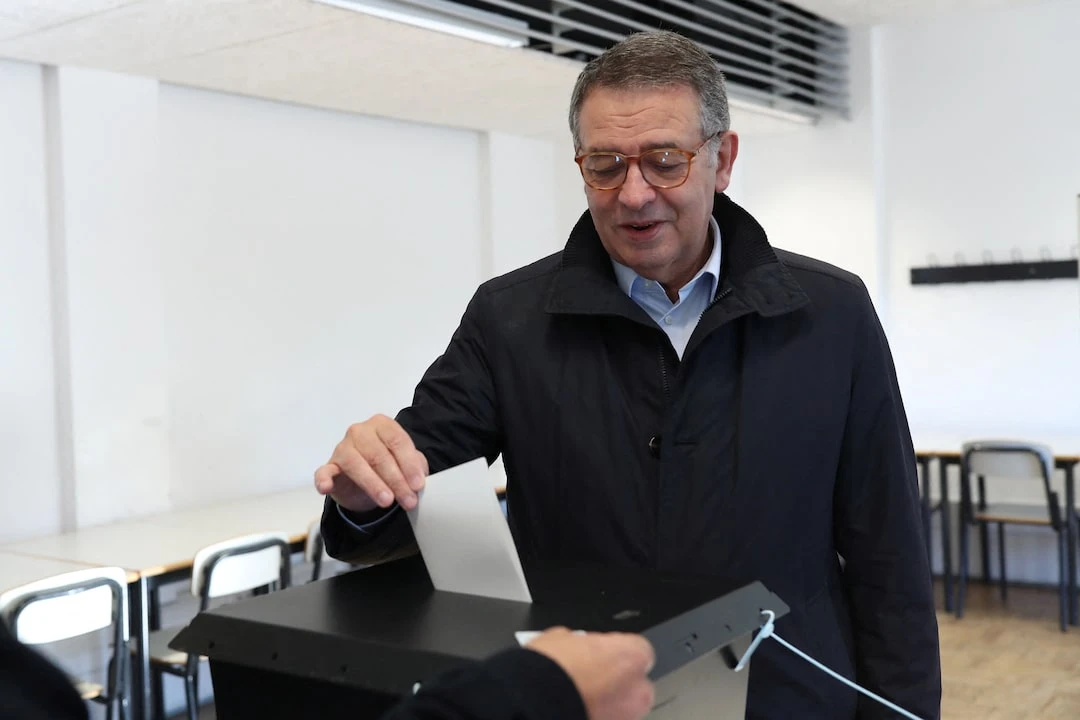
António José Seguro, a former head of Portugal’s Socialist Party, won the first round of the presidential election with 30.69 percent of the votes, while far-right leader André Ventura of the Chega party secured 26.97 percent, leading to a runoff on February 8. This marks the first time in 40 years that a Portuguese presidential election has required a second round, as no candidate achieved the necessary absolute majority.
Germany Launches Fiscal Stimulus to Boost Economy
Germany is implementing a fiscal stimulus aimed at boosting its economy, which is expected to positively impact the broader European economic landscape. This initiative comes as European nations navigate challenges posed by external pressures, including recent threats from President Donald Trump regarding tariffs on European countries.
AI Firms Struggle with EU Transparency Requirements
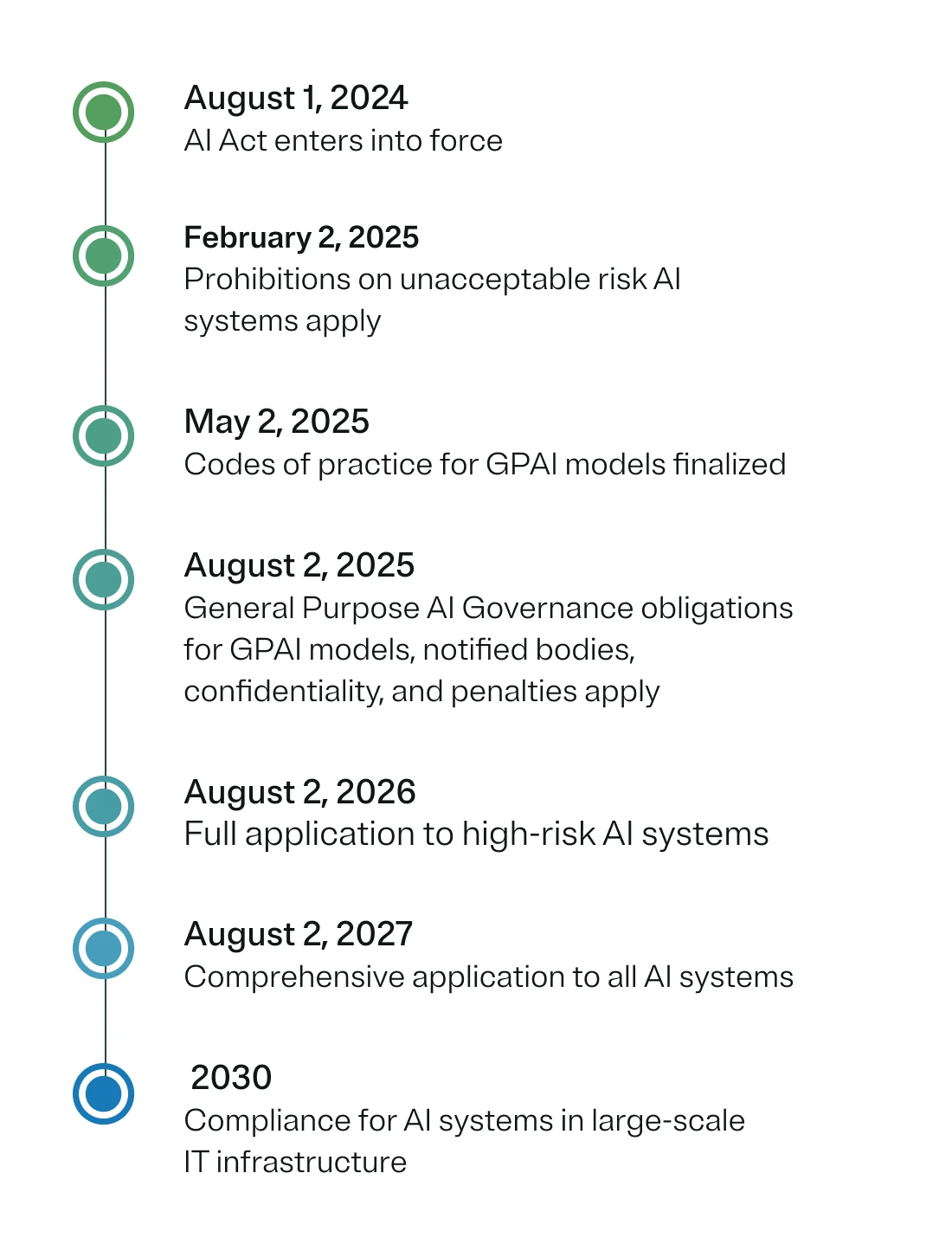
Major AI companies, including OpenAI and Google, are failing to comply with the European Union's AI Act by not adequately disclosing their training data, which is required for models released after August 2, 2025. While Hugging Face has submitted the necessary information for its model, others like GPT-5 and Gemini 3 have only provided vague descriptions of their datasets. The EU Commission plans to begin enforcing these transparency rules in August 2026, raising concerns about potential non-compliance among leading AI developers.
Czechia disputes €280 million EU subsidies linked to Babiš
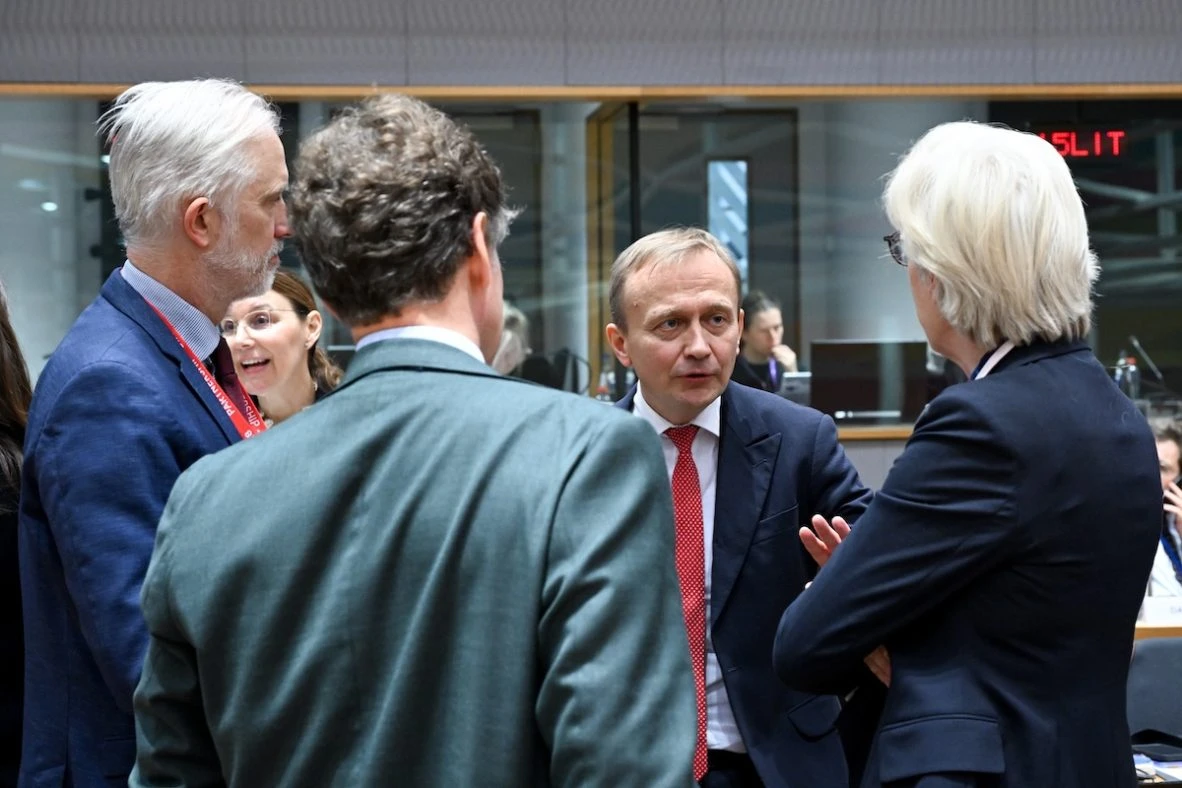
Czechia is currently involved in a dispute over €280 million in EU subsidies that were allocated to firms linked to Agrofert, a company associated with former Prime Minister Andrej Babiš. This controversy dates back to Babiš's first term in office, raising questions about potential conflicts of interest and the management of EU funds.
Meloni criticizes Trump's tariff threats on Europe
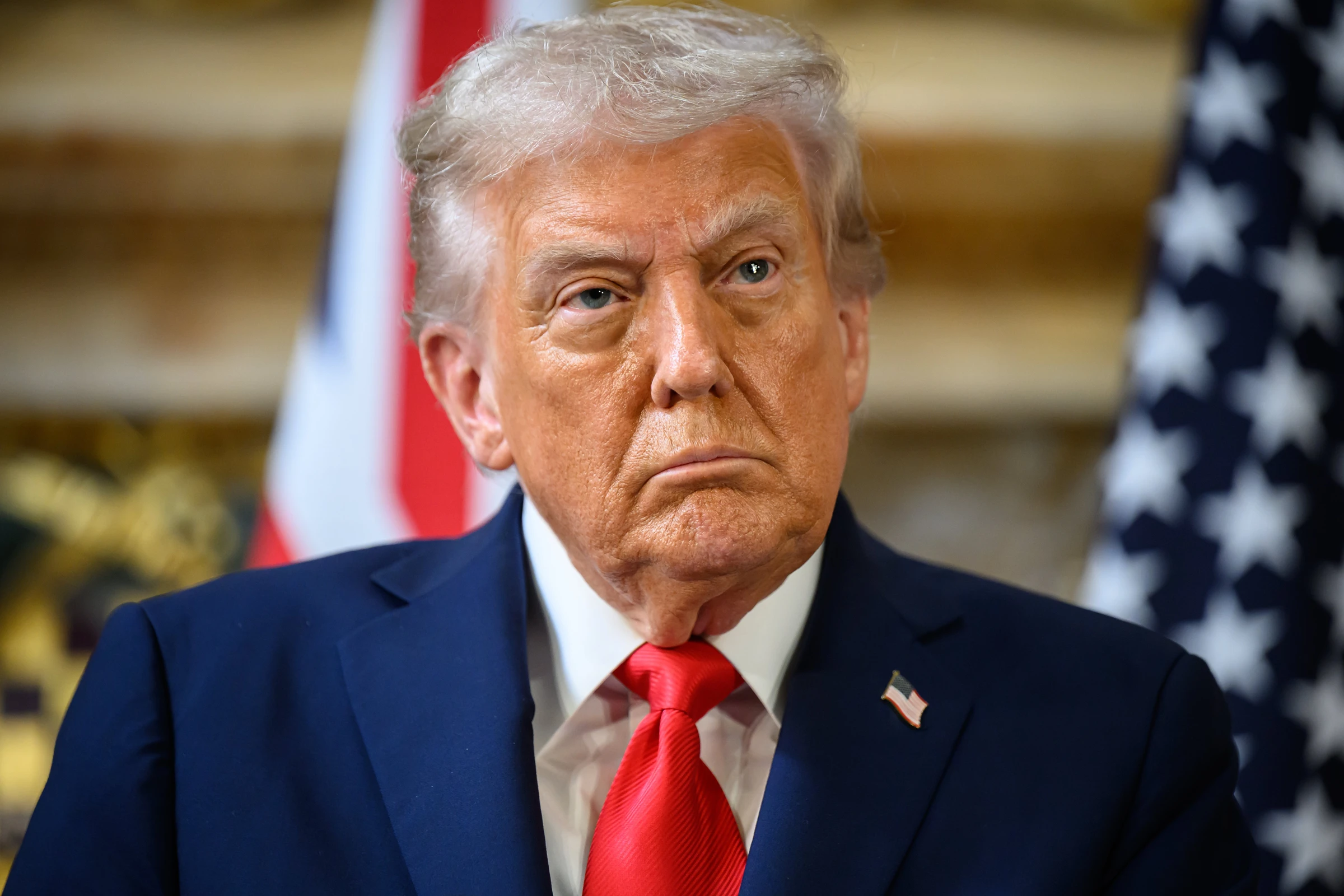
Italian Prime Minister Giorgia Meloni criticized U.S. President Donald Trump's threat of imposing tariffs up to 25% on goods from several European countries, including Denmark and Germany, over their support for Greenland's territorial integrity. Speaking from Seoul, Meloni described the situation as a 'problem of understanding and communication' and emphasized the need for NATO to address the crisis. Meanwhile, French President Emmanuel Macron has called for the EU to utilize its Anti-Coercion Instrument to counteract potential U.S. economic measures.