Germany's Gas Storage Drops to 32.44 Percent
Germany's gas storage levels have fallen to 32.44% as of February 1, 2026, raising concerns about supply security amid ongoing cold temperatures. Economic Minister Katherina Reiche stated that there is no cause for alarm, citing sufficient import options for liquefied natural gas, despite warnings from industry experts about potential shortages if the cold weather persists. To meet next winter's requirements, nearly 50% more gas must be stored compared to last year, highlighting significant challenges ahead for the energy sector.
EPP Calls for EU Mutual Defense Clause Amid US Tensions
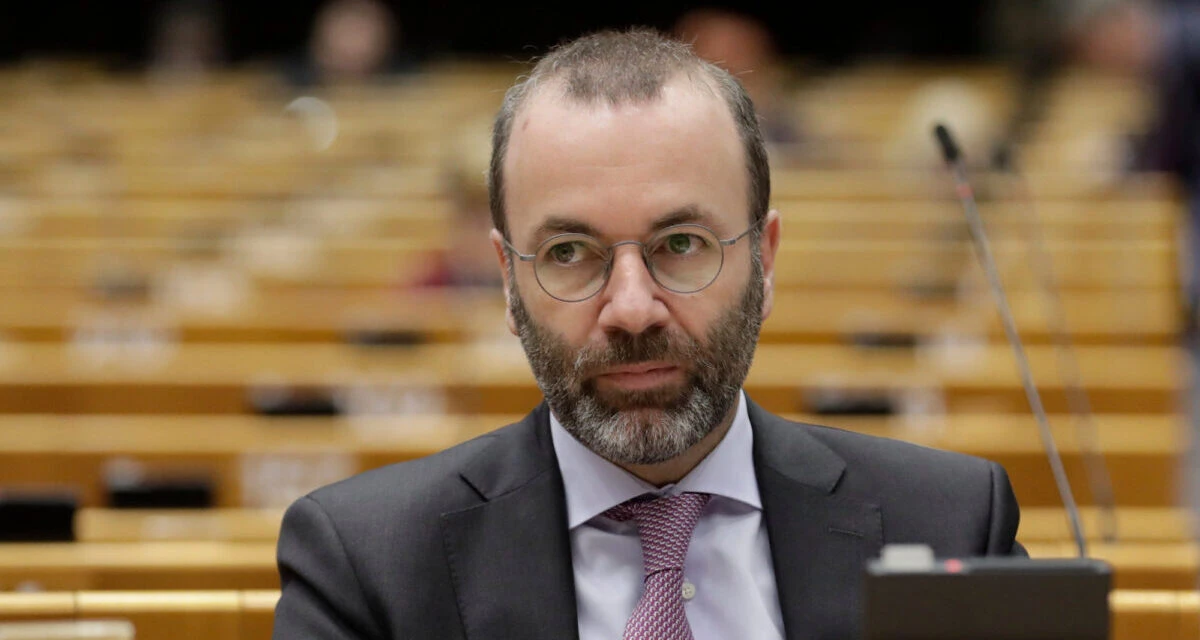
The European People's Party (EPP) is advocating for the implementation of the EU's mutual defense clause in light of recent tensions with the United States, particularly following Donald Trump's controversial claims regarding Greenland. EPP President Manfred Weber highlighted the need for the EU to enhance its military capabilities across nine areas, including drones and missile defense, to reduce dependence on the U.S. while still acknowledging NATO's central role in European defense.
EU Advances Plans for Defence AI Data Space
The European Defence Agency (EDA) is advancing plans to create the European Defence Artificial Intelligence Data Space (DAIDS), a secure platform for EU countries to share sensitive defence data independently of US technology, with a target for operational readiness by 2030. This initiative aims to establish a federated framework for trusted data sharing and is part of a broader effort to enhance military interoperability and operational readiness among EU nations, as they seek to reduce reliance on foreign infrastructure. The EDA has engaged a consortium of three companies, including France's CEA and SopraSteria, to assist in developing this project.
EU Raw Materials Policy Faces Significant Vulnerabilities
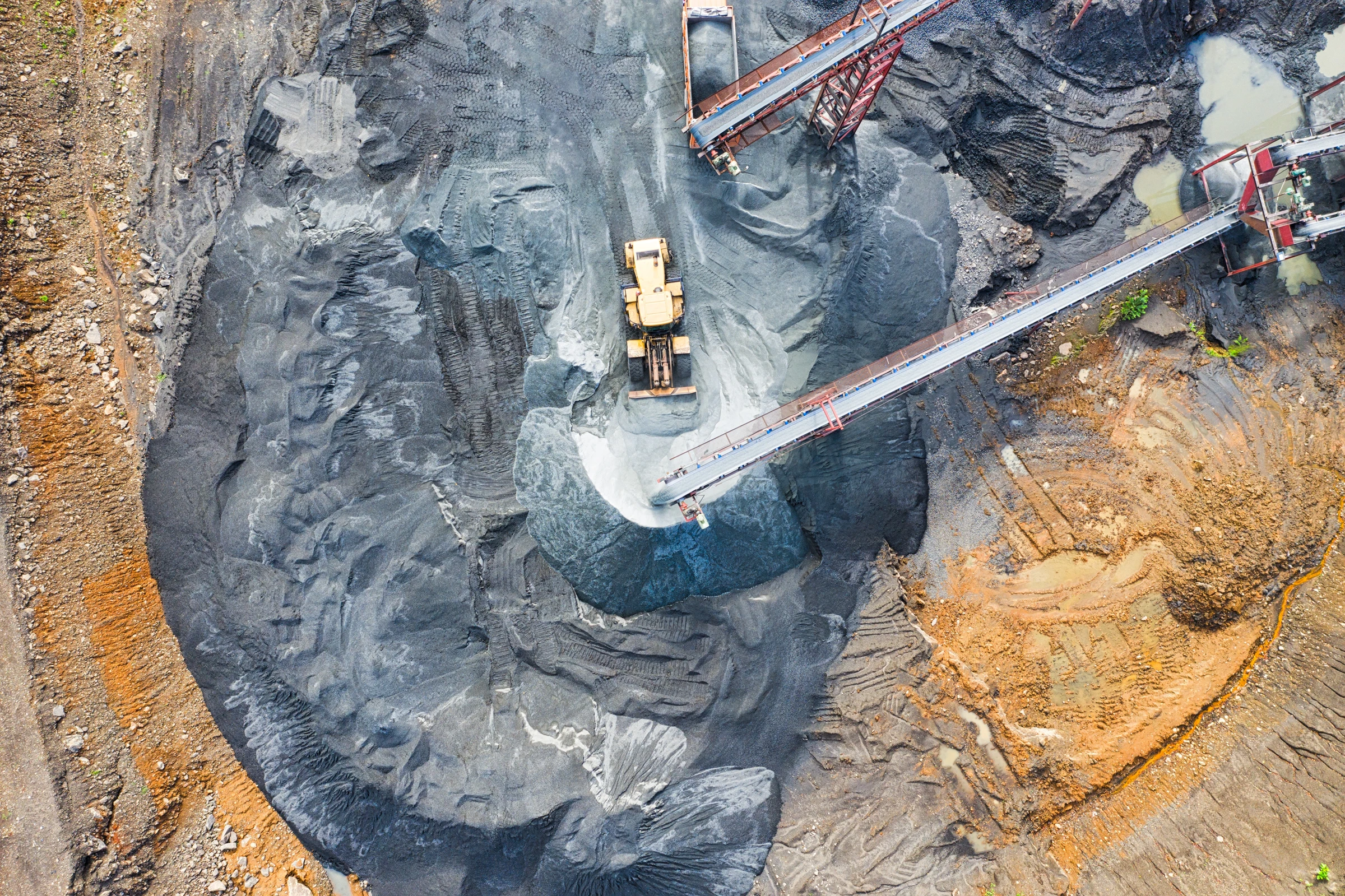
The European Court of Auditors has issued a report highlighting significant vulnerabilities in the EU's critical raw materials policy, which is essential for the bloc's energy transition and digital technology sectors. The report indicates that current measures to diversify imports and boost domestic production have not yielded measurable results, leaving the EU heavily reliant on a limited number of third countries, including China, Turkey, and Chile. The auditors emphasize the need for improved recycling rates and faster development of mining projects to enhance the EU's strategic autonomy.