European Industry Faces Deindustrialization Amid High Costs
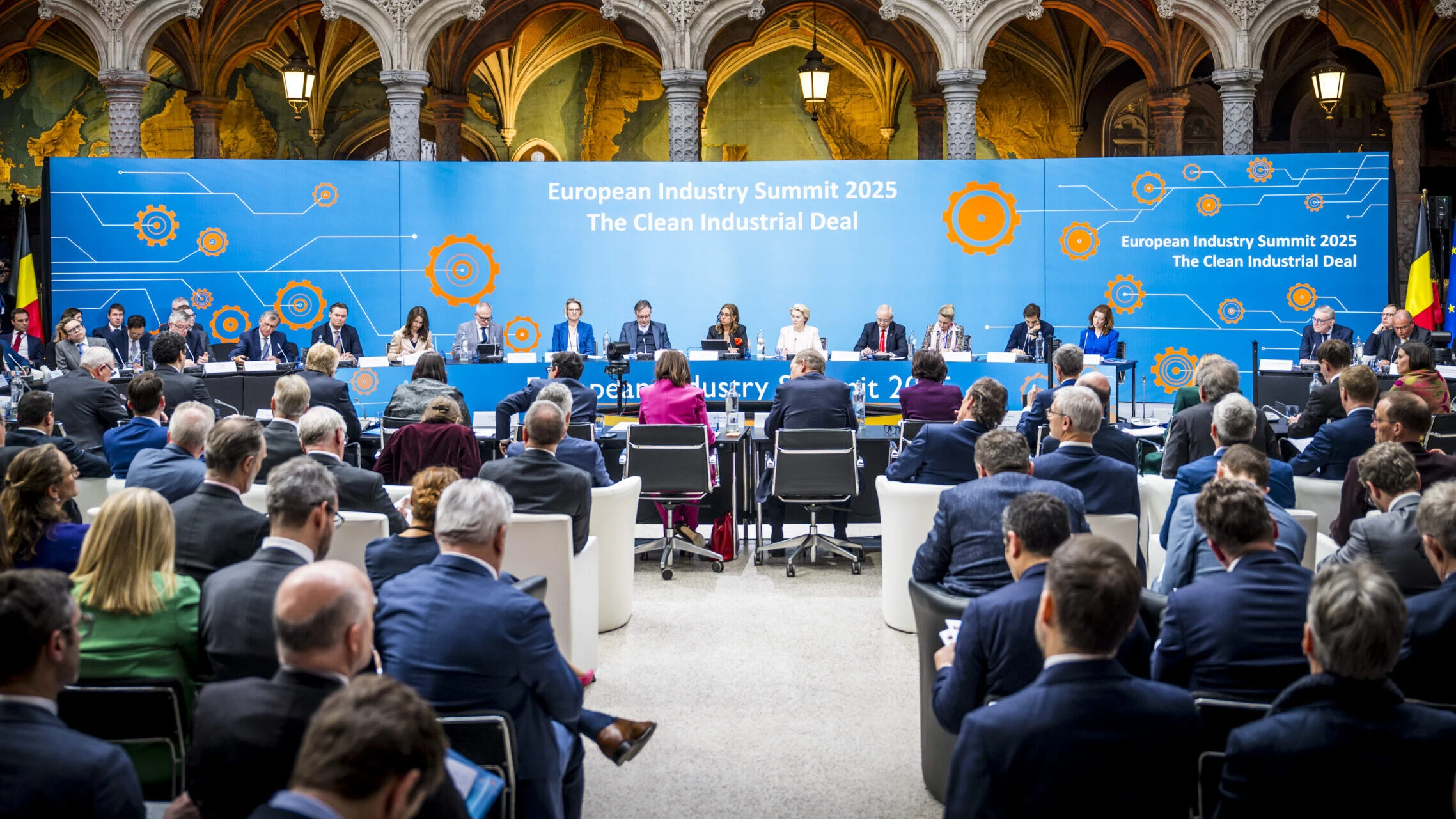
European industry leaders and officials are warning of accelerating deindustrialization amid stalled investment and high energy costs, as highlighted in a new Deloitte report commissioned by the European Chemical Industry Council. The report indicates that 83% of industrial competitiveness indicators are stagnating or declining, with the chemical sector particularly affected, resulting in the closure of factories and the loss of 20,000 jobs. Ahead of a crucial summit in Antwerp, EU leaders, including Belgian Prime Minister Bart De Wever and European Commission President Ursula von der Leyen, are set to discuss measures to enhance competitiveness and address the urgent needs of the industrial sector.
Von der Leyen Defends EU Emissions Trading System
Ursula von der Leyen, President of the European Commission, defended the EU's Emissions Trading System (ETS) at the European Industry Summit in Antwerp, asserting its role in decarbonizing heavy industries despite criticism from industry leaders and German Chancellor Friedrich Merz. She highlighted that since its introduction in 2005, emissions have decreased by 39% while the economy in sectors covered by the ETS has grown by 71%. Von der Leyen urged national governments to allocate more of the ETS revenues, which currently see 75% directed to national budgets, towards industrial decarbonization.
Von der Leyen Calls for EU Regulatory Simplification
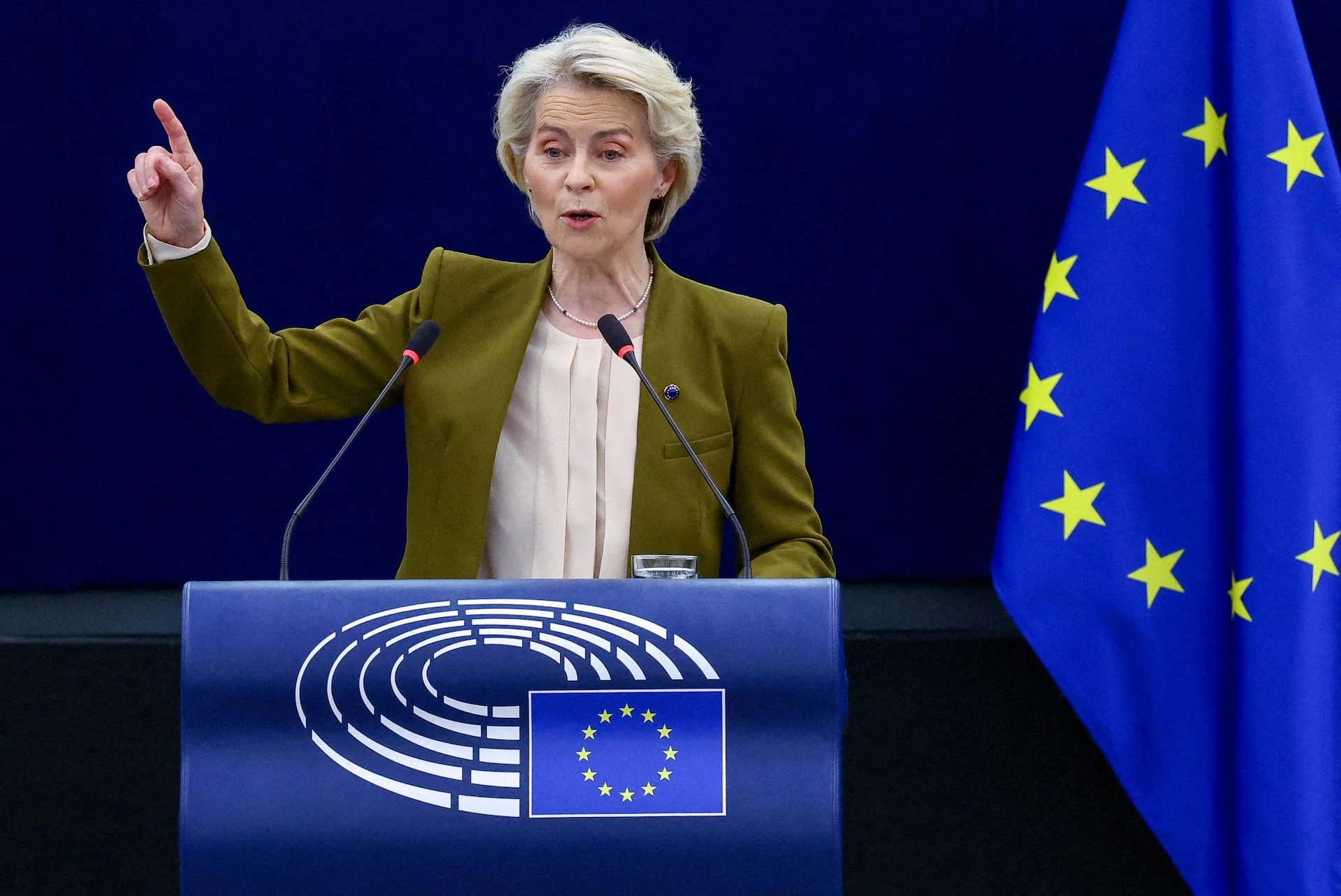
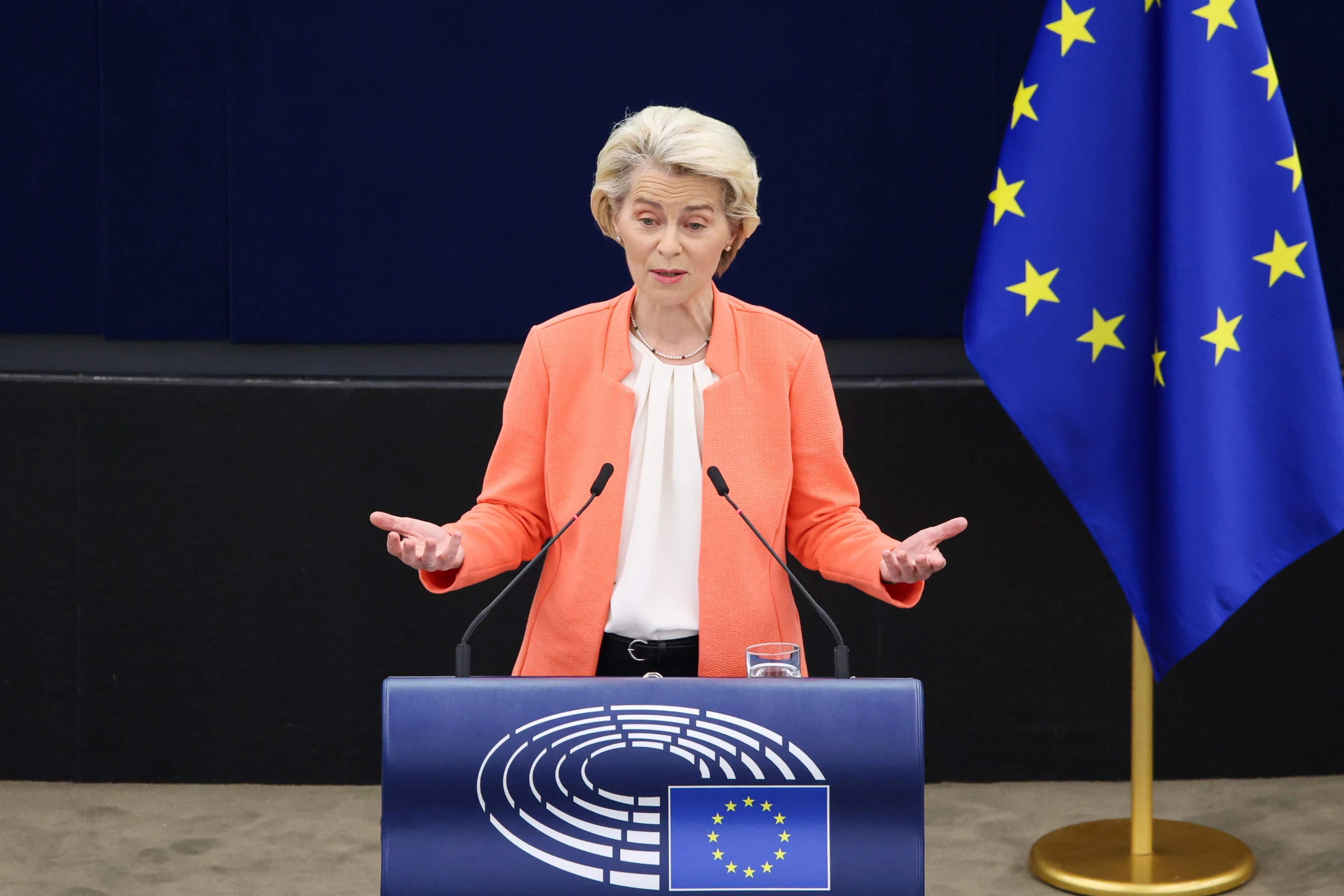
European Commission President Ursula von der Leyen called for urgent regulatory simplification across the EU to enhance competitiveness against the U.S. and China, emphasizing the need to eliminate unnecessary national laws and reduce fragmentation in capital markets. In a speech to the European Parliament, she criticized the practice of 'gold-plating' EU legislation by member states and proposed a joint single market roadmap to 2028 for deeper integration. Von der Leyen plans to meet with industry leaders in Antwerp ahead of an EU summit focused on economic revitalization.
EU Proposes Ban on Social Media for Children
The European Commission has proposed a potential EU-wide ban on social media platforms for children, driven by concerns over mental health issues linked to excessive use, including anxiety and depression. This initiative follows the European Parliament's call for a uniform minimum age of 16 for social media use, with children aged 13 to 15 requiring parental consent. Member states are exploring various regulatory approaches, with Greece already implementing a ban for those under 16, while France and Spain are considering similar legislation.
EDPB and EDPS Warn Against Changes to Personal Data Definition
The European Data Protection Board (EDPB) and the European Data Protection Supervisor (EDPS) have issued a Joint Opinion expressing significant concerns over the European Commission's proposed changes to the definition of personal data in the Digital Omnibus Regulation. They argue that these changes could undermine the protections afforded by the GDPR, create legal uncertainty, and narrow the concept of personal data, urging co-legislators to reject the amendments. While they support certain aspects aimed at reducing administrative burdens and enhancing legal clarity, they emphasize that simplification should not compromise individual rights.