Orban Faces Tough Election Amid Scandals and Opposition Lead
Hungarian Prime Minister Viktor Orban is facing a challenging election campaign ahead of the parliamentary vote scheduled for April 12, as his government grapples with multiple scandals, including allegations of violence and sexual abuse at a juvenile facility in Budapest. Opposition leader Peter Magyar of the Tisza party has accused Orban's camp of attempting to blackmail him with a controversial sex video, while opinion polls indicate that Magyar's party has maintained a consistent lead. The campaign has been marked by aggressive tactics, including the distribution of anti-Ukrainian propaganda and the use of AI-generated misinformation.
NATO Strengthens Arctic Presence Amid Greenland Tensions
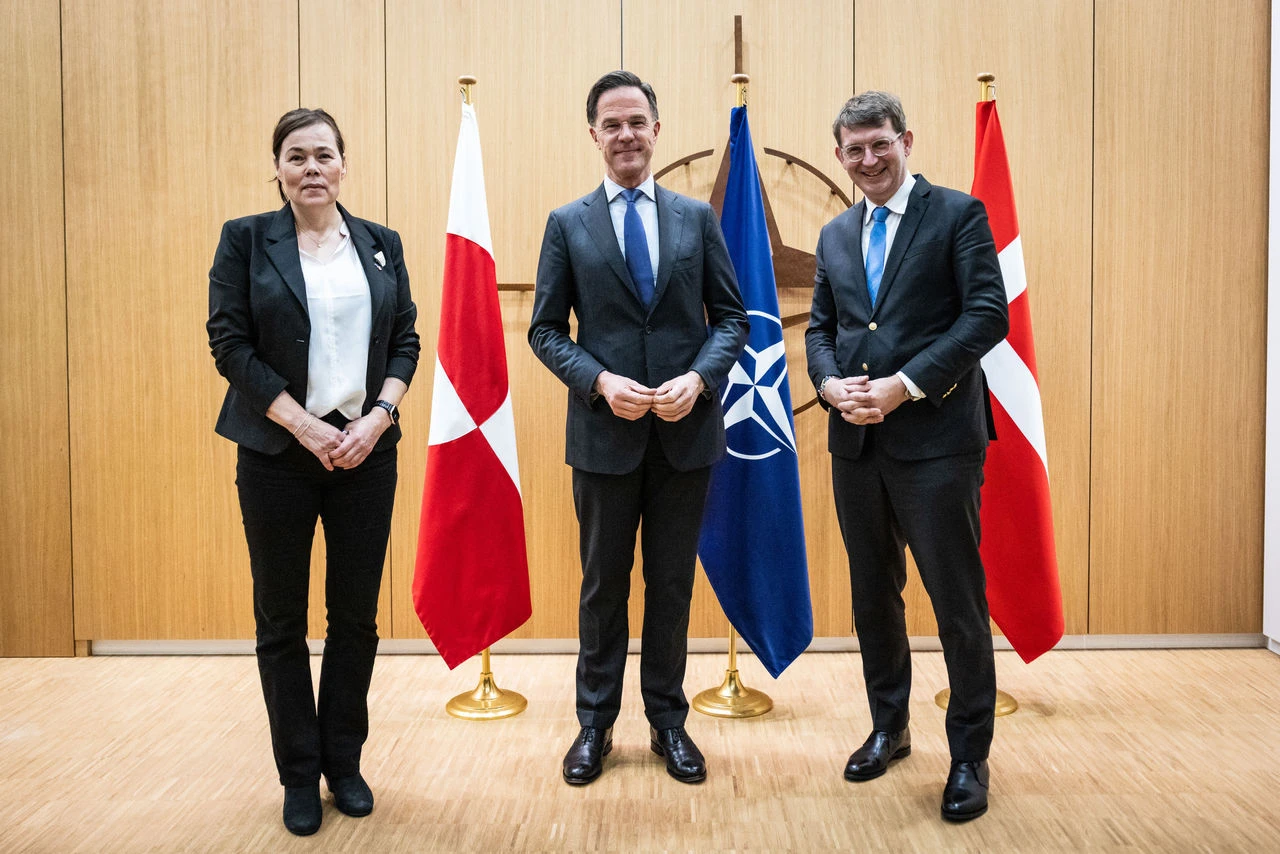
NATO chief Mark Rutte stated that the alliance is stronger than ever following the recent Greenland crisis, which was sparked by President Donald Trump's threats regarding the territory. Sweden's Prime Minister Ulf Kristersson announced the deployment of Gripen fighter jets to patrol Greenland as part of NATO's newly launched Arctic Sentry mission, emphasizing Sweden's commitment to the security of the alliance. Meanwhile, discussions between U.S. Secretary of State Marco Rubio, Denmark's Prime Minister Mette Frederiksen, and Greenland's Premier Jens-Frederik Nielsen focused on the governance of Greenland amid ongoing tensions in transatlantic relations.
ECB Raises Concerns Over Asset Manager Regulation in EU
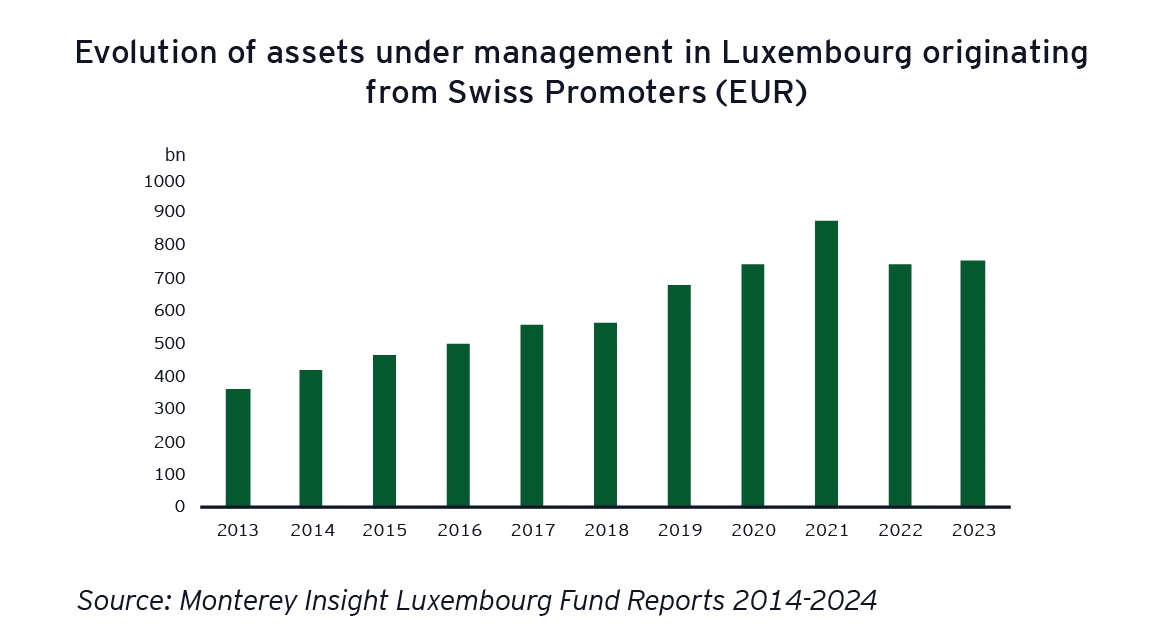
European Central Bank economists have raised concerns about the regulatory framework for asset managers in Ireland and Luxembourg, citing 'supervisory blind spots' due to the fragmented national oversight of the EU's largest money managers. In a blog post led by Michael Wedow, deputy head of the ECB’s financial regulation division, they suggested that the European Securities and Markets Authority (ESMA) should coordinate 'supervisory colleges' for the largest firms to promote a more integrated approach. The blog does not represent the ECB's official position but indicates a growing recognition of the need for a more cohesive supervisory framework as the asset management sector continues to expand.