Germany repeals heating law allowing fossil fuel systems
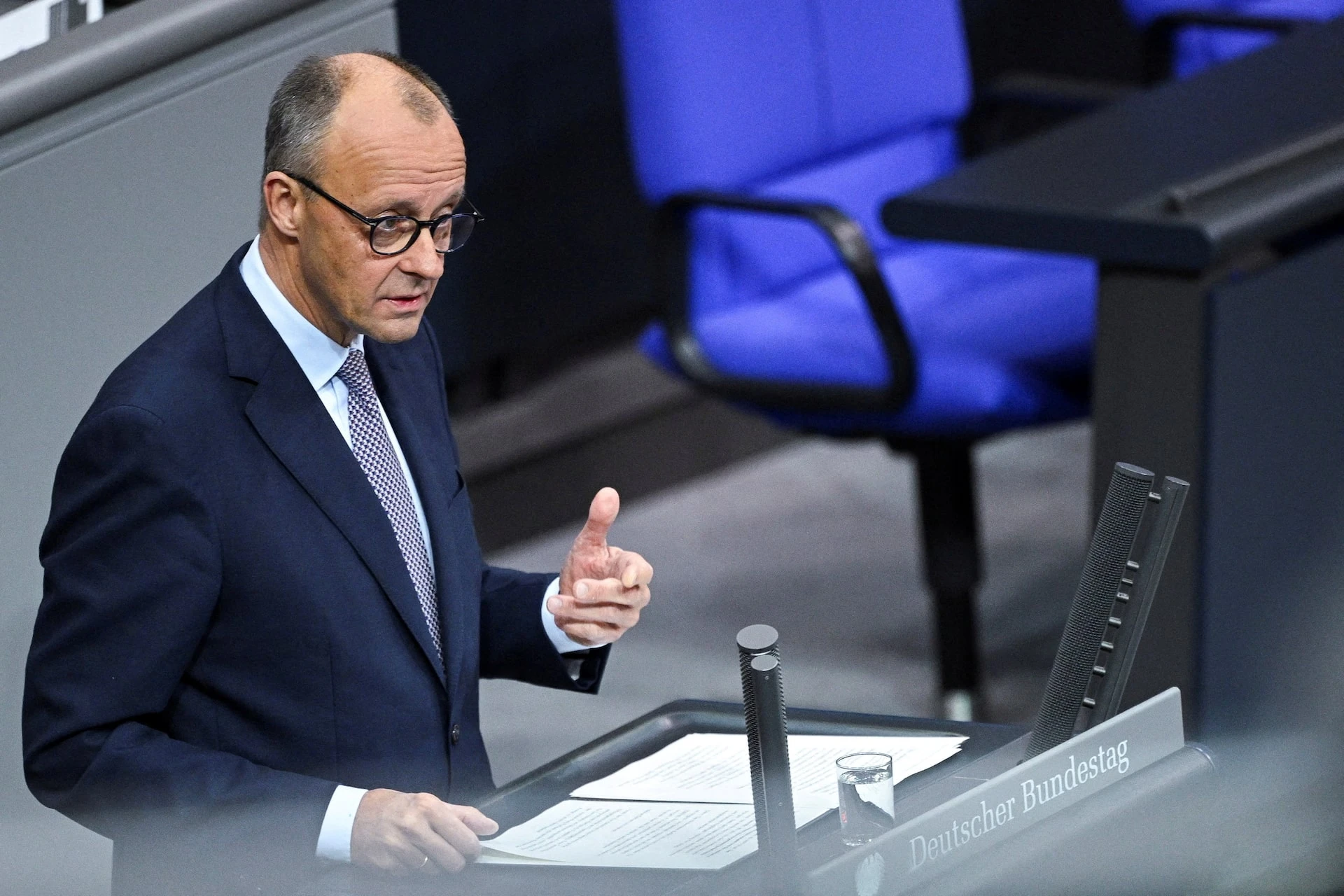
Germany's coalition government, led by Chancellor Friedrich Merz of the Christian Democratic Union, has agreed to repeal the 2023 heating law that mandated new heating systems to use at least 65% renewable energy. This decision allows for the continued installation of oil and gas systems while requiring utility companies to incorporate rising percentages of biofuels, starting at 10% by 2029. The move fulfills a key election promise and has drawn criticism from the Greens, who argue it undermines the EU's 2030 climate goals.
EU Launches Anti-Disinformation Center Amid Ongoing Investigations
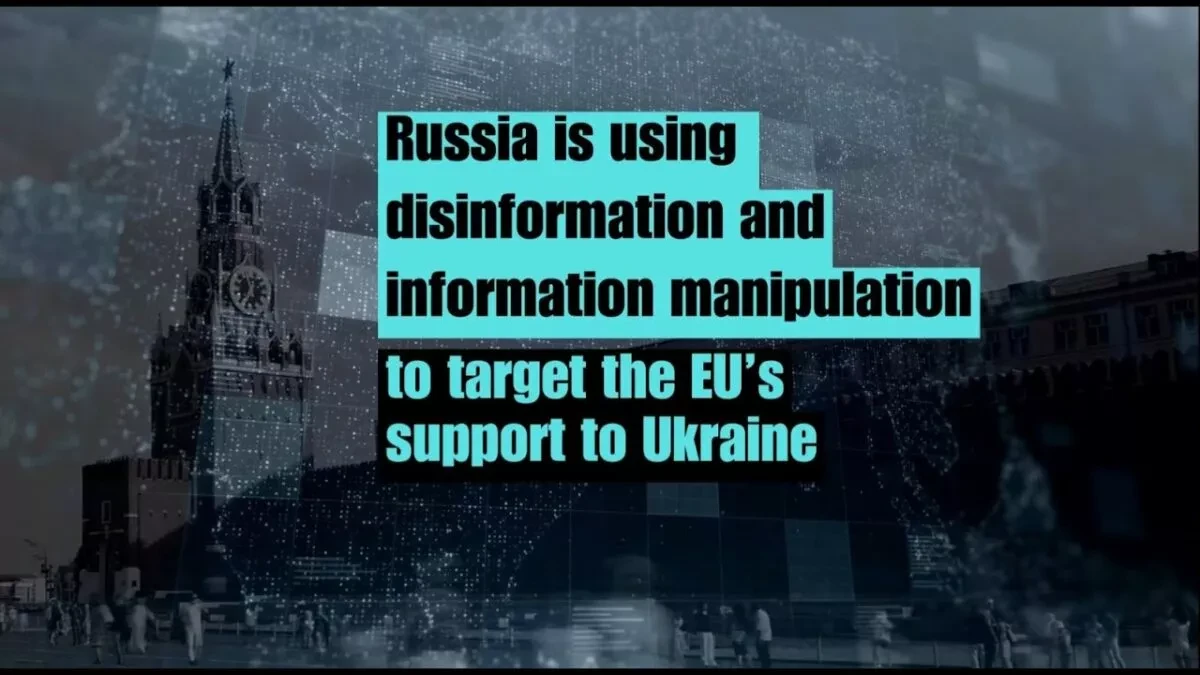
The European Union officially launched its anti-disinformation center this year, aimed at combating misinformation and enhancing digital literacy among its member states. The initiative comes amid ongoing investigations into a disinformation campaign allegedly promoting a Polish exit from the EU, as highlighted by EU officials.
France to Launch Largest Military Exercise Since Cold War
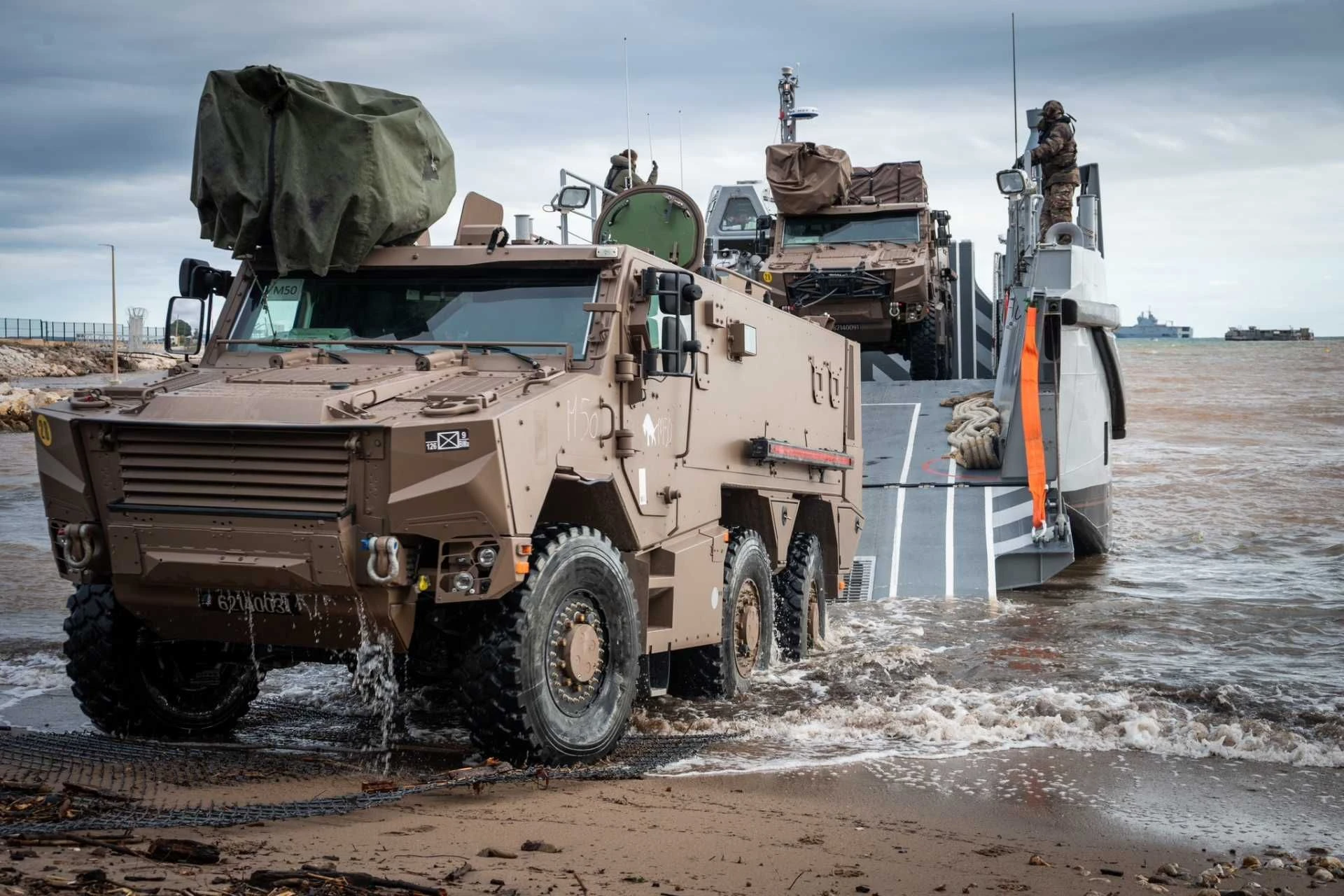
France is set to conduct ORION 26, its largest joint military exercise since the Cold War, beginning in early 2026. This exercise will involve thousands of French troops and allied forces, simulating a high-intensity conflict against a peer adversary across various terrains, including urban areas and coastal regions. The exercise aims to enhance operational coordination and test military strategies in a realistic environment, reflecting lessons learned from recent conflicts, particularly in drone warfare.
EU Ministers Clash Over Carbon Pricing Strategies
EU ministers engaged in a dispute over carbon pricing during a competitiveness meeting, creating uncertainty regarding the timeline for phasing out free emission permits. The discussions highlighted differing views on the effectiveness and economic implications of carbon pricing mechanisms, with some ministers advocating for a more aggressive approach to emissions reductions.
European Steel Industry Advocates for Local Sourcing in Act
The European steel industry has called for the upcoming 'Industrial Accelerator Act' to include steel in its 'Made in Europe' provisions, which prioritize locally-made materials for public funding. Axel Eggert, director general of Eurofer, emphasized that local sourcing should extend to close EU neighbors like Britain and Norway, while excluding countries that contribute to global overcapacity. This demand comes amid a backdrop of a 30% decline in EU steel exports to the US in the latter half of 2025, attributed to high tariffs imposed by the US government.