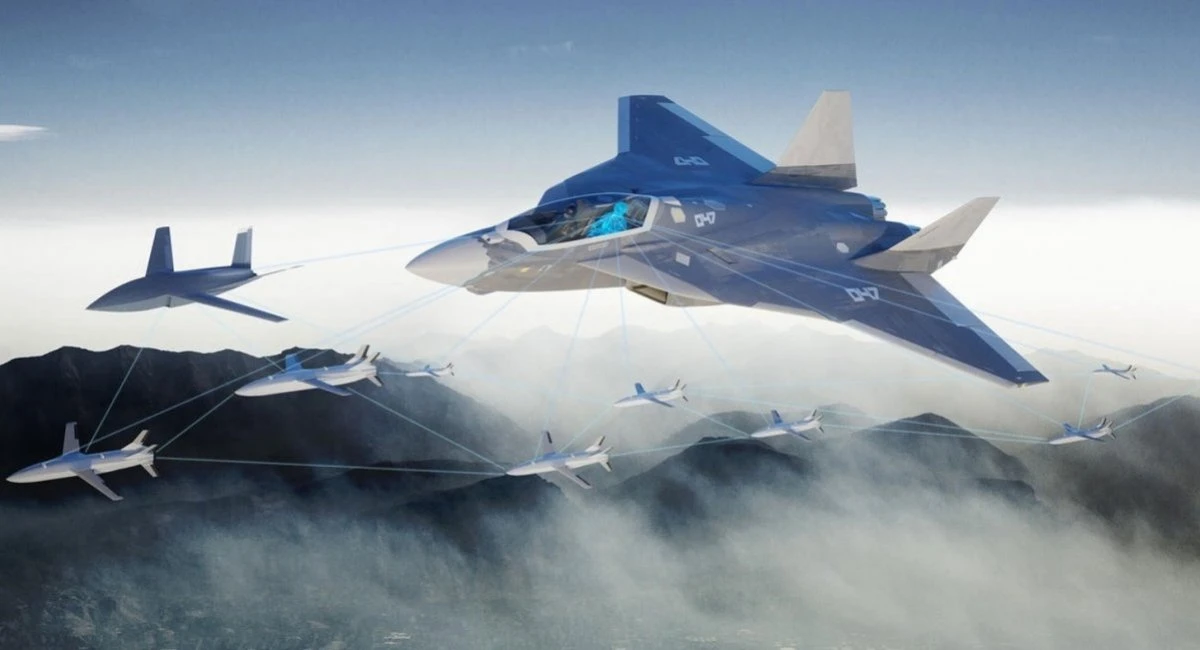
EU Commissioner Calls FCAS Fighter Jet Project a Failure
EU Defence Commissioner Andrius Kubilius has labeled the Future Combat Air System (FCAS) fighter jet project, led by Germany, France, and Spain, as a 'failure' and warned it is on the verge of collapse due to ongoing disputes between Paris and Berlin. The €100 billion programme, launched in 2017 to replace existing fighter jets by 2040, has been stalled for over a year amid disagreements over work allocation between Airbus Defence and Space and Dassault. Potential solutions, including separating the fighter jet component from the broader aerial combat system, are being considered, but no agreement has been reached.
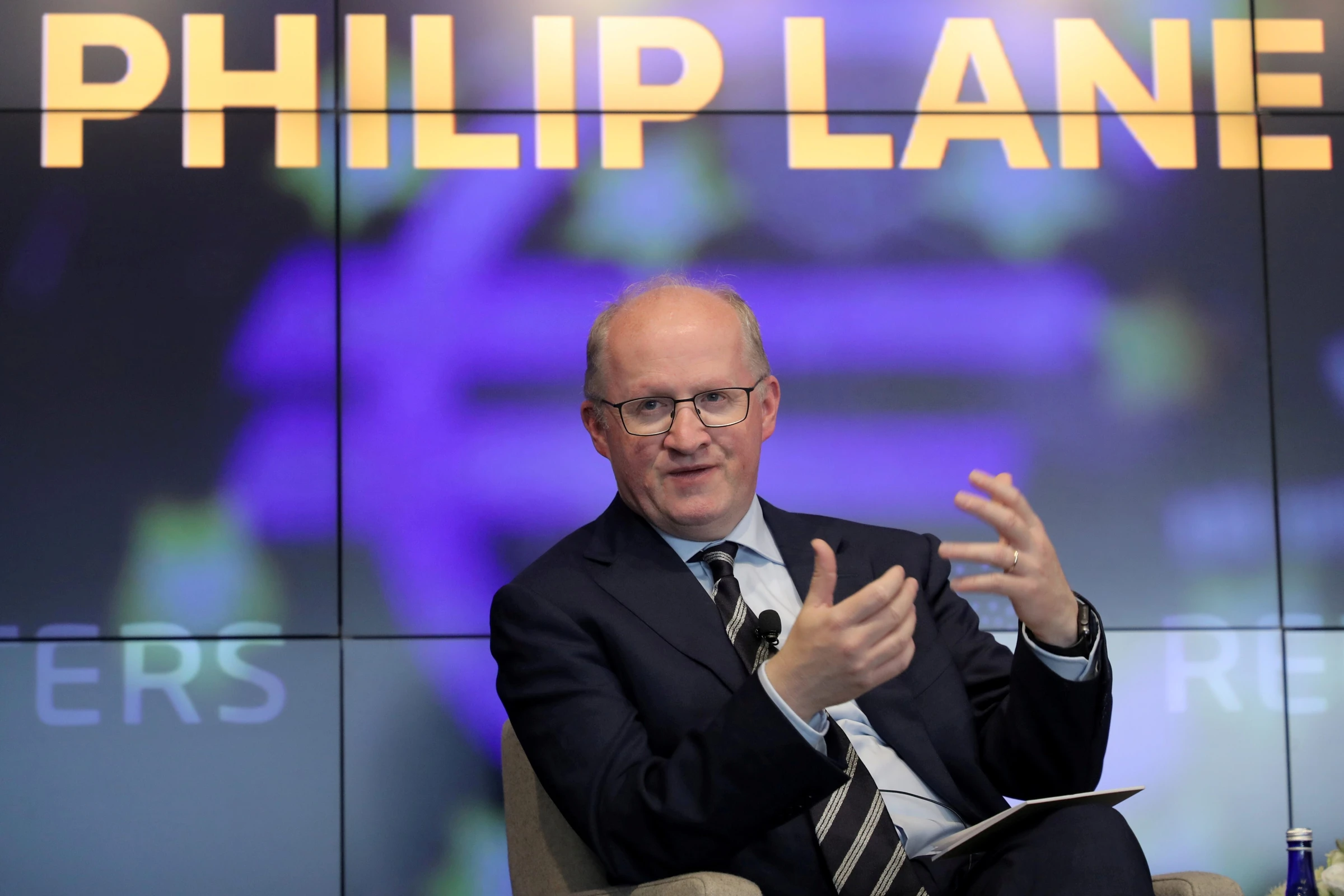
ECB Chief Economist Warns of Inflation Risks from Middle East Conflict
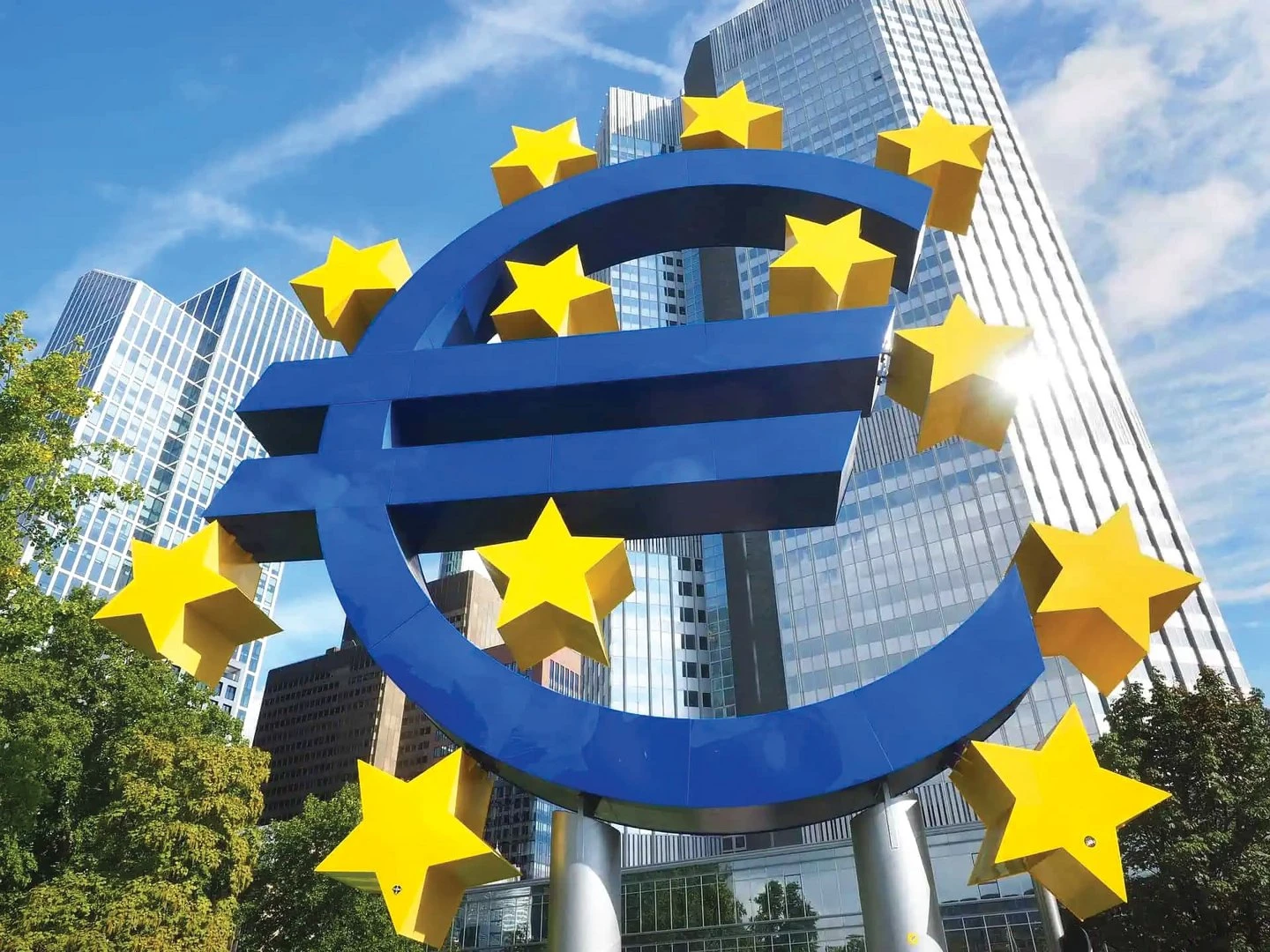
Philip Lane, the European Central Bank's chief economist, warned that the ongoing conflict in the Middle East could lead to a significant increase in inflation and a decline in economic growth in the eurozone. He noted that a rise in energy prices, which have already surged by over 10% due to the conflict, could exert upward pressure on inflation, potentially lifting it by 0.5 percentage points while reducing growth by 0.1 percentage points. The ECB is closely monitoring the situation, as current eurozone inflation stands at 1.7%, below the bank's 2% target.
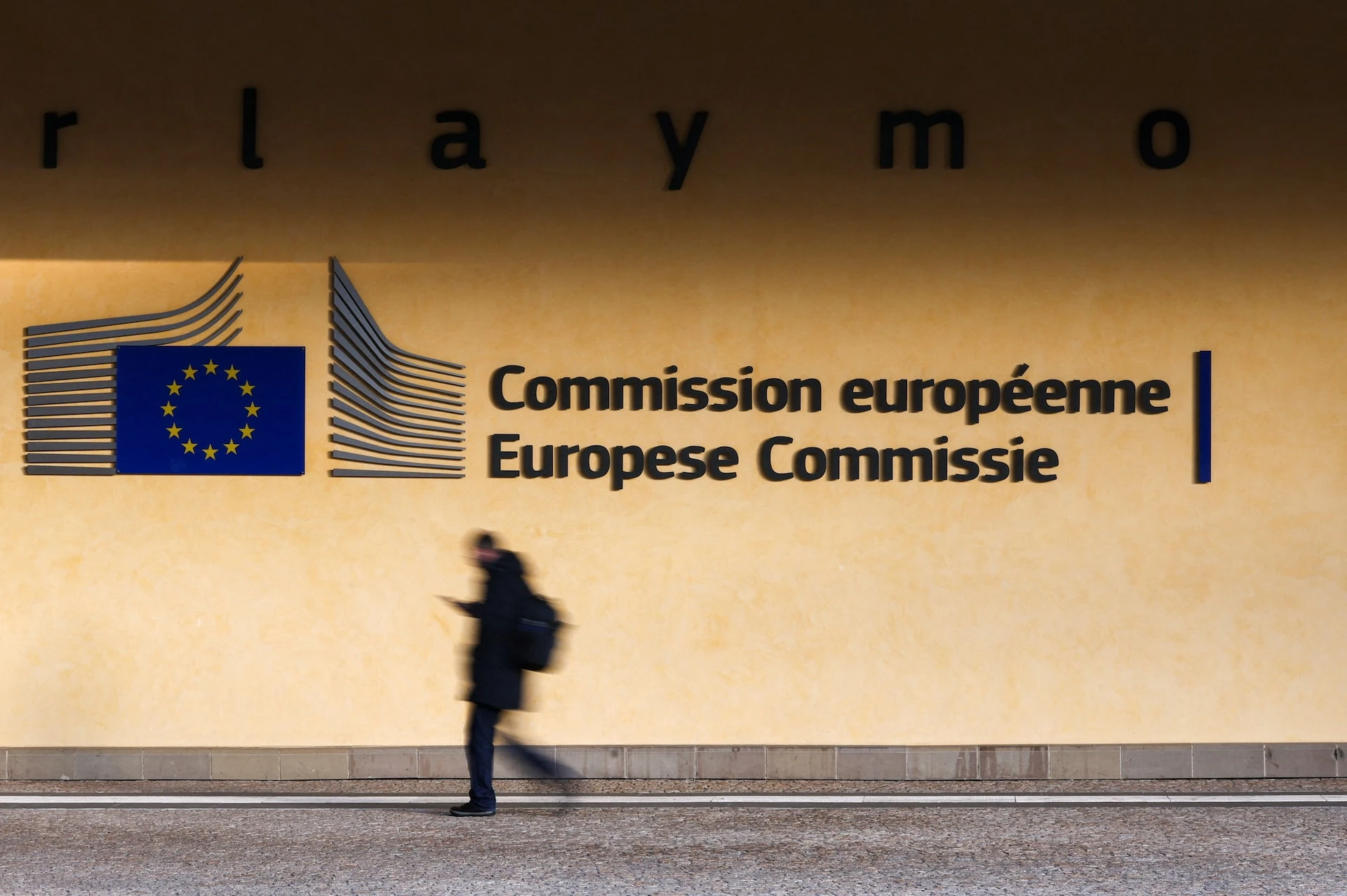
European Commission to Adopt Industrial Accelerator Act in 2026
The European Commission is set to adopt the Industrial Accelerator Act (IAA) on March 4, 2026, aimed at boosting local production of renewable energy technologies such as windmills and solar panels. Following extensive negotiations, the act will establish a 'Made in EU' preference for green public procurement while delaying a decision on including friendly third countries like the U.K. and Switzerland for six months. The legislation also proposes restrictions on inward investment from dominant players in strategic green industries, primarily targeting China.
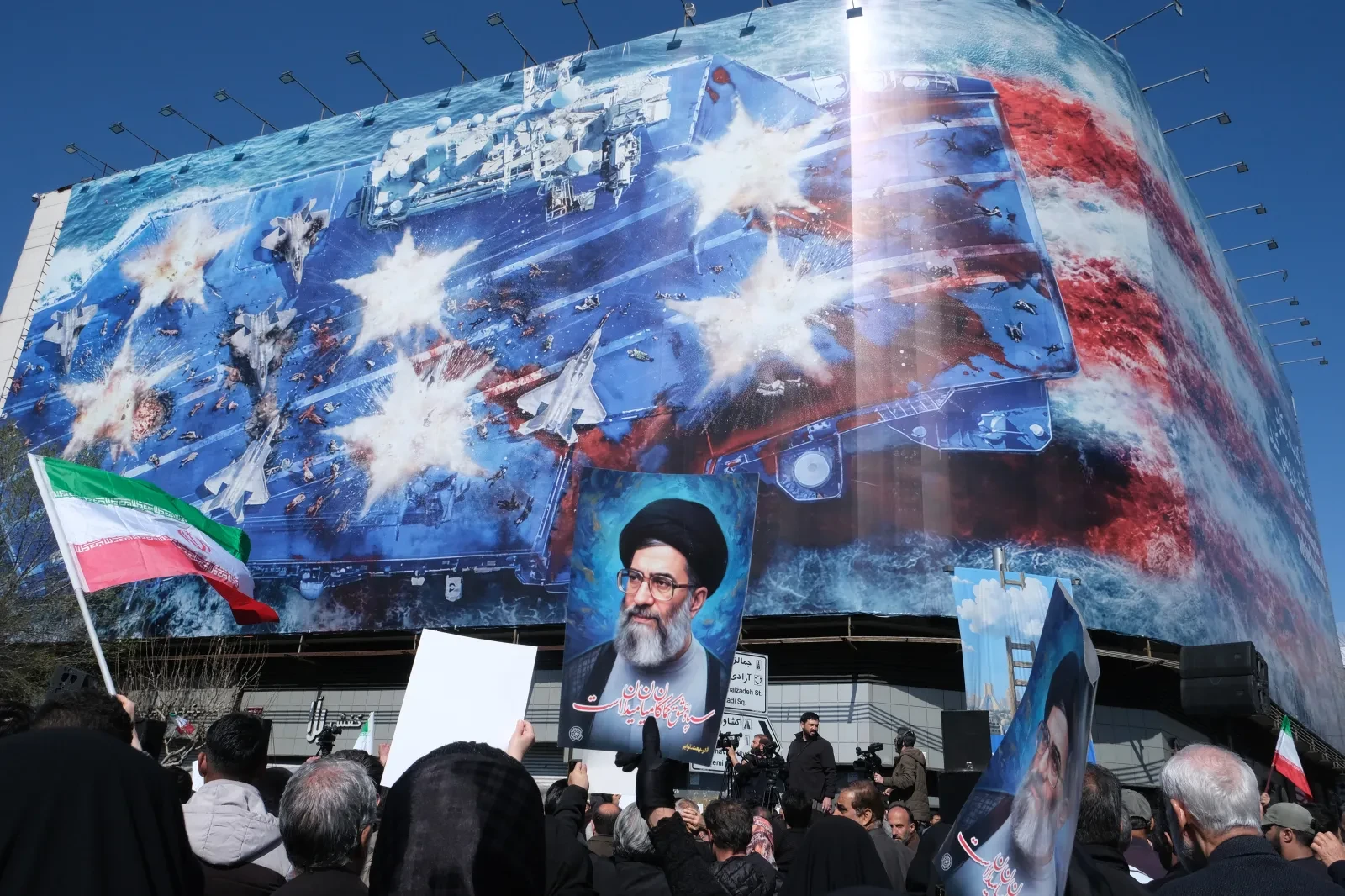
EU to Debate Mutual Defense Clause Amid Iran Tensions
The European Union is set to discuss its mutual defense clause in the coming days amid escalating tensions following the US-Israeli military strikes on Iran. European leaders, including those from France, Germany, and the UK, have expressed readiness for defensive action against Iran's missile capabilities, while also grappling with the implications of the conflict on energy prices and the safety of their citizens in the region. As gas prices soar to levels not seen since the onset of the Ukraine conflict, the EU's response has been marked by a lack of unity and clarity.
Eurozone inflation rises to 1.9% amid energy concerns
Eurozone inflation rose to 1.9% in February, up from 1.7% in January, driven by surging energy prices linked to the ongoing conflict in Iran, which has raised concerns for the European Central Bank regarding inflation risks. The increase comes as analysts warn that Europe may enter next winter with dangerously low gas reserves due to the shutdown of Qatar's LNG plants and the closure of the Strait of Hormuz, potentially impacting energy prices further.
Macron Updates France's Nuclear Strategy Amid Security Concerns
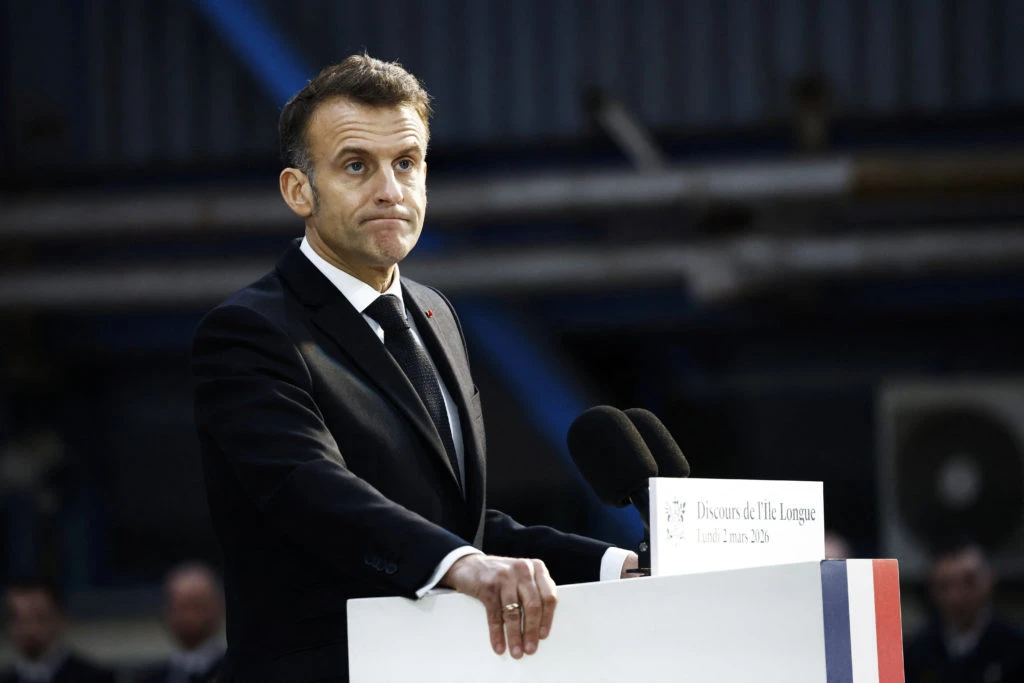
French President Emmanuel Macron announced a significant update to France's nuclear strategy, allowing for the temporary deployment of nuclear-armed aircraft to allied countries while maintaining sole decision-making authority over their use. In a speech at the Ile Longue submarine base, he also revealed plans to increase France's nuclear warheads for the first time since the early 1990s, although he did not specify the number. This initiative aims to enhance European security amid growing concerns about U.S. commitments to NATO, with discussions already underway with several European nations regarding collaboration on nuclear deterrence.