EU Leaders to Address Energy Price Crisis in Brussels
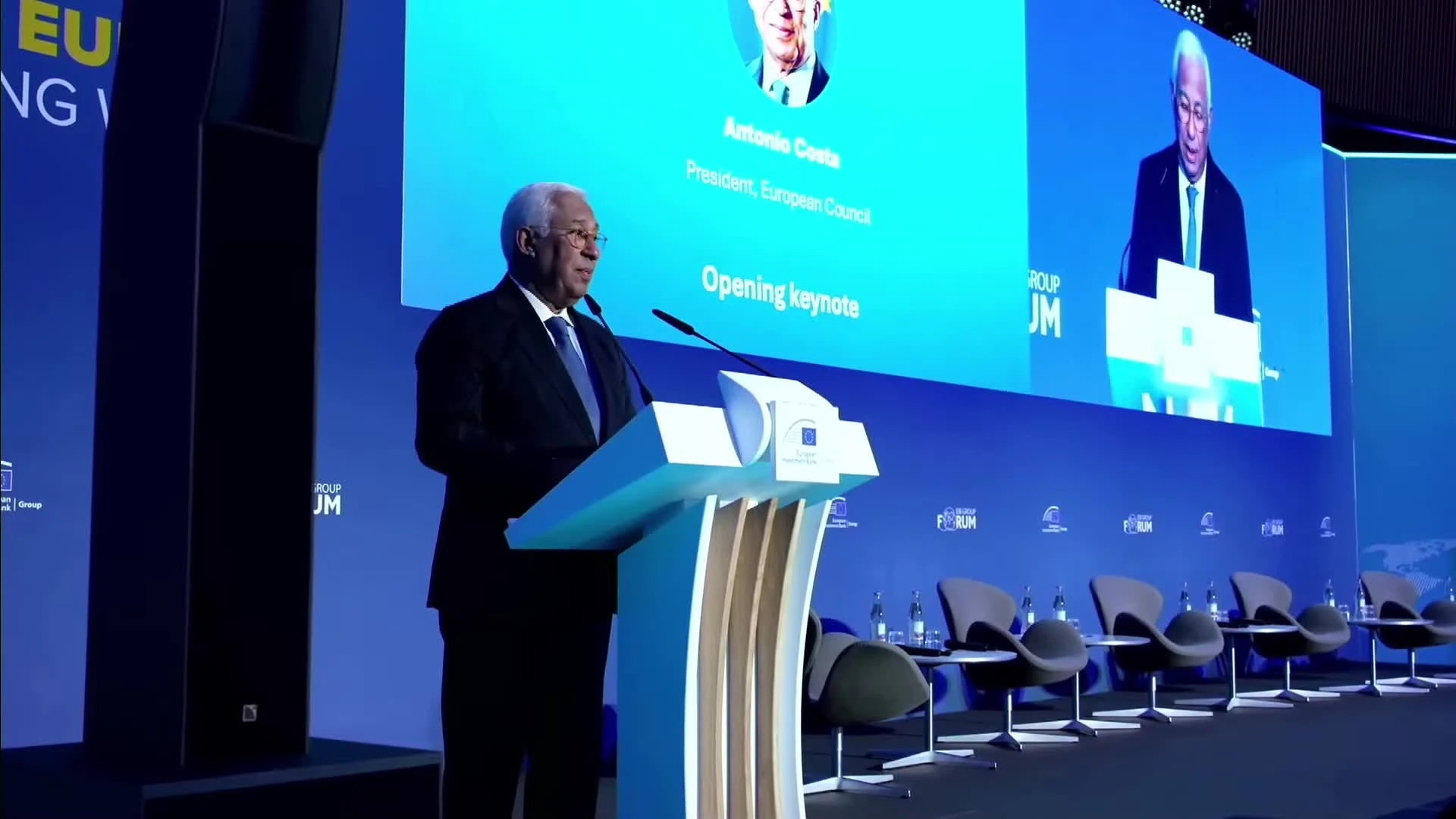
European leaders, led by European Council president António Costa, are set to discuss an urgent EU energy price plan during a meeting in Brussels on March 19-20, 2026, in response to soaring energy prices linked to the ongoing conflict in Iran. European gas prices have surged over 50%, while oil prices have nearly doubled, prompting calls for immediate action to mitigate the impact on consumers and industry. Additionally, Brussels has introduced a €75 billion fund to support clean energy initiatives as part of a broader strategy to address the escalating energy crisis.
Von der Leyen calls nuclear phase-out a strategic mistake
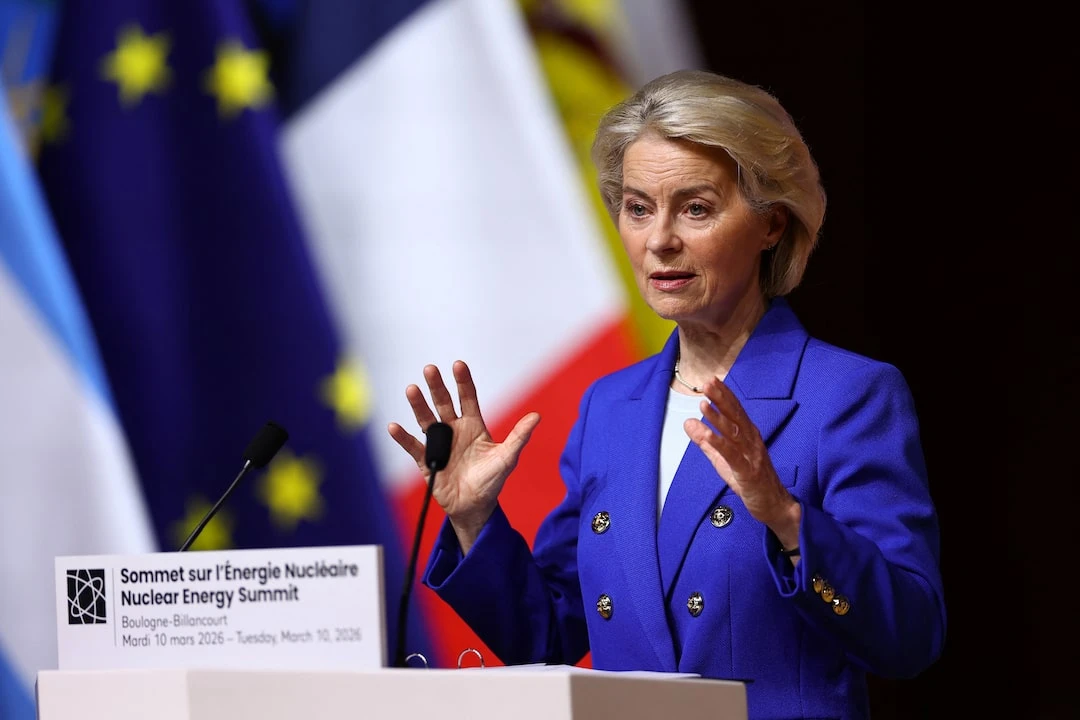
Ursula von der Leyen, the European Commission president, stated that Europe's decision to phase out nuclear power was a 'strategic mistake' during a nuclear summit in France. She highlighted that this reduction has increased dependence on fossil fuels and vulnerability to energy crises, particularly in the context of the ongoing Iran war. Von der Leyen called for a reevaluation of the EU's energy strategy, advocating for investment in nuclear technology and the harmonization of nuclear regulations to enhance energy independence.
France Investigates Foreign Interference in Mayoral Elections
France's VIGINUM agency is investigating potential foreign interference in the upcoming mayoral elections in Marseille and Toulouse, where candidates Sebastien Delogu and Francois Piquemal from the hard-left La France Insoumise (LFI) party have been targeted by disinformation campaigns. The agency reported the detection of inauthentic websites and social media accounts linked to foreign entities, while Marseille prosecutors have launched a defamation probe following a complaint from Delogu regarding a blog that accused him of personal misconduct. Investigations into the origins of these campaigns are ongoing.
Germany's January Exports Decline Amid Weak Trade Trends
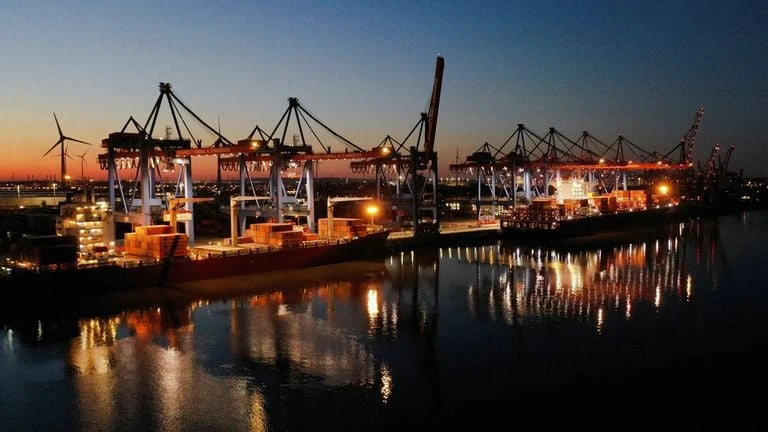
Germany's exports fell by 2.5% in January compared to December, continuing a weak trend from late 2025, as industrial orders and output declined. The trade balance showed a surplus of 21.2 billion euros, with exports valued at 130.5 billion euros and imports at 109.2 billion euros. Notably, exports to the EU decreased by 4.8%, while exports to non-EU countries rose by 1.0%, with the United States remaining the top destination for German goods.