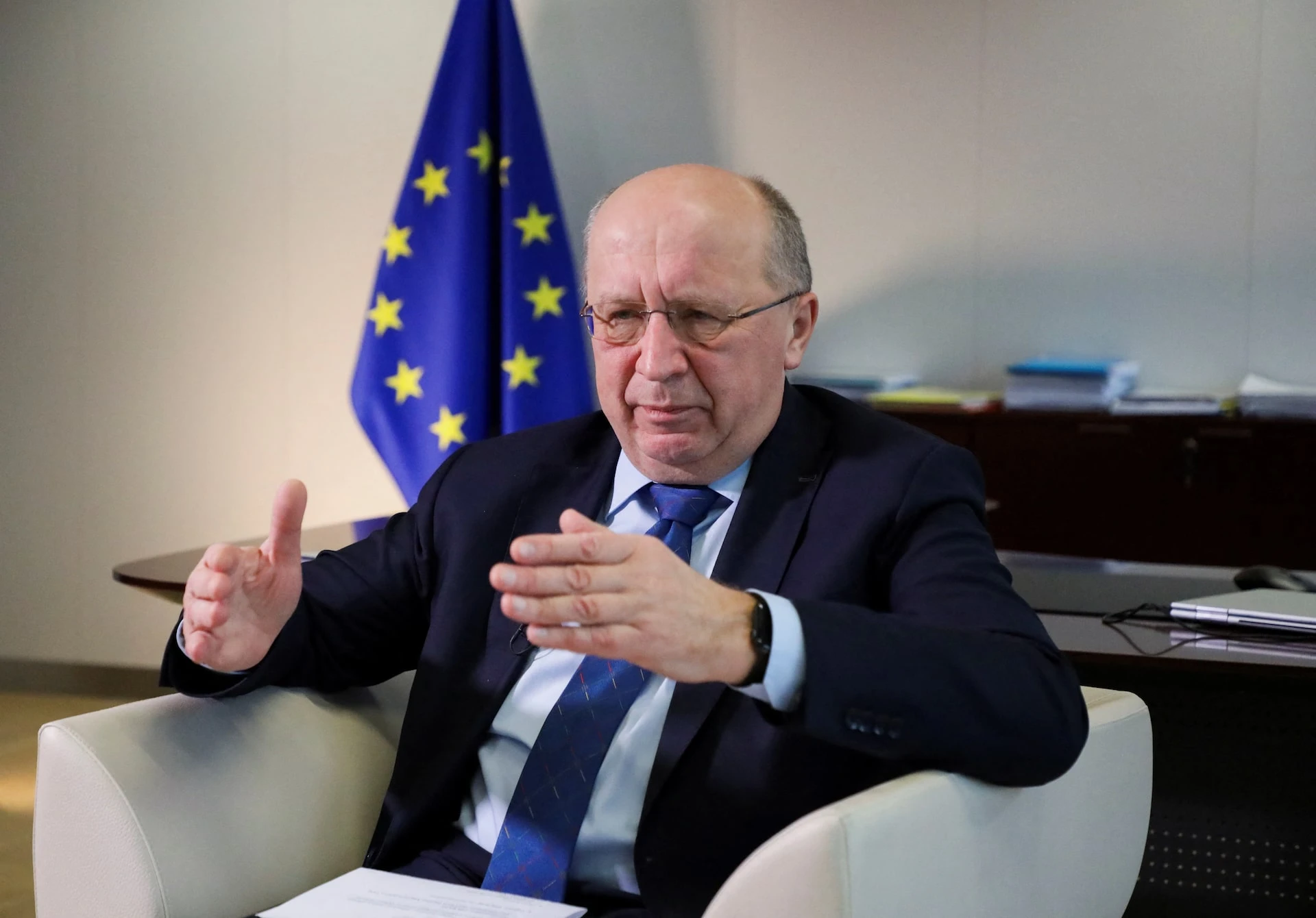
Belgium's Prime Minister Advocates EU-Russia Negotiations
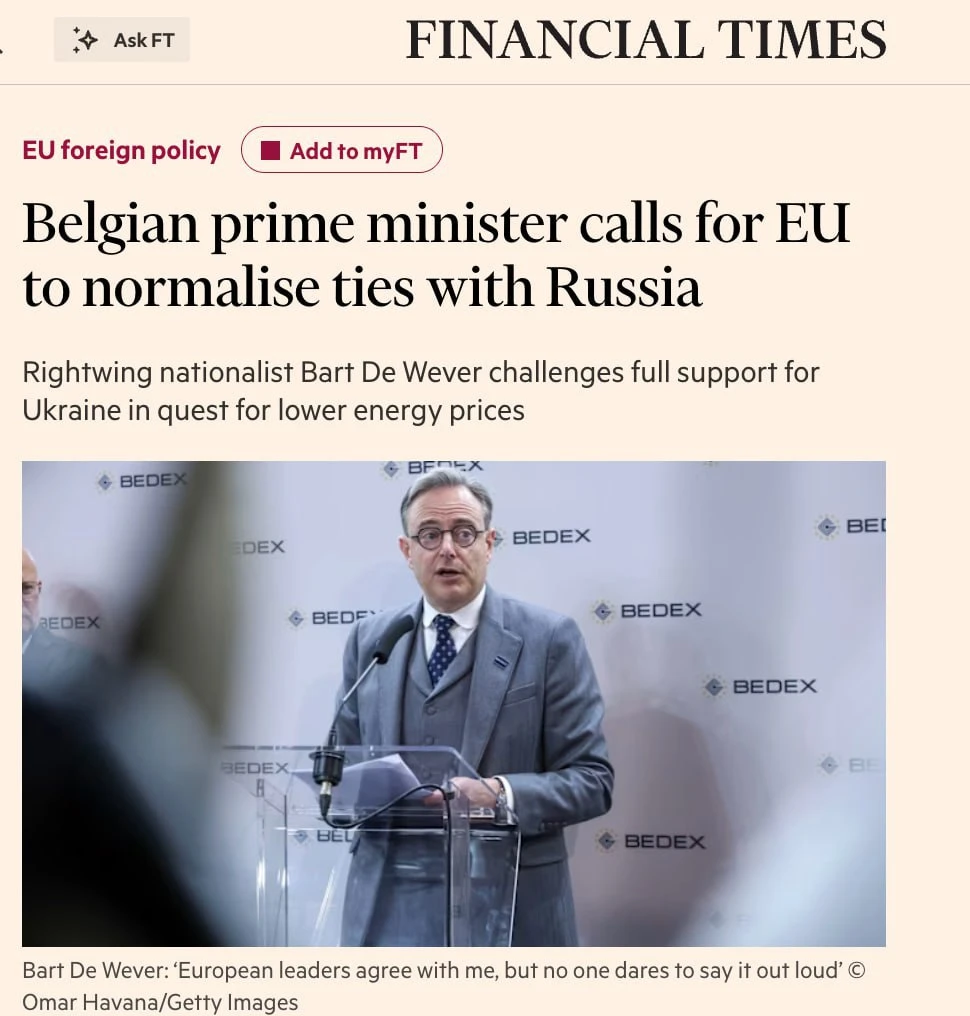
Belgium's Prime Minister Bart De Wever has called for the European Union to negotiate with Russia to normalize relations and regain access to affordable energy, citing the failure to deter Moscow's actions in Ukraine. His remarks have sparked backlash from opposition parties and raised concerns within his coalition government, which has struggled with internal disagreements since its formation. De Wever's comments come amid a nationwide poll indicating his popularity is at a record high, suggesting a strategic move to leverage public support for a controversial stance.
EU Energy Commissioner Rules Out Future Russian Imports
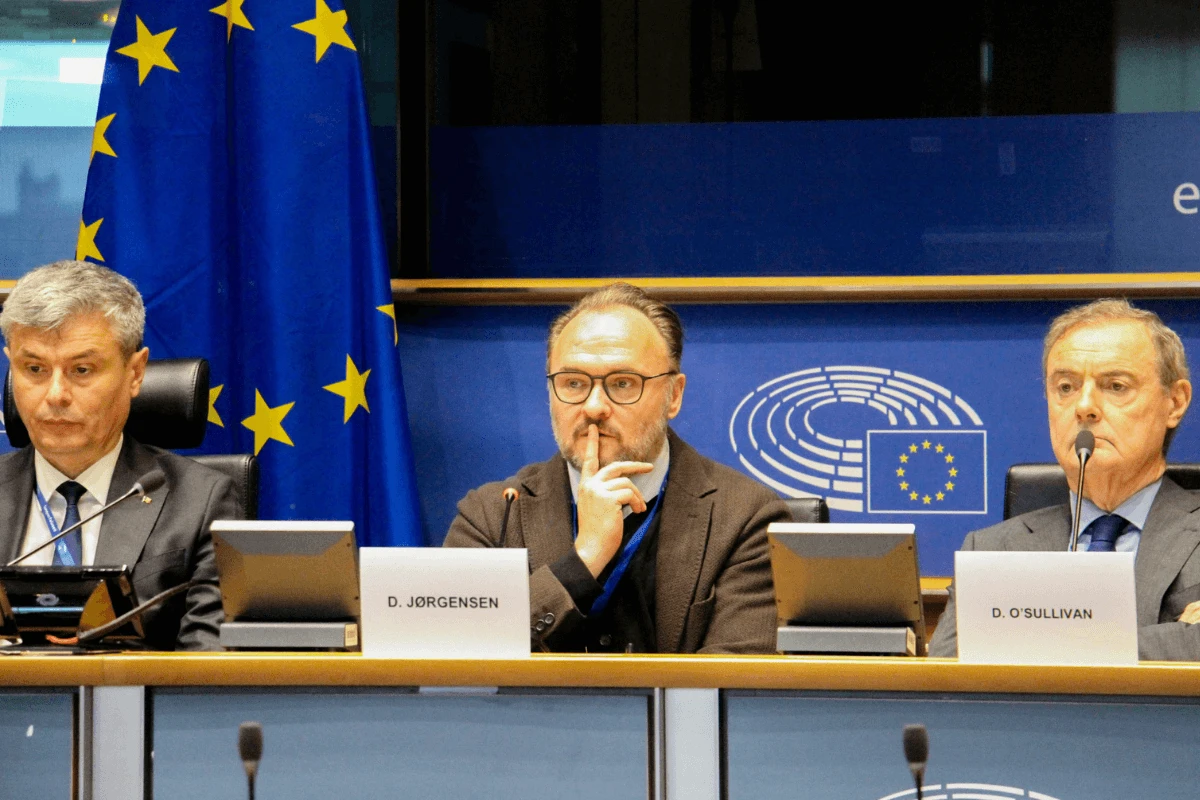
Dan Jørgensen, the EU energy commissioner, stated that the bloc will "not import one molecule" of energy from Russia in the future, rejecting Belgian Prime Minister Bart De Wever's suggestion to negotiate with Moscow for access to cheap energy. Jørgensen emphasized the importance of adhering to the EU's ban on Russian energy imports, which is set to take effect by the end of 2027, and criticized the notion of normalizing relations with Russia amid ongoing conflicts. His remarks come as Hungary and Slovakia block a €90 billion European loan for Ukraine, citing the disruption of oil supplies through the Druzhba pipeline.
Nordic Iberian Leaders Support EU Carbon Pricing System
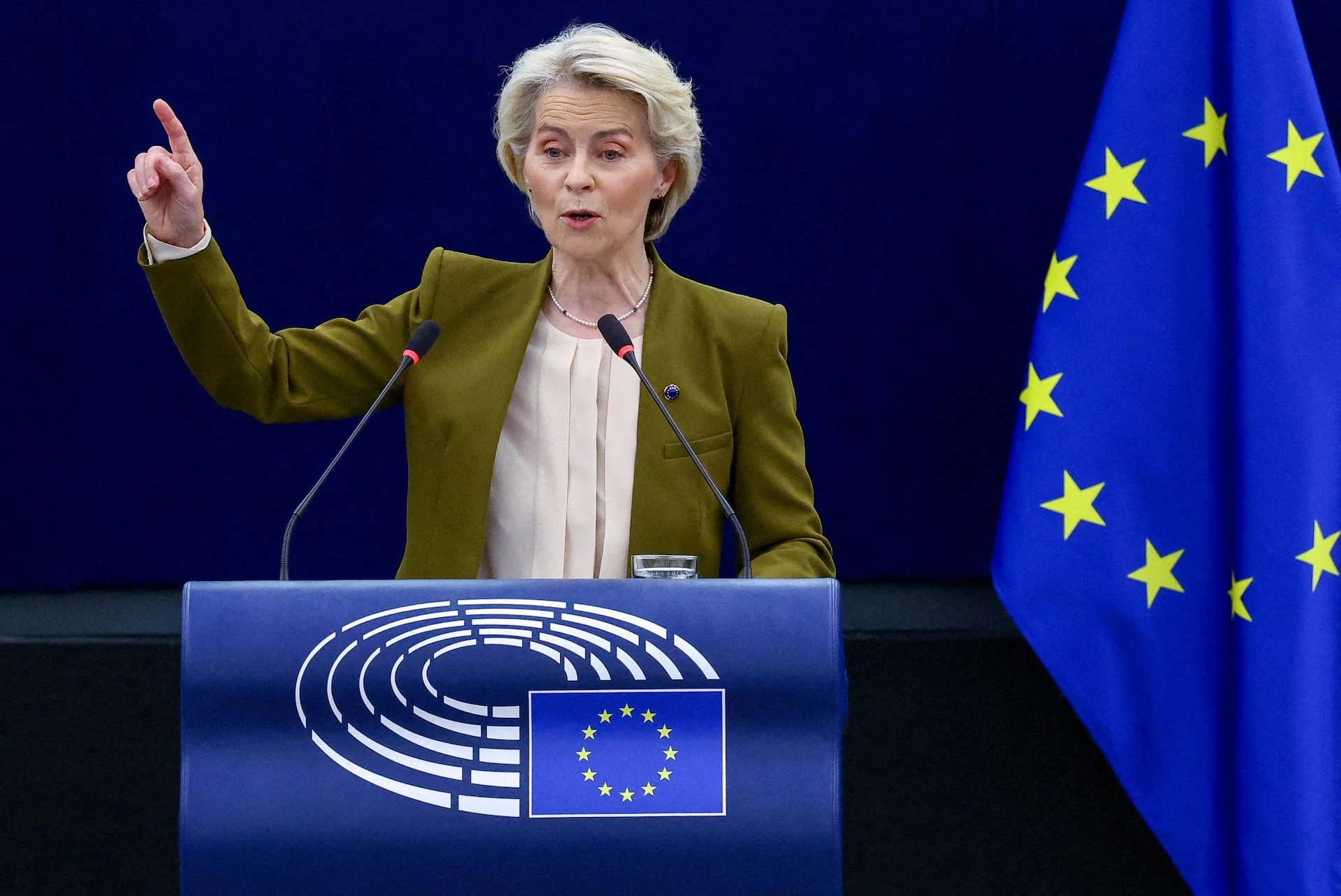
Nordic and Iberian leaders defended the EU's carbon pricing system ahead of a summit, amid concerns that some member states may seek to weaken the Emissions Trading System (ETS). European Commission President Ursula von der Leyen indicated a potential renegotiation of the ETS to establish a more realistic decarbonisation trajectory, while eight countries, including Sweden and Spain, opposed significant reforms, warning against undermining a key element of the EU's climate policy.
Consumer Groups Accuse Meta of EU Regulation Violations
Consumer groups, led by the European umbrella organization BEUC, have accused Meta of continuing to violate EU tech regulations with its 'pay or consent' advertising model, which they claim breaches the Digital Markets Act (DMA). Despite a €200 million fine imposed by the European Commission in April 2025 for similar violations, BEUC's latest report asserts that Meta's revised consent options still fail to meet the legal standards for informed consent, as they present the choices in a misleading manner and do not adequately highlight the option for less personalized ads.
European Commission Proposes New Support for Defence Industry
The European Commission, led by Defence Commissioner Andrius Kubilius, is exploring new policy instruments to support the European defence industry, including the establishment of a stockpile of ammunition. This initiative aims to address the industry's need for greater predictability from national governments amid a surge in production, as many manufacturers have increased output without concrete commitments from EU capitals. The Commission's proposal follows its previous efforts to incentivize defence ramp-up through funding programs, such as the €150 billion Security Action for Europe (SAFE) loan instrument.