ECB Maintains Interest Rates Amid Economic Uncertainty
The European Central Bank (ECB) held its key interest rates at 2% for the third consecutive meeting, citing intensified risks to the eurozone's growth and inflation outlook due to the ongoing conflict in the Middle East. In its statement, the ECB acknowledged that inflation had risen to 3% in April, significantly above its 2% target, driven by surging energy prices, while GDP growth slowed to 0.8% year-on-year in the first quarter of 2026. ECB President Christine Lagarde indicated that the bank would continue to monitor the situation closely, emphasizing the uncertainty surrounding the economic impact of the conflict.
Eurozone inflation rises to 3 percent amid sluggish growth
Inflation in the Eurozone rose to 3% in April, up from 2.6% in March, as the economy recorded a sluggish growth of just 0.1% in the first quarter of 2026, raising concerns of stagflation amid ongoing pressures from the Iran war. Energy prices surged by 10.9% compared to 5.1% the previous month, prompting the European Central Bank to consider its next monetary policy move, although it is expected to maintain the benchmark interest rate at 2% as it assesses the impact of rising inflation.
EU Increases Free CO2 Permits Amid Industry Pressure
The European Commission has decided to increase the allocation of free CO2 permits to polluting industries, responding to pressure from Berlin and Rome. This adjustment comes as part of a revision to the EU's Emissions Trading System, which will now link free permits to both direct and indirect emissions, resulting in an additional €4 billion in free allocations. A new draft benchmark is expected to be presented for adoption in June.
Viktor Orbán Faces Uncertain Future After Election Loss
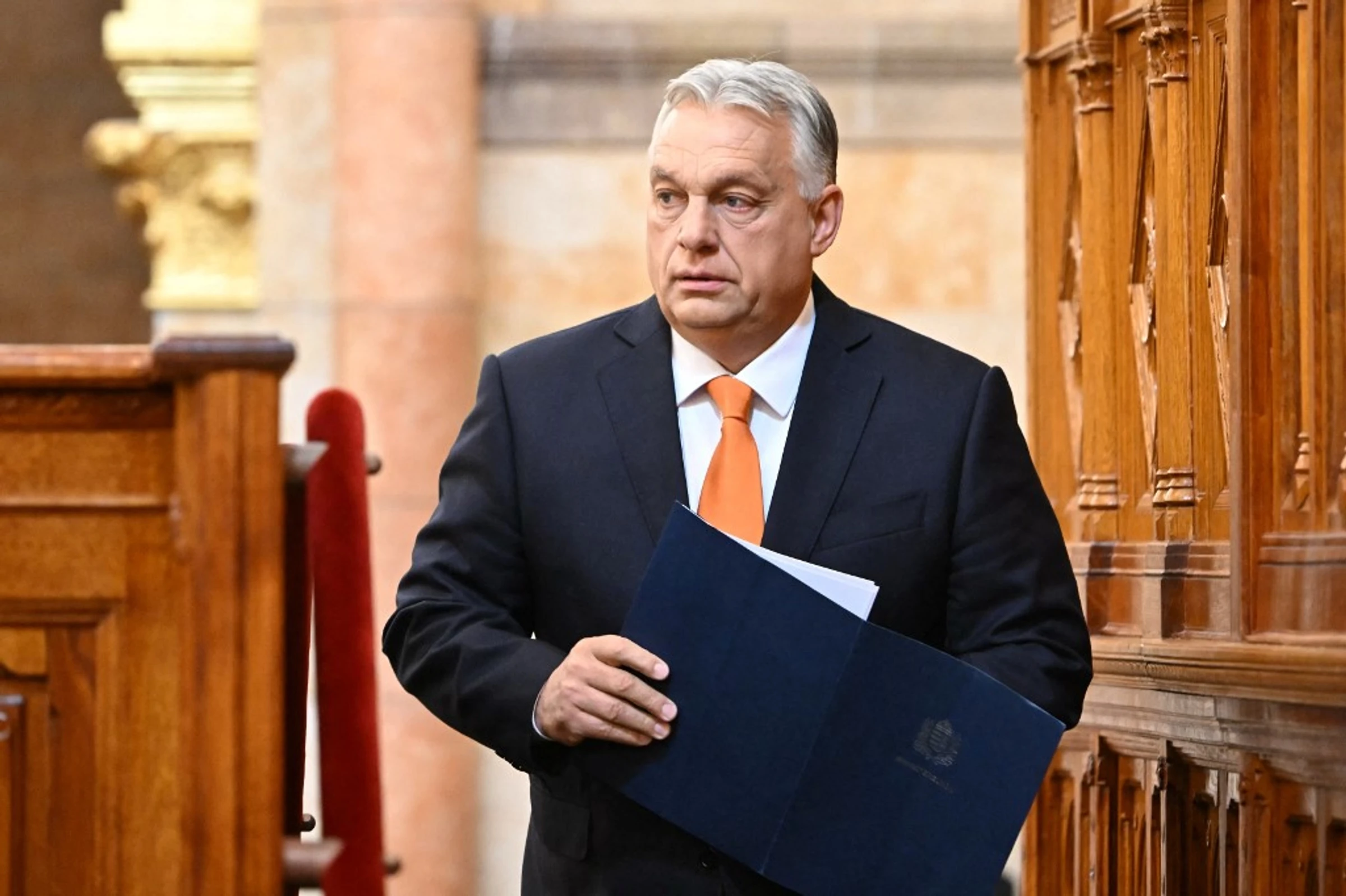
Viktor Orbán, Hungary's outgoing Prime Minister and Fidesz party chairman, faces a precarious political future following a significant defeat in the April 12 elections to Péter Magyar and his Tisza party. With Fidesz's leadership in limbo and Orbán announcing he will not take his parliamentary mandate, analysts suggest this could signal the decline of a political movement that has dominated Hungary for over three decades. A party congress in mid-June will determine the next steps for Fidesz and its leadership.
Belgium to Nationalize Nuclear Reactors for Energy Security
Belgium's government, led by Prime Minister Bart De Wever, is planning a full takeover of its nuclear reactors from French power giant Engie to enhance energy security and reduce reliance on fossil fuel imports. This decision involves suspending previous plans to decommission the country's seven nuclear reactors, only two of which are currently operational, and aims to extend their operational licenses until 2035. The government and Engie expect to finalize the acquisition agreement by October 1.