EU Divided Over Surge in Russian Schengen Visas
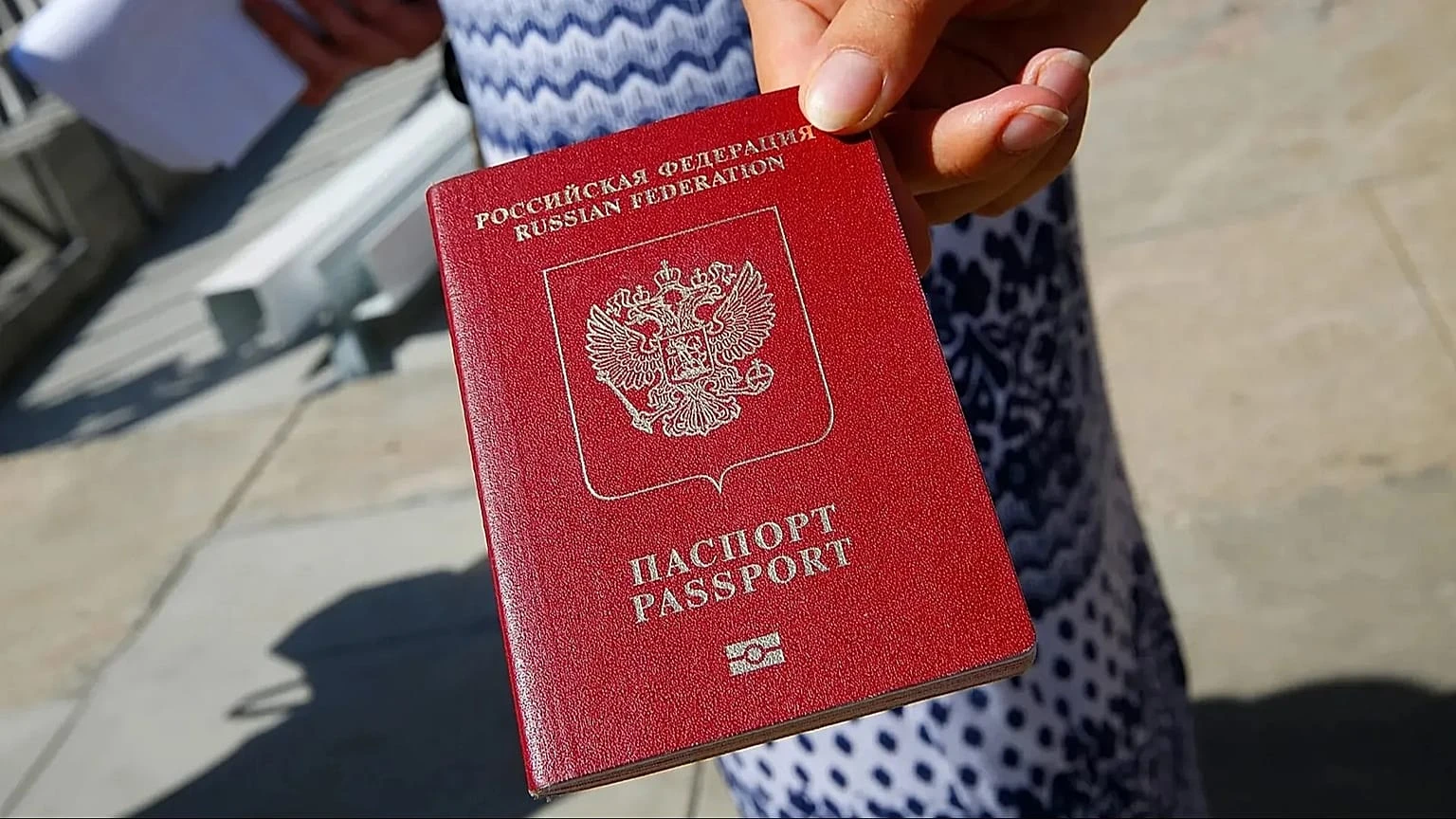
EU countries are experiencing divisions over the rising number of Schengen visas issued to Russian nationals, which increased by 10.2% in 2025 to over 620,000. France, Italy, and Spain accounted for nearly three-quarters of these applications, with France alone seeing a 23% rise compared to the previous year. This trend has sparked tensions among EU diplomats, as it contrasts with the bloc's sanctions against Russia following the war in Ukraine.
Romania's Pro-European Government Falls After Confidence Vote
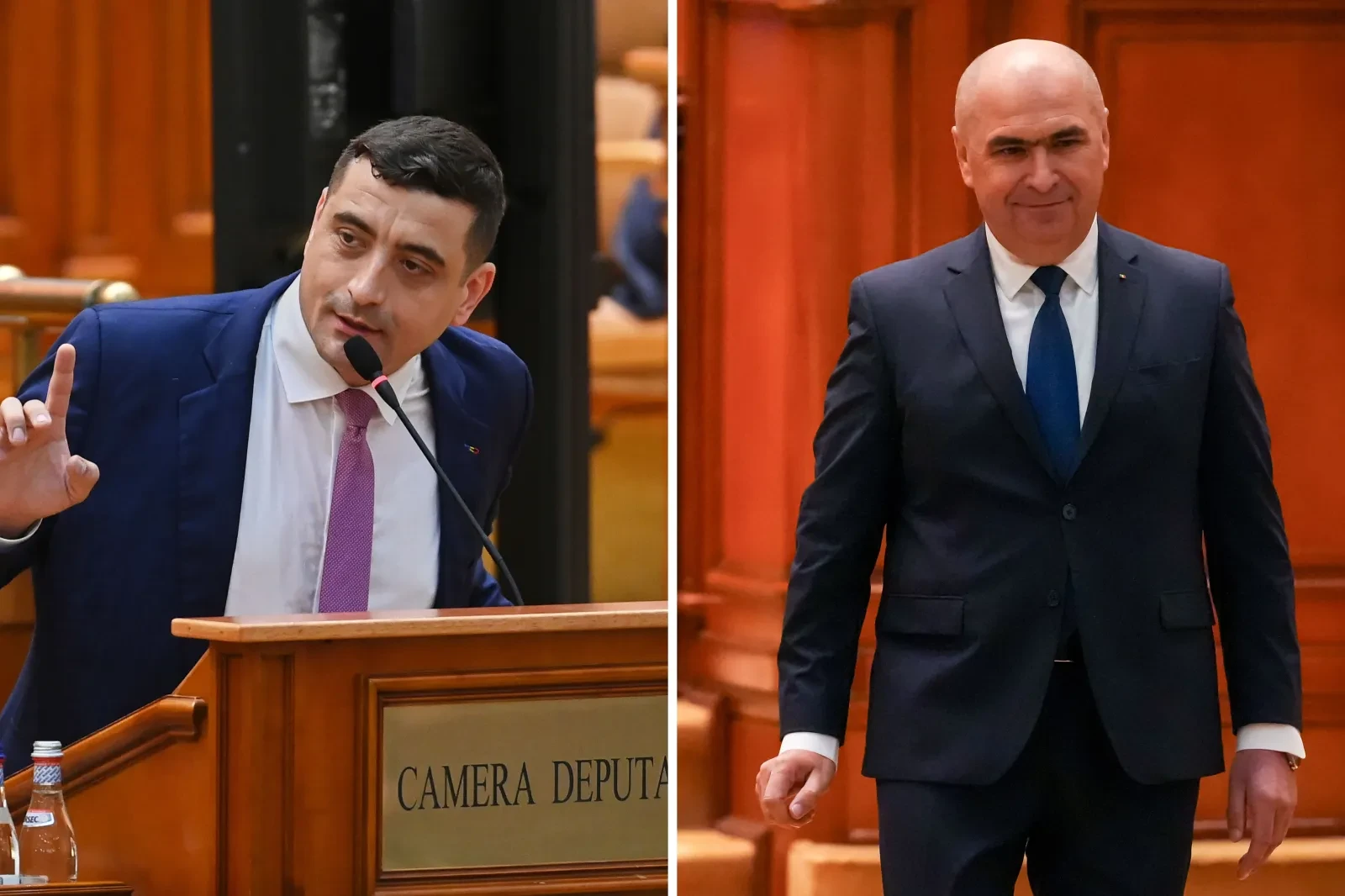
Romania's pro-European government, led by Prime Minister Ilie Bolojan, collapsed after losing a confidence vote, with 281 votes in favor of the motion from the Social Democrats (PSD) and the far-right Alliance for the Union of Romanians (AUR) in the 464-seat parliament. The AUR, now the most popular party with approximately 37% support, has called for early elections, although such a ballot is unlikely before 2028. President Nicușor Dan is expected to initiate negotiations to form a new pro-Western government, potentially involving a different leader from Bolojan's National Liberal Party (PNL) or a technocrat.
EU Agrees to Delay AI Regulations for Machinery Sector
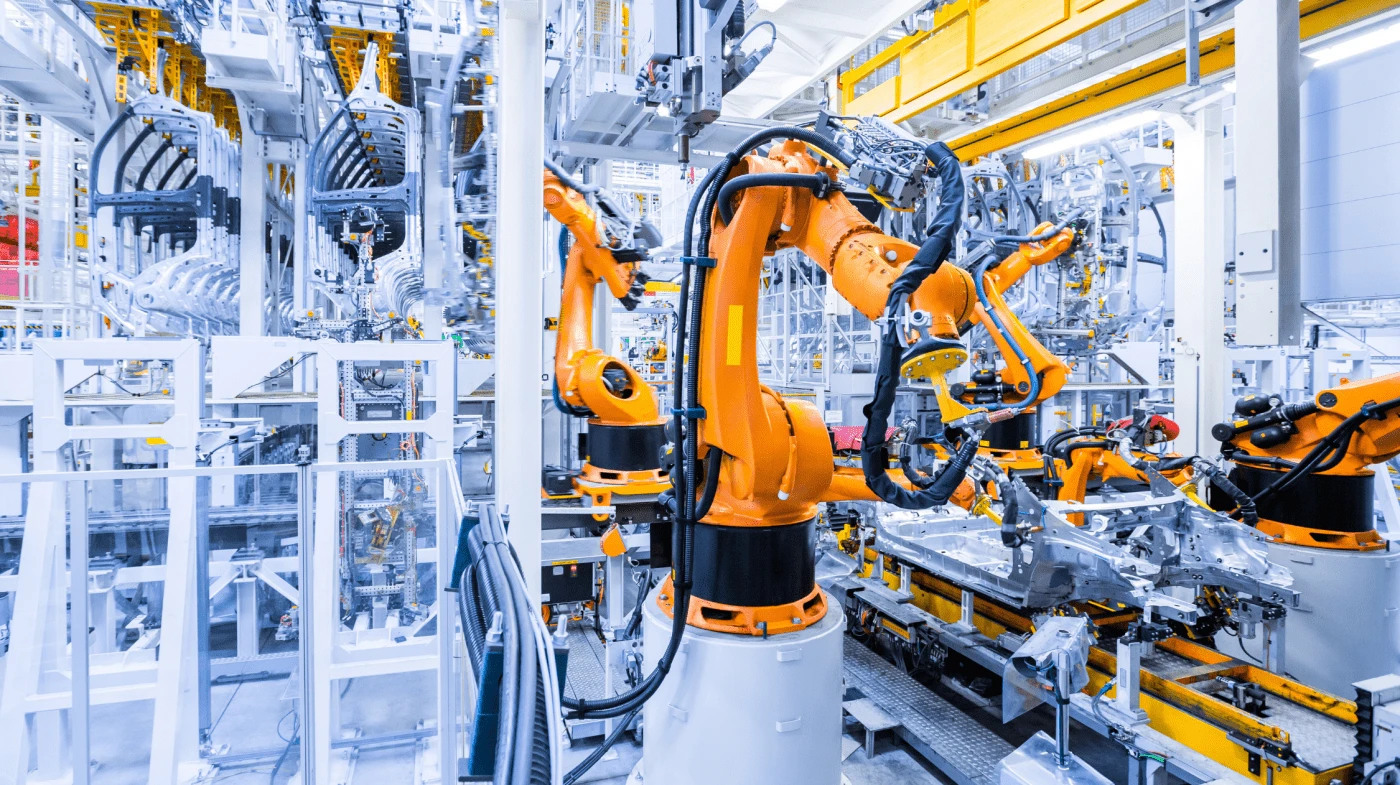
EU member states, led by Germany, reached a preliminary agreement to roll back artificial intelligence regulations specifically for the machinery sector, exempting it from the broader AI Act. This decision, supported by over a dozen ambassadors, delays the implementation of high-risk AI rules until December 2027 and introduces additional safeguards to ensure compliance with existing machinery regulations. The agreement reflects growing pressure from businesses and external competitors, particularly from the U.S.
SNP leader predicts nationalist gains in May elections
Stephen Flynn, Westminster leader of the Scottish National Party, expressed confidence ahead of the May 7 elections, predicting significant gains for nationalist parties in Scotland and Wales, while Sinn Fein is already leading in Northern Ireland. The potential outcomes raise concerns about the future unity of the United Kingdom.
France Advances National Resilience Plan for Rare Earths
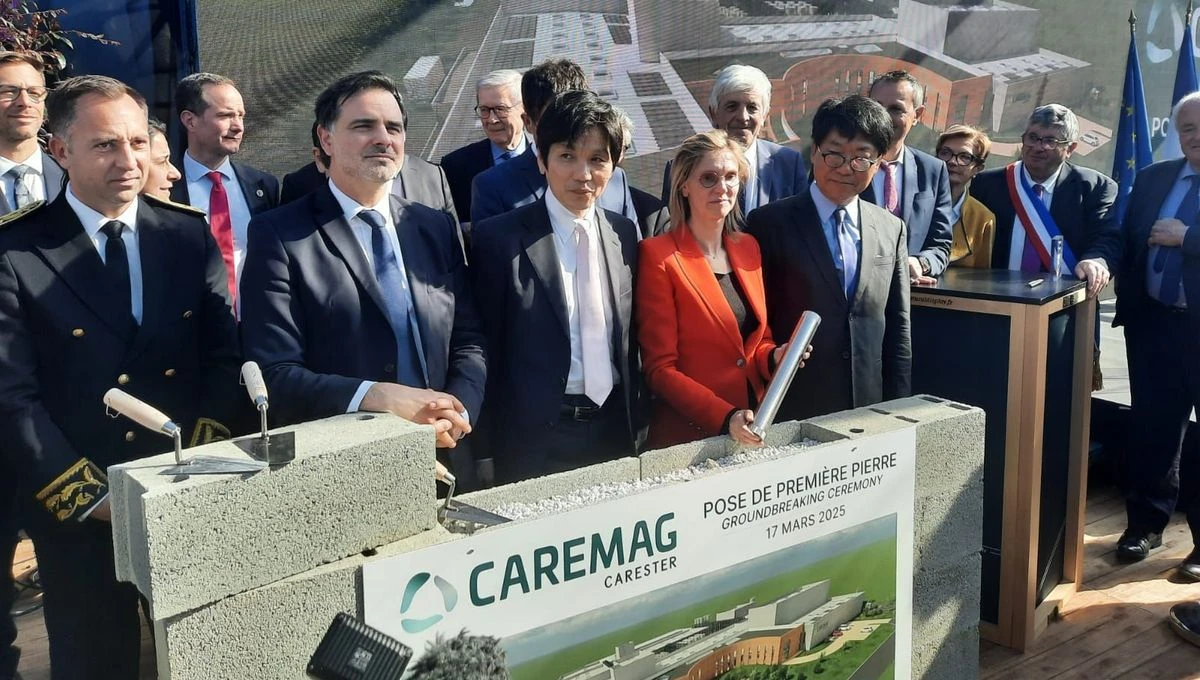
France is advancing its National Resilience Plan for rare earths and permanent magnets, as outlined by Economy Minister Roland Lescure and Minister Delegate for Industry Sebastien Martin. The plan aims to reduce reliance on China, which currently controls over 85% of global rare earth separation capacity, by establishing domestic production capabilities that could meet 10% of global heavy rare earth demand and 25% of European light rare earth needs by 2030. Key projects include CAREMAG in Lacq, which is set to produce over 500 tons of dysprosium and other rare earth materials annually, supported by a €110 million investment from Japanese partners.