University Researchers Unveil OpenScholar AI Model
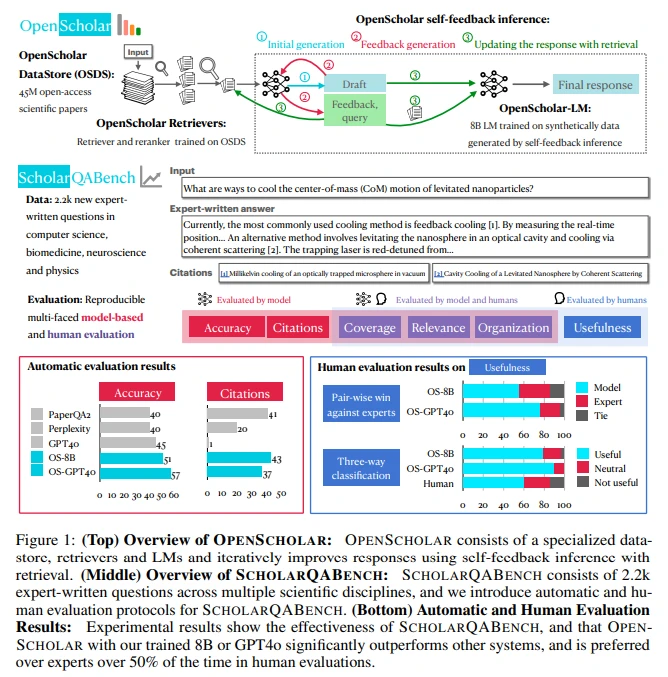
Researchers at the University of Washington and The Allen Institute for AI have developed OpenScholar, an open-source AI model designed to synthesize current scientific research. In tests, OpenScholar cited sources as accurately as human experts and was preferred by 16 scientists over responses from subject experts 51% of the time. The model, which utilizes a database of 45 million scientific papers and employs retrieval-augmented generation, outperformed existing AI systems, including OpenAI's GPT-4o, in a benchmark evaluation.
NASA delays Artemis II mission to March 2024
NASA has delayed the Artemis II mission, which aims to send four astronauts on a flyby around the moon, after detecting hydrogen leaks during a critical test of its Space Launch System rocket. The launch, initially planned for February, is now targeted for March, with potential dates from March 6 to March 11. The crew includes commander Reid Wiseman, pilot Victor Glover, and mission specialists Christina Koch and Jeremy Hansen, marking the first time a Canadian astronaut will travel to the moon.
Menstrual Blood Shows Promise for HPV Testing
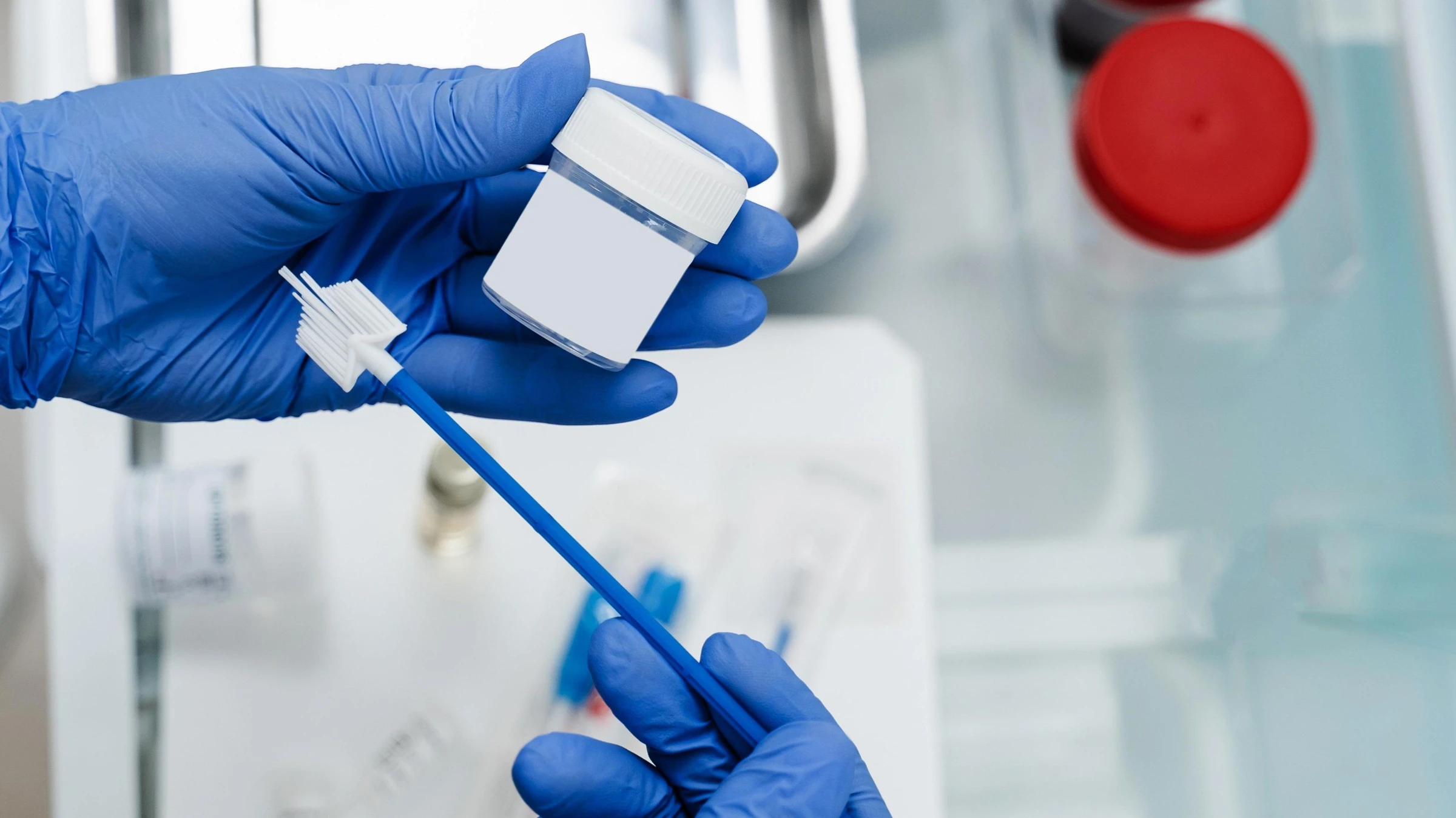
Researchers in China have demonstrated that menstrual blood can be an effective medium for human papillomavirus (HPV) testing, potentially offering a less invasive alternative to traditional cervical screening methods. In a study involving 3,068 women aged 20 to 54, the sensitivity of HPV detection using menstrual blood collected via a minipad was found to be 94.7%, comparable to the 92.1% sensitivity of clinician-collected samples. The findings suggest that this method could improve access to cervical cancer screening, particularly for women facing barriers to traditional clinical appointments.
Oral Bacteria Linked to Cancer Development in Mice
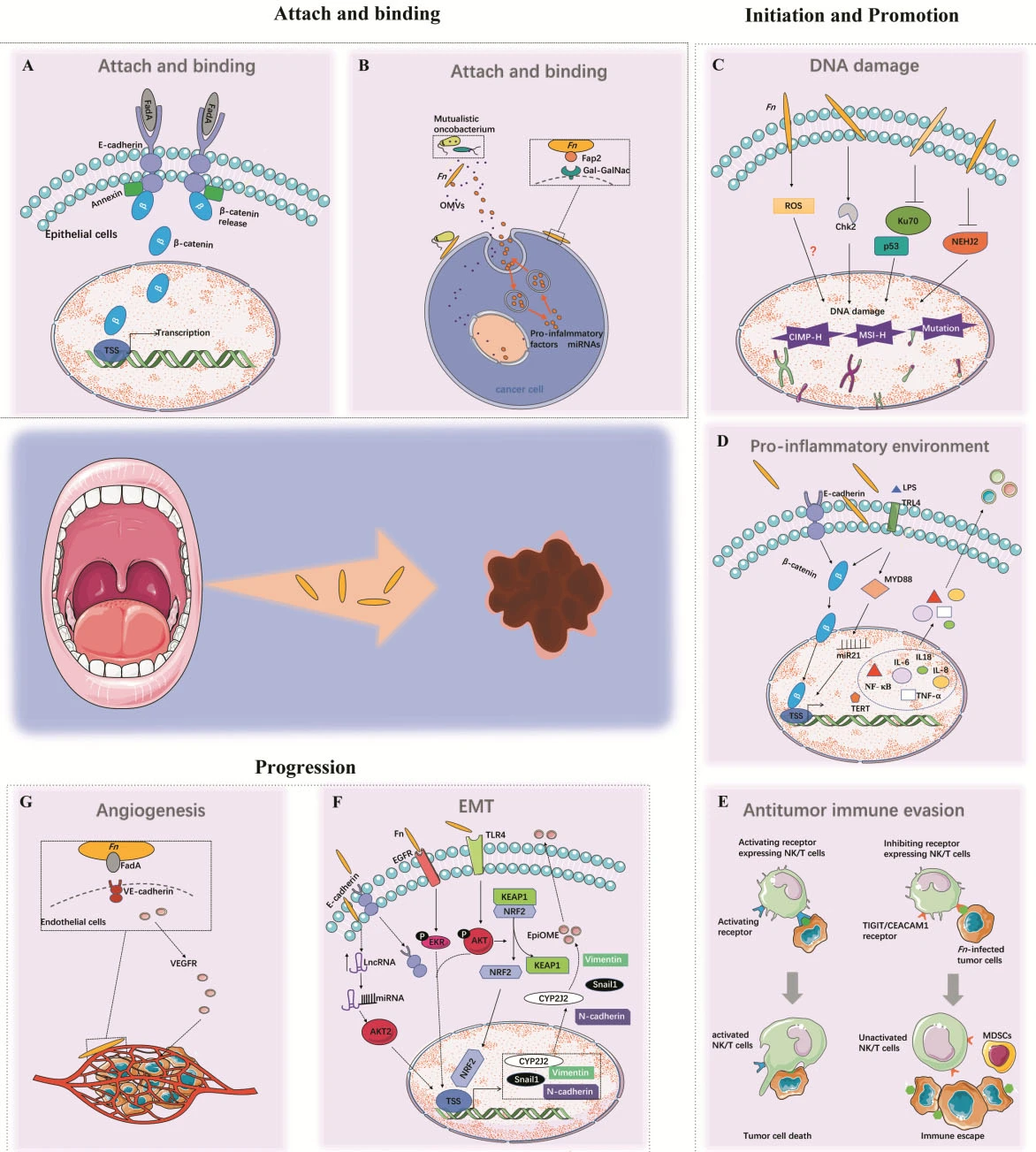
Research has found that the oral bacteria Fusobacterium nucleatum can enter the bloodstream and migrate to mammary tissue in mice, potentially causing damage to healthy cells and promoting cancer growth. This discovery highlights a possible link between oral health and cancer development, suggesting that bacteria associated with gum disease may play a role in tumorigenesis.