COVID-19 lockdowns linked to rising methane emissions
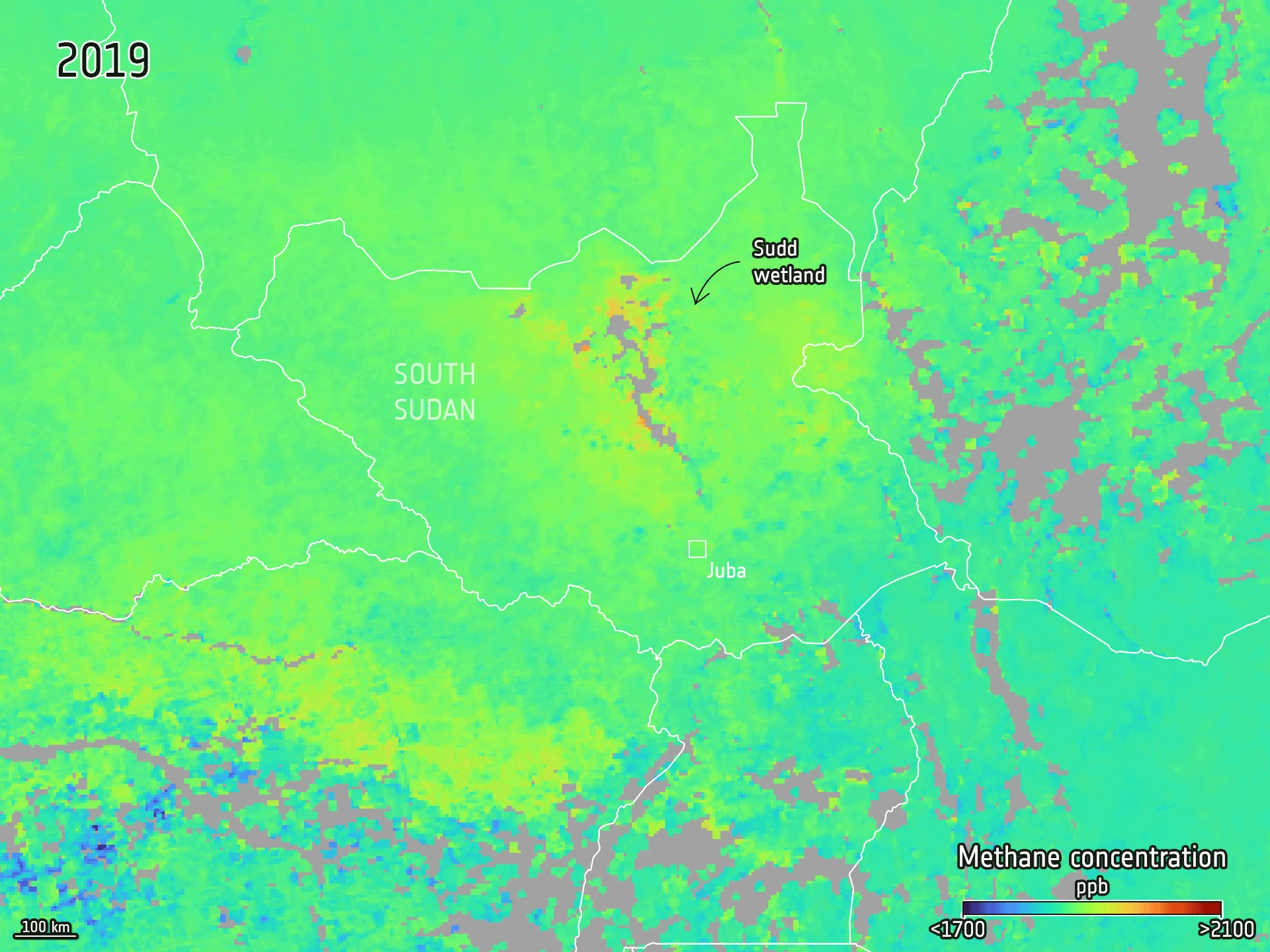
A study published on February 6, 2026, reveals that the reduction in air pollution during COVID-19 lockdowns contributed to a record increase in methane emissions in the early 2020s, as the main natural agent that breaks down methane weakened. Researchers noted that this ironic consequence highlights the complex interplay between air quality and greenhouse gas dynamics.
Brookhaven National Laboratory shuts down Relativistic Heavy Ion Collider
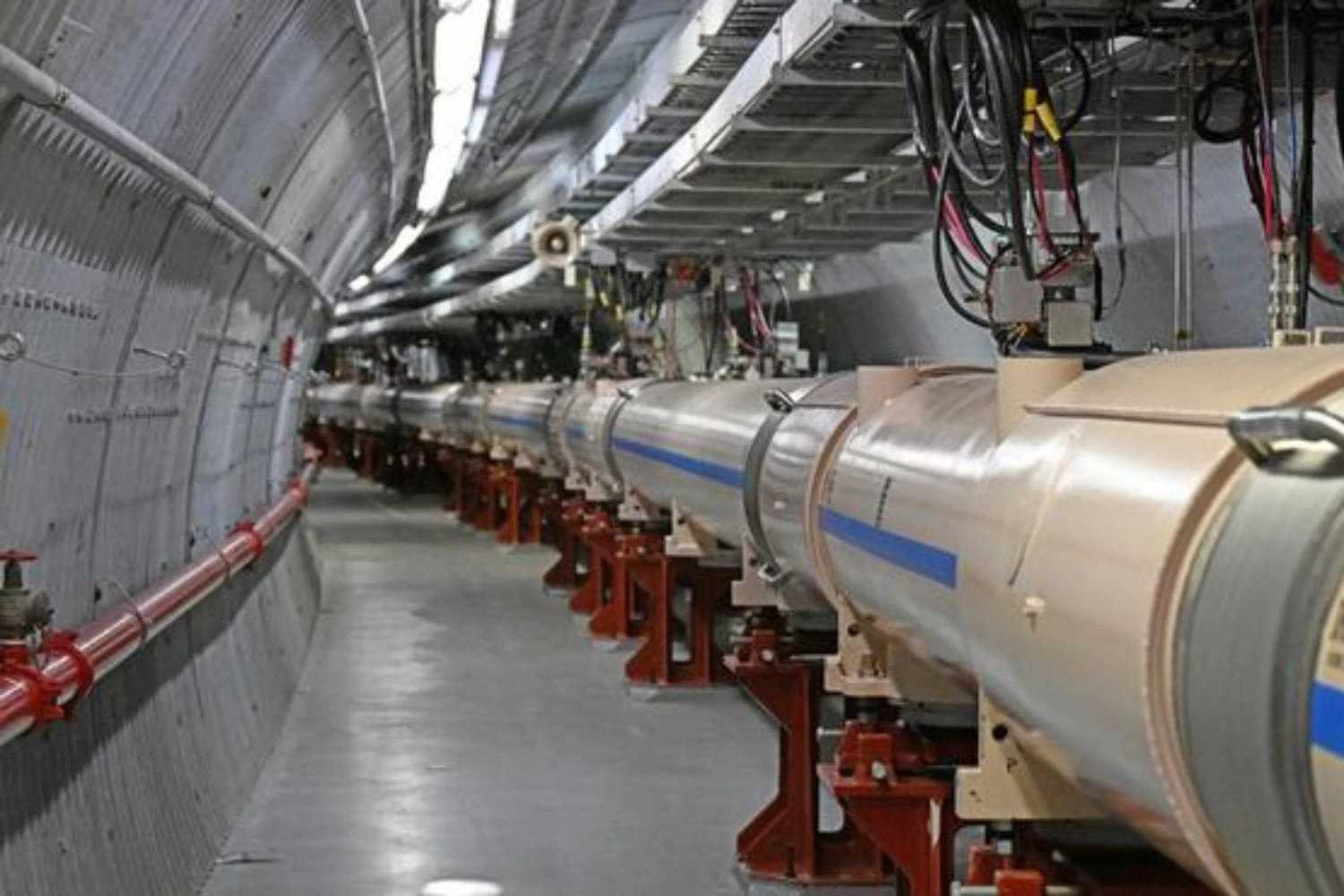
The U.S. Department of Energy's Brookhaven National Laboratory has officially shut down the Relativistic Heavy Ion Collider (RHIC) after 25 years of operation, marking the end of a significant era in nuclear physics research. The final collisions occurred on February 6, 2026, with beams of oxygen ions circulating at nearly the speed of light, concluding a series of groundbreaking experiments that explored the fundamental forces of nature. Plans are underway to construct a new, more powerful electron-ion collider on the same site, utilizing components from RHIC to further advance the field.
Ecologists Challenge Study on Norway Spruce Eclipses
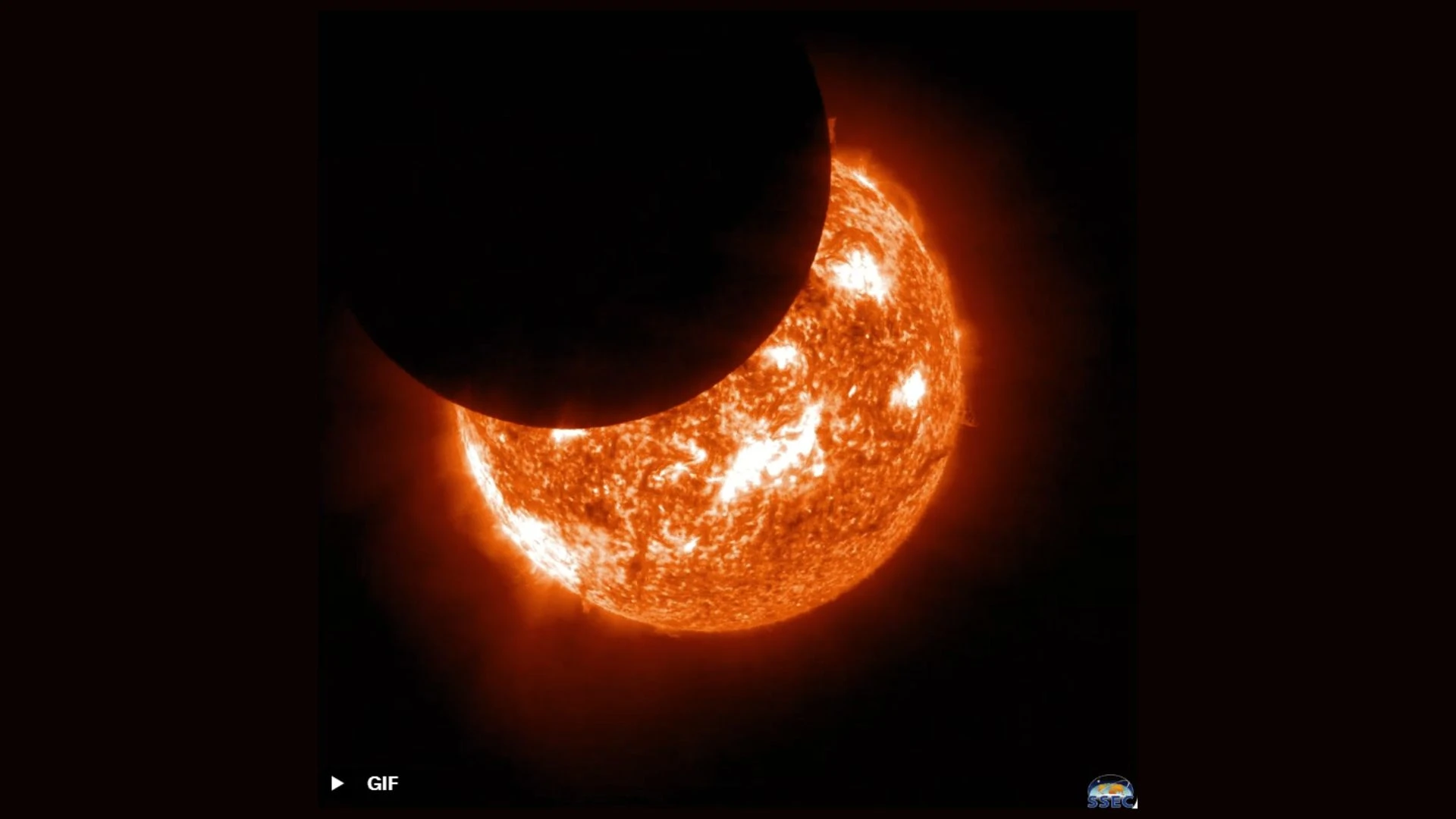
Ecologists Ariel Novoplansky and Hezi Yizhaq from Ben-Gurion University of the Negev have criticized a controversial 2025 study claiming that Norway spruce trees (_Picea abies_) can sense solar eclipses, arguing that the observed electrical signaling was likely due to environmental factors such as temperature drops and local thunderstorms. They contend that the original research represents pseudoscience by failing to consider simpler explanations, and they emphasize the need for more rigorous testing of hypotheses in biological research.