Limbic AI Outperforms Human Therapists in CBT Study
Limbic, a clinical mental health AI company, announced the publication of a randomized, double-blind study in Nature Medicine demonstrating that its clinical reasoning system enables AI therapy agents to deliver cognitive behavioral therapy (CBT) with superior performance compared to human therapists and leading large language models (LLMs). The study evaluated interactions with 227 participants and found that AI agents augmented with Limbic's system achieved a 51.7% recovery rate in a separate analysis of nearly 9,000 users, highlighting the potential for AI to enhance mental health care delivery.
Measles Returns to U.S. with 1,300 Infections
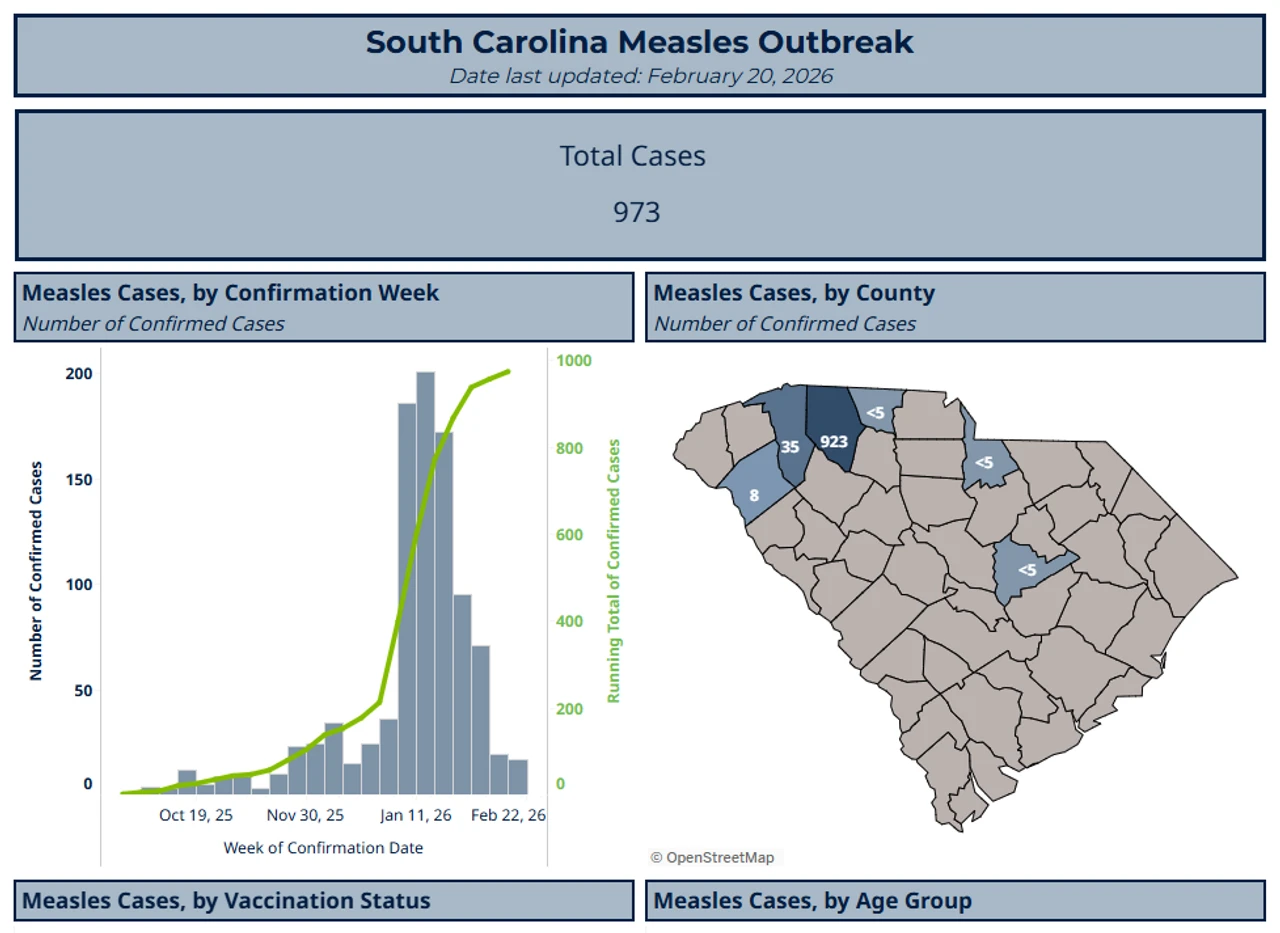
Measles has re-emerged in the U.S. after being eliminated in 2000, with 1,300 confirmed infections reported as of March 6, 2026, indicating a potential resurgence of the disease. Continuous outbreaks have been recorded in Texas, Utah, Arizona, and South Carolina, affecting 30 states this year and 47 since the start of 2025. Experts from Brown University’s Pandemic Center attribute this trend to declining vaccination rates, which have fallen below the 95% threshold necessary for herd immunity.
NASA to Launch Artemis II Mission to Moon April 1
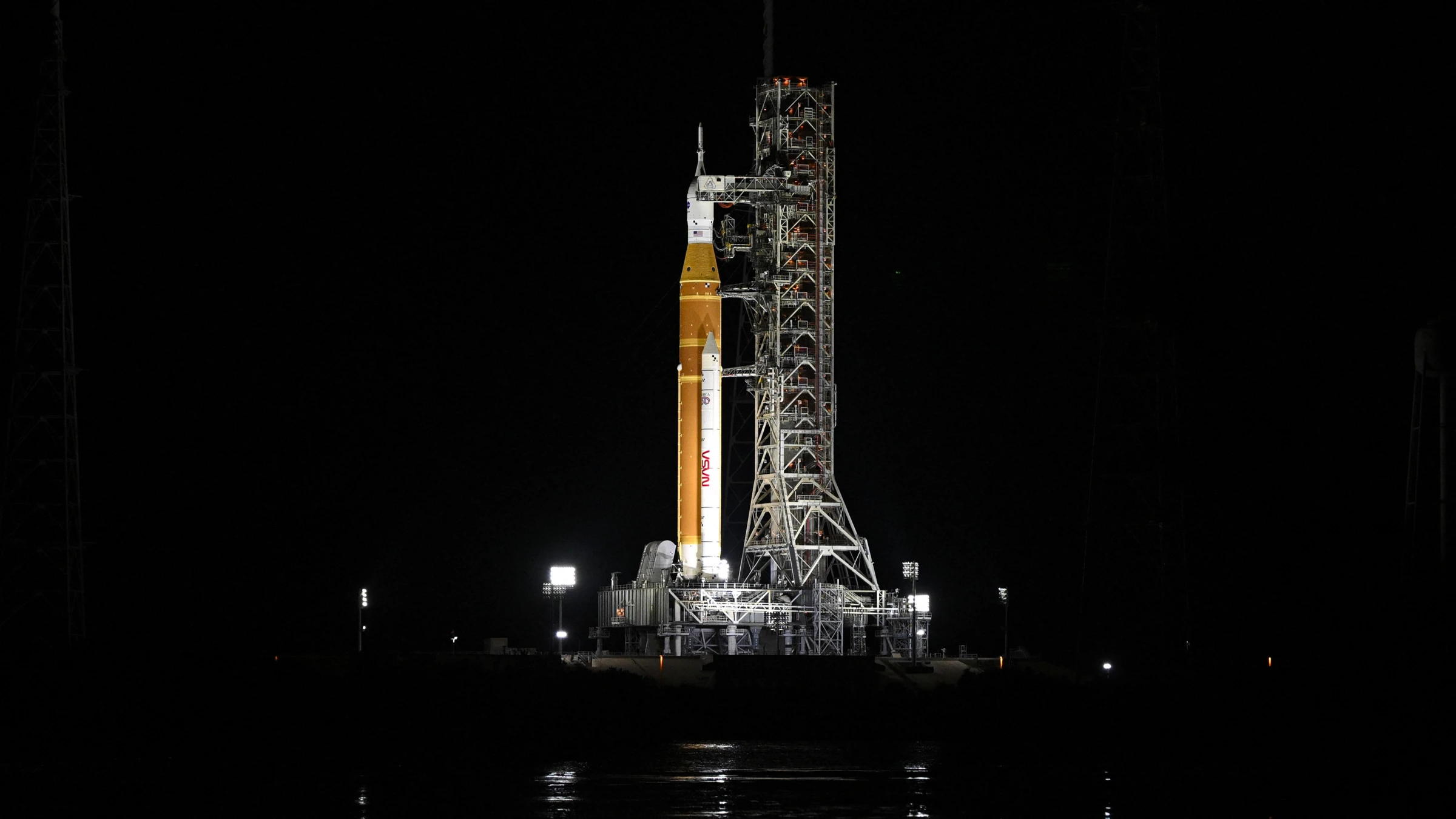
NASA plans to launch the Artemis II Space Launch System rocket on April 1 at 6:24 p.m. ET, carrying four astronauts on a 10-day mission around the moon, marking the first human journey beyond low Earth orbit since 1972. Lori Glaze, acting associate administrator of NASA’s Exploration Systems Development Mission Directorate, confirmed that the rocket and Orion spacecraft will return to the launch pad at Kennedy Space Center on March 19, following repairs for a helium flow blockage detected during earlier tests. The crew includes NASA astronauts Reid Wiseman, Christina Koch, Victor Glover, and Canadian astronaut Jeremy Hansen.
Study links energy metabolism changes to depression symptoms
Researchers have identified changes in energy metabolism in brain and blood cells of individuals with depression, which may contribute to the disorder's symptoms. This discovery could inform new treatment strategies aimed at targeting cellular energy production, potentially enhancing outcomes for those affected by depression.