Drought Conditions Heighten Antibiotic Resistance in Soil Bacteria
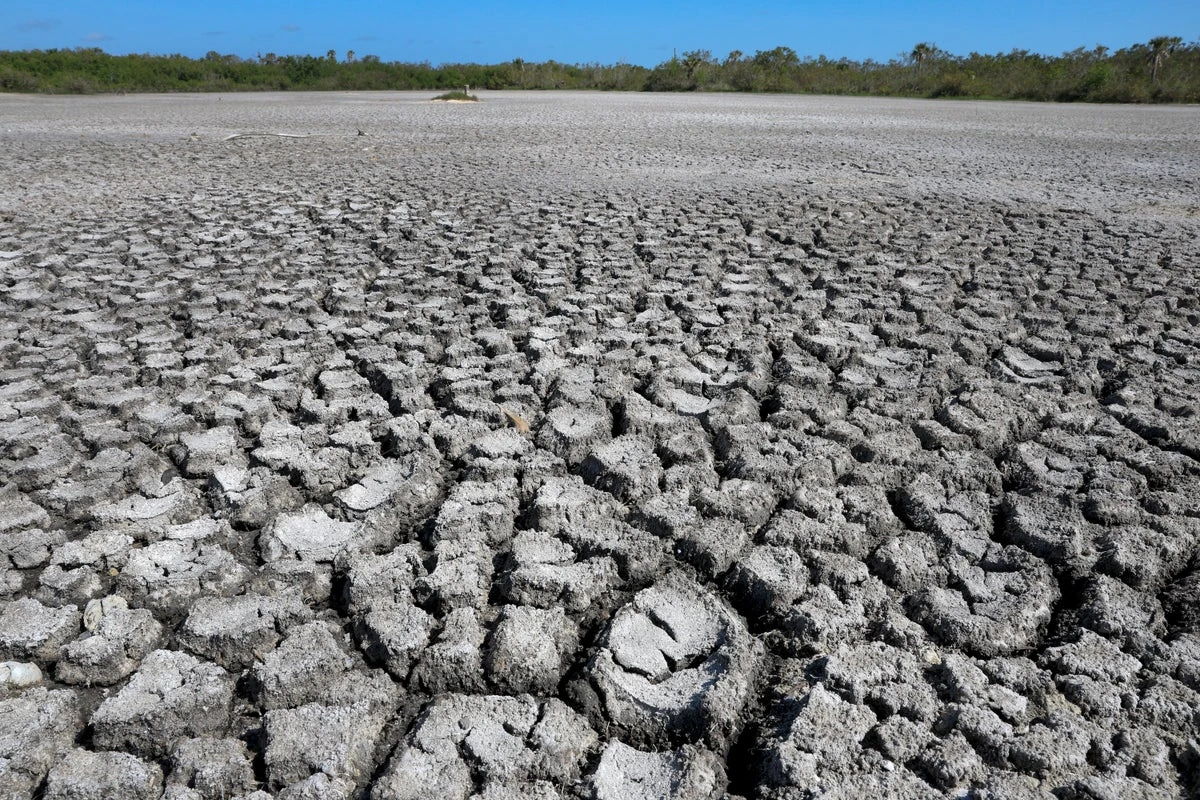
A study published in Nature Microbiology on March 23, 2026, by researchers at the California Institute of Technology indicates that drought conditions significantly increase antibiotic resistance among soil bacteria, which may subsequently elevate the incidence of antibiotic-resistant infections in hospitals worldwide. The research found that as soil dries, the concentration of natural antibiotics produced by microbes rises, favoring the survival of resistant strains. Lead researcher Dianne Newman noted that this phenomenon poses a global health concern, as antibiotic resistance is linked to approximately 1.27 million deaths annually, according to the World Health Organization.
Mouse Brain Organoids Demonstrate Learning in Virtual Task
Researchers at the University of California, Santa Cruz, have demonstrated that clumps of mouse brain cells, or organoids, can learn to perform a virtual task by balancing a pole on a moving cart, according to a study published in Cell Reports. With reinforcement learning techniques, these organoids managed to keep the pole upright for at least 20 seconds nearly half the time, compared to less than 5 percent for those receiving random signals. The findings suggest that while the organoids exhibit short-term learning capabilities, further research is needed to develop long-term memory retention.
NASA repurposes lunar tech for Mars mission SR-1 Freedom
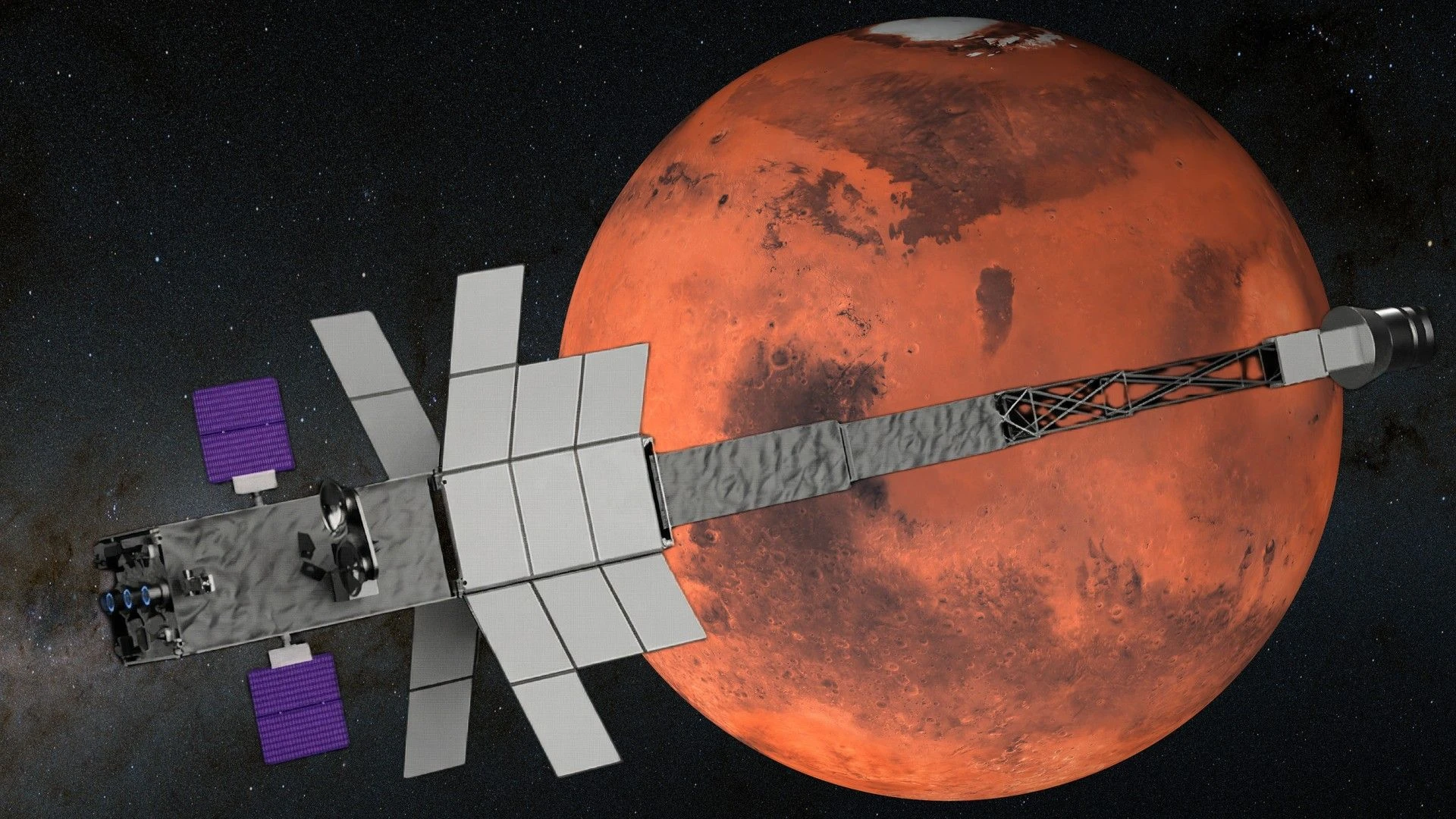
NASA has announced plans to repurpose the Power and Propulsion Element, originally designed for the lunar Gateway, for its upcoming Mars mission, Space Reactor-1 Freedom (SR-1 Freedom), which aims to launch by the end of 2028. This mission will utilize a nuclear electric propulsion system to deploy a payload capable of releasing three helicopters in the Martian atmosphere, building on previous successes with the Ingenuity helicopter. NASA Administrator Jared Isaacman emphasized the urgency of this initiative, citing competition from China's space program and the need to demonstrate the capabilities of nuclear propulsion in deep space.
Antarctic trek reveals alarming PFAS levels in snow
Research conducted during a 1,200-kilometre polar trek in Antarctica has identified the highest levels of per- and polyfluoroalkyl substances (PFAS), commonly referred to as 'forever chemicals', in the region's snow. This finding underscores the environmental impact of these chemicals, which are known for their persistence in the environment and are used in a variety of products, including food packaging and cleaning agents.
NASA unveils $20 billion plan for moon base and Mars mission
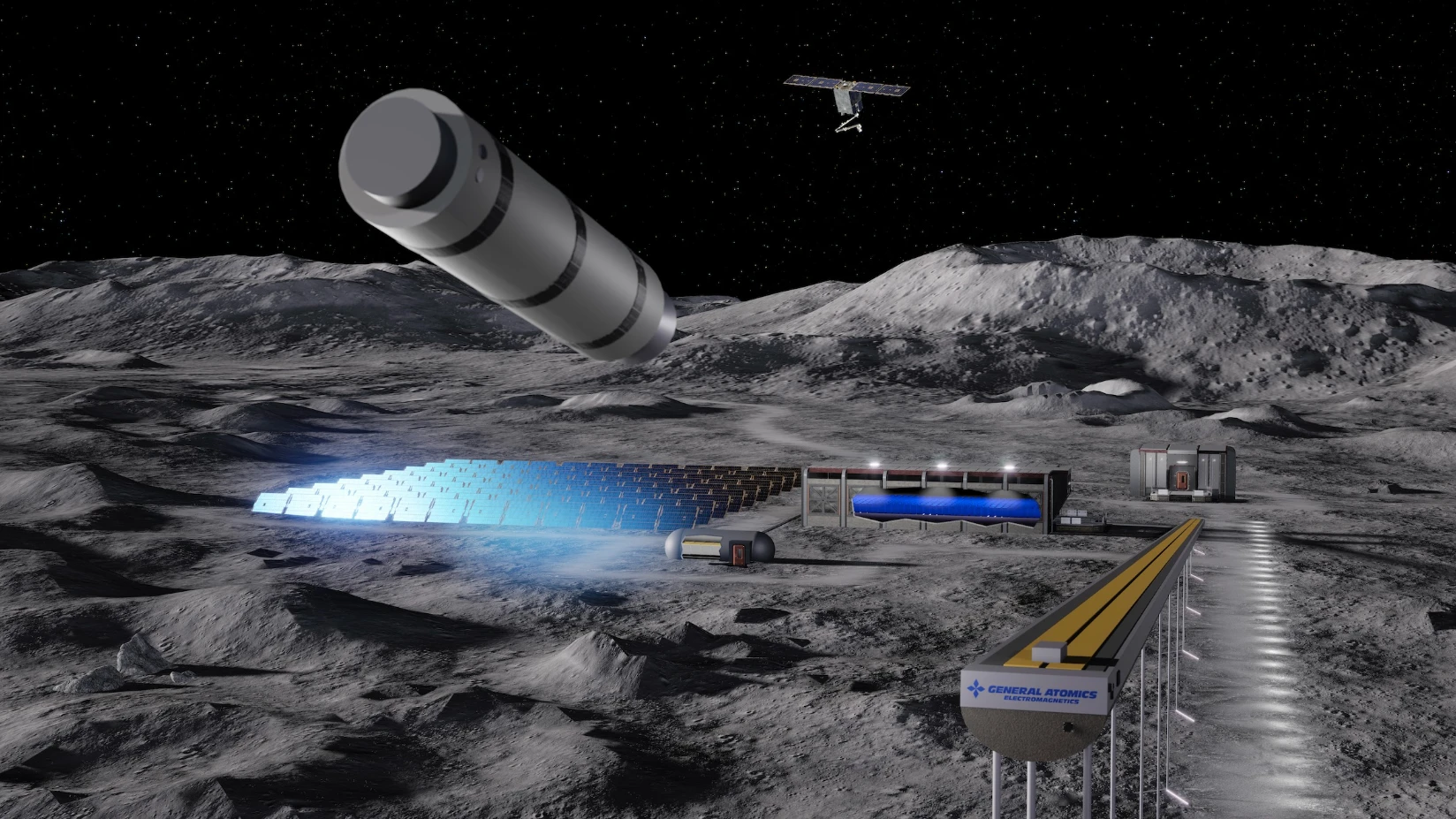
NASA has announced a $20 billion initiative to establish a permanent moon base by 2030 and develop a nuclear-propulsion spacecraft, named Space Reactor-1 Freedom, for a Mars mission by 2028. The agency's plans include launching numerous robotic missions to the moon and deploying a fleet of drones, although these ambitions face challenges due to significant budget cuts and a recent loss of personnel. NASA Administrator Jared Isaacman emphasized the need for a revised approach to ensure the success of these projects amid ongoing uncertainties regarding funding and international partnerships.