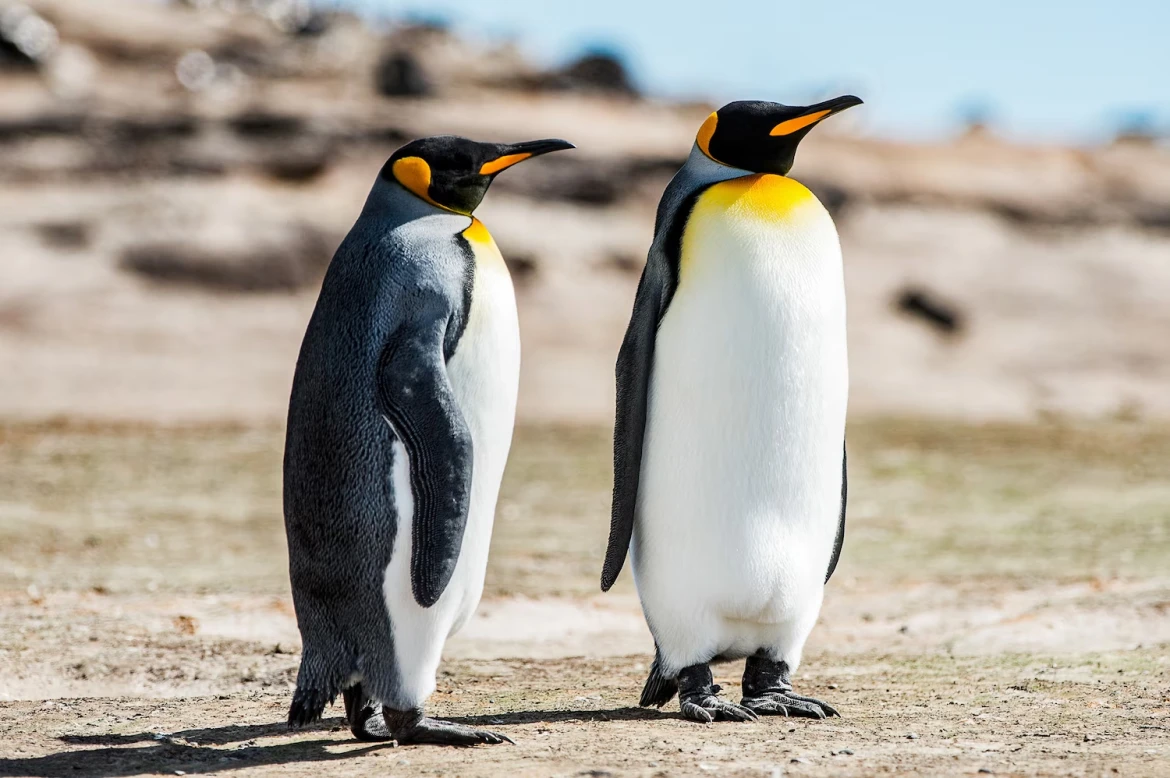
IUCN classifies emperor penguin and fur seal as endangered
The International Union for Conservation of Nature (IUCN) has classified the emperor penguin and Antarctic fur seal as 'Endangered' due to significant population declines driven by climate change. Projections indicate that the emperor penguin population could halve by the 2080s, while the Antarctic fur seal population has already decreased by over 50% since 2000, from approximately 2.2 million to 944,000. These changes are attributed to the loss of sea-ice and reduced food availability, highlighting the urgent need for action against climate change.
Chinese trial shows promise for β-Thalassaemia gene therapy
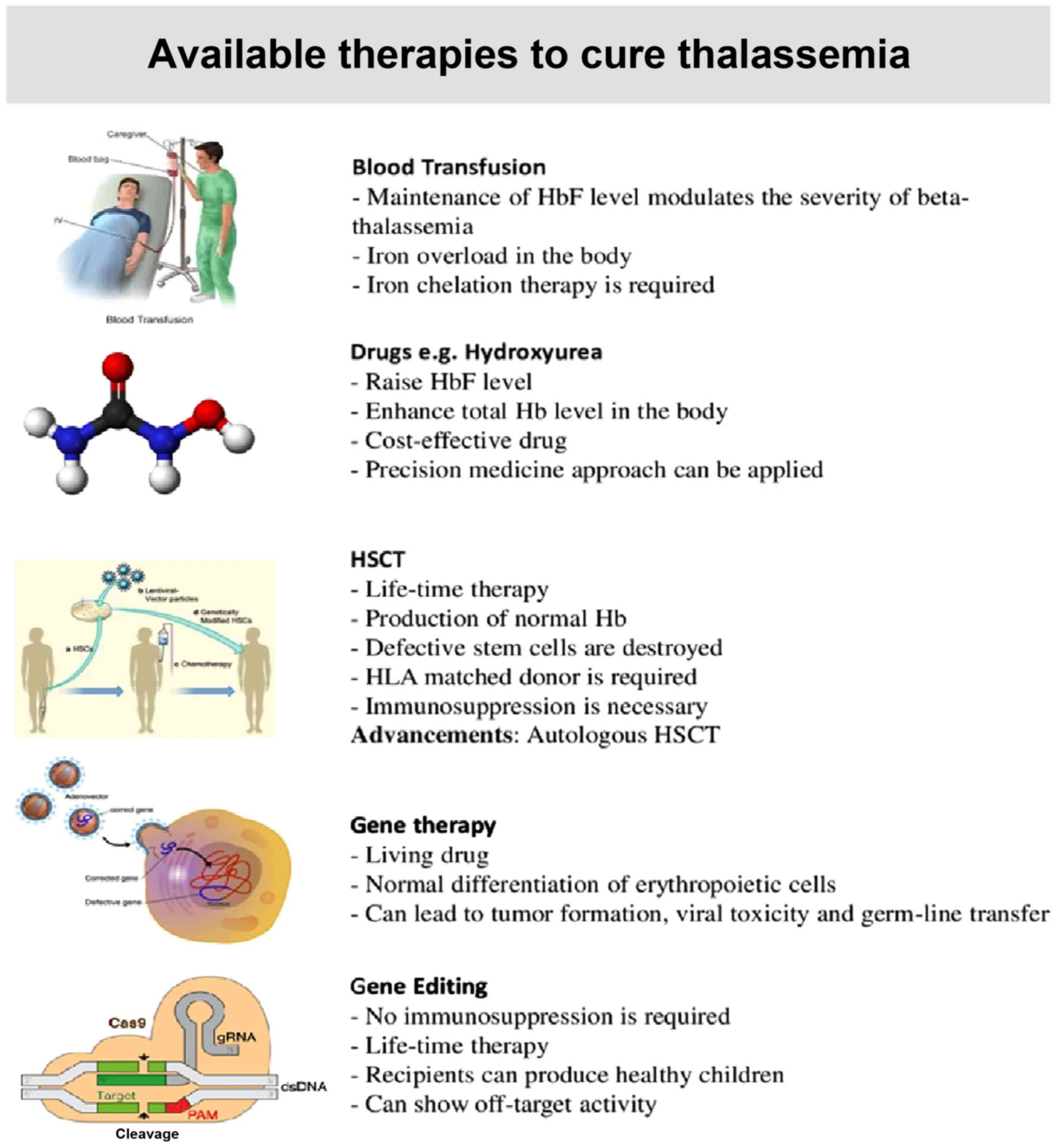
A large Chinese collaboration has reported successful results from a clinical trial demonstrating an improved gene editing process that reactivates the fetal version of a hemoglobin gene, potentially offering a treatment for β-Thalassaemia. This advancement follows the FDA's approval of the first CRISPR-based therapy for sickle-cell anemia, highlighting progress in targeted gene editing techniques that aim to minimize off-target effects and enhance precision.
Ngogo chimpanzees experience rare civil war in Uganda
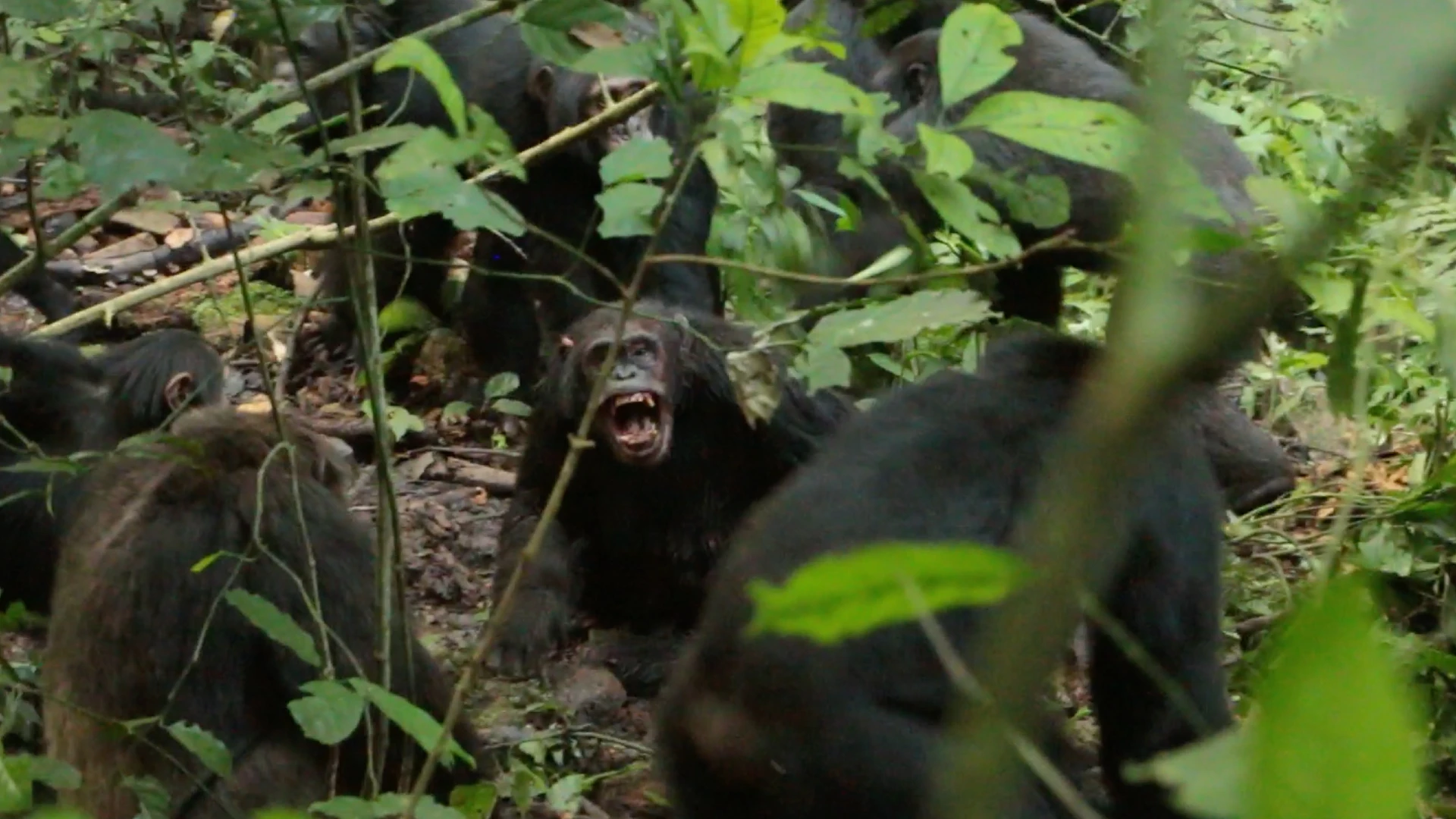
A study published in the journal Science documents a rare instance of civil war among the Ngogo chimpanzees in Uganda, where a previously cohesive group split into two factions, the Central and Western clusters, between 2015 and 2018. Following the split, the Western group conducted 24 coordinated attacks on the Central group, resulting in the deaths of at least seven adult males and 17 infants, with additional disappearances of 14 males suspected to be victims of aggression. Researchers attribute the conflict to a breakdown in social relationships, exacerbated by factors such as group size, competition for resources, and changes in leadership.
NASA's Artemis II mission detects helium leak in Orion
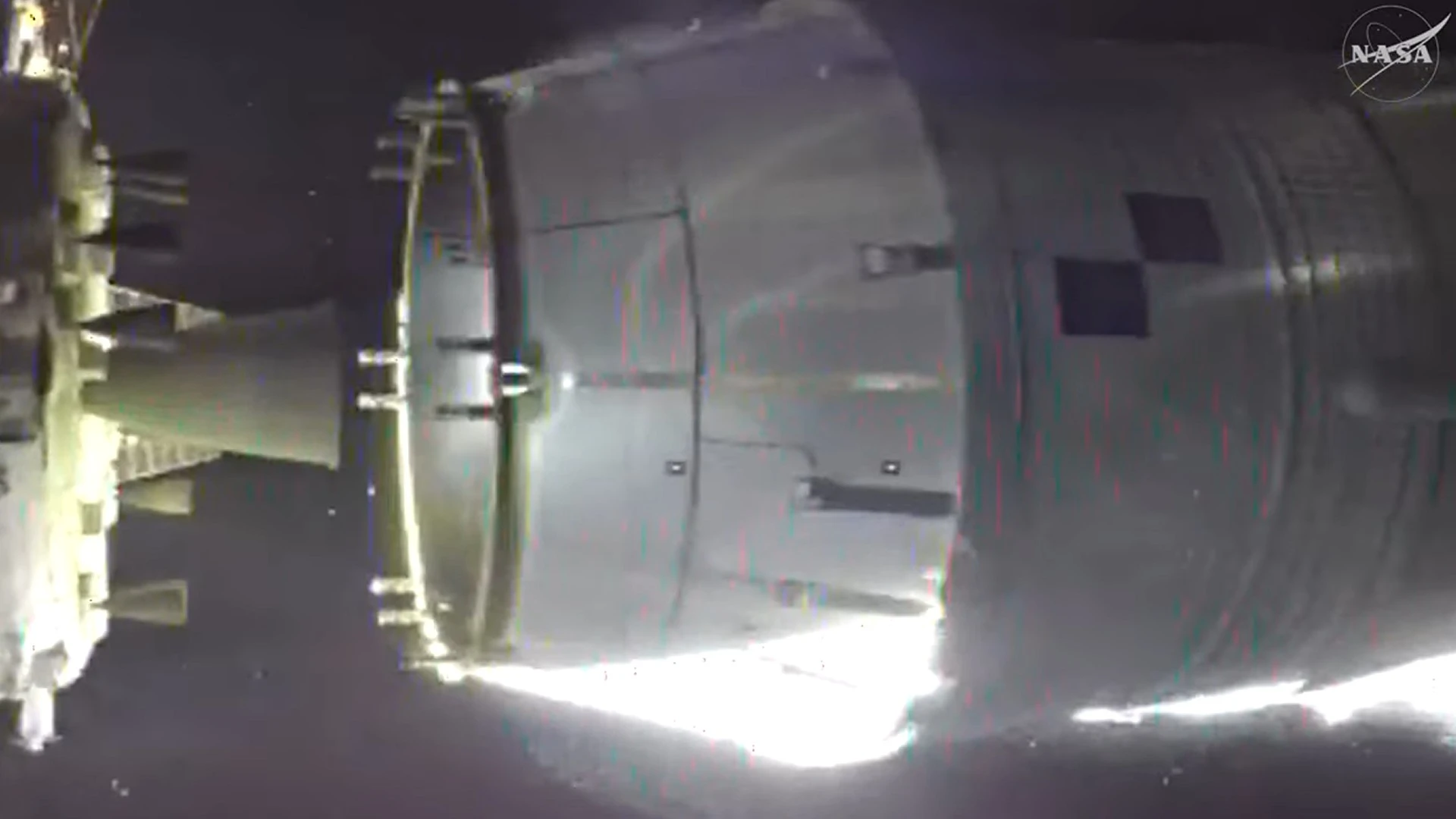
NASA's Artemis II mission, currently en route back to Earth, has identified a helium leak in the Orion spacecraft's propulsion system, which will necessitate redesigning the valves for future flights. Despite this issue, which was noted during the uncrewed Artemis I mission, the leak has not impacted the mission's performance, and the spacecraft is expected to safely splash down in the Pacific Ocean on Friday evening.
AI Chatbot Aids Woman in Diagnosing Rare Condition
ChatGPT assisted 23-year-old Phoebe Tesoriere in diagnosing her rare condition after she faced four years of misdiagnoses, including anxiety and epilepsy. Following a three-day coma due to a seizure, she input her symptoms into the AI chatbot, which suggested hereditary spastic paraplegia; genetic testing later confirmed this diagnosis. Cardiff and Vale University Health Board expressed regret over her experience, while GP Dr. Rebeccah Tomlinson emphasized the importance of discussing AI-generated health information with medical professionals.