Quantum Computers Simulate Large Protein Complexes for Drug Discovery
Researchers at Cleveland Clinic, RIKEN, and IBM have successfully simulated protein complexes containing up to 12,635 atoms using IBM quantum computers and two supercomputers, marking the largest known quantum simulations of biologically relevant molecules to date. This achievement, facilitated by a novel quantum-centric supercomputing approach, significantly enhances the accuracy of simulations and addresses challenges in drug discovery, potentially reducing the lengthy timelines and costs associated with developing new medicines. Kenneth Merz, Ph.D., from Cleveland Clinic, emphasized that this work demonstrates the growing utility of quantum computing in solving complex biological problems.
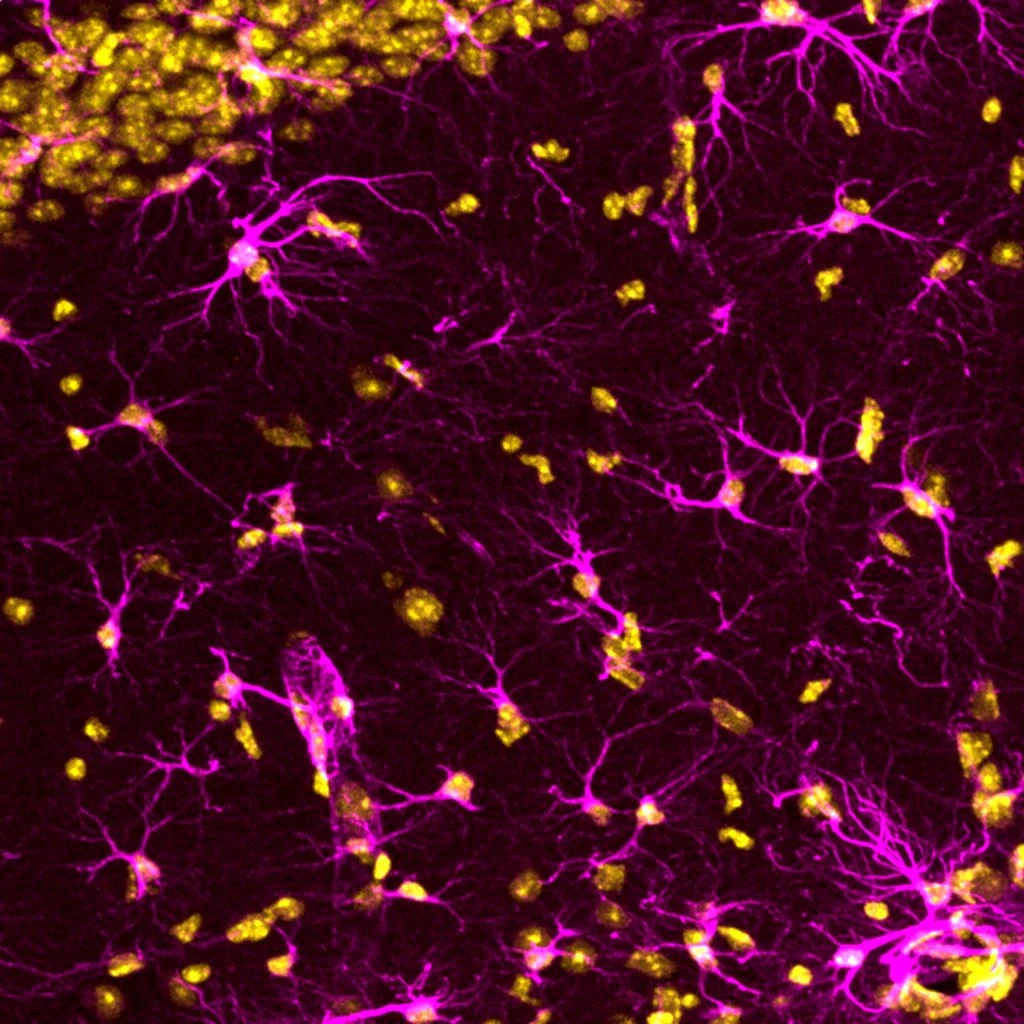
Study reveals astrocytes enhance brain communication networks
A study published in Nature by researchers, including Melissa Cooper from New York University, has mapped brain networks in mice, revealing that star-shaped astrocytes create flexible connections that facilitate communication between distant brain regions. Using chemical tagging techniques, the team demonstrated that these astrocytes form a dynamic network that adapts to environmental changes, reshaping their connections in response to sensory input. This research suggests that astrocytes play an active role in brain communication, potentially influencing our understanding of neurological diseases.
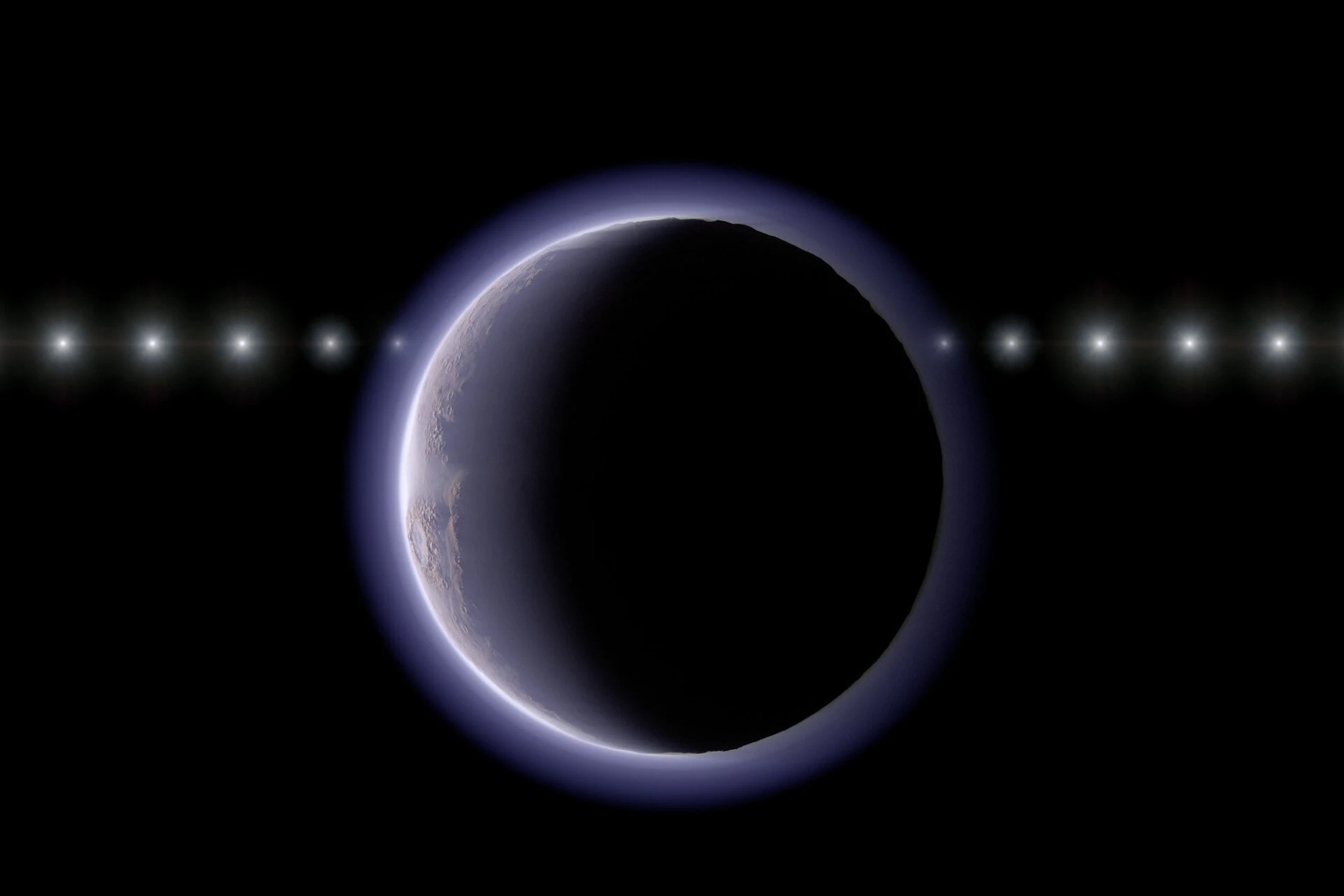
Smallest Solar System Object Found to Have Atmosphere
Researchers led by Ko Arimatsu of the National Astronomical Observatory of Japan have detected a thin atmosphere around the small icy body (612533) 2002 XV93, located over 3.4 billion miles from the sun, making it the smallest known object in the solar system with a confirmed global atmosphere. The atmosphere, estimated to be 5 million to 10 million times thinner than Earth's, may have formed from volcanic eruptions or a comet impact, according to the study published in Nature Astronomy. If verified, this finding would challenge existing notions that atmospheres are exclusive to larger celestial bodies.