China Advances AI Brain-Computer Interfaces for Public Use
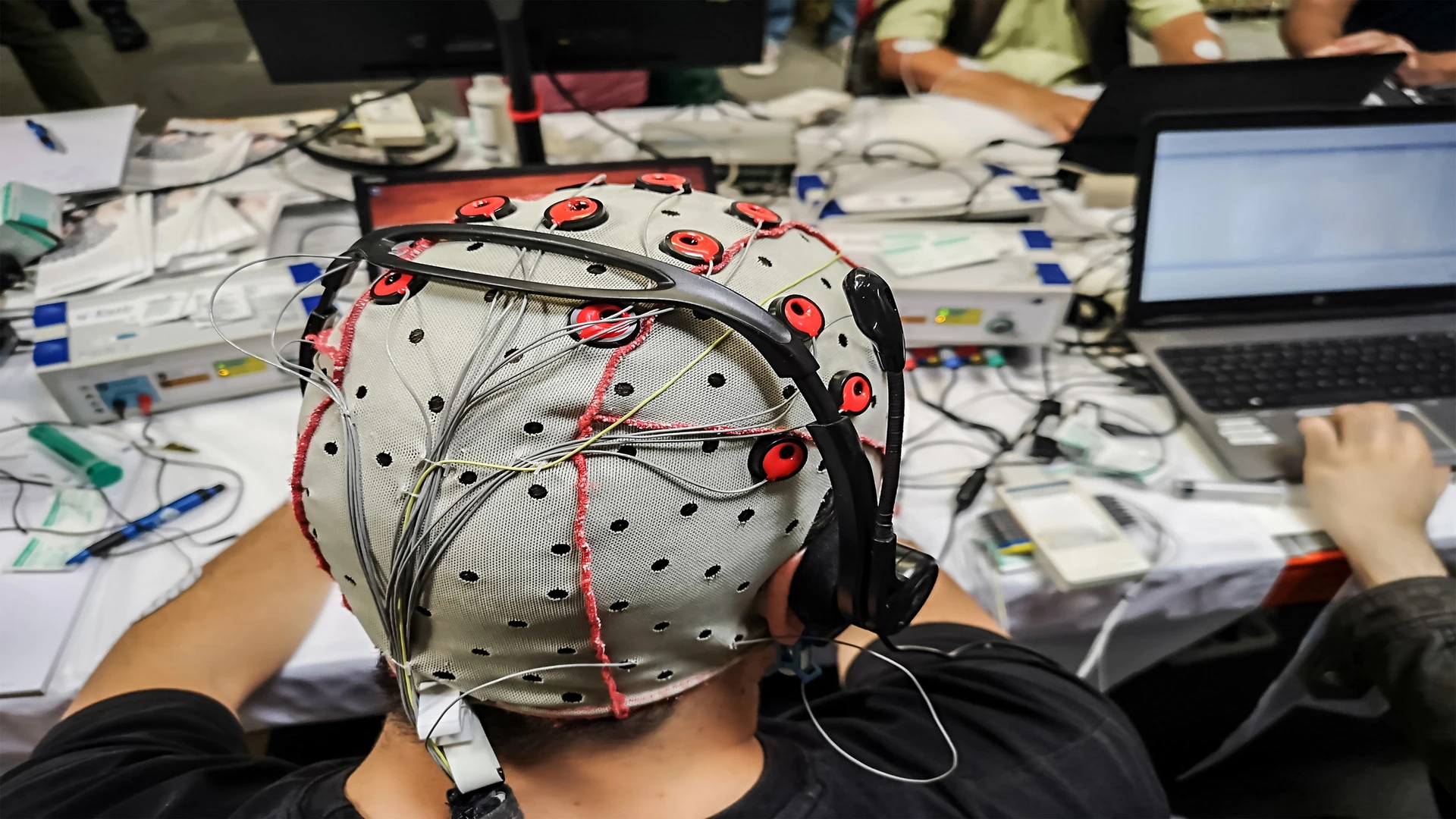
Chinese companies are advancing the development of artificial-intelligence powered brain-computer interfaces (BCIs), transitioning from clinical trials to potential public use. NeuroXess, a Shanghai-based firm, has conducted trials demonstrating that its AI-powered brain implant can assist individuals with paralysis in controlling devices through thought, achieving a real-time decoding speed of 300 Mandarin characters per minute. The Chinese government aims to establish itself as a global leader in BCI technology by the end of the decade, targeting significant technical breakthroughs and the emergence of world-class firms by 2030.
Pompeii archaeologists identify Roman doctor victim of Vesuvius
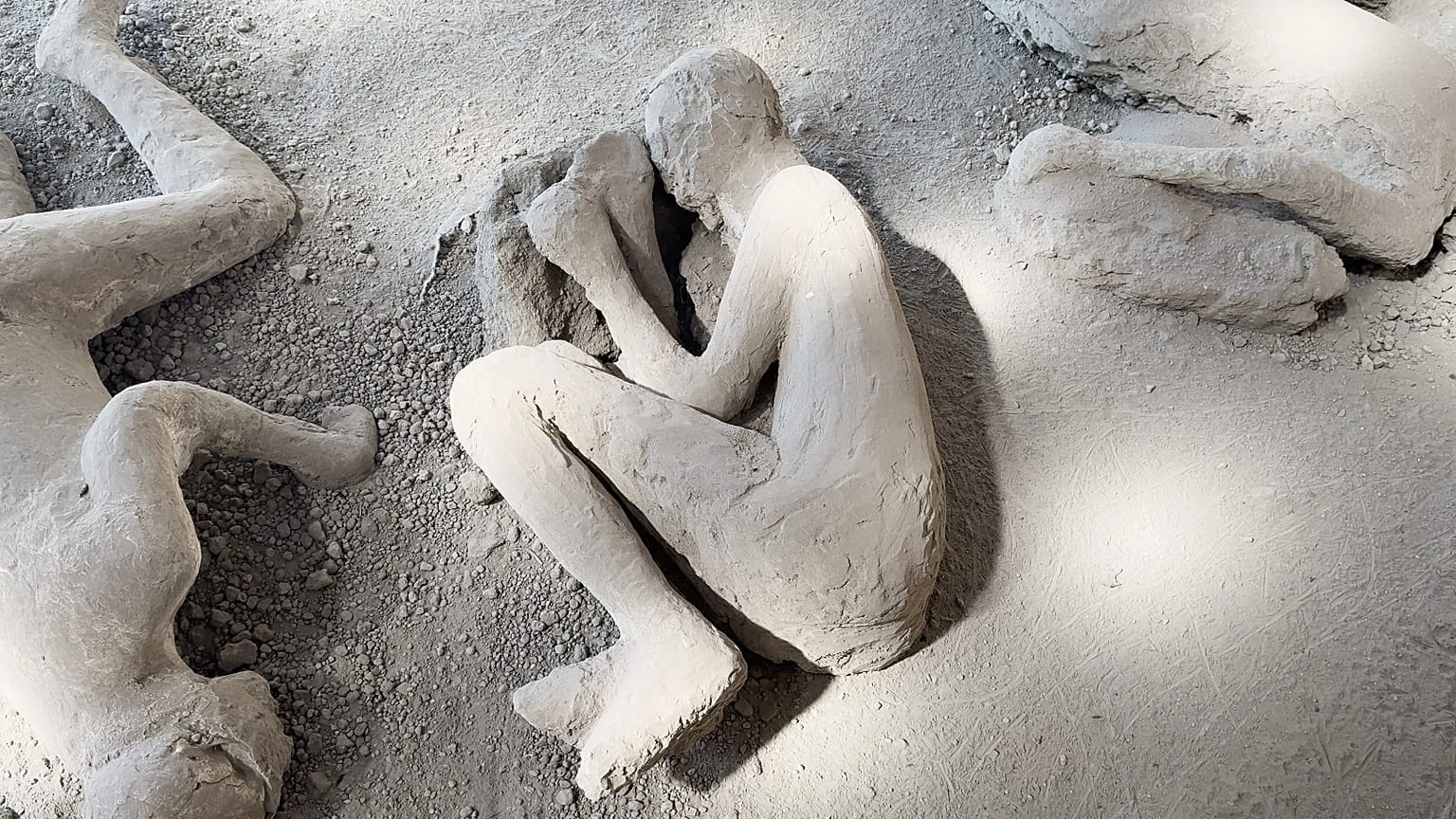
Archaeologists at Pompeii Archaeological Park have identified a victim of the 79 CE eruption of Mount Vesuvius as likely being a Roman doctor, based on recent X-ray and CT scan analyses. The scans revealed a small locked case containing metal surgical instruments and a slate tablet, suggesting he was a medicus prepared to treat others or escape the disaster. This discovery adds to the understanding of the medical practices and social status of physicians in ancient Rome.
Cambridge Researchers Use AI to Track Declining Hedgehog Population
Researchers at the University of Cambridge are employing satellite data and AI technology to track hedgehogs in the UK, aiming to address the significant decline in their population. Utilizing an AI tool named Tessera, the team can create detailed maps of hedgehog habitats and identify barriers to food and mating, with the hope of informing conservation efforts. The common western European hedgehog, the UK's only native species, has seen a population drop of up to 75% in rural areas since 2000, prompting the need for innovative tracking methods, including GPS devices on some hedgehogs.