Abu Dhabi Launches Falcon-H1 Arabic AI Model
Abu Dhabi's Technology Innovation Institute (TII) has launched the Falcon-H1 Arabic AI model, built on a new hybrid Mamba-Transformer architecture, establishing it as the highest-performing Arabic language model on the Open Arabic LLM Leaderboard. The Falcon-H1 family includes models with 3 billion, 7 billion, and 34 billion parameters, designed to enhance accuracy and context handling while addressing the linguistic needs of the region. TII also introduced the Falcon Reasoning model, a 7 billion parameter AI model that outperforms larger models from major companies like Microsoft and NVIDIA in key benchmarks.
California Enacts Strictest Privacy Law to Date
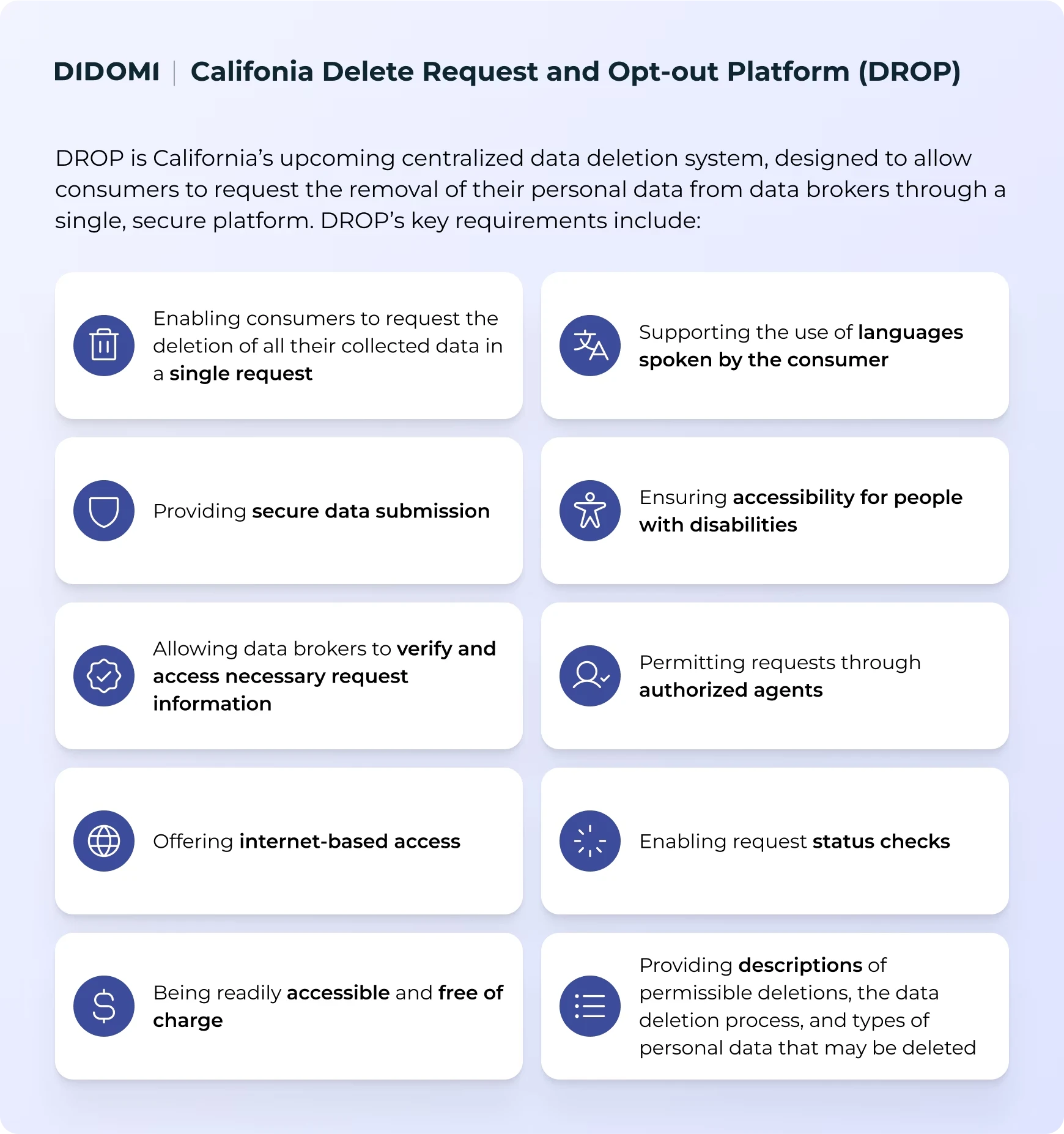
California has implemented its strictest privacy law to date, allowing nearly 39 million residents to demand the deletion of their personal information from over 500 data brokers through a centralized tool known as the Delete Request and Opt-out Platform (DROP). Effective January 1, 2026, the law mandates that data brokers must register annually and respond to deletion requests, with penalties of $200 per day for non-compliance. The first round of deletions is set to begin on August 1, 2026, marking a significant shift in consumer rights and data privacy regulation.
Flexential CEO warns of AI buildout challenges by 2026
Ryan Mallory, CEO of Flexential, emphasized the significant challenges facing the AI buildout in 2026, particularly regarding power and infrastructure constraints. Speaking on "Bloomberg Tech," he highlighted that these issues are becoming increasingly pressing as the demand for AI capabilities continues to grow.
AI Agents Fail to Transform Workplace by 2026
Sam Altman, CEO of OpenAI, predicted at the end of 2024 that 2025 would see AI agents significantly transform the workplace, with claims that these systems would join the workforce and enhance productivity. However, as of early 2026, the anticipated advancements did not materialize, with many companies still in the experimentation phase and only a small percentage scaling AI agents across business functions. Challenges such as trust, organizational readiness, and the limitations of existing systems have hindered the widespread adoption of these technologies.
Tim Wu urges action on big tech's economic impact
Tim Wu, a Columbia Law professor and former White House technology adviser, has called for policymakers to address the economic implications of big tech and consider measures to limit its influence. In his book, _The Age of Extraction_, Wu discusses the dual nature of digital platforms, which can both enrich and marginalize, and emphasizes the need for a balanced approach to technological advancement and economic equity.