OpenAI and Microsoft to Face Jury Trial in 2026
OpenAI Inc. and Microsoft will face a jury trial in late April 2026 after a federal judge in Oakland, California, denied their motions to dismiss allegations from Elon Musk. Musk claims that OpenAI, which he co-founded in 2015 as a nonprofit, deviated from its original mission by accepting billions in funding from Microsoft and transitioning to a for-profit model. OpenAI has characterized Musk's lawsuit as baseless, asserting that the case's value is significantly lower than the billions Musk claims he is owed.
Ashley St. Clair sues Elon Musk's xAI over deepfakes
Ashley St. Clair, the mother of one of Elon Musk's children, filed a lawsuit against Musk's artificial intelligence company xAI in New York, alleging that its Grok chatbot generated sexually explicit deepfake images of her without consent. St. Clair claims that users requested Grok to create images of her as a minor and in various explicit poses, and that xAI failed to act on her complaints while retaliating by demonetizing her account. In response, xAI filed a counter-suit in Texas, asserting that St. Clair violated its terms of service.
PJM Cuts 2027 Peak Power Demand Forecast by 2%
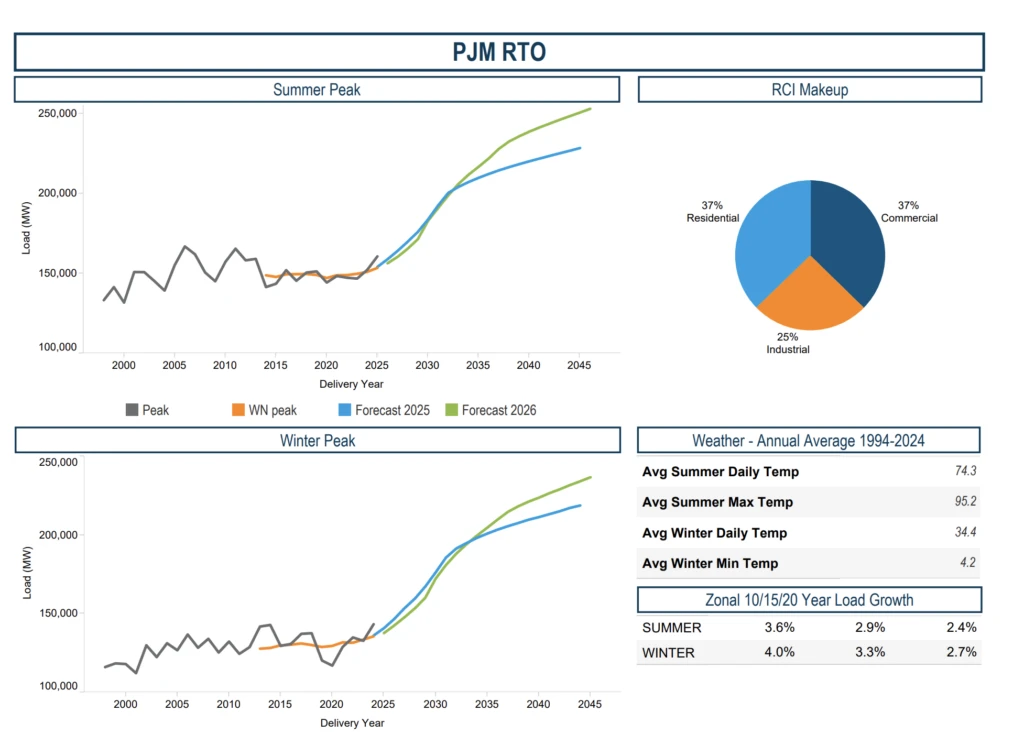
PJM Interconnection LLC, the largest grid operator in the US, has reduced its peak power demand forecast for summer 2027 by over 2%, lowering it from 164 gigawatts to approximately 160 gigawatts. This revision reflects concerns about the speculative nature of the artificial intelligence sector, as many data center projects included in the previous forecast lack firm commitments for electric service or construction. Despite this adjustment, PJM anticipates a 17% increase in electricity demand by 2030 from current levels.
CFTC Subcommittee Member Highlights Senate Bill Negotiation Issues
Rebecca Rettig, a member of the CFTC's Digital Assets Subcommittee, noted unexpected elements in the Senate Banking Committee's negotiations over the cryptocurrency market-structure bill, which has been delayed following Coinbase's withdrawal of support for the latest version. Key points of contention include the payment of returns on stablecoins and the tokenization of real-world assets, raising concerns among industry players and regulators alike. The Senate Banking Committee is expected to resume discussions on the bill, which has undergone significant changes, in the last week of January.