Samsung Begins Mass Production of HBM4 Memory Products
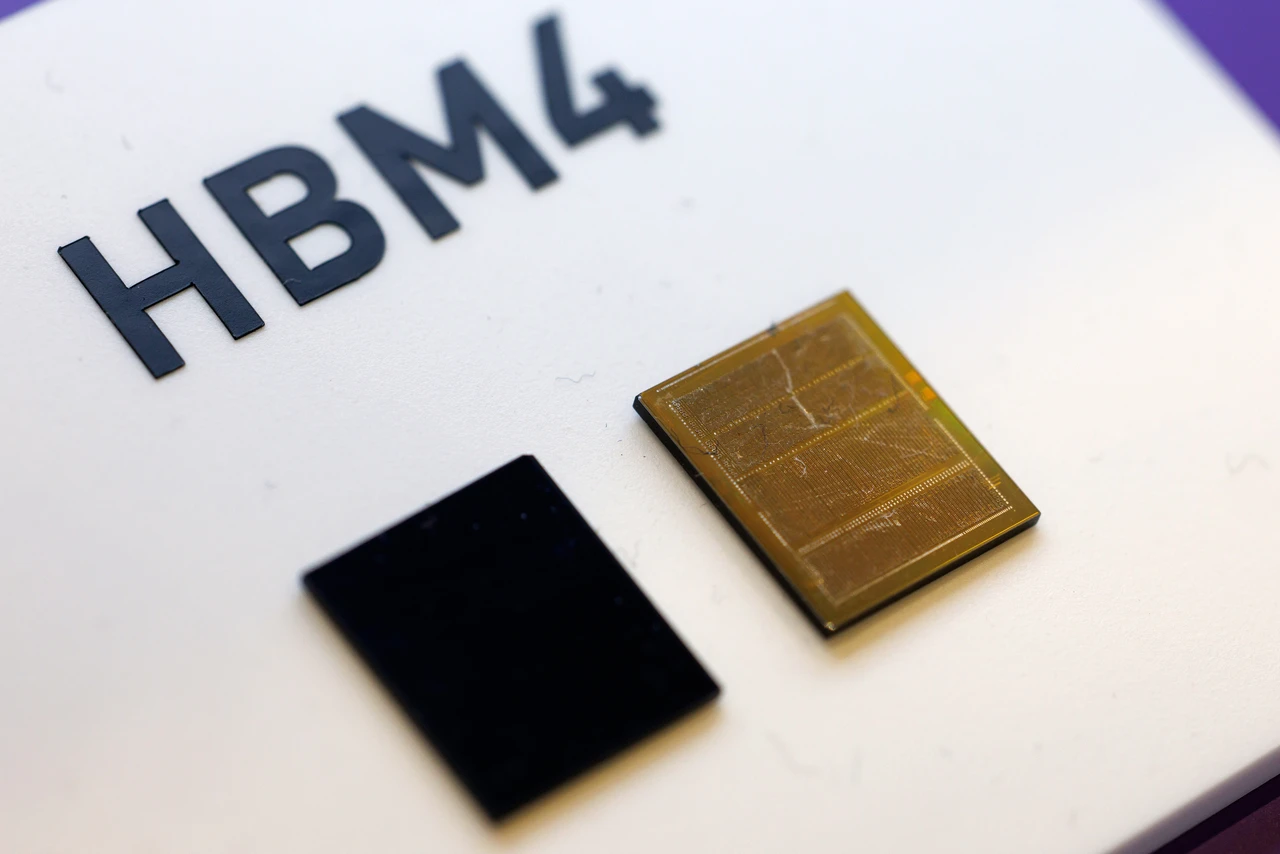
Samsung Electronics has commenced mass production and shipment of its HBM4 memory products, marking the first industry-wide delivery of this advanced technology. The HBM4 achieves a consistent processing speed of 11.7 gigabits-per-second, surpassing the 8Gbps industry standard by approximately 46%, and offers a maximum memory bandwidth of 3.3 terabytes-per-second per stack. Available in capacities ranging from 24 to 36 gigabytes, Samsung anticipates that its HBM sales will more than triple in 2026 compared to 2025.
Nvidia to Lease Data Center Funded by Junk Bonds
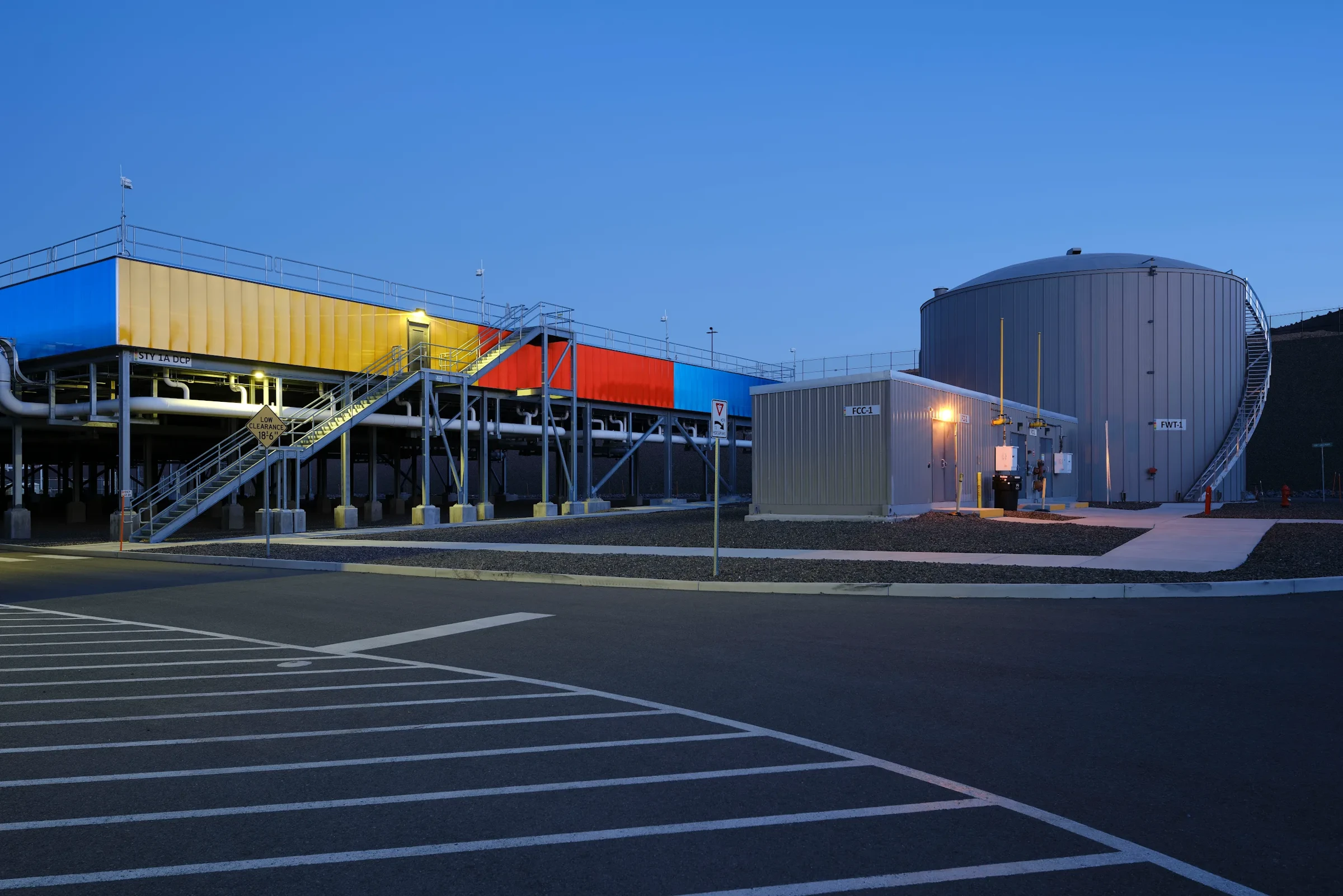
Nvidia Corp. is set to lease a data center financed through a $3.8 billion junk-bond sale, reflecting the ongoing investment in artificial intelligence infrastructure. The construction of the 200-megawatt data center and substation in Storey County, Nevada, is backed by an entity associated with asset manager Tract Capital, which has increased the bond deal size by $150 million due to strong market demand, with anticipated yields around 6%. Nvidia's lease agreement spans 16 years, including two ten-year renewal options.
Cisco Surpasses Earnings Expectations but Stock Drops
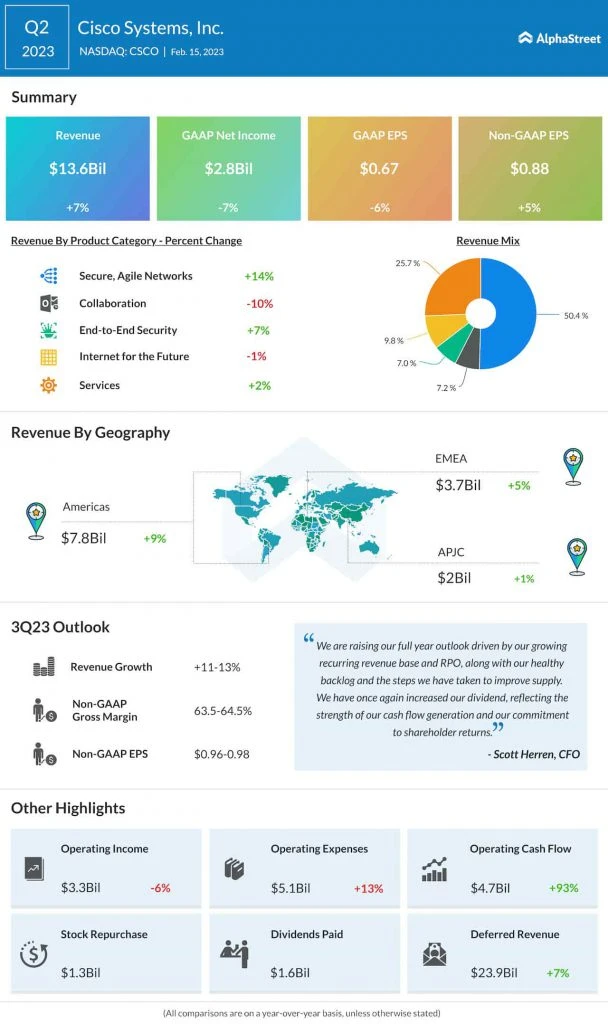
Cisco Systems Inc. reported second-quarter adjusted earnings of $1.04 per share, surpassing analysts' expectations, while revenue rose by 10% year-on-year to $15.35 billion. Despite this, the company's stock fell over 7% in after-hours trading due to soft guidance for the current quarter, with projected earnings between $1.02 and $1.04 per share. Concurrently, Apple is facing delays in the revamp of its Siri voice assistant, and Altruist's new AI tax-planning tool has negatively impacted wealth management stocks shortly after its launch.
Majority of U.S. Workers in AI-Exposed Jobs Adaptable
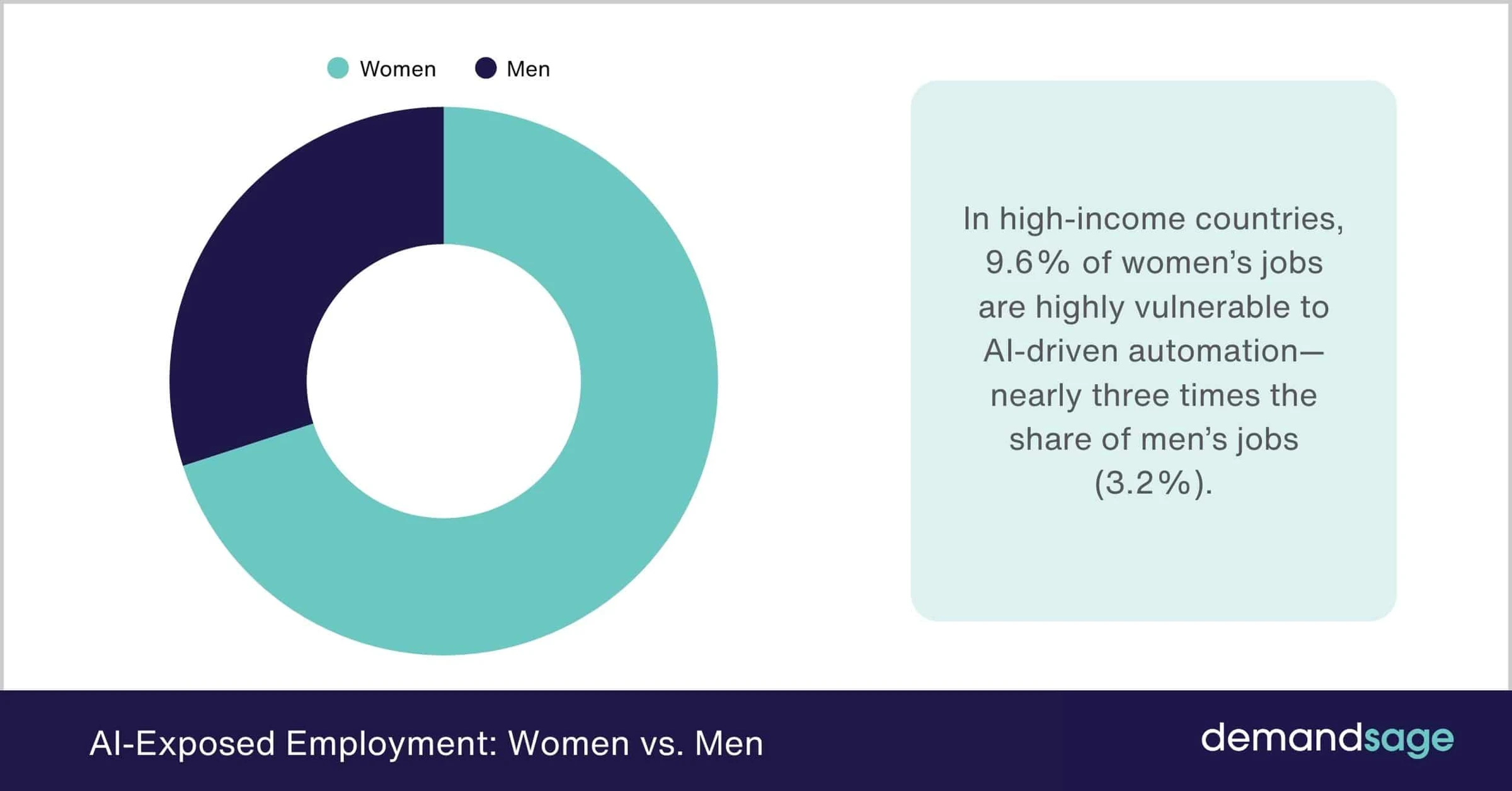
New research from the National Bureau of Economic Research highlights that approximately 70% of the 37.1 million U.S. workers in highly AI-exposed jobs possess a strong capacity to adapt to potential job displacement, while 6.1 million, predominantly in clerical roles, lack such capacity. This analysis emphasizes the importance of considering individual worker characteristics, such as financial security and skill transferability, in assessing the impact of AI on employment, particularly for vulnerable groups, including 86% of those lacking adaptive capacity who are women.