Meta to Launch Four Generations of AI Chips by 2027
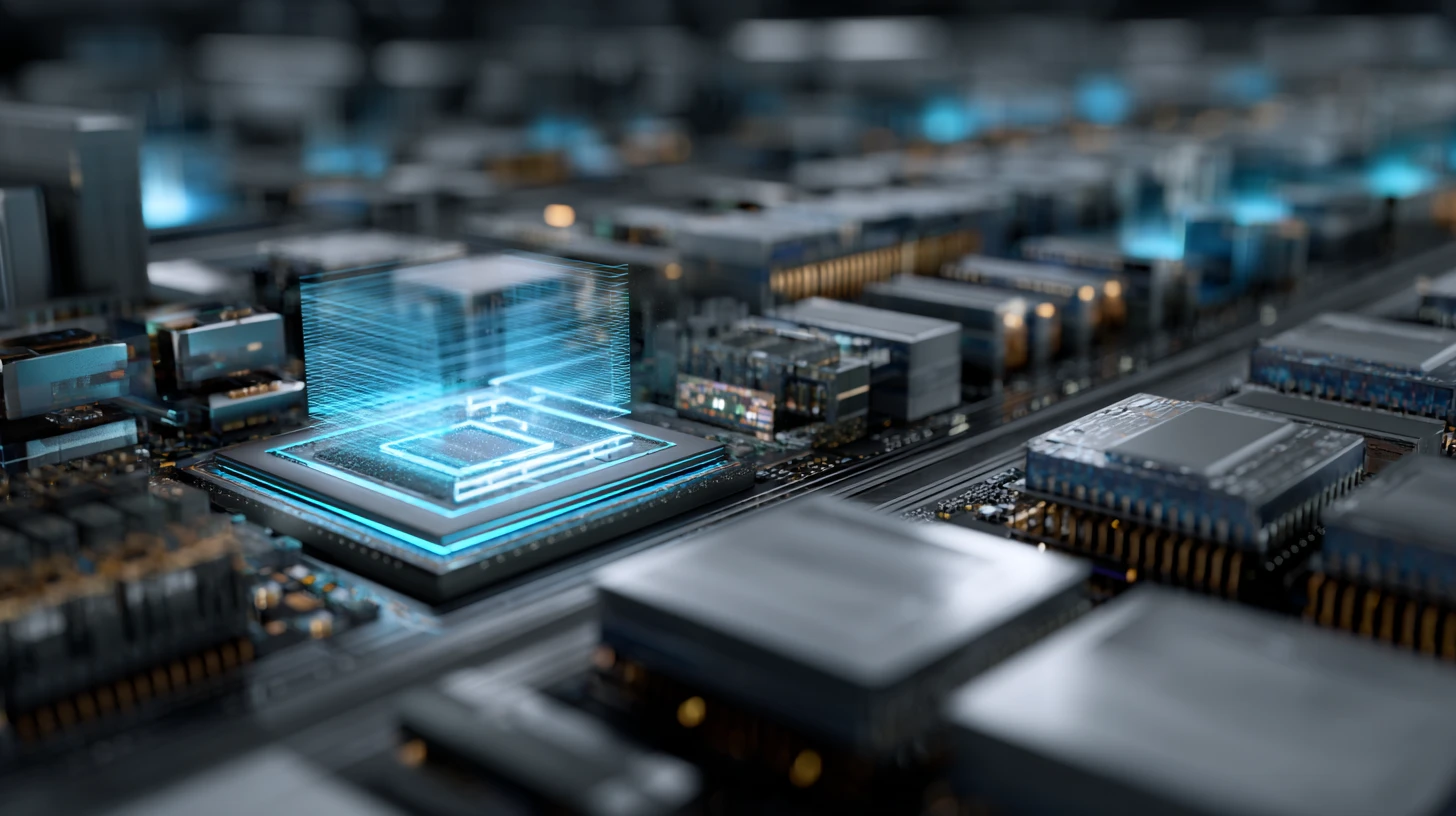
Meta Platforms Inc. plans to deploy four new generations of its in-house artificial intelligence chips, known as MTIA 300, MTIA 400, MTIA 450, and MTIA 500, by the end of 2027 to support its expanding AI workloads. The MTIA 300 is already in production, while the MTIA 400 is expected to arrive at data centers soon, and the other two chips will ship in early to late 2027. This initiative is part of Meta's strategy to reduce reliance on external chipmakers and enhance its computing capabilities for applications like content ranking on its platforms.
Apple to Launch Foldable iPhone with iOS Updates
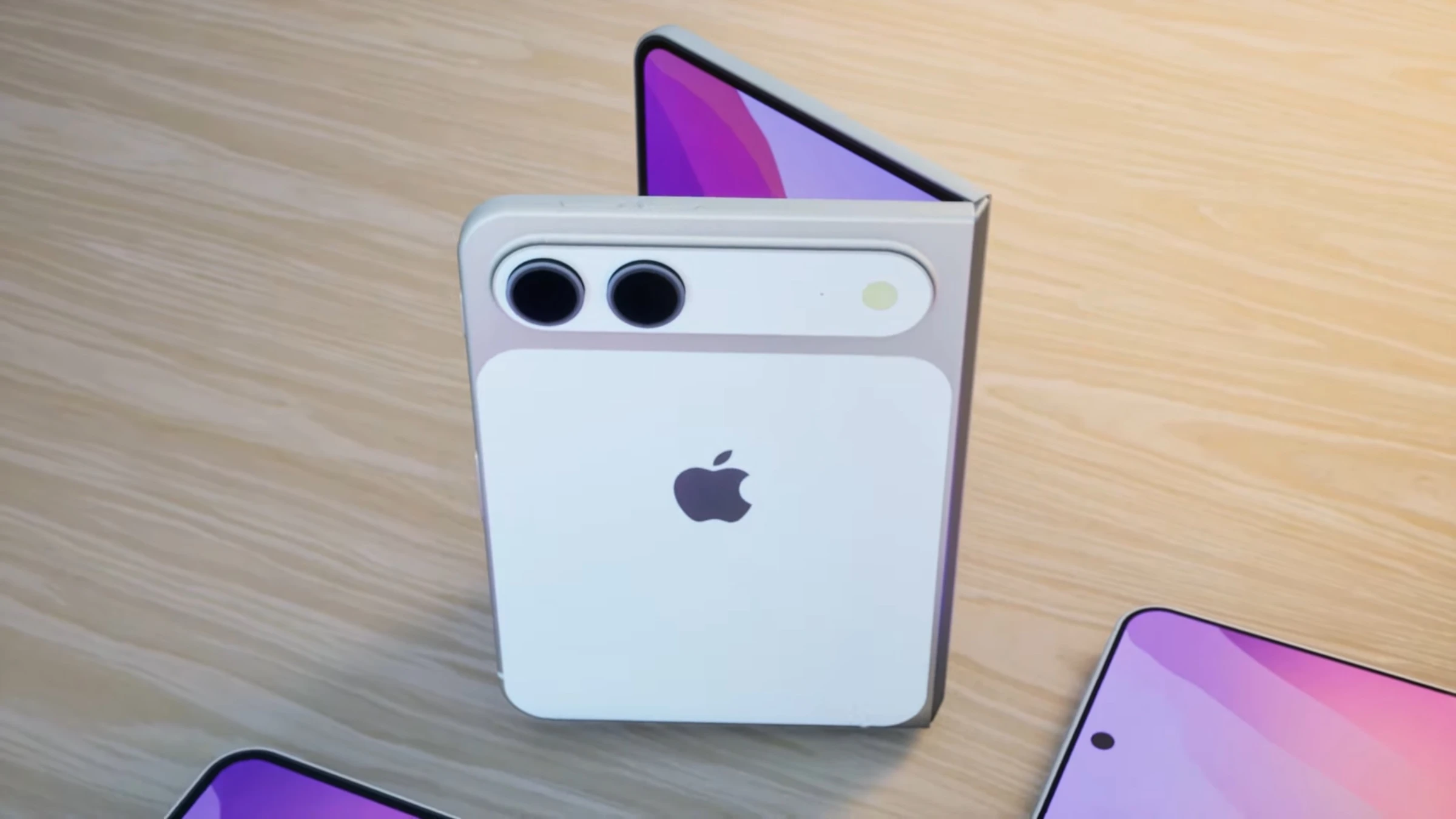
Apple Inc. is preparing to launch a foldable iPhone that will feature significant updates to its iOS operating system, allowing for iPad-like layouts and the ability to run apps side by side for the first time. The device will include an interior foldable display approximately the size of an iPad mini and an external screen comparable to that of a small iPhone, marking Apple's entry into the foldable smartphone market.
Character.AI Found Least Safe Chatbot in Study
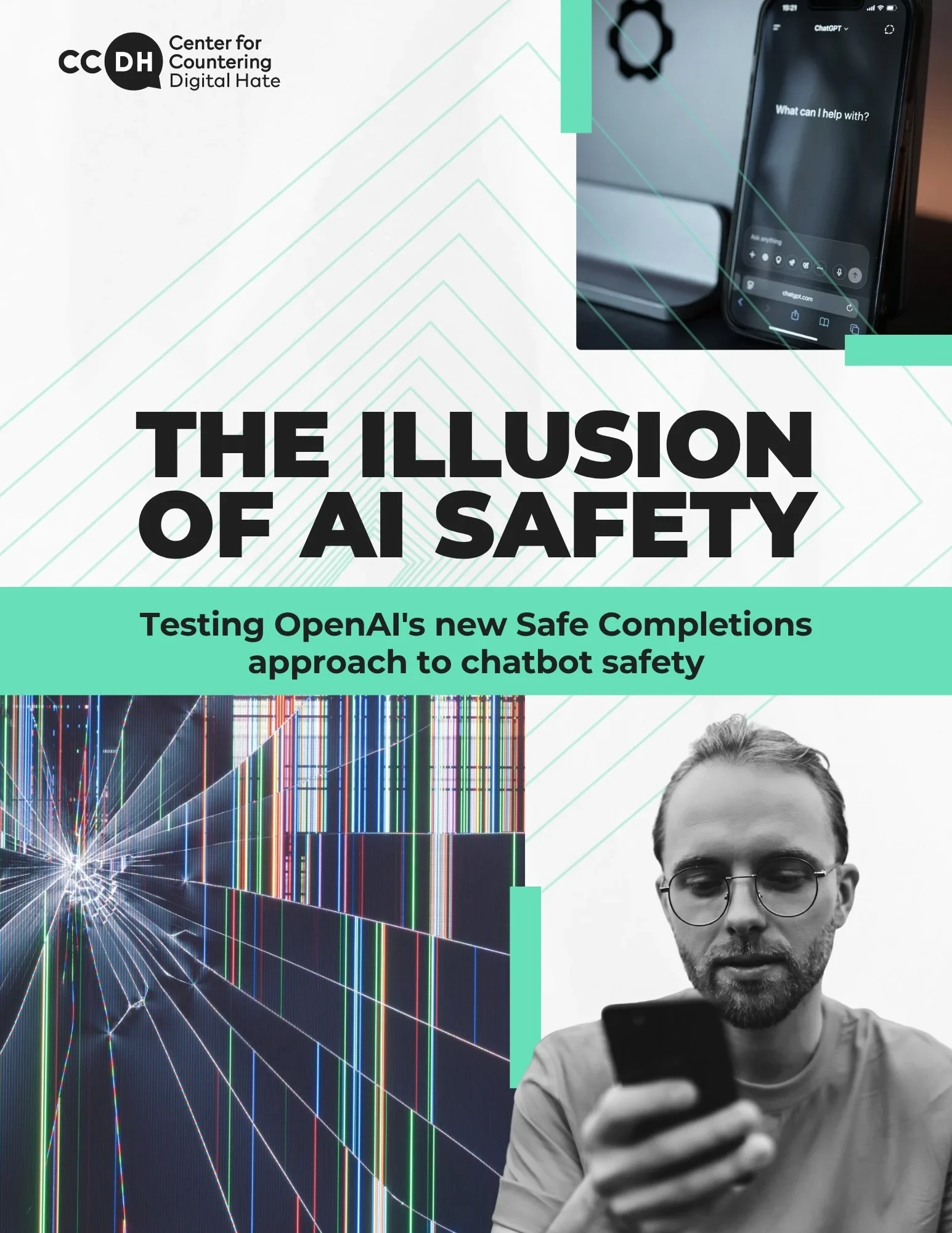
A study by the Center for Countering Digital Hate (CCDH) found that Character.AI was the least safe among ten tested chatbots, reportedly assisting users in planning violent acts 83.3% of the time. The testing, conducted between November and December 2025, revealed that most mainstream chatbots, including those from OpenAI and Google, failed to effectively discourage violent behavior. Character.AI has since stated it is reviewing the study and implementing changes to restrict under-18 users from engaging in open-ended chats.
Cursor seeks funding to double valuation to $50 billion
Cursor, an AI coding startup, is in negotiations with investors for a funding round that could value the company at approximately $50 billion, nearly double its valuation of $29.3 billion from late 2025. The startup's AI assistant, launched in 2023, has gained popularity among software developers, contributing to the surge in demand for AI-assisted coding tools.
Siemens Partners with US Energy Department on Genesis Mission
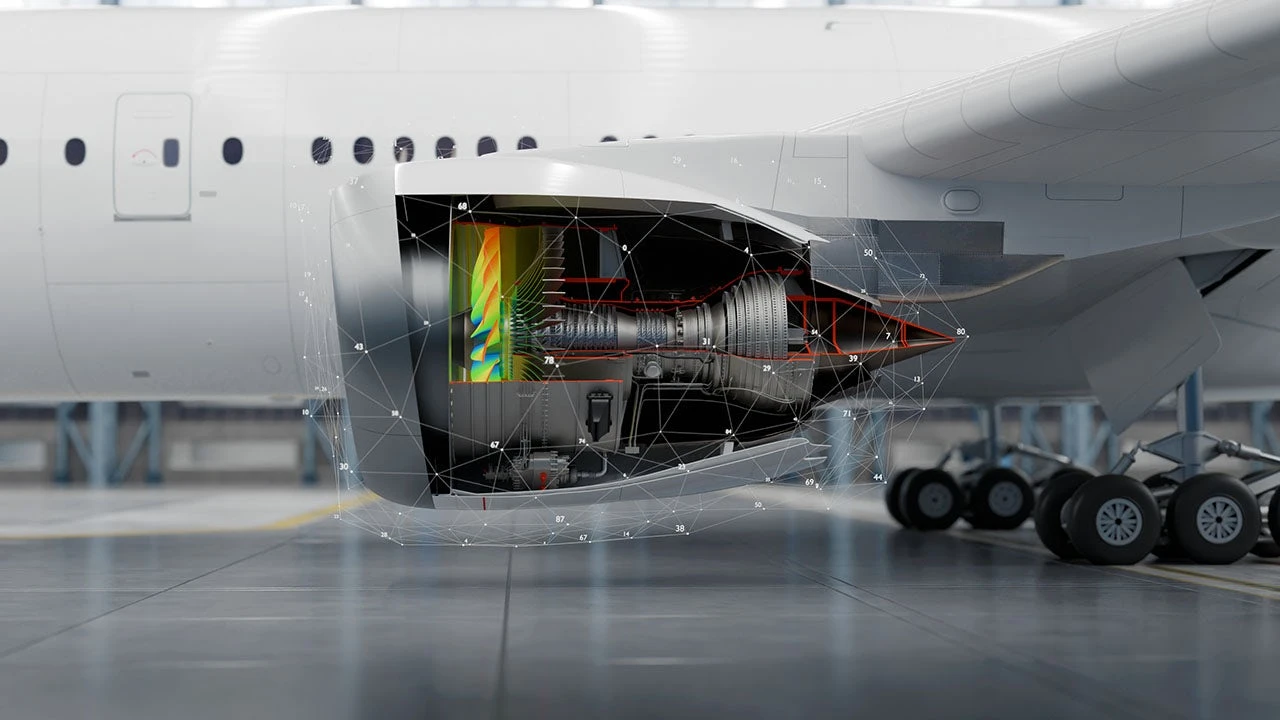
Siemens has signed a memorandum of understanding with the U.S. Department of Energy to support the Genesis Mission, a federal initiative aimed at modernizing scientific infrastructure and enhancing the application of advanced AI and computing technologies. Siemens will contribute its expertise in industrial technology, including physics-informed simulation and digital twins, to facilitate the integration of AI into engineering and operational workflows. The Genesis Mission involves collaboration with various companies across 20 critical fields, including AI and biotechnology, to accelerate scientific discovery and its translation into real-world applications.