White House Proposes National AI Regulation Framework
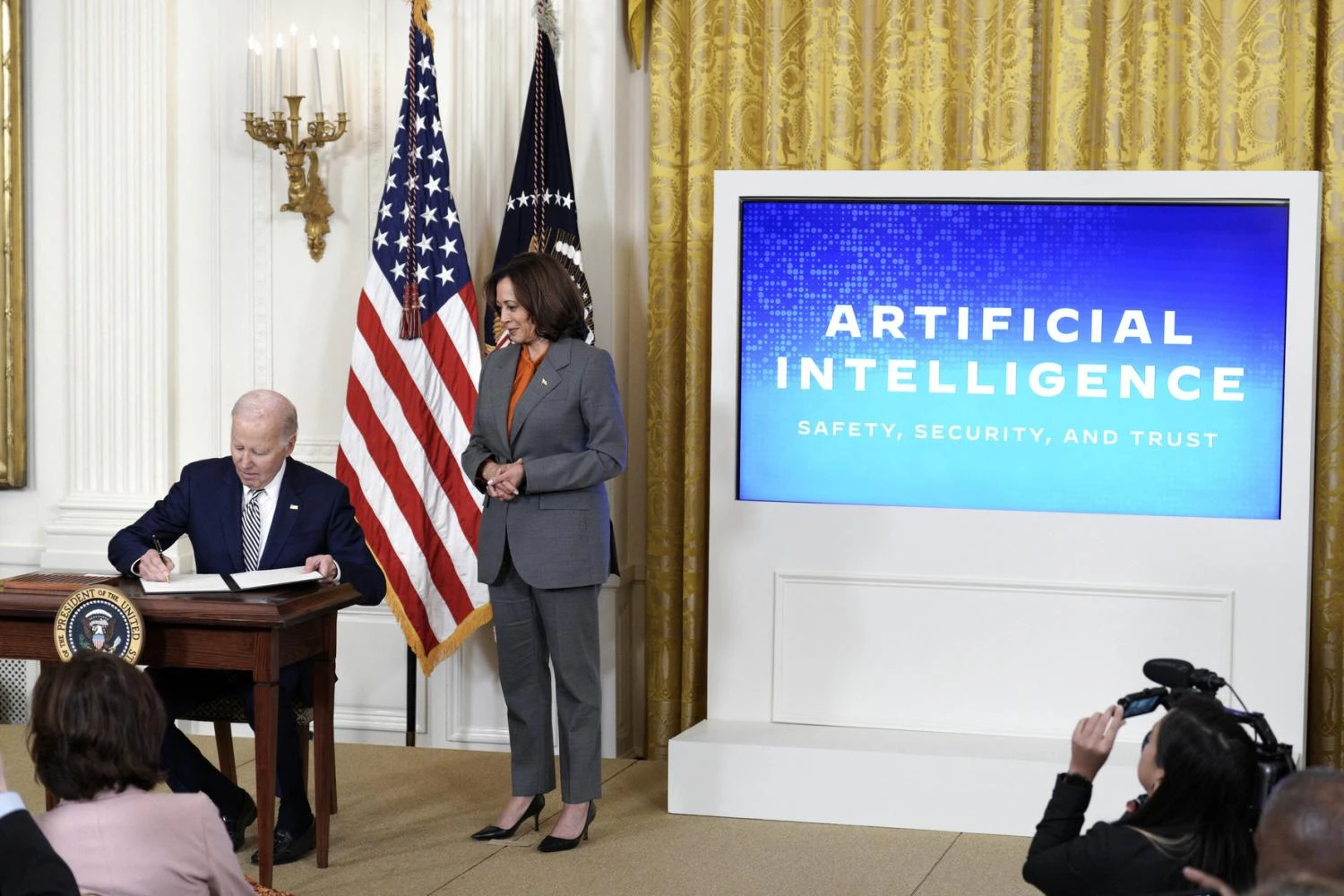
The White House has presented a national framework for regulating artificial intelligence to Congress, urging lawmakers to preempt state laws that could hinder the development of AI technologies. The proposal emphasizes protecting children, preventing surging electricity costs, and promoting AI skills training, while also calling for age-gating requirements for AI models likely to be accessed by minors. Despite support from House Republican leaders, bipartisan agreement remains uncertain as divisions over AI regulation persist.
Super Micro co-founder charged with export violations
Yih-Shyan 'Wally' Liaw, co-founder of Super Micro Computer, has been charged by US authorities for allegedly conspiring to smuggle Nvidia-powered servers to China, violating export control regulations. Following these charges, Liaw resigned from the company's board, and Super Micro's stock fell 14% in extended trading. The company has stated it is cooperating with the investigation and has placed Liaw and another employee on leave while terminating ties with a contractor involved.
Anduril Industries launches FURY drone production in Ohio
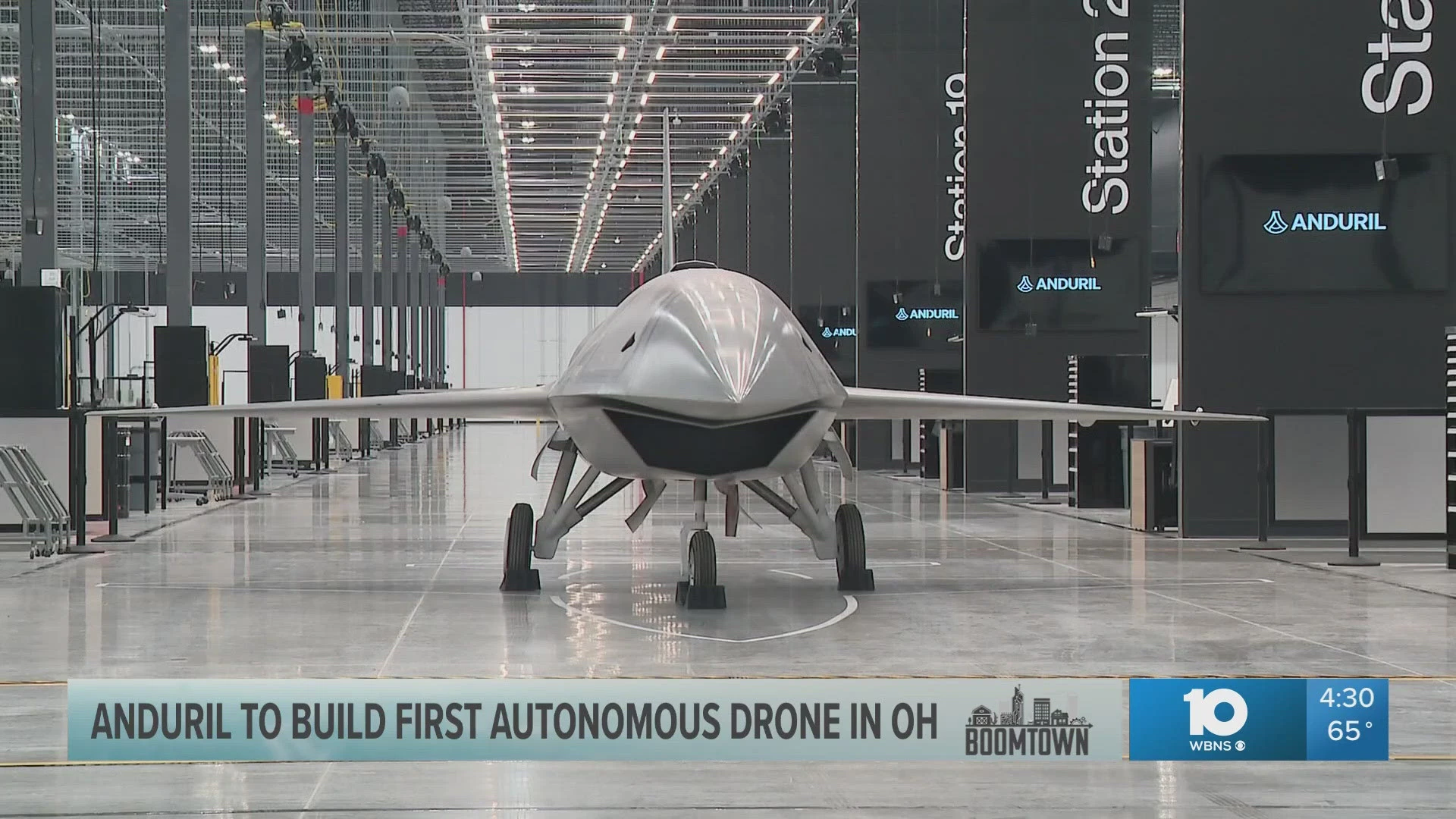
Anduril Industries has begun production of its FURY combat drones at a new facility in Ohio, marking a significant investment in advanced manufacturing technology aimed at enhancing U.S. military capabilities. The factory, which spans almost six football fields, is expected to create 4,000 jobs by 2035, with an average salary of approximately $125,000, according to JobsOhio.
Anthropic Sues Pentagon Over Supply Chain Blacklisting
Anthropic, a San Francisco-based AI company, is suing the Pentagon after being blacklisted as a "supply chain risk" due to its advocacy for limits on military use of its technology. This conflict has highlighted a divide in Silicon Valley, with some tech leaders supporting Anthropic's stance against government control, while President Trump criticized the company as "left-wing nut jobs." The situation could influence future collaborations between the tech sector and the Trump administration, as well as the dynamics of defense contracts.
Study Reveals Vulnerabilities in AI Systems and Software
Researchers from the University of Texas at Austin, Intel Labs, and other institutions have published a technical paper titled 'Cascade: Composing Software-Hardware Attack Gadgets for Adversarial Threat Amplification in Compound AI Systems,' which outlines vulnerabilities in both software and hardware that can exacerbate algorithmic attacks on large language models. The study emphasizes the need for a comprehensive understanding of security risks associated with enterprise software, highlighting the potential for a single vulnerability to significantly disrupt operations.