Elon Musk Advances Terafab Project for Chip Production
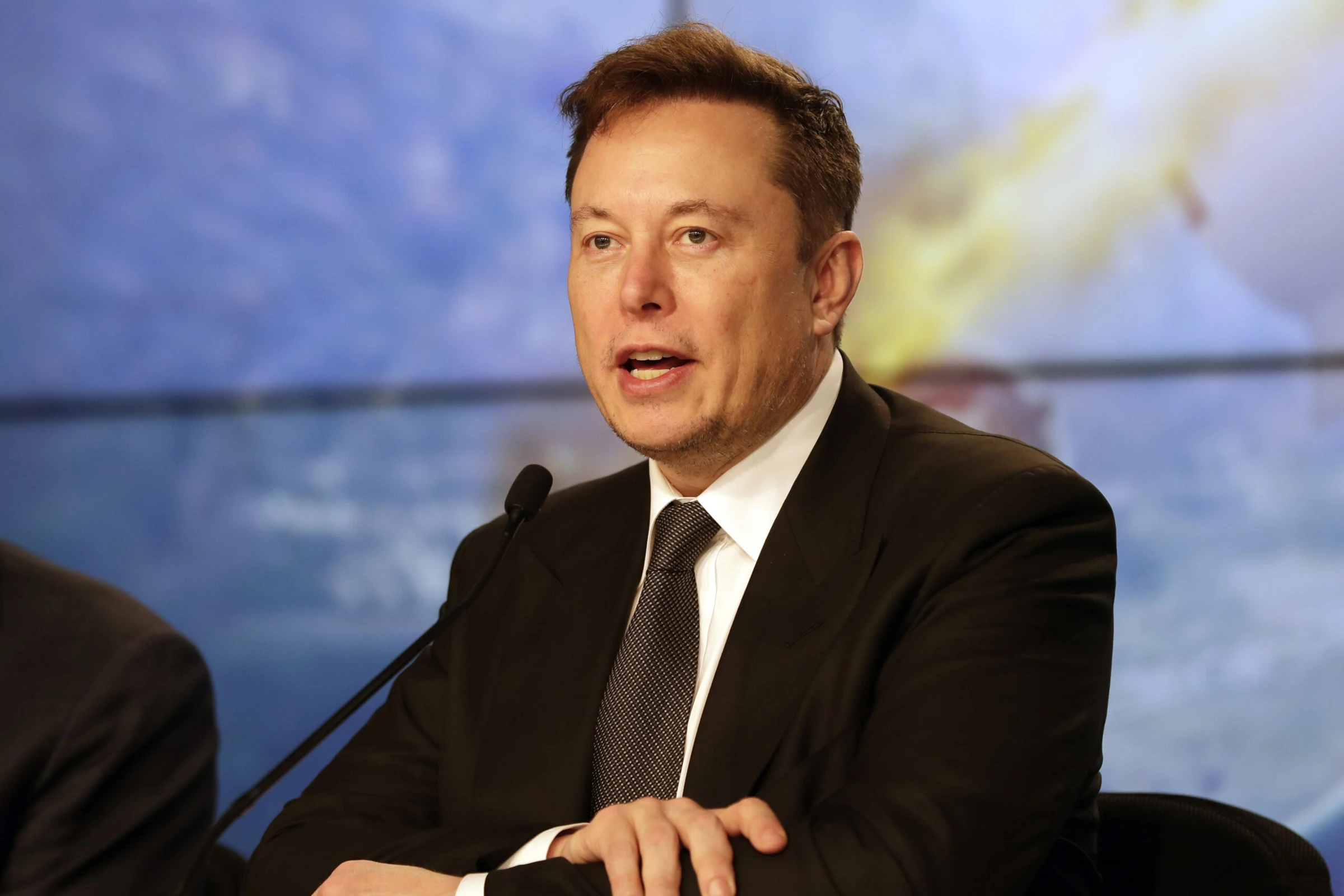
Elon Musk's team has initiated discussions with major semiconductor equipment suppliers, including Samsung Electronics, Applied Materials, Tokyo Electron, and Lam Research, to expedite the development of the Terafab project, which aims to produce advanced chips for Tesla and SpaceX. The project plans to start with a pilot line in Austin, Texas, producing 3,000 silicon wafers per month, with a long-term goal of reaching 1 terawatt of computing capacity and full-scale production by 2029. Despite skepticism regarding the project's feasibility and the estimated investment of $5 trillion to $13 trillion, Musk is pushing forward with plans to internalize chip manufacturing processes.
OpenAI Introduces GPT-Rosalind for Life Sciences Research
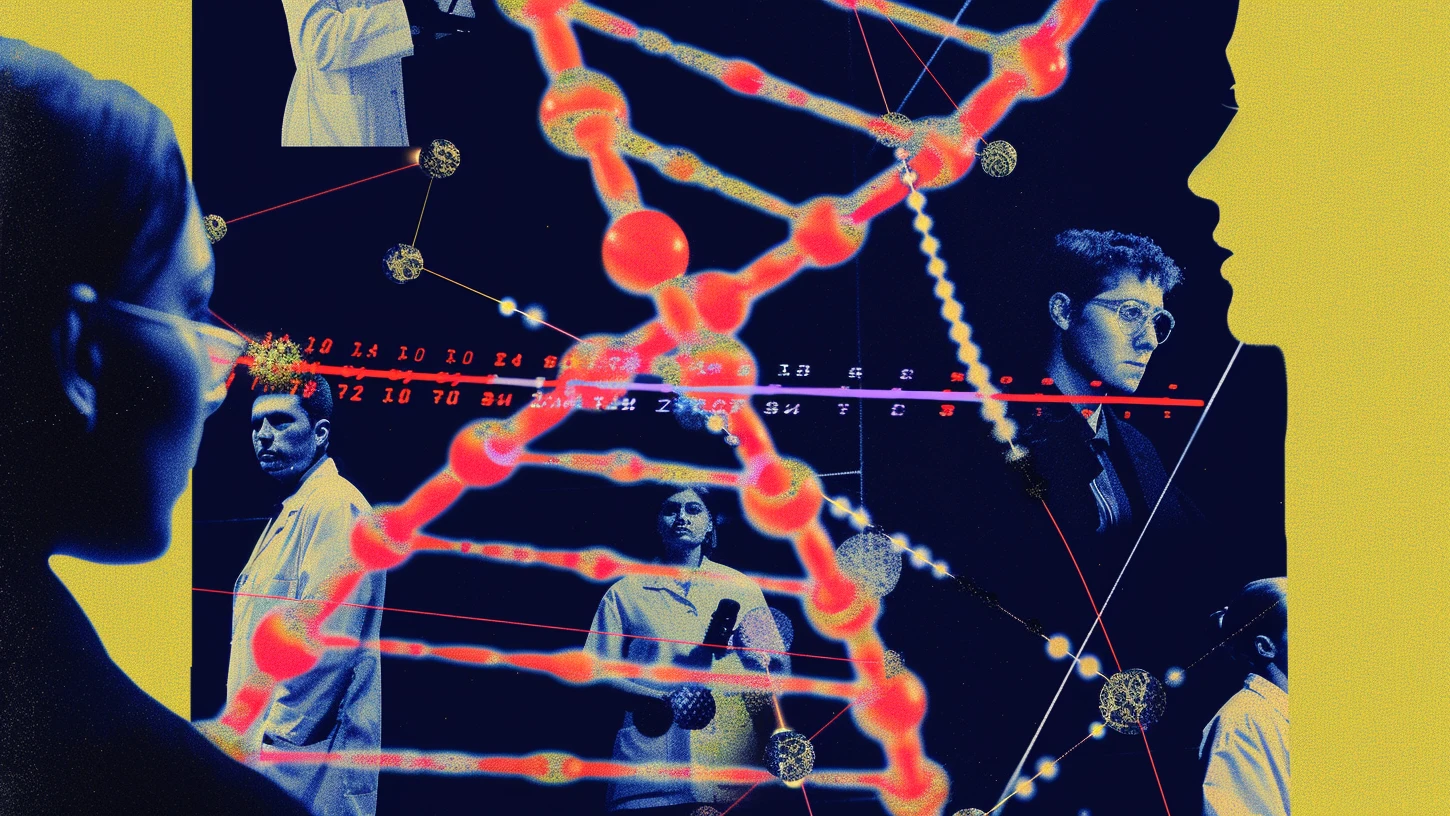
OpenAI has launched GPT-Rosalind, an AI model tailored for life sciences research, designed to enhance workflows in biology, drug discovery, and translational medicine. Currently available in closed access, the model aims to support researchers by improving evidence synthesis, hypothesis generation, and experimental planning, while being tested by organizations such as Amgen and Moderna. OpenAI has implemented a trusted access program for qualified US-based entities to utilize the model, which is named after Rosalind Franklin, a key figure in the discovery of DNA's structure.
Governments Struggle to Regulate Rapidly Evolving AI
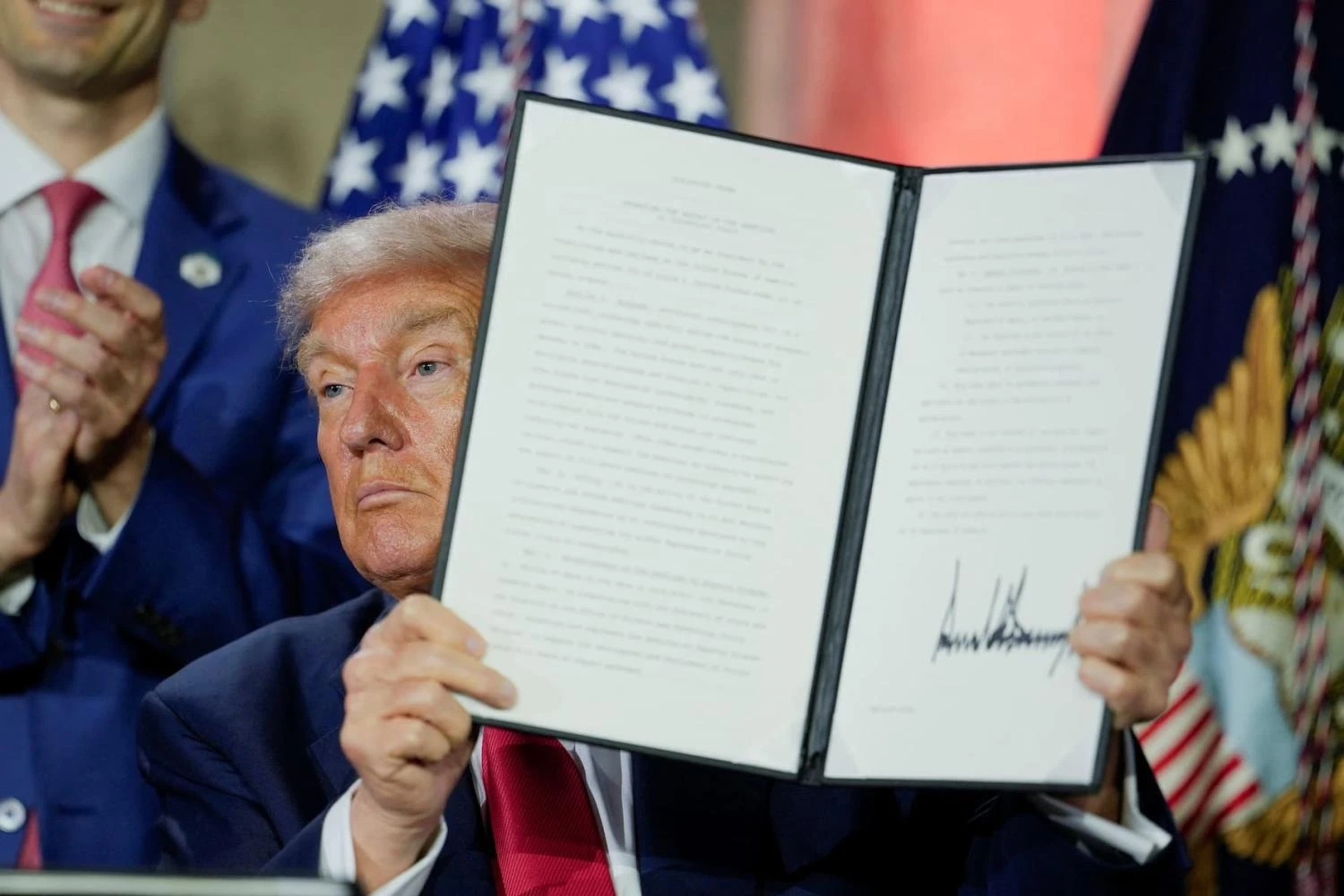
Governments are struggling to effectively regulate artificial intelligence (AI) as its rapid evolution poses significant societal challenges. Despite the potential benefits of AI tools in areas like criminal justice, many lack independent validation and carry risks of discrimination, leading to wrongful arrests and unconstitutional surveillance. An executive order from President Donald Trump has further complicated state-level regulation efforts, threatening to undermine necessary guardrails for AI deployment.