UK economy faces worst peacetime growth since Industrial Revolution
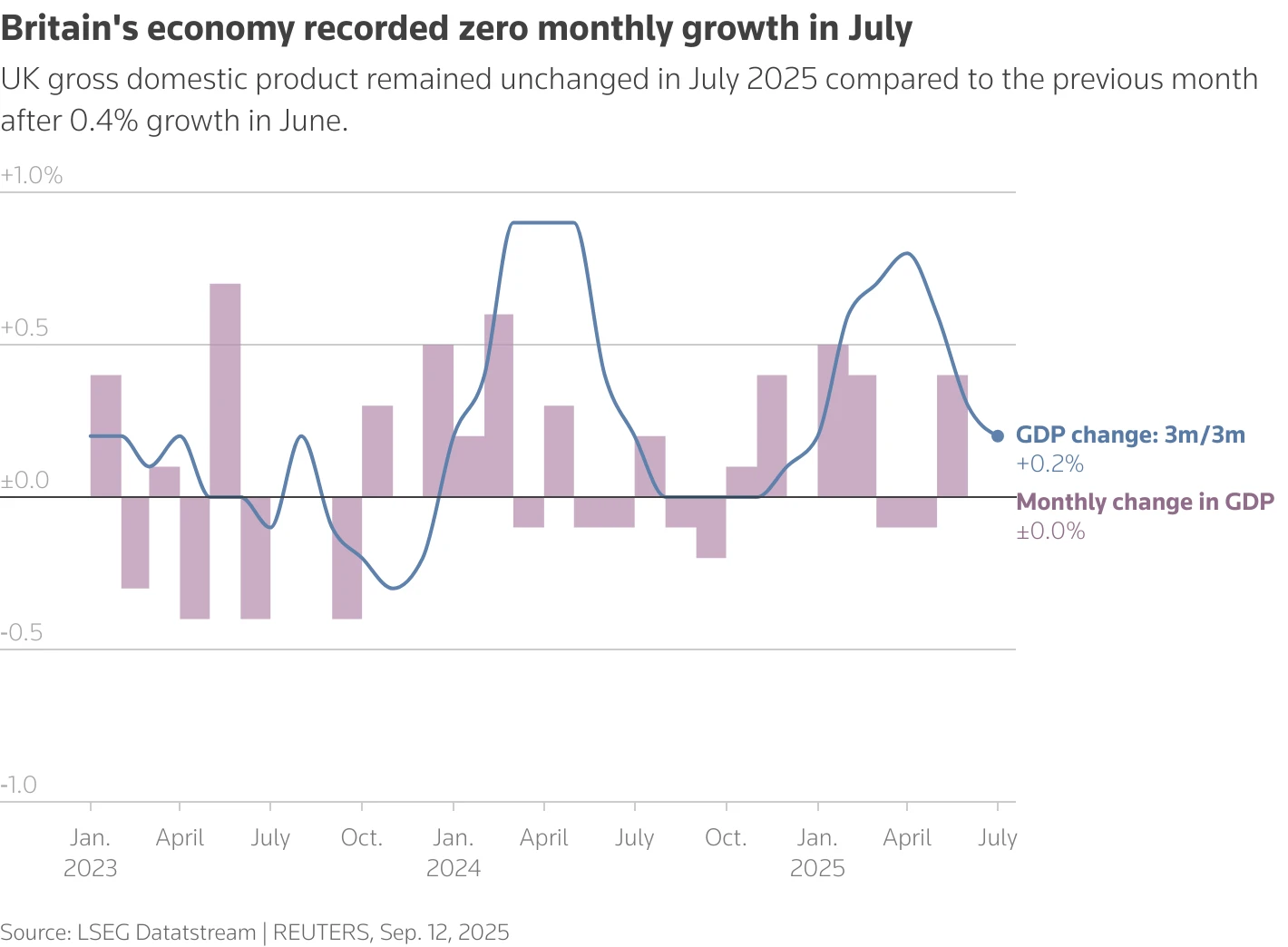
The UK economy has recorded its worst growth period in peacetime since the Industrial Revolution, with estimates indicating virtually no growth from October to December 2025. This stagnation has prompted calls for politicians and voters to confront the realities of a zero growth economy.
Nottinghamshire Police Failed to Act on Arrest Warrant
An inquiry has revealed that Nottinghamshire Police failed to execute an arrest warrant for Valdo Calocane, a violent schizophrenic man, for ten months prior to his killing of three individuals in Nottingham on June 13, 2023. The warrant was issued in September 2022 after Calocane did not attend a court hearing related to an assault on an emergency worker. The inquiry described this as a "serious, systemic, operational failure" and highlighted that Calocane had assaulted two colleagues a month before the fatal attacks.
UK household energy prices to fall 7% in 2026
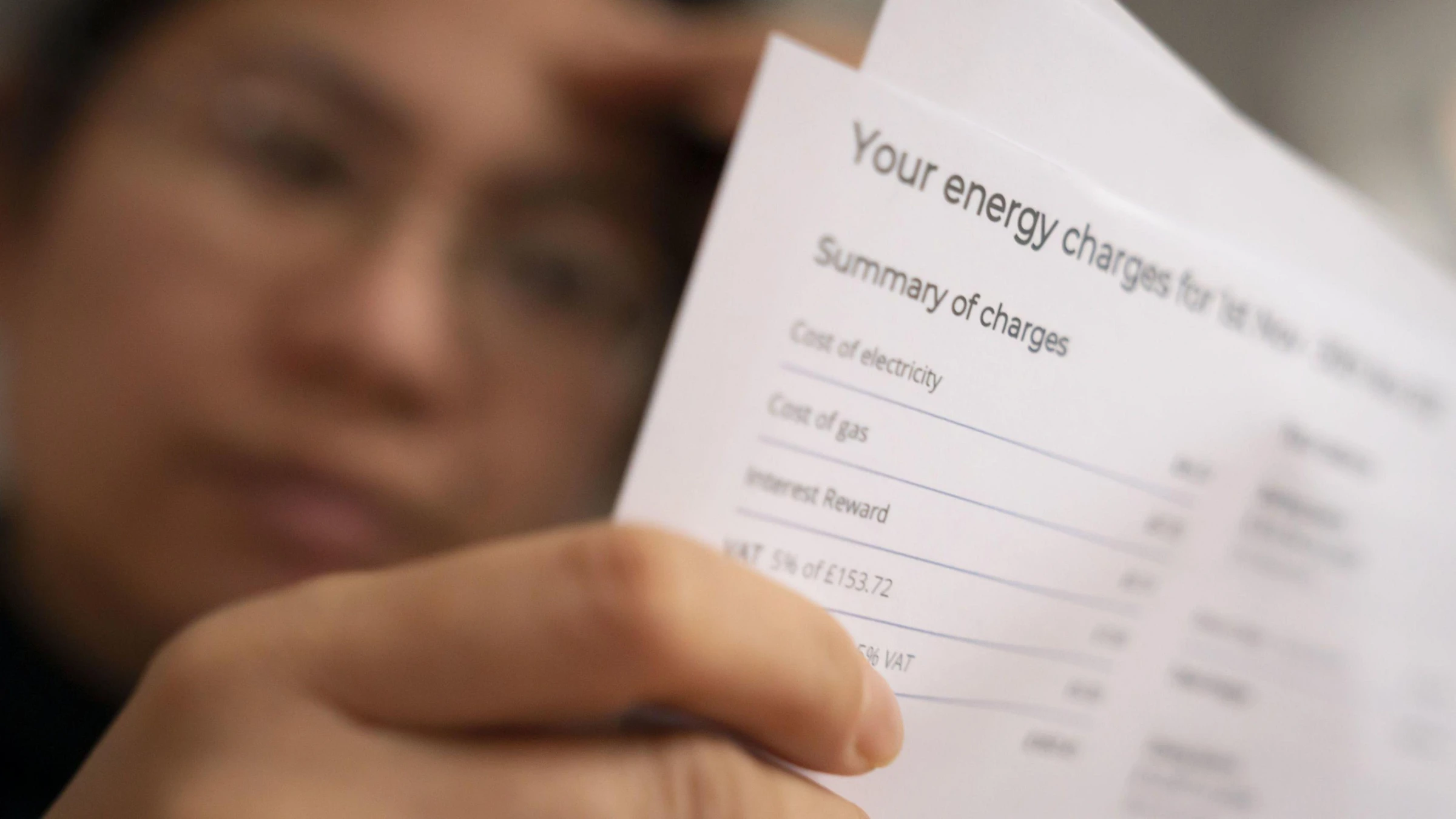
The UK government announced that household energy prices will decrease by 7% starting April 1, 2026, with the average bill dropping from £1,758 to £1,641, following a £150 cut and changes to the energy price cap. This reduction is attributed to the government's decision to end the Energy Company Obligation scheme and remove 75% of costs associated with the Renewables Obligation scheme. Energy regulator Ofgem confirmed that these savings will be automatically applied to bills, benefiting millions of households across the country.
Bank of England links government policies to youth unemployment rise
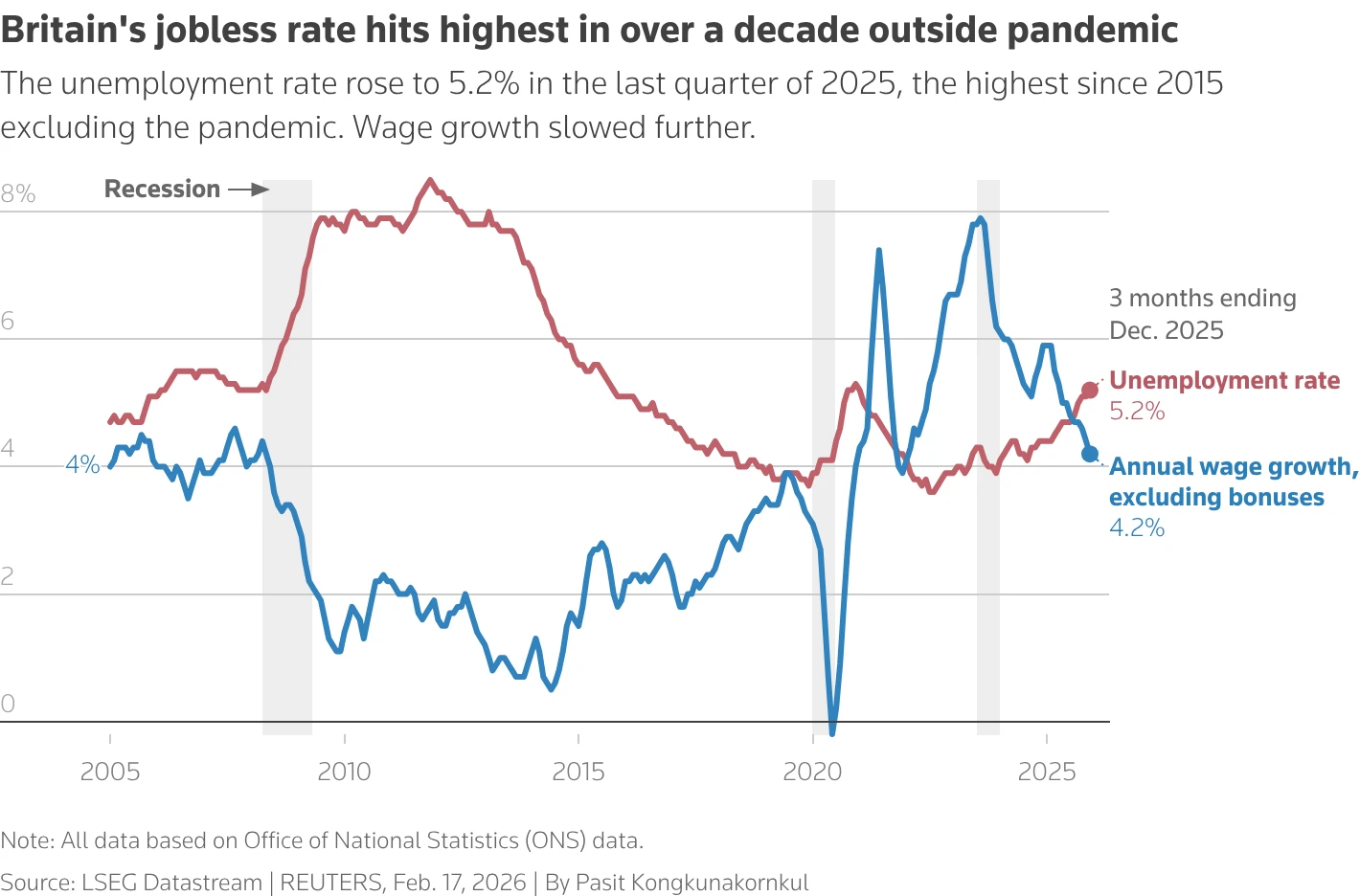
The Bank of England has reported that recent government policies, including increases to minimum wage rates and payroll taxes, have significantly contributed to rising youth unemployment in the UK. As of late 2025, 739,000 individuals aged 16 to 24 were unemployed, representing a rate of 16.1%, up from 14.7% the previous year. The Bank's chief economist warned of a potential 'lost generation' if these trends continue, highlighting the need for targeted interventions to support young job seekers.
Senedd Approves Motion for Assisted Dying Services
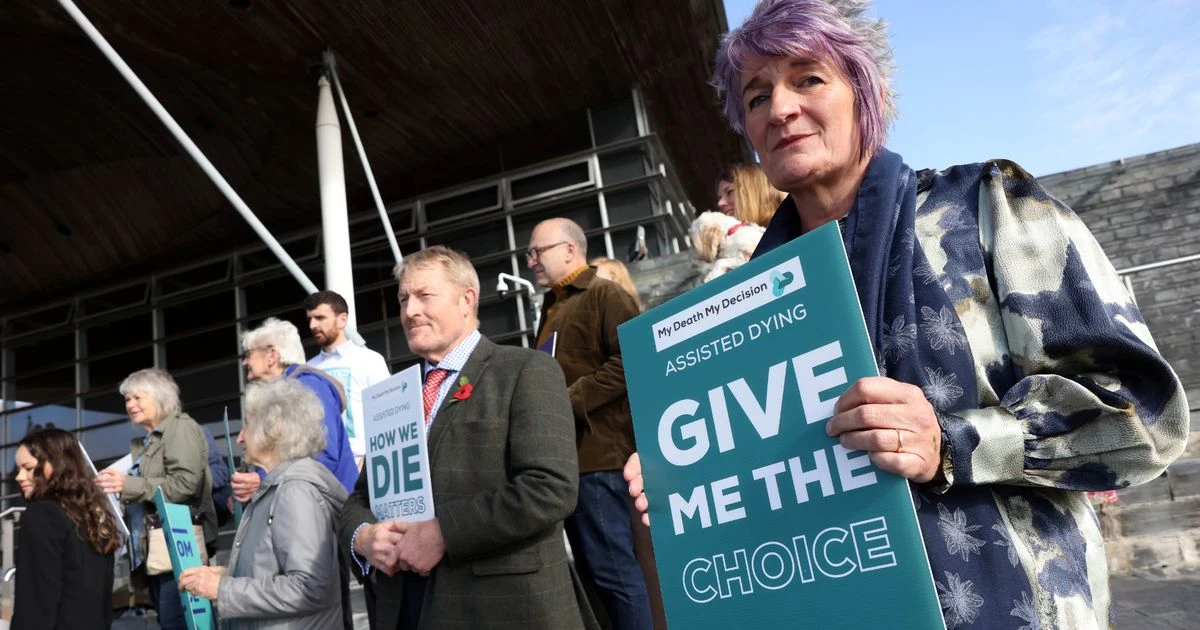
The Senedd voted 28 to 23 in favor of a Legislative Consent Motion (LCM) that would allow Welsh ministers to shape the implementation of assisted dying services within the NHS, contingent on the passage of the Terminally Ill Adults (End of Life) Bill currently in the House of Lords. This legislation aims to legalize assisted dying for terminally ill adults in England and Wales under strict criteria. While the vote does not alter existing criminal law, it positions Wales to tailor its approach to assisted dying, including provisions for Welsh-language support.
UK Government Mandates Same-Day GP Appointments
The UK government has introduced a new GP contract mandating that all patients with urgent needs receive same-day appointments, supported by a £485 million funding increase. In Scotland, First Minister John Swinney announced the opening of the first of 16 new walk-in clinics, which aim to provide over one million additional appointments, with the first site in Edinburgh already operational since February 11. These initiatives are part of broader efforts to enhance access to GP services and address capacity pressures in the healthcare system.
Northern Ireland Parties Reject Multiyear Budget Proposal
Northern Ireland's political parties have rejected a proposed multiyear budget plan, despite receiving a £400m repayable bailout from the UK Treasury earlier this month. The NI Fiscal Council warned that while the draft budget for 2026-2029 appears balanced on paper, it faces a 'credibility challenge' due to expected overspending of up to £1bn next year, driven by public sector pay pressures and rising inflation.