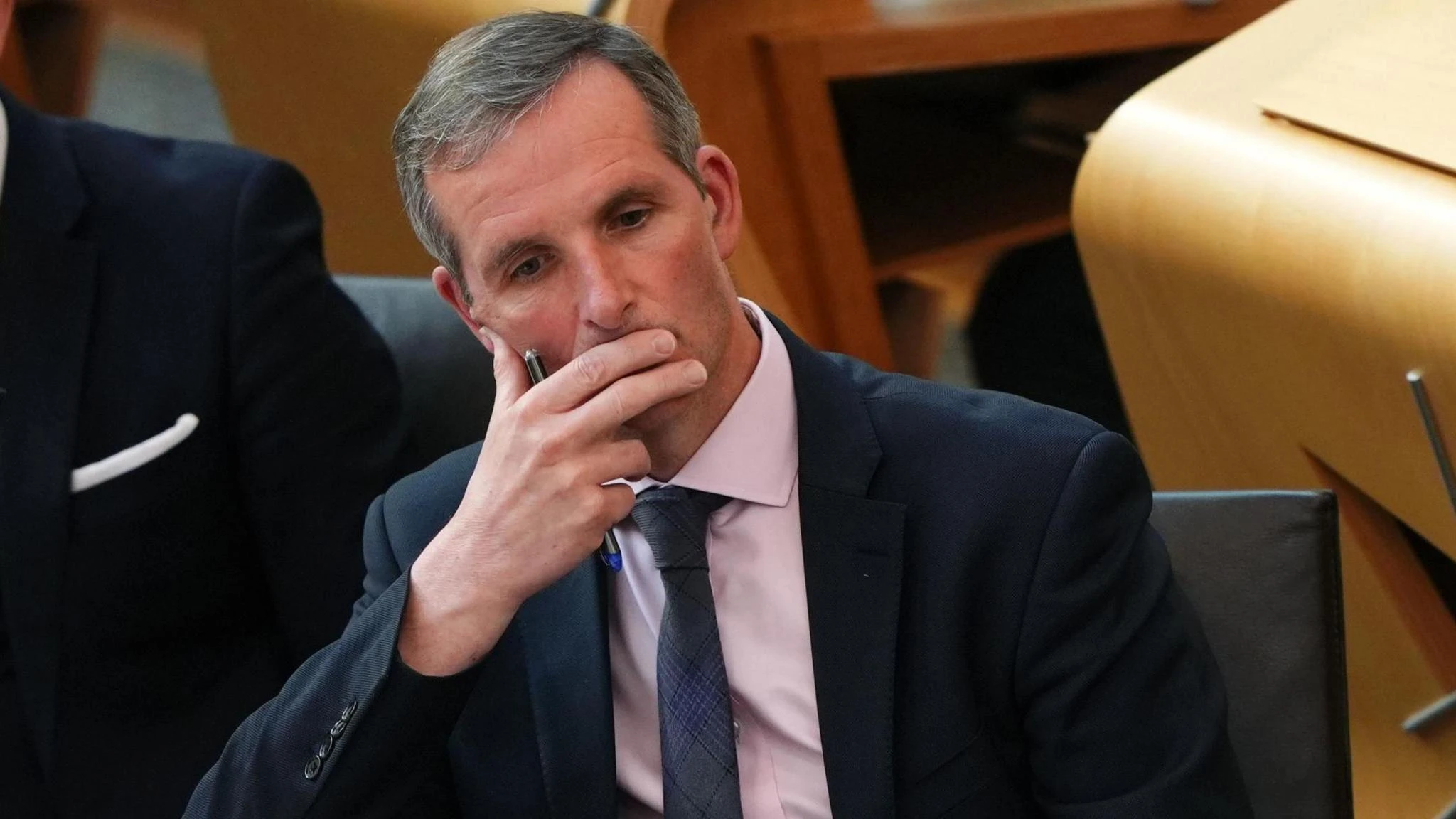
Scottish Parliament to Vote on Assisted Dying Bill
Members of the Scottish Parliament (MSPs) are set to vote on Liam McArthur's Assisted Dying for Terminally Ill Adults Bill, which would allow adults with six months or less to live to request a self-administered lethal drug under medical supervision. Despite the approval of 175 amendments aimed at enhancing safeguards, First Minister John Swinney has expressed concerns about the bill's adequacy, citing significant vulnerabilities for individuals. The vote, scheduled for Tuesday, follows a narrow approval of the bill's principles last May, with MSPs now divided on its final form.
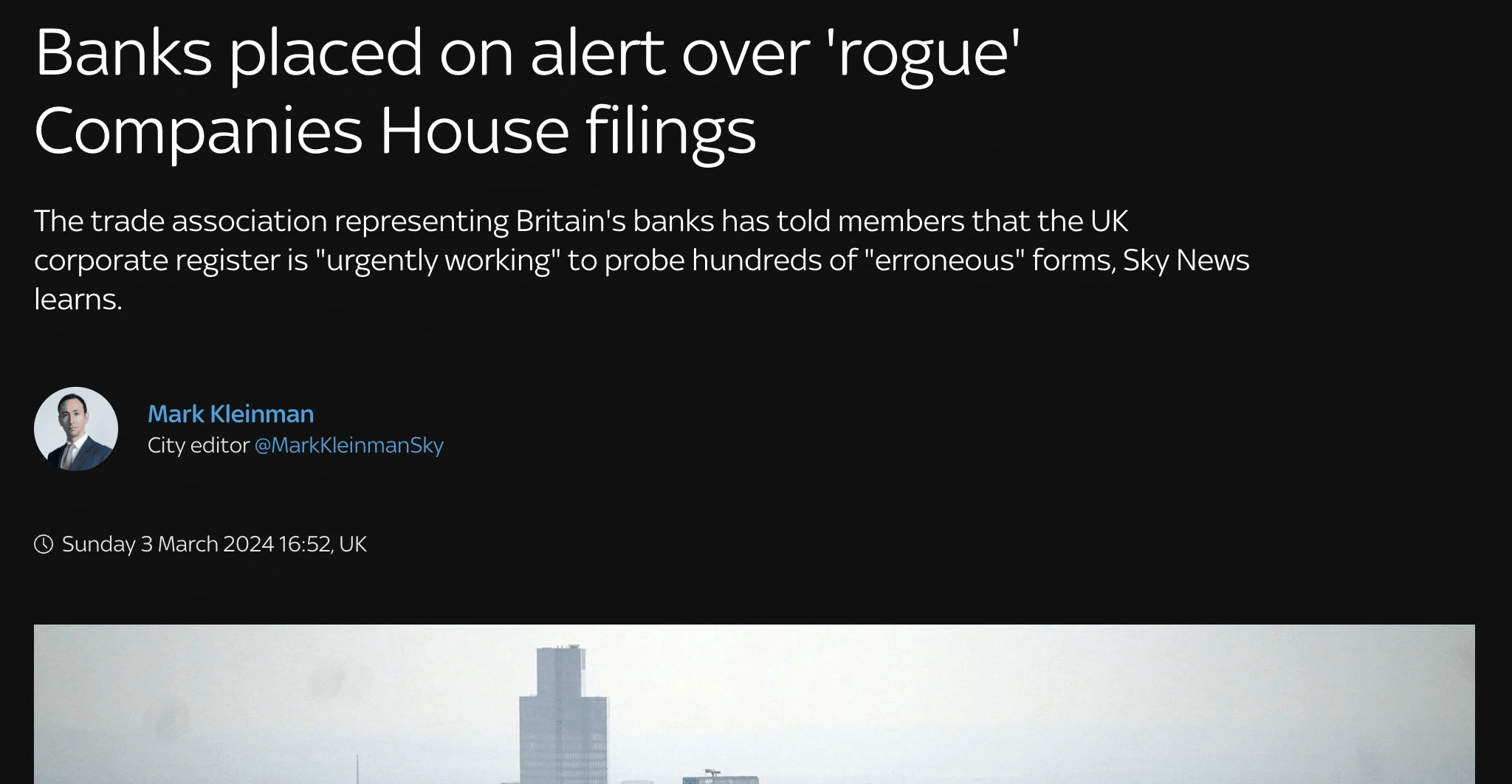
UK Companies House security breach exposes director information
Companies House in the UK experienced a significant security glitch that allowed unauthorized individuals to access and potentially edit the details of any of the five million registered companies. This vulnerability, discovered on March 12 by John Hewitt of Ghost Mail, exposed directors' personal information, including home addresses and email addresses, prompting Dan Neidle, founder of Tax Policy Associates, to advise business directors to verify their information immediately to guard against fraud. In response, Companies House has temporarily suspended its filing service while it investigates the issue.
Miliband Rejects North Sea Oil Exploitation Amid Price Surge
Ed Miliband, the UK's Energy Secretary, has rejected calls to exploit the North Sea's oil reserves, stating that such actions would not address energy concerns amid the ongoing conflict in the Middle East. Miliband emphasized that the government is exploring options to secure the Strait of Hormuz, a vital shipping lane for global oil supply, while dismissing claims that increased North Sea drilling would lower prices as 'totally false.' This comes as oil prices surged above $103 per barrel, driven by tensions in the region.
UK Rental Market Sees 2 Million Homes Unavailable
Research by Hamptons reveals that over 2 million rental homes are currently unavailable in the UK due to a stamp duty surcharge on second homes introduced on April 1, 2016. The analysis indicates that the number of rental properties has decreased by 25.4% since February 2016, resulting in nearly 2.2 million fewer homes than projected if the market had continued to grow at pre-2016 levels. The surcharge, initially set at an extra 3% and later increased to 5%, has effectively shifted the market away from investors, achieving its intended goal of reducing the number of properties purchased by them.