UK Chancellor Faces £20 Billion Shortfall Amid Inflation Surge
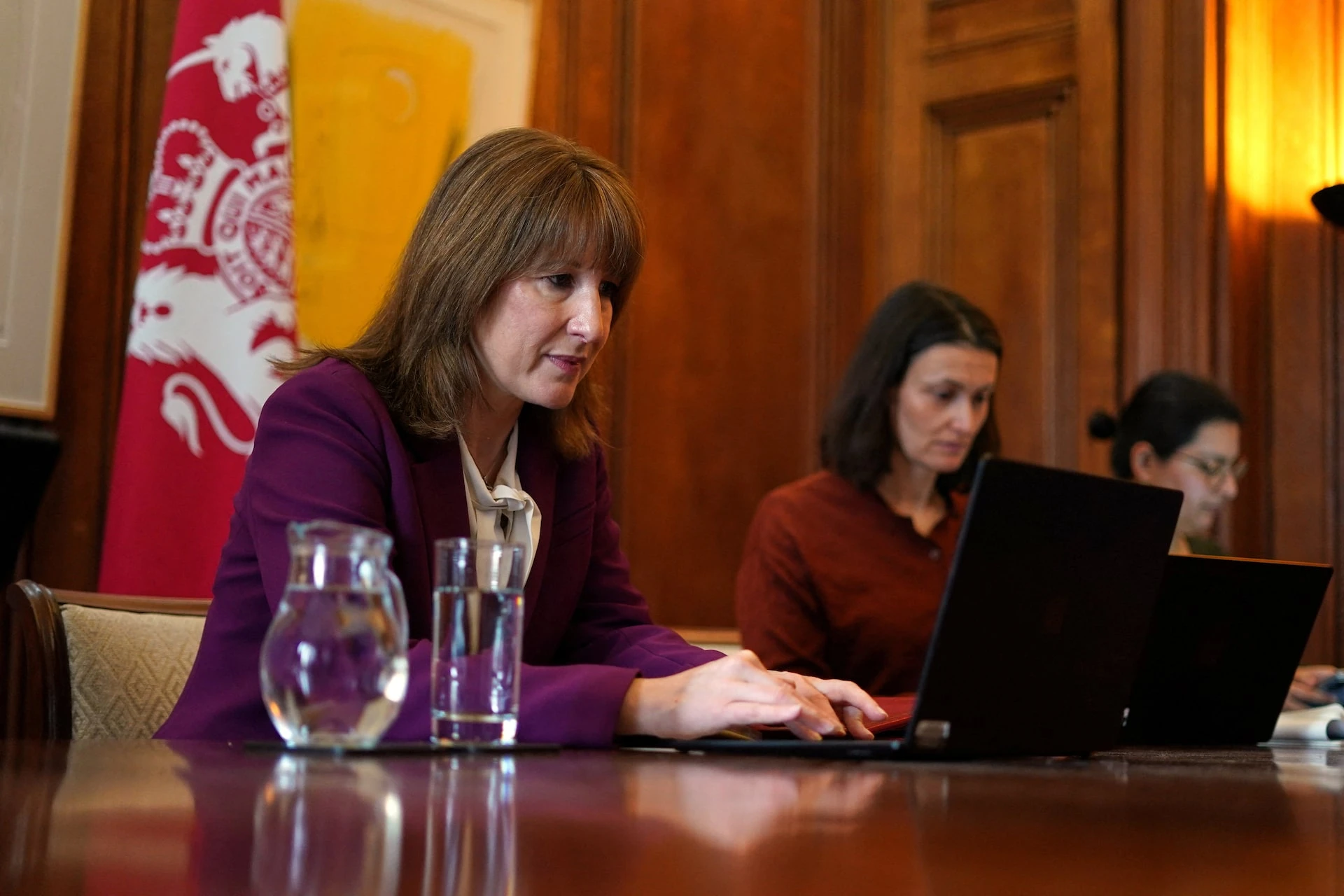
Rachel Reeves, the UK Chancellor of the Exchequer, is confronting a potential £20 billion shortfall in her spending plans due to rising inflation and borrowing costs linked to the ongoing Middle East energy crisis. The Institute for Fiscal Studies warns that surging oil and gas prices could significantly increase welfare payments and public sector pay demands, while higher inflation may elevate the cost of servicing the UK's index-linked debt by up to £10 billion. This fiscal strain comes as Prime Minister Keir Starmer prepares for an emergency meeting to address the economic fallout from the conflict in Iran.
UK Government Addresses Economic Impact of Iran Conflict
British Prime Minister Sir Keir Starmer convened a Cobra meeting today to address the economic fallout from the ongoing conflict in Iran, which has led to rising oil and gas prices, with Brent crude reaching $112. The meeting includes Chancellor of the Exchequer Rachel Reeves and Bank of England Governor Andrew Bailey, focusing on the impact on families and businesses, energy security, and supply chain resilience. The UK government is particularly concerned about the potential rise in inflation, which economists predict could reach 5% this year.
UK to Mandate Disclosure of Political Donor Identities
The UK government is set to introduce new regulations requiring companies to disclose the individuals behind political donations, a move aimed at reducing foreign interference in the political process. This initiative follows concerns raised by Parliament regarding attempts at foreign influence from countries such as China, Russia, Iran, and North Korea, as outlined in the government's National Security Strategy published in June 2025.
UK to Abolish Most Short Jail Sentences by 2026
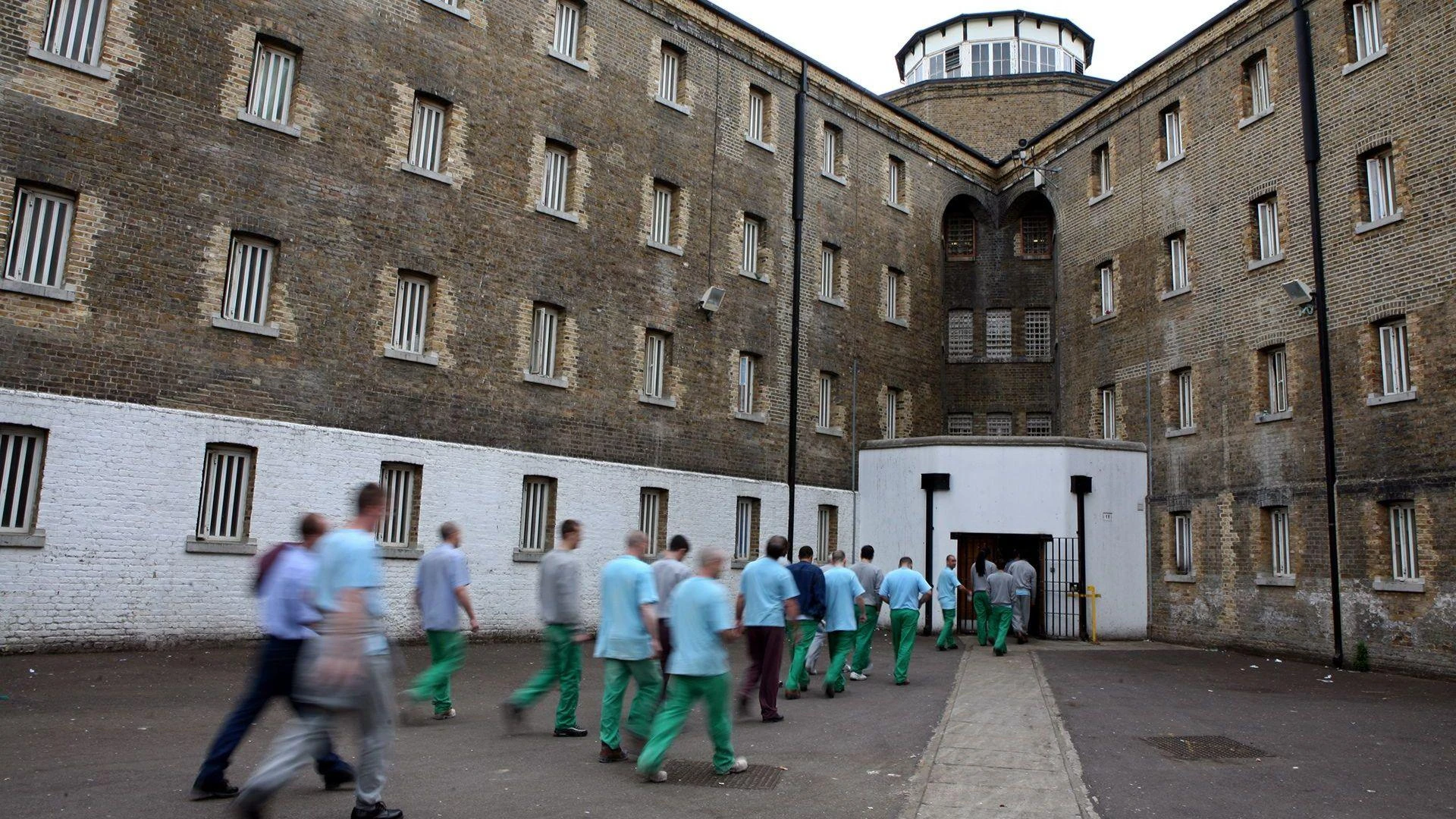
The UK government has implemented a significant reform to sentencing, effective March 23, 2026, which abolishes most short jail sentences of up to one year, replacing them with suspended sentences in most cases. This change, part of the Sentencing Act 2026, aims to alleviate overcrowding in prisons, where over 6,000 individuals are currently serving such short terms, and is expected to encourage better rehabilitation outcomes. Courts will now only impose short jail terms in exceptional circumstances, while also allowing judges to defer sentences for up to 12 months to address underlying issues such as drug addiction.