UK abolishes two-child benefit cap for families
The UK government has abolished the two-child cap on benefits, allowing approximately 480,000 families with three or more children to receive an average increase of £4,100 annually in universal credit. This change, effective from the start of the new financial year, is expected to provide significant financial relief amid rising living costs, although some critics argue that the funds could be better allocated. Additionally, about three million families will see an average increase of £120 in their basic universal credit allowance this year.
Local and Devolved Elections Set for May 2026
Voters in England, Scotland, and Wales will participate in local and devolved elections on May 7, 2026, amid a pre-election period that began on April 16 for local elections in England and on April 8 for the Senedd Cymru elections. The elections are expected to be significant, with recent trends indicating a rise in councils without overall control, as seen in the 2025 local elections where Reform UK won 41% of the seats contested, while Labour and the Conservatives experienced declines in their share of the vote.
UK Government Pursues Anthropic Expansion Amid Supply-Chain Concerns
The UK government is actively seeking to attract AI company Anthropic to expand its operations in London following its designation as a supply-chain risk by the US Department of Defense. Proposals from the Department for Science, Innovation and Technology include a dual listing and an office expansion, which will be presented to Anthropic's CEO Dario Amodei during his visit to the UK in late May. This initiative aligns with the UK’s broader strategy to enhance domestic AI capabilities and reduce reliance on foreign firms.
UK Cuts Universal Credit Health Payments for New Applicants
The UK government has implemented changes to the health element of Universal Credit, effective April 6, 2026, which will reduce payments for new applicants from £429.80 to £217.26 per month. This reform aims to save £1 billion by 2030/31 and is intended to incentivize work and provide genuine support for sick or disabled individuals. Families like that of Erika Lye are concerned about the financial impact, as her son Jack, who is autistic, may lose up to £200 a month compared to his brother Logan, who applied before the changes.
UK Home Secretary Proposes Stricter Immigration Reforms
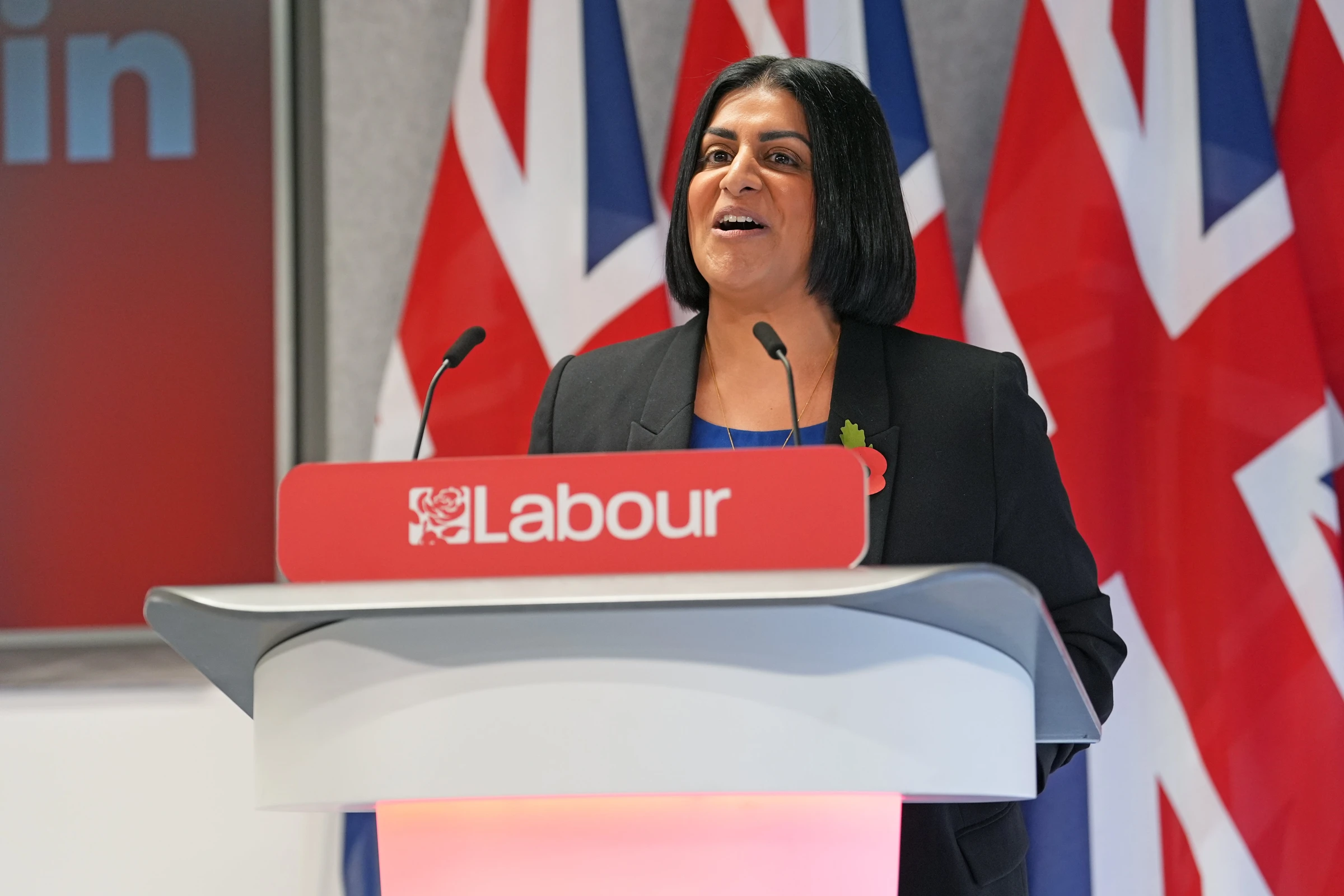
Home Secretary Shabana Mahmood is leading efforts to implement stricter immigration reforms in the UK, which would extend the waiting period for migrants to qualify for indefinite leave to remain from five to ten years. In response to concerns from backbenchers and Labour MPs, government ministers are collaborating to secure exemptions for those already residing in the UK, as critics argue that the proposed changes could apply retrospectively. The government has indicated that the reforms are still subject to consultation, amid rising tensions within the party and calls for a symbolic parliamentary vote on the measures.