Keir Starmer Faces Challenges After Local Election Losses
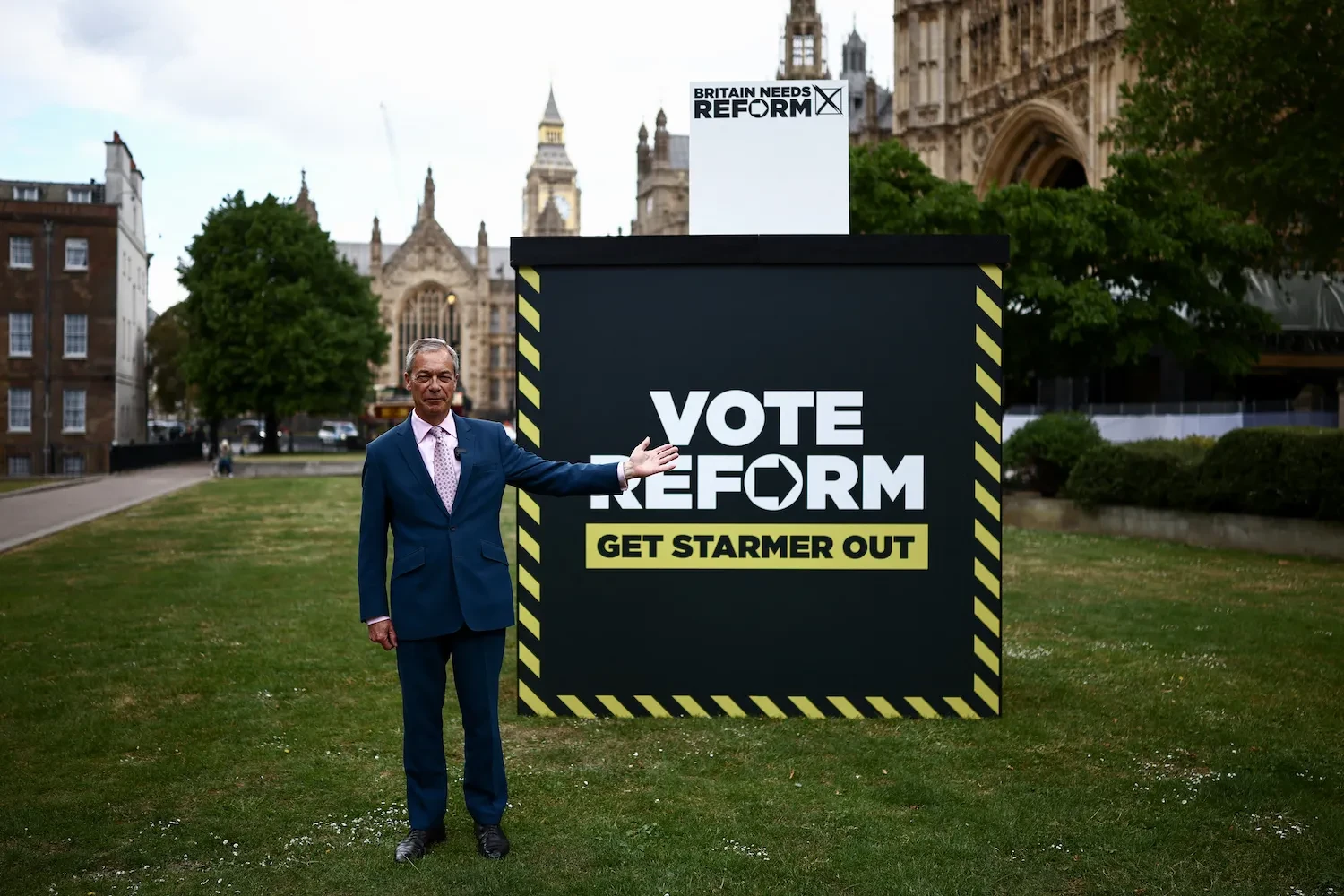
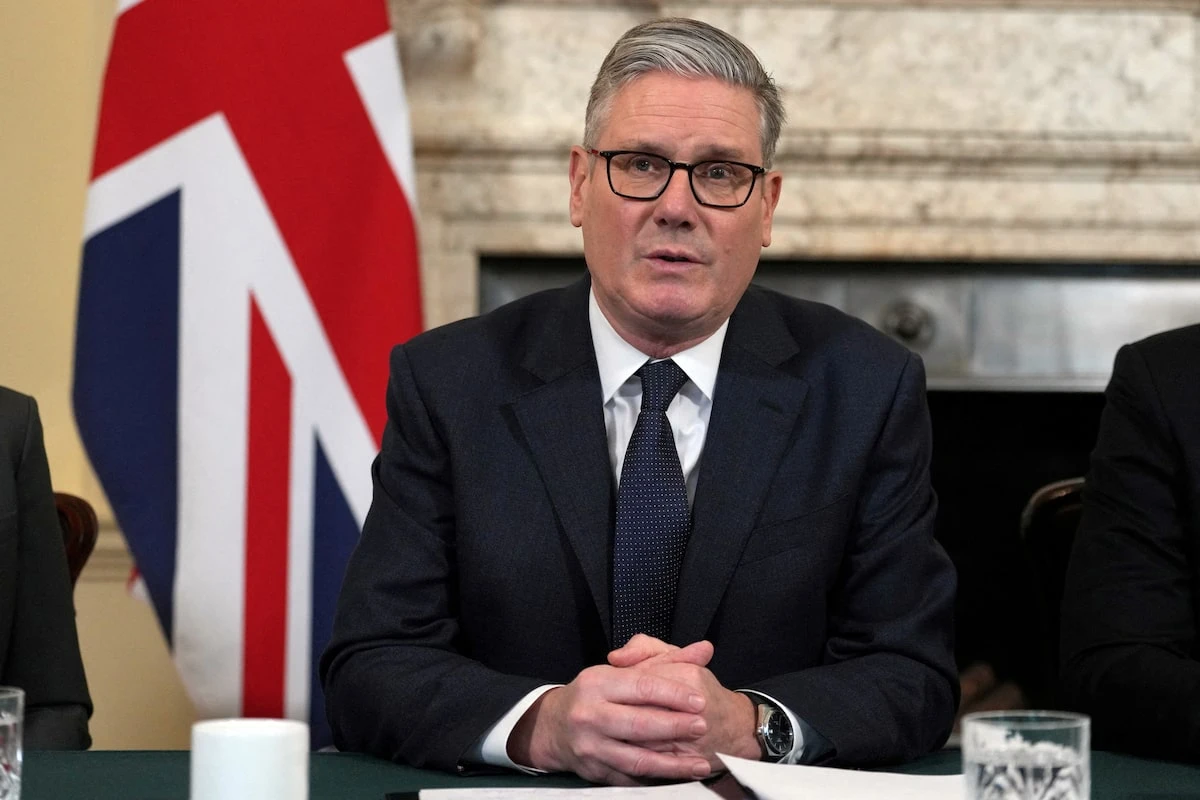
Keir Starmer, the Prime Minister of the United Kingdom and leader of the Labour Party, faces significant challenges following local elections in which Labour is projected to lose approximately 200 seats and control of eight councils. These elections, which involve around 5,000 local councilors and several mayors across England, are seen as a referendum on Starmer's leadership amid declining popularity and internal party dissent. The hard-right Reform UK party, led by Nigel Farage, is expected to make substantial gains, further complicating Labour's position in the political landscape.
Starmer Negotiates Defense Budget Amid Local Election Challenges
Prime Minister Keir Starmer is engaged in talks to resolve a dispute over the delayed UK defense budget, aiming to finalize a 10-year investment plan as part of a post-election reset. As local elections unfold, Starmer's Labour Party is expected to face significant losses, with forecasts suggesting a potential loss of over half of the 2,500 seats it is defending on English councils, amid growing discontent over economic performance and leadership decisions.
Man Charged with Attempted Murder in Lurgan Attack
A 48-year-old man has been charged with attempted murder, attempting to cause an explosion, hijacking, and possession of explosives in connection with a March attack on a police station in Lurgan. The incident involved the hijacking of a delivery driver, who was forced to transport a bomb to the station, which ultimately failed to detonate. He is scheduled to appear at Craigavon Magistrates' Court on May 8, while a 39-year-old woman has been charged with obstructing police and a 15-year-old boy was released pending further investigation.
Meta challenges Ofcom's fee calculation methods in court
Meta has initiated a legal challenge against Ofcom in the High Court, contesting the UK regulator's methodology for calculating fees and penalties under the Online Safety Act, which came into effect in July 2025. The company argues that Ofcom's approach, which bases fees on qualifying worldwide revenue rather than UK-specific earnings, is disproportionate and unlawful. Ofcom maintains that its framework is consistent with the legislation passed by Parliament and plans to issue the first invoices in Q3 2026.