ExxonMobil seeks $1 billion from Cuba at Supreme Court
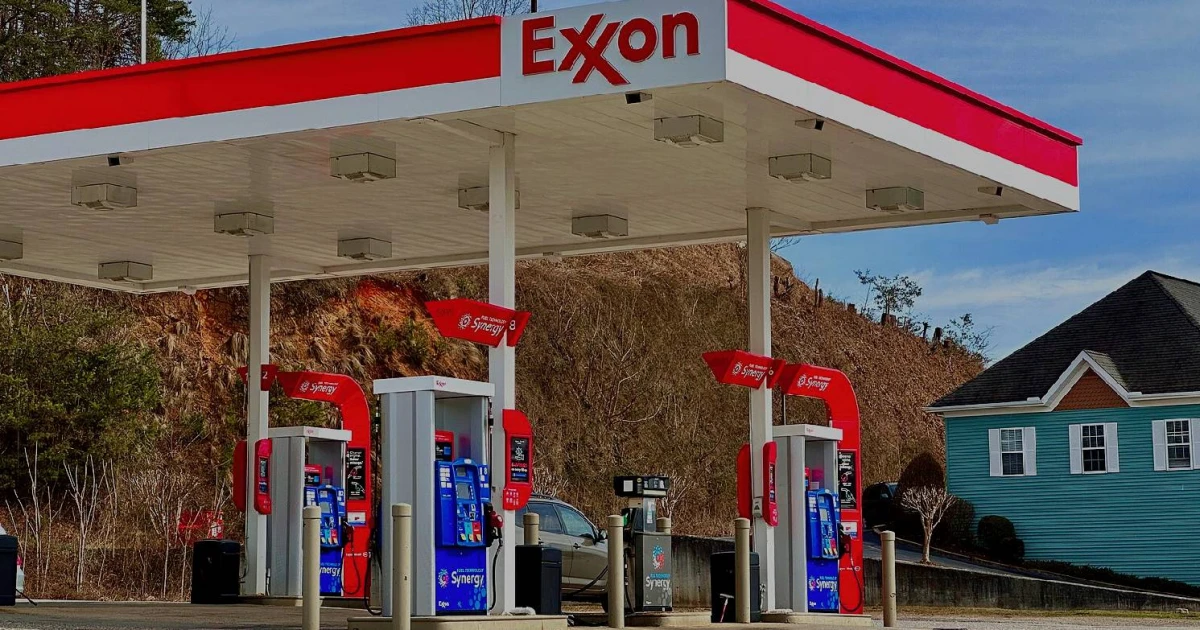
ExxonMobil is seeking over $1 billion in compensation from Cuba at the U.S. Supreme Court, arguing for the right to recover losses from the nationalization of its oil and gas assets in 1960. The case, which is part of a broader examination of the Helms-Burton Act, will also address whether cruise operators should be liable for using docks built by an American company that Cuba seized. The Trump administration supports Exxon's claim, emphasizing ongoing tensions between the U.S. and Cuba regarding property rights.
Judge Blocks Release of Trump Investigation Report
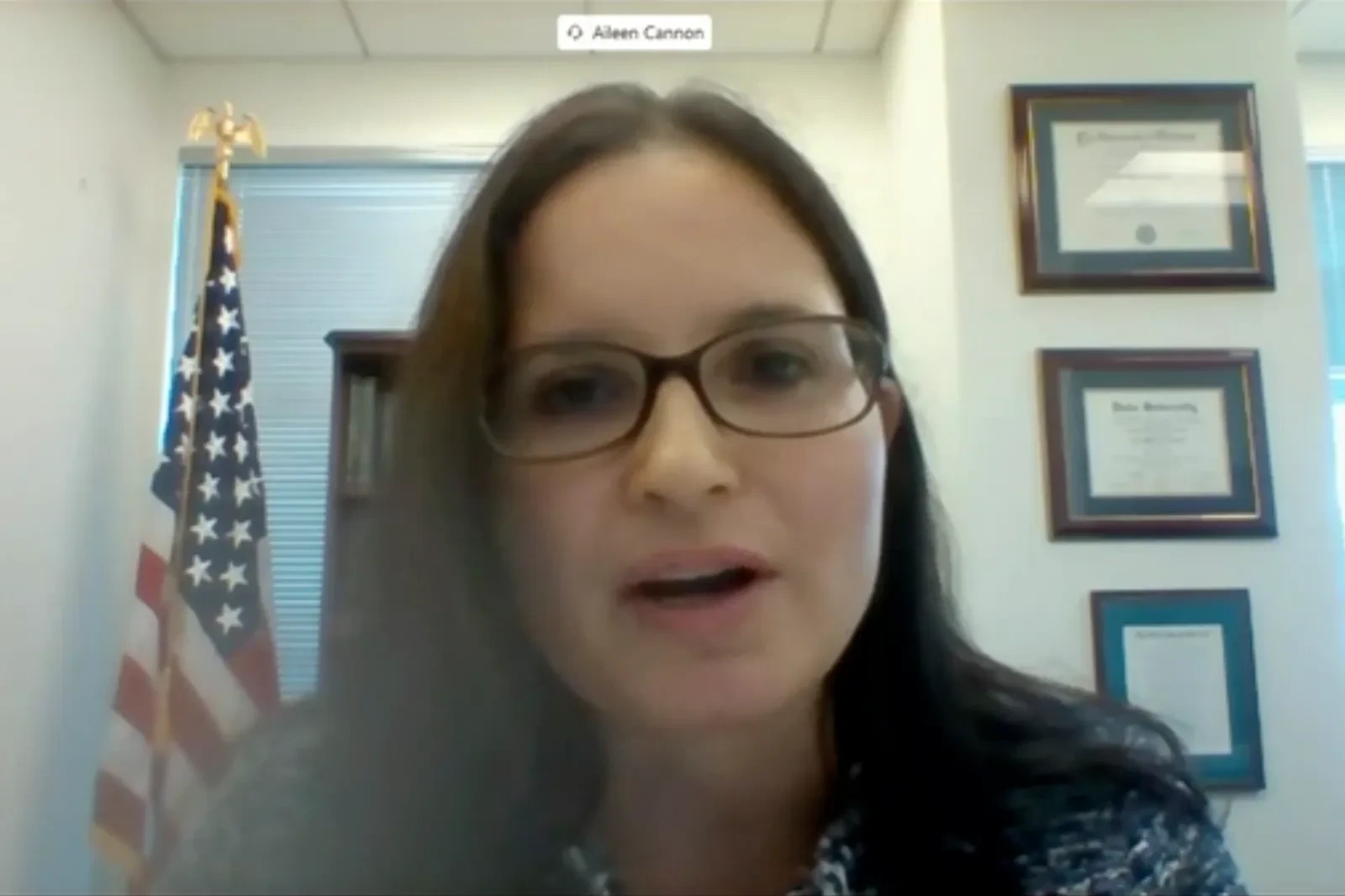
U.S. District Judge Aileen Cannon has permanently blocked the public release of former special counsel Jack Smith's report on the investigation into former President Donald Trump's handling of classified documents. Cannon, a Trump appointee, ruled that the report should remain confidential due to the alleged unlawful appointment of Smith and the ongoing legal context surrounding the case, which was dismissed in 2024. This decision follows a series of actions by Cannon that have favored Trump, including her previous dismissal of the case and the rejection of a request to destroy the report.
Former ICE Instructor Critiques Deficient Training Program
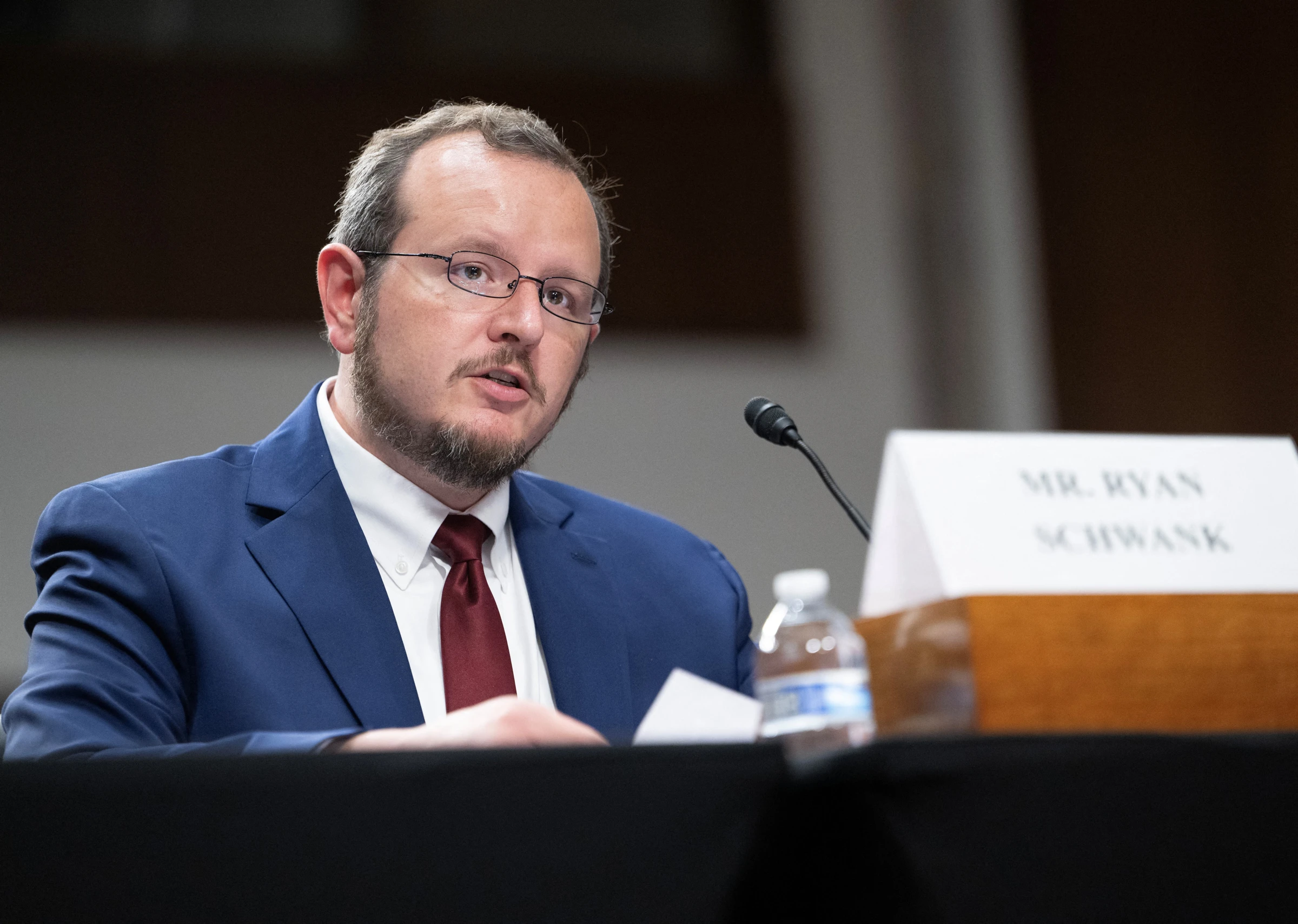
Ryan Schwank, a former instructor at Immigration and Customs Enforcement (ICE), testified before Congress that the agency's training program for new recruits is severely deficient, claiming it has eliminated over a dozen practical exams and critical training courses. Schwank's statements, made during a forum co-hosted by Senator Richard Blumenthal and Representative Robert Garcia, suggest that without reform, ICE will graduate thousands of officers lacking essential knowledge of their constitutional duties and limits of authority. This testimony follows recent scrutiny of ICE's practices amid allegations of excessive force and misconduct.
US to announce anti-subsidy duties on solar imports
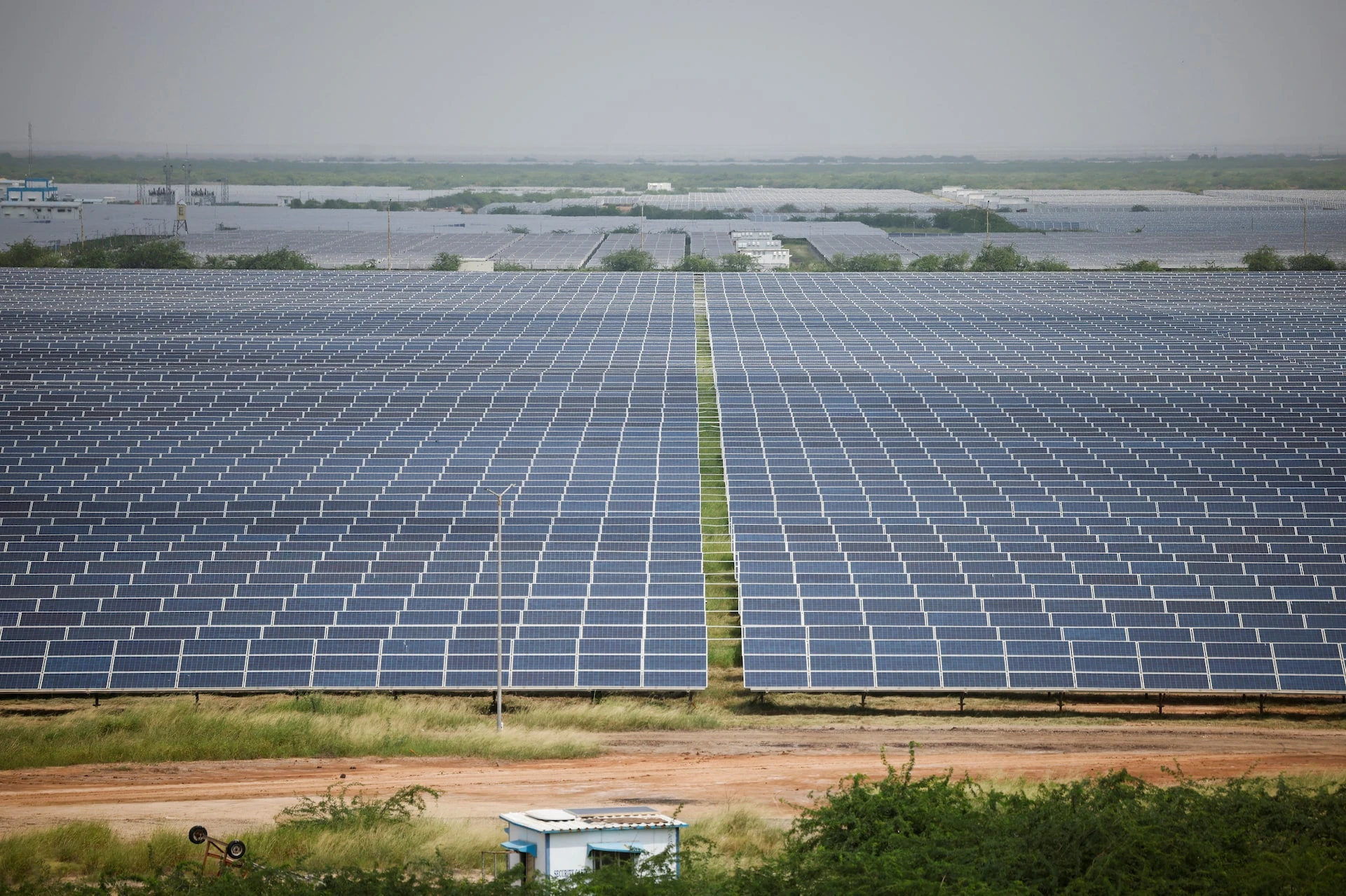
The U.S. Commerce Department is set to announce a preliminary decision on February 23 regarding the potential imposition of anti-subsidy duties on solar panels and cells imported from India, Laos, and Indonesia. This decision follows a petition from the Alliance for American Solar Manufacturing and Trade, which claims that these countries benefit from unfair government subsidies that undermine U.S. solar manufacturing. A final determination is expected later this year, with a separate decision on market flooding anticipated next month.