US Justice Department reauthorizes execution methods to expedite cases
The U.S. Department of Justice has reauthorized firing squads, electrocution, and gas as methods of federal execution, aiming to expedite capital punishment cases. Acting Attorney General Todd Blanche announced that the department will also readopt the lethal injection protocol used during the Trump administration and has authorized seeking death sentences against 44 defendants, including nine already approved. This move rescinds the Biden-era moratorium on federal executions and responds to difficulties in obtaining lethal injection drugs.
Fifth Circuit Allows Ten Commandments in Texas Classrooms
The United States Court of Appeals for the Fifth Circuit has ruled in a 9-8 decision that Texas public schools can display Ten Commandments posters in classrooms, setting the stage for a potential Supreme Court case. The court's majority opinion, led by Circuit Judge Stuart Kyle Duncan, argued that the Texas law, S.B. 10, does not violate the First Amendment, citing a shift in legal precedent following the Supreme Court's 2022 decision in Kennedy v. Bremerton School District. This ruling contrasts with a previous decision regarding a similar Louisiana law, which was deemed unconstitutional by a separate panel.
US Stocks Hit Record Highs Amid Tech Surge and Diplomacy
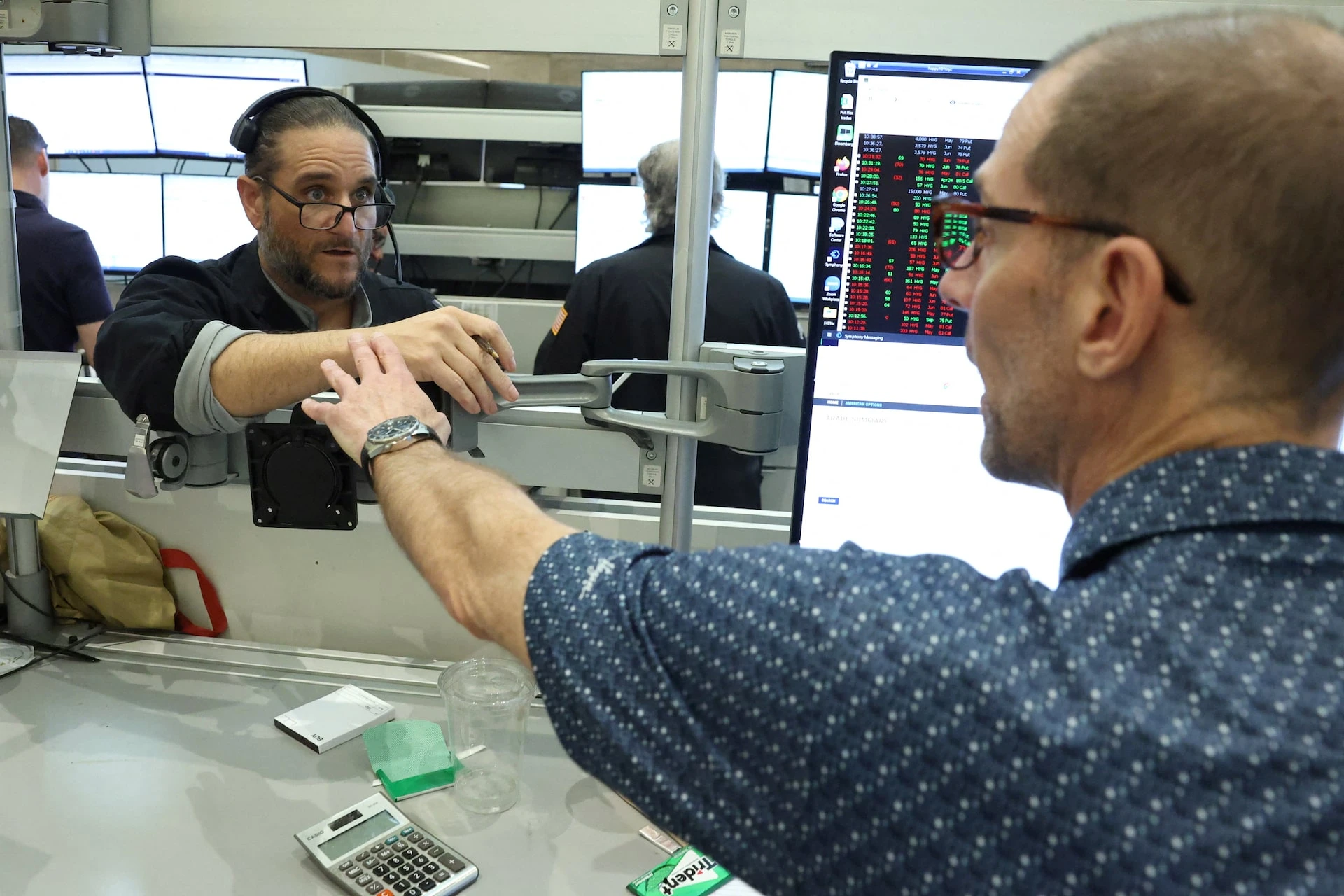
US stocks, including the S&P 500 and Nasdaq Composite, reached record highs driven by a surge in technology shares, particularly Intel, and renewed optimism surrounding peace talks between the United States and Iran. Iran's foreign minister, Abbas Araghchi, is expected in Islamabad to discuss proposals for restarting negotiations, although oil prices remain elevated due to ongoing disruptions in the Strait of Hormuz. Approximately 83% of S&P 500 companies that have reported earnings so far have exceeded expectations, contributing to the market's upward momentum.
U.S. Space Force awards $3.2 billion in contracts
The U.S. Space Force has awarded contracts worth up to $3.2 billion to 12 companies, including SpaceX and Lockheed Martin, to develop prototypes for space-based interceptors as part of President Donald Trump's Golden Dome missile defense initiative. The program, which aims to enhance missile defense capabilities with a total projected cost of $185 billion, is expected to deliver initial capabilities by 2028, with the prototypes designed to neutralize missile threats shortly after launch.
OpenAI CEO Apologizes for Missed Warning on Shooter
OpenAI CEO Sam Altman apologized to the community of Tumbler Ridge for failing to alert authorities about concerning behavior exhibited by the shooter, 18-year-old Jesse Van Rootselaar, prior to a mass shooting on February 10 that resulted in eight deaths, including six children. In a letter dated April 23, Altman acknowledged that the company had flagged Van Rootselaar's account for problematic activity but did not escalate the concerns to law enforcement. British Columbia Premier David Eby criticized the apology as insufficient given the tragedy's impact on the community.
U.S. Court Allows Texas to Enforce Senate Bill 4
The 5th U.S. Circuit Court of Appeals has ruled that Texas can enforce Senate Bill 4, which allows law enforcement to arrest individuals suspected of illegally crossing the U.S.-Mexico border. The court's decision, made by a 10-7 vote, overturned a previous injunction that had blocked the law, citing procedural grounds and stating that the plaintiffs lacked standing to challenge it. Texas Attorney General Ken Paxton supported the ruling, while immigrant rights groups, including the ACLU, expressed their intent to continue fighting the law, which they argue is unconstitutional.