European nations accuse Russia of Navalny poisoning
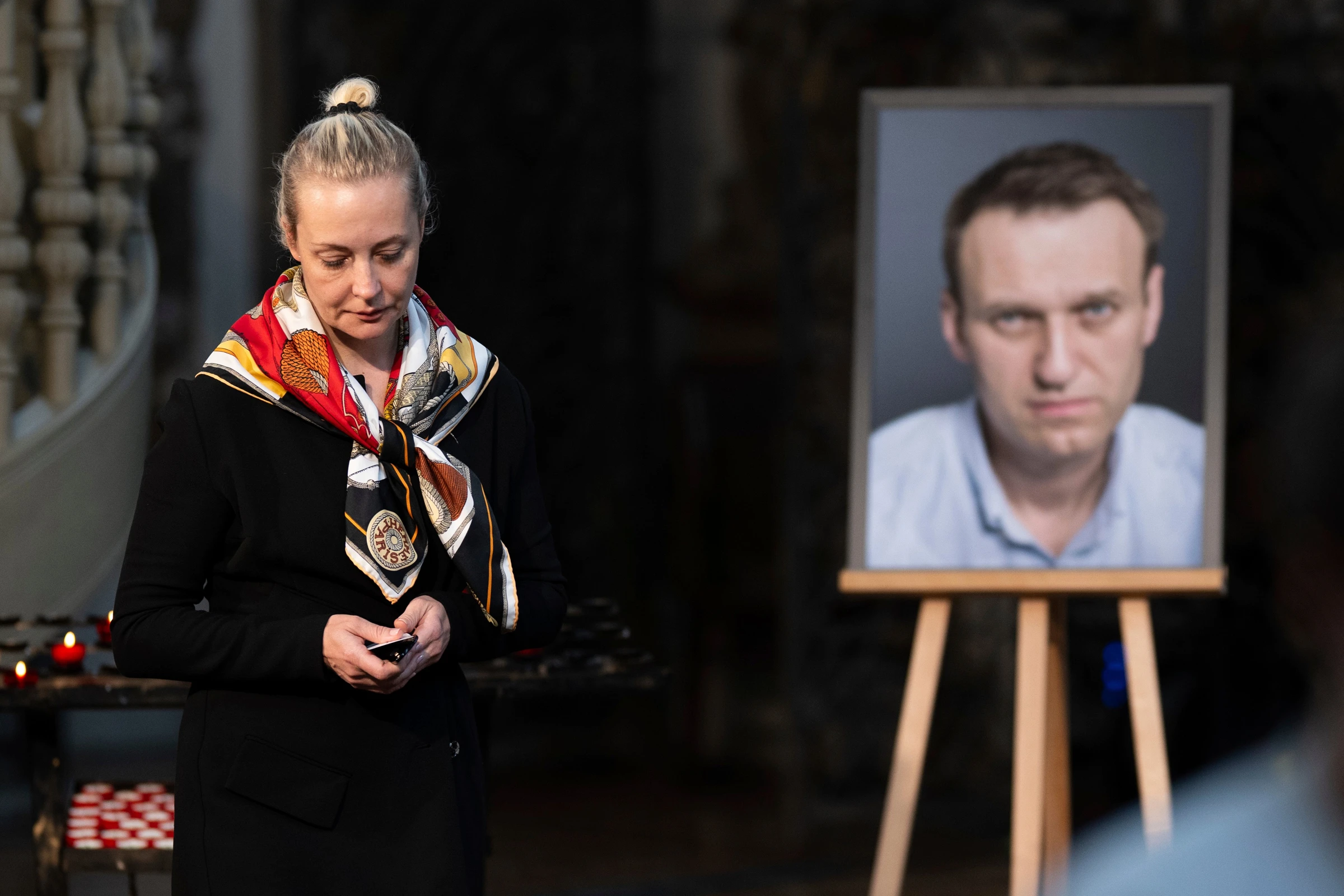
Five European countries, including the UK, France, Germany, Sweden, and the Netherlands, have concluded that Russian opposition leader Alexei Navalny was killed by a state-ordered poisoning using a toxin derived from dart frogs, known as epibatidine. This finding, announced at the Munich Security Conference by UK Foreign Secretary Yvette Cooper, states that only the Russian state had the means, motive, and opportunity to deploy the lethal toxin during Navalny's imprisonment in a Siberian penal colony. The UK has reported this alleged breach of the Chemical Weapons Convention to the Organisation for the Prohibition of Chemical Weapons.
Rubio Advocates Transatlantic Unity at Munich Conference
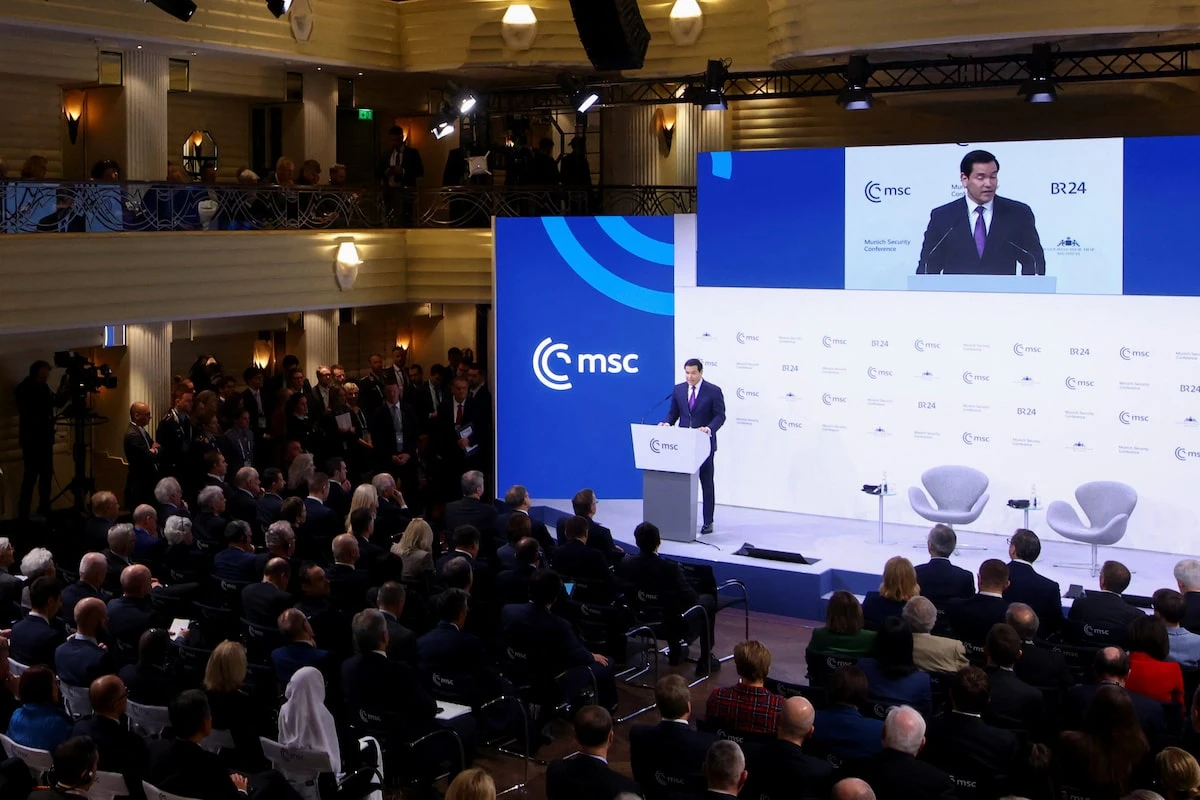
At the Munich Security Conference, U.S. Secretary of State Marco Rubio stated that the United States and Europe 'belong together,' emphasizing the importance of the transatlantic alliance despite existing tensions. His remarks, which drew applause and a standing ovation, contrasted with last year's speech by Vice President JD Vance, and highlighted the need for Europe to strengthen its military independence while addressing concerns about mass migration. European leaders, while reassured by Rubio's tone, reiterated the necessity for Europe to rebalance its relationship with the U.S.
Australia commits A$3.9 billion to submarine shipyard
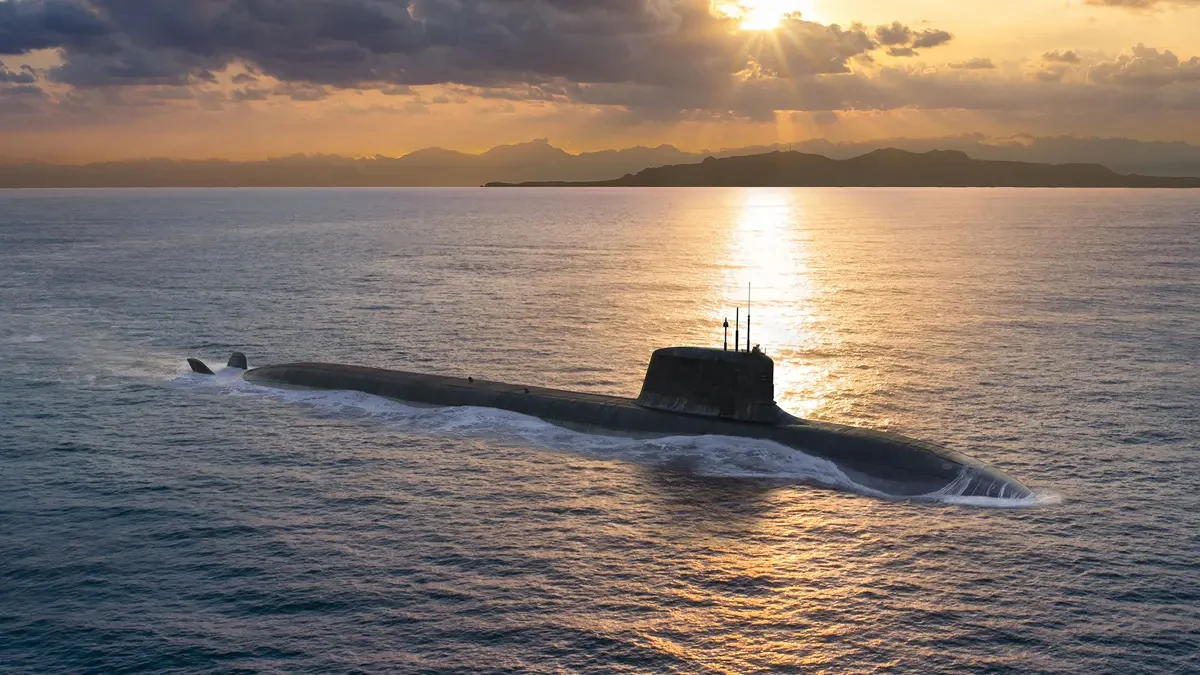
Australia's Prime Minister Anthony Albanese announced a A$3.9 billion ($2.76 billion) commitment to advance the construction of a shipyard in Adelaide, which will build at least eight nuclear-powered submarines under the AUKUS pact with the US and the UK. The total investment for the shipyard is projected to reach A$30 billion, supporting approximately 10,000 jobs in South Australia, with construction expected to be completed by 2040.
Iran Open to Nuclear Deal Compromises with US
Iran's Deputy Foreign Minister Majid Takht-Ravanchi stated that Iran is prepared to discuss compromises to reach a nuclear deal with the United States, contingent on Washington's willingness to lift sanctions. He emphasized that the responsibility lies with the U.S. to demonstrate sincerity in negotiations, which are set to continue in Geneva following initial talks in Oman that were described as having progressed positively. Takht-Ravanchi also reiterated Iran's refusal to accept zero uranium enrichment, a key sticking point in previous negotiations.