Strait of Hormuz Ship Traffic Plummets After Strikes
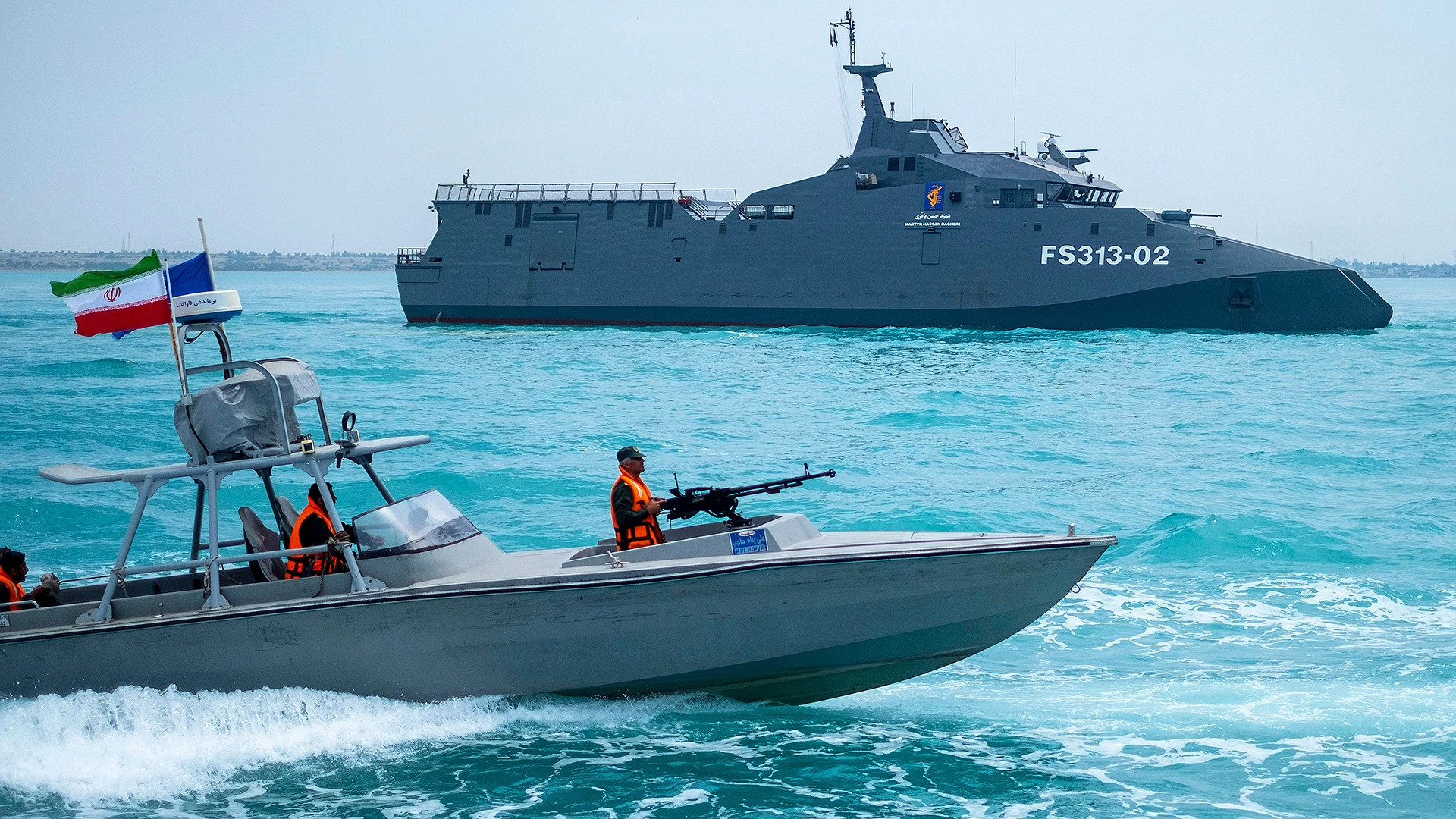
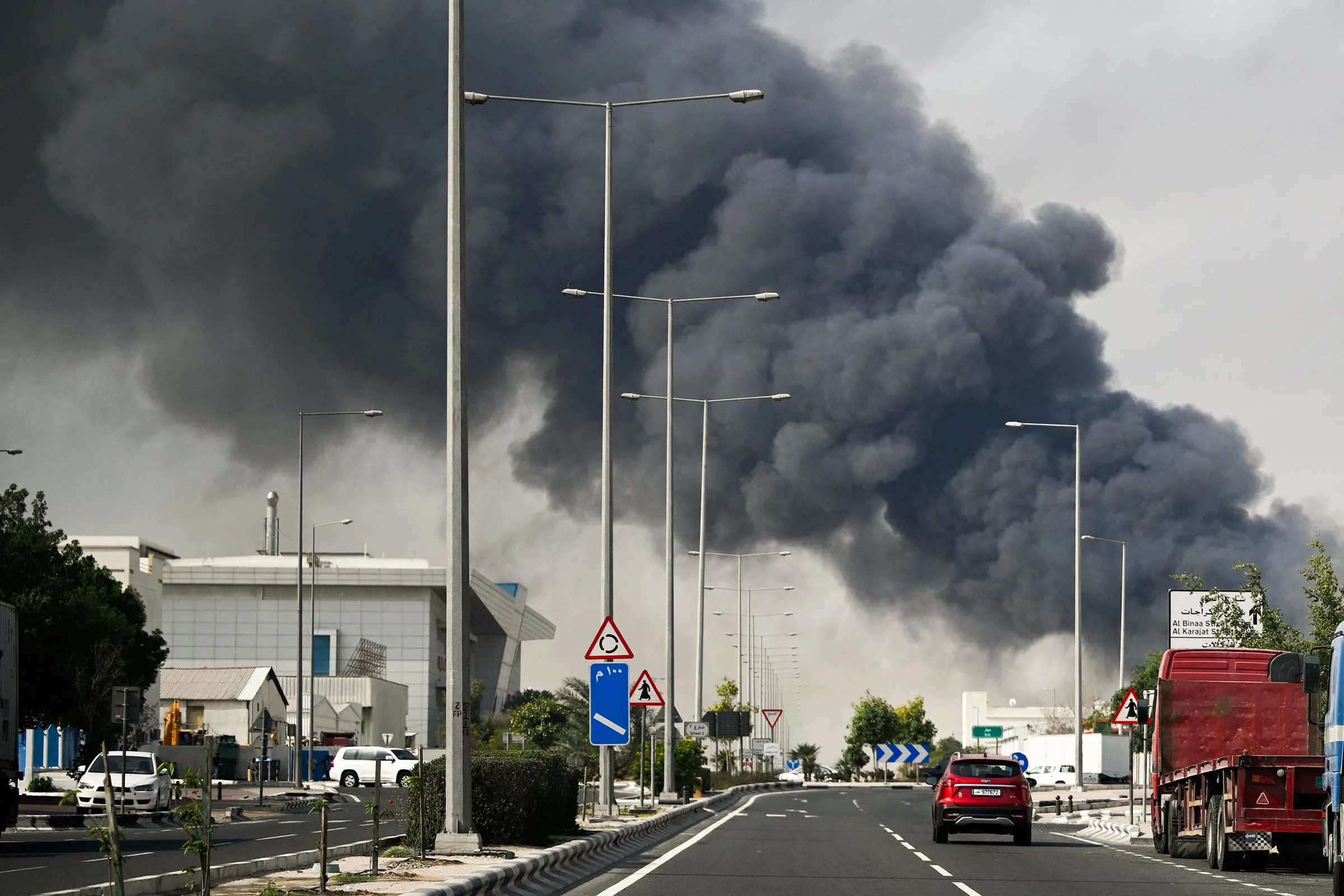
Ship traffic through the Strait of Hormuz has nearly ceased following US and Israeli strikes on Iran on February 28, with only three tankers recorded transiting the waterway on March 1, a 94% drop from 50 tankers the previous day, according to the Joint Maritime Information Center. Cargo ship movements also fell sharply, from 98 to 18 vessels, as the Islamic Revolutionary Guard Corps warned that ships could face risks from missiles or drones. The decline in maritime traffic is expected to persist as major insurers withdraw war-risk coverage for the area.
Strait of Hormuz Closure Disrupts Global Fertiliser Supply
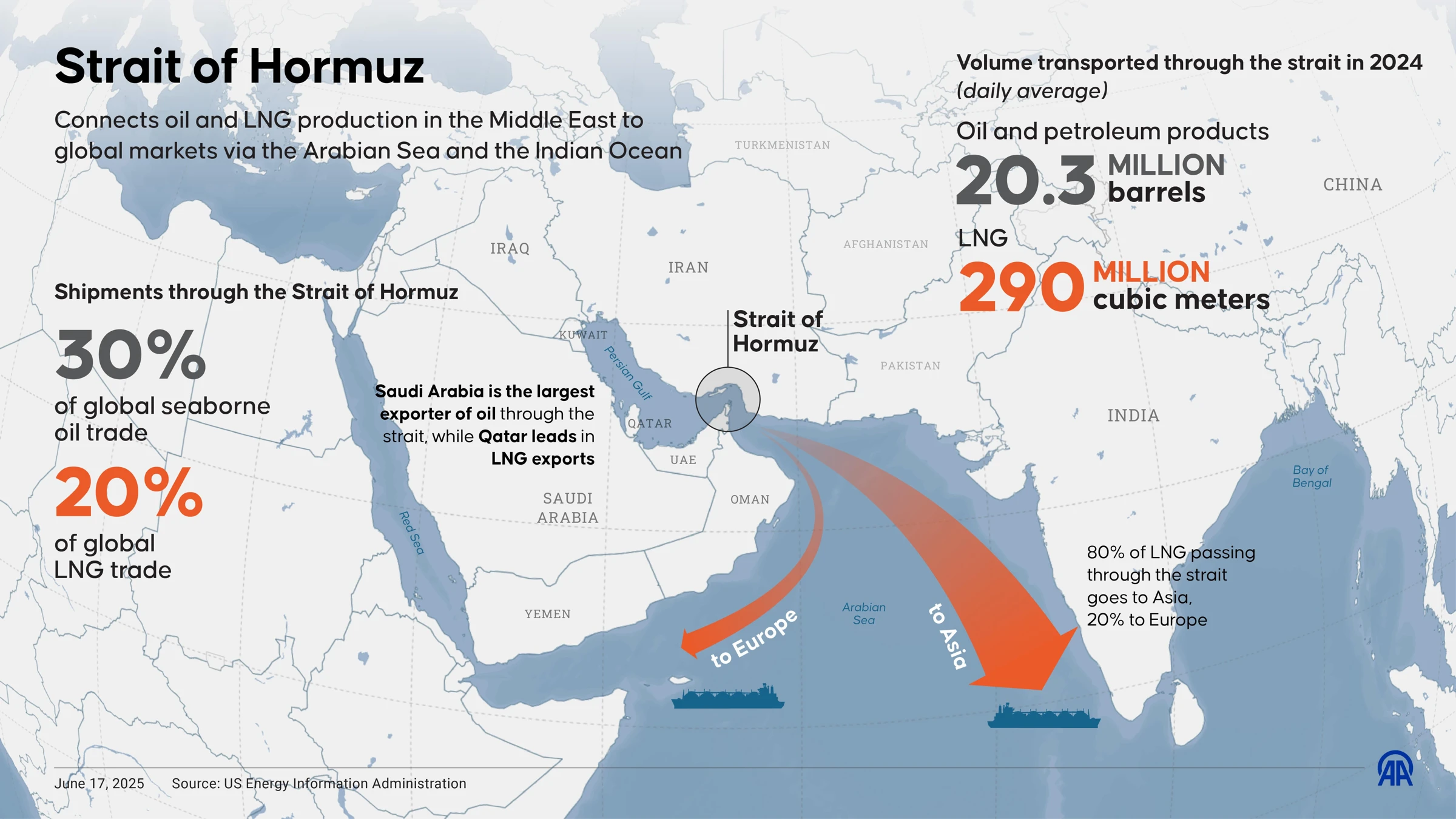
The ongoing military conflict involving the U.S. and Israel against Iran has led to the closure of the Strait of Hormuz, disrupting global fertiliser production and prompting warnings of a potential food shortage. Urea prices surged by approximately 14% recently, reaching between $520 and $550 per ton at the port of New Orleans, while phosphate prices also increased by about $30 per ton. The strait is critical for the transport of over 30% of the world's urea, and the conflict has resulted in higher costs for farmers due to rising fuel and fertiliser prices.
Senate rejects measure to limit Trump's Iran military actions
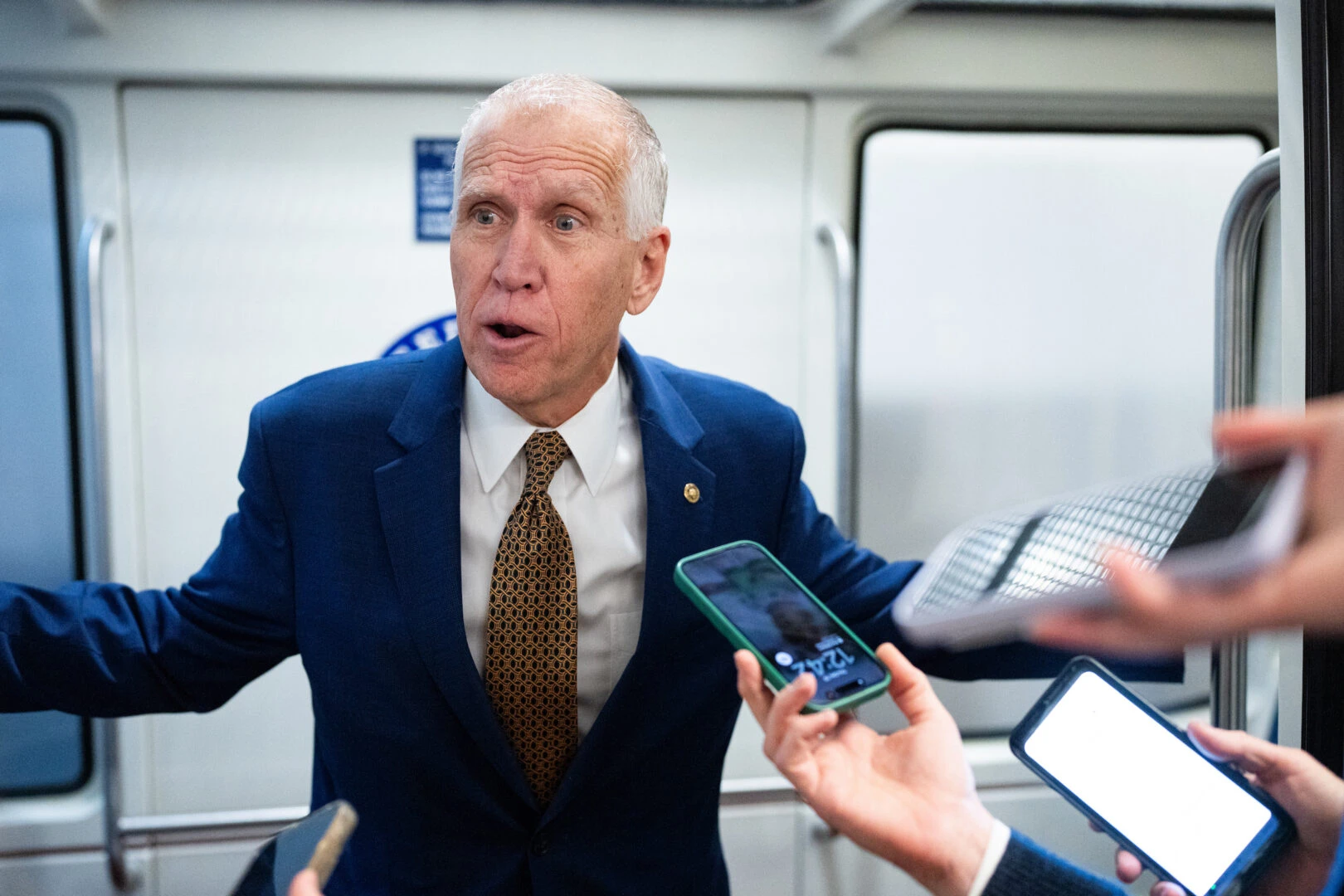
The U.S. Senate voted 47-53 against a resolution that would have limited President Donald Trump's authority to continue military operations in Iran without congressional approval, allowing the conflict to persist. The vote, which saw bipartisan opposition, followed a joint U.S.-Israeli attack that resulted in the death of Iran's Supreme Leader Ayatollah Ali Khamenei and several civilians, while six U.S. troops were reported killed in retaliatory strikes. A similar resolution is expected to be voted on in the House soon.
Iran Delays Khamenei Funeral Amid Ongoing Mourning
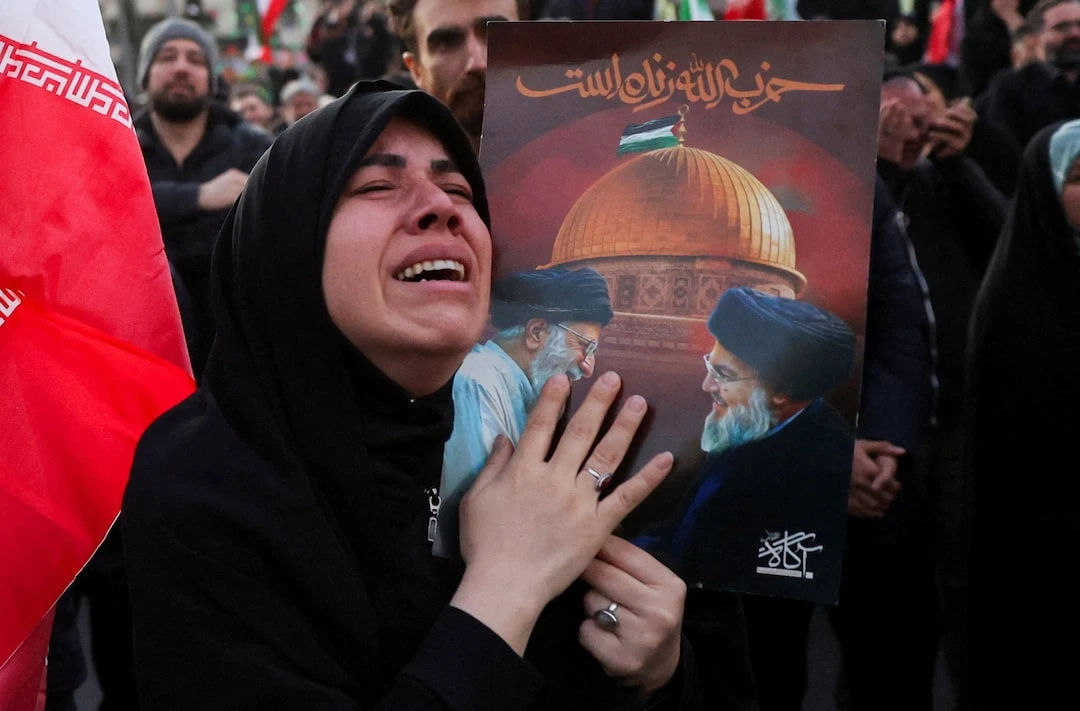
Iran has postponed the funeral of Supreme Leader Ayatollah Ali Khamenei, originally scheduled to begin on Wednesday night, due to ongoing preparations and a high volume of requests from mourners. The decision comes amid intense US and Israeli bombardments following Khamenei's assassination during the initial strikes on Saturday, which also killed several top officials. The Assembly of Experts is reportedly close to selecting a successor to Khamenei, who had led Iran since 1989.
Trump Confirms Deaths of Four Soldiers in Kuwait
President Donald Trump confirmed the deaths of four Army Reserve soldiers in Kuwait due to a drone attack amid escalating military actions against Iran. As the conflict widens, global financial markets are reacting negatively, with oil prices expected to rise significantly due to disruptions in the Strait of Hormuz, a critical shipping route for over 20% of the world's oil. Trump acknowledged the potential for triple-digit oil prices and indicated that the U.S. Navy may escort ships in the region to ensure safe passage.
Gulf Oil Producers Face Storage Crisis Amid Strait Closure
Gulf oil producers, particularly Saudi Arabia, are facing a critical situation as major storage sites fill rapidly due to the ongoing closure of the Strait of Hormuz to shipping. As of March 1, the Ju'aymah terminal was nearing its spare capacity, while four of the six tanks at the Ras Tanura refinery were full following recent attacks by Iran. Iraq has begun shutting down production at its largest fields, with storage at the Basrah terminal expected to last less than two days of exports, highlighting a structural vulnerability in the region's oil infrastructure.
Khamenei's Death Triggers Middle East Conflict and Economic Risks
The death of Ayatollah Ali Khamenei, Iran's supreme leader, in March 2026 due to US and Israeli airstrikes has ignited a war involving multiple countries in the Middle East. This conflict poses significant risks to the global economy, particularly for East African nations like Kenya, which imported approximately $4 billion in petroleum products last year and may face rising oil prices. As Kenya's government, led by President William Ruto, grapples with maintaining investor confidence amid new taxes and rising living costs, the geopolitical instability could further strain its economy.
Israel Orders Evacuation in Southern Lebanon Amid Conflict
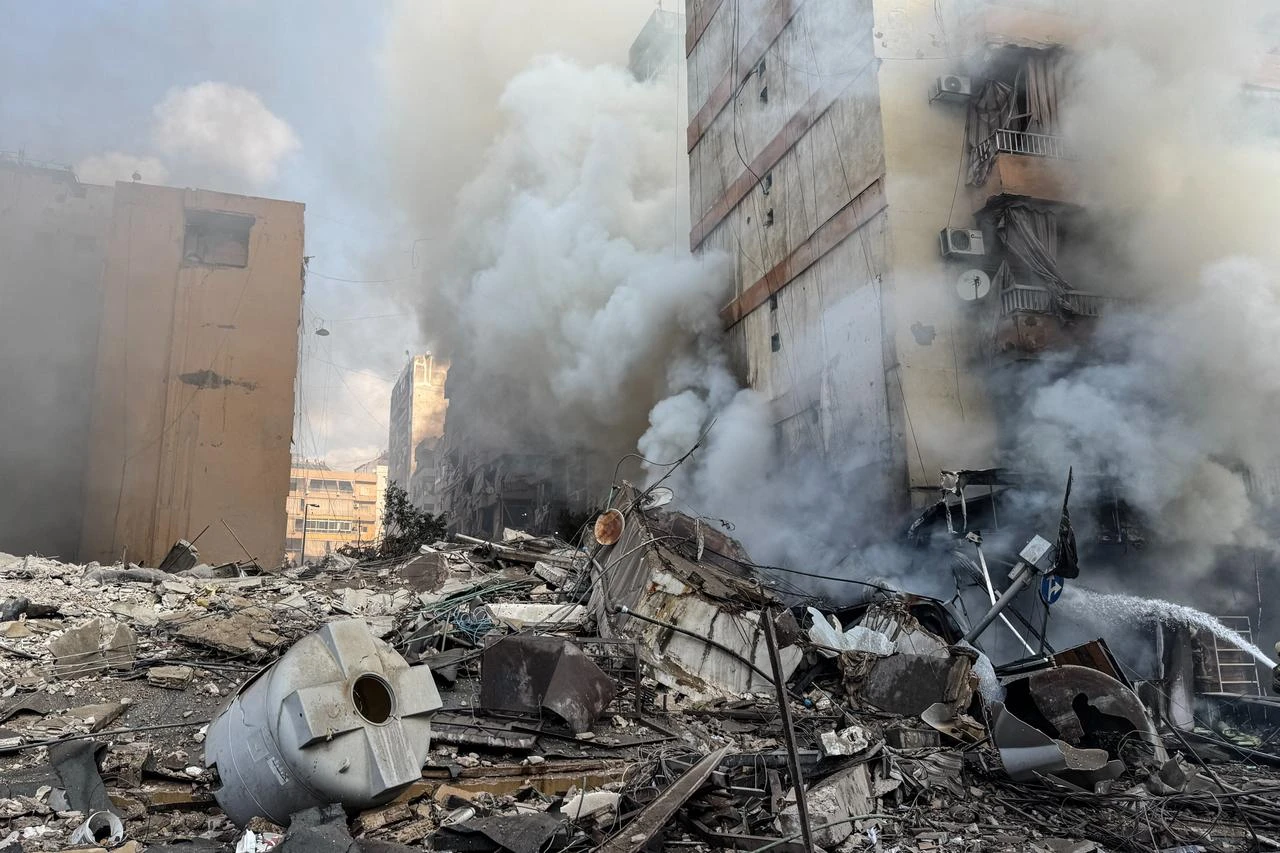
Israel has ordered all Lebanese residents in southern Lebanon to evacuate as it intensifies military operations against Hezbollah following a rocket attack. Tens of thousands have already been displaced, and Israeli strikes have targeted areas including Hezbollah strongholds in southern Beirut and a hotel near the Lebanese presidential palace. The Israeli Defense Forces (IDF) assert that their actions are aimed at dismantling Hezbollah's capabilities amid escalating regional tensions.
Trump's 15 Percent Global Tariff Set for Implementation
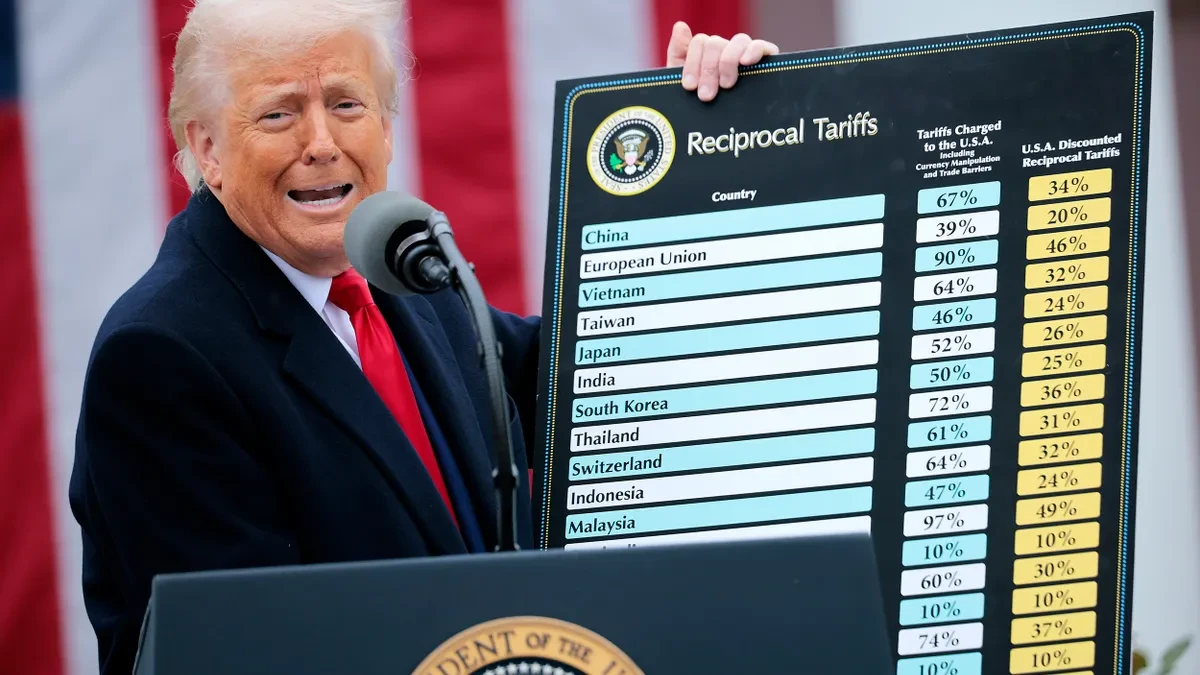
U.S. Treasury Secretary Scott Bessent announced that President Donald Trump's 15 percent global tariff is expected to be implemented this week, following a Supreme Court ruling that struck down previous country-specific tariffs. The new tariff will be enacted under Section 122 of the Trade Act of 1974, which permits a duty lasting 150 days unless extended by Congress. Bessent indicated that investigations into national security and unfair trade practices during this period could lead to additional tariffs.
EU Activates Civil Protection Mechanism for Gulf Evacuations
The European Union is activating its Civil Protection Mechanism to assist ten member states, including Italy, France, and Slovakia, in repatriating citizens stranded in the Gulf region due to escalating conflict involving Iran. So far, seven evacuation flights have been organized, with estimates suggesting that hundreds of thousands of EU citizens remain in the area. The EU can reimburse up to 75% of transport costs for member states that provide seats for citizens from other countries, while individual nations like Germany and France are also implementing their own evacuation plans.
Iranian Ballistic Missile Launches Decline Amid US-Israeli Campaign
Western officials report a decline in the rate of Iranian ballistic missile launches, attributed to the ongoing US-Israeli military campaign that began on February 28, 2026. Despite Tehran's initial response involving over 500 ballistic missiles and 2,000 drones targeting regional military and civilian sites, the effectiveness of strikes on missile launchers and stockpiles has reduced the frequency of these attacks. The Israeli Defense Forces also targeted key decision-making institutions in Tehran, further disrupting Iran's military operations.
UN Migration Chief Warns Europe of Refugee Influx
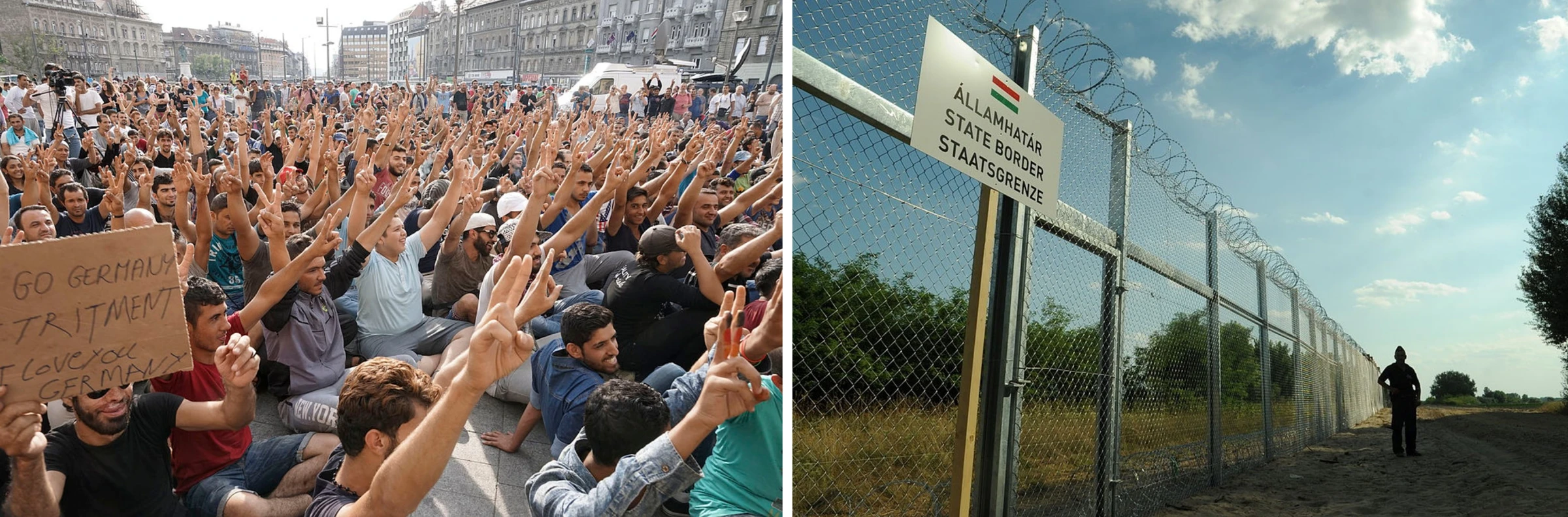
Filippo Grandi, the UN migration chief, has warned that Europe should prepare for a potential influx of refugees from the Middle East as regional conflicts escalate. The UNHCR is mobilizing resources in Iran, Afghanistan, Lebanon, and Syria to support those displaced, with Iran currently hosting 1.65 million refugees. The agency has highlighted the need for countries to keep their borders open to those fleeing violence, while also noting that over 5.4 million Afghans have returned from Iran and Pakistan since October 2023, further straining resources.