Iran Introduces Toll System for Strait of Hormuz Shipping
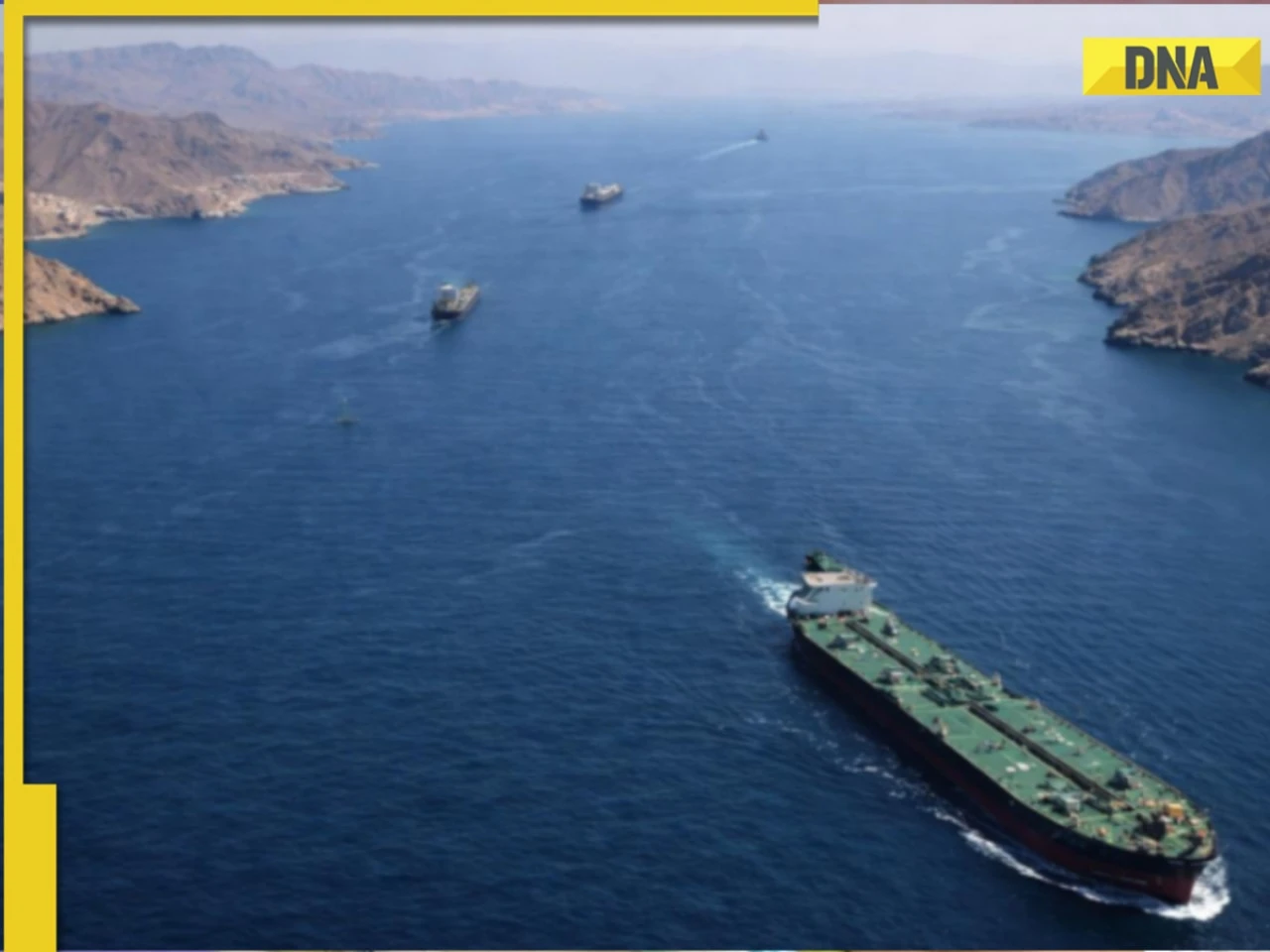
Iran is implementing a fee-based system for ships transiting the Strait of Hormuz, allowing only 'non-hostile' vessels to pass through a new route controlled by the Islamic Revolutionary Guard Corps. This system, referred to as the 'Tehran toll booth,' has seen the number of daily transits drop from around 110 to fewer than 10 since the onset of conflict in late February, with at least 25 vessels reportedly taking the new route since March 13. Iranian lawmakers are preparing legislation to formalize these tolls, asserting that it is natural for ships to pay for the security provided by Iran.
Middle East War Disrupts Global Fertilizer Supplies
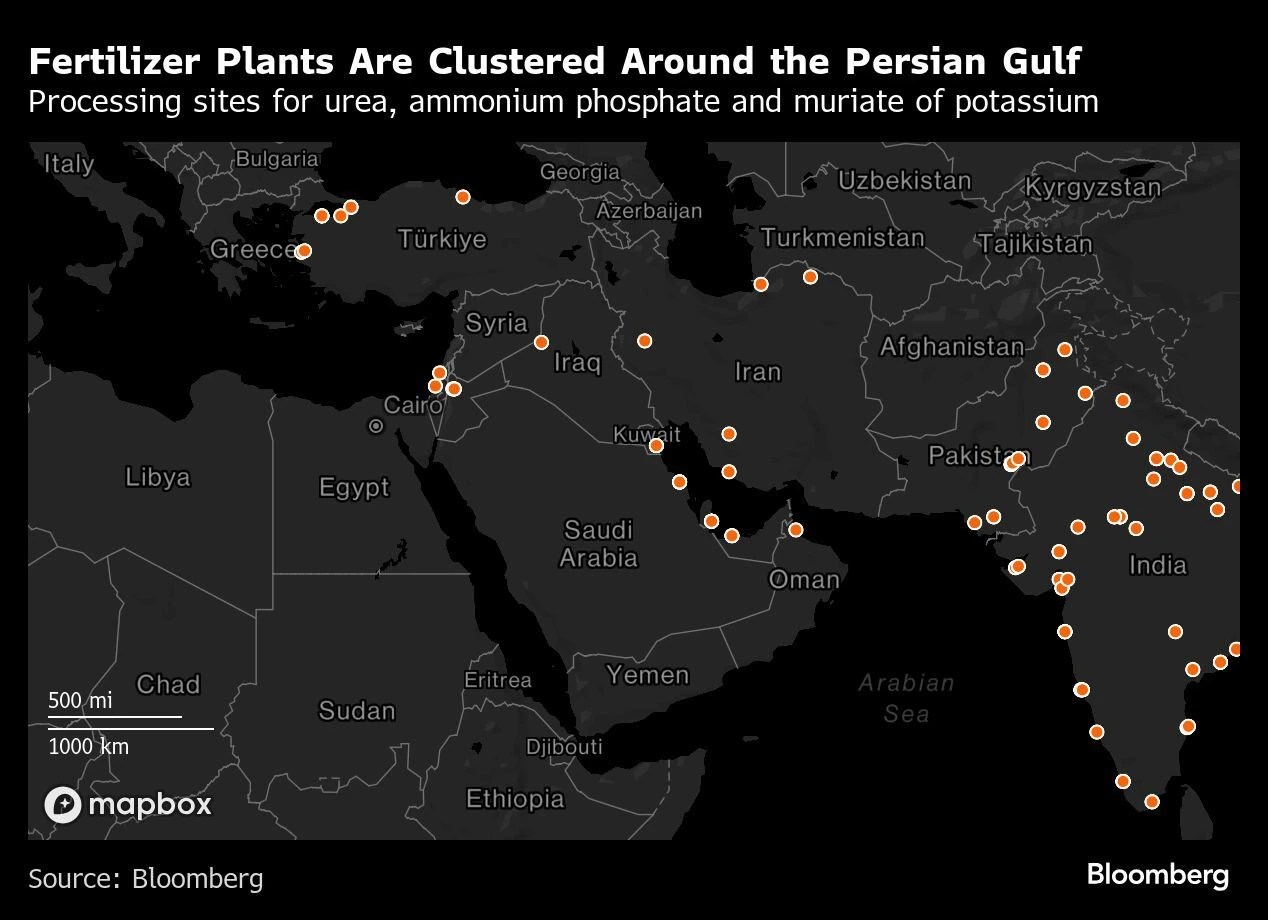
The ongoing war in the Middle East has severely disrupted global fertilizer supplies, particularly affecting farmers in the Northern Hemisphere as they prepare for the spring planting season. With around one-third of the global seaborne fertilizer trade passing through the Strait of Hormuz, prices for key fertilizers like urea have surged, with costs rising to approximately $700 per metric ton, up from $400 to $490 before the conflict began. In India, Prime Minister Narendra Modi has stated that measures are in place to secure fertilizer supplies, but concerns remain about potential shortages impacting the upcoming monsoon crop season.
Jury finds Meta and YouTube liable for addiction harms
A Los Angeles jury found Meta and YouTube liable for intentionally designing addictive platforms that harmed a young user, awarding her $6 million in damages, with Meta responsible for 70% of the payment. The case, the first of its kind to go to trial, highlighted the alleged negative impact of social media on mental health, as the plaintiff, known as Kaley, testified to her addiction starting at age six and its subsequent effects on her wellbeing. Both companies plan to appeal the verdict.
European Parliament Approves Conditional US Trade Deal
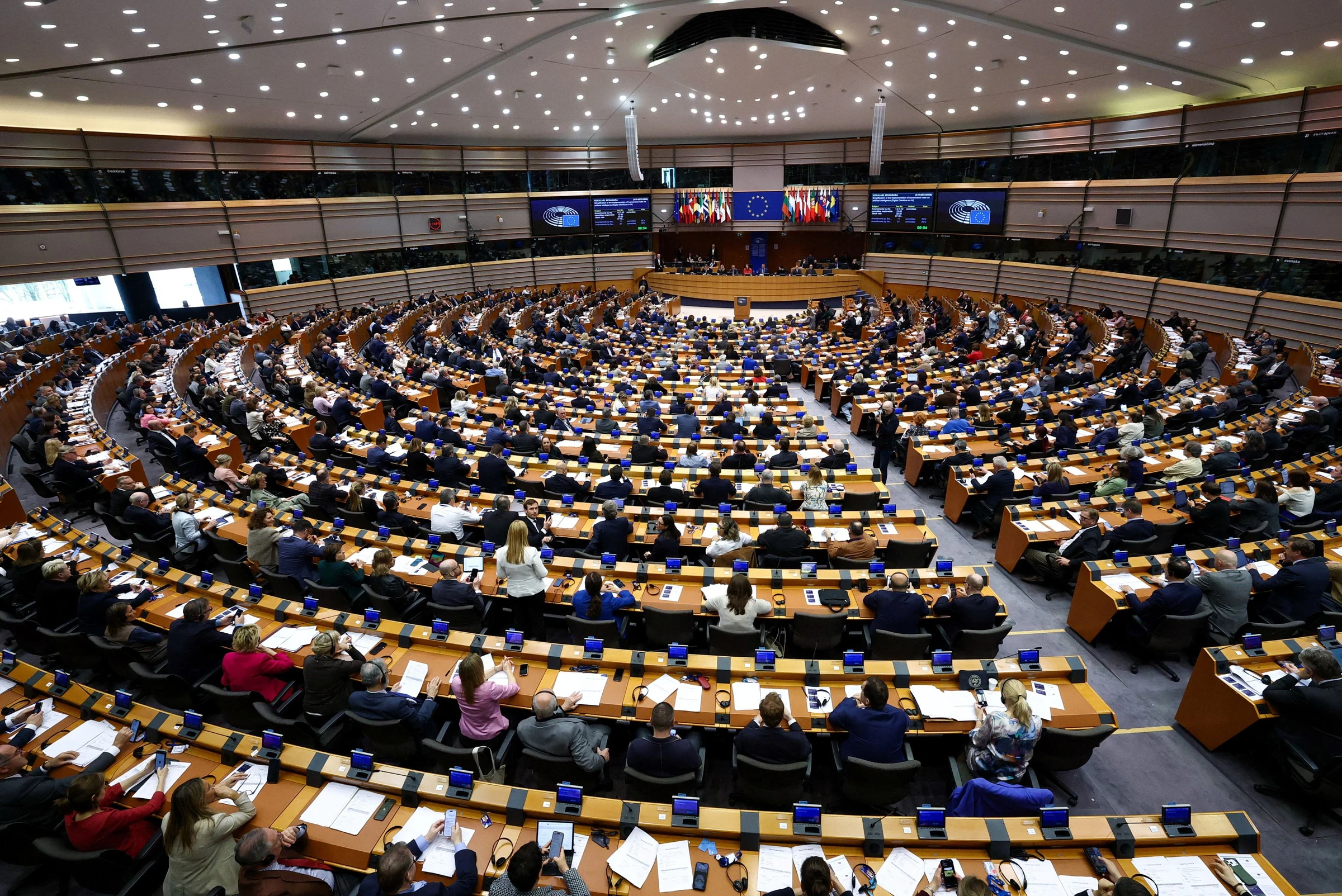
The European Parliament has granted conditional approval for a trade deal with the United States, with a vote of 417 in favor, 154 against, and 71 abstentions. The agreement will eliminate EU tariffs on US industrial goods and set US tariffs on EU imports at 15%, contingent upon the US adhering to its commitments, including a provision to suspend the deal if additional tariffs are imposed. The final implementation requires approval from all 27 EU member states, with a concluding vote anticipated in April or May.
Trump Extends Iran Nuclear Negotiation Deadline by Ten Days
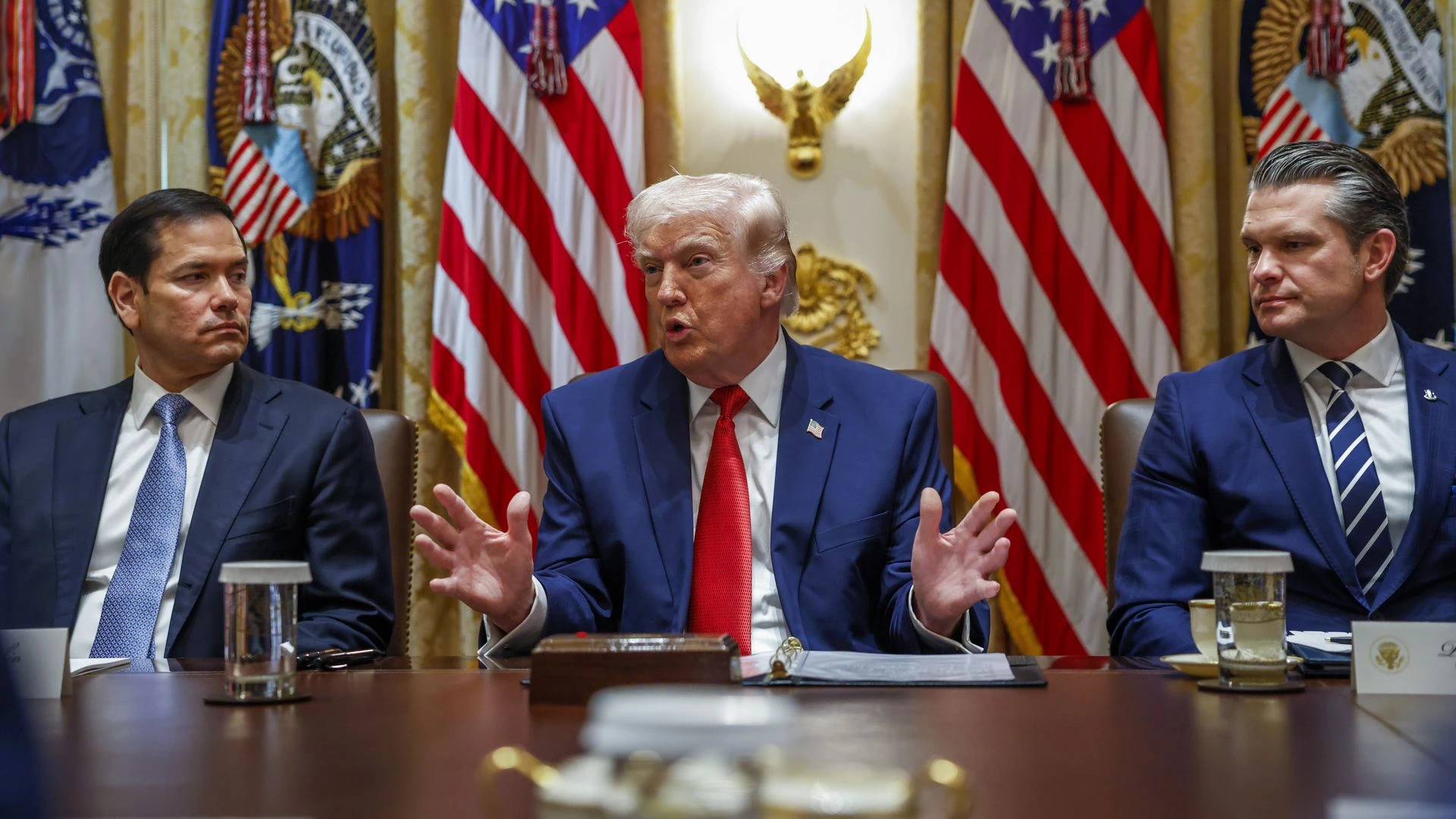
President Donald Trump has extended the deadline for negotiations with Iran regarding its nuclear program by 10 days, now set for April 6, 2026, following a significant sell-off on Wall Street and rising inflation concerns. In a post on Truth Social, Trump claimed that the extension was at the request of Tehran and stated that talks are progressing well, despite conflicting reports from Iran. This decision comes after Trump had previously threatened military action against Iranian energy infrastructure if Tehran did not reopen the Strait of Hormuz.
SMIC Supplies Chip Tools to Iran Military Raising Concerns
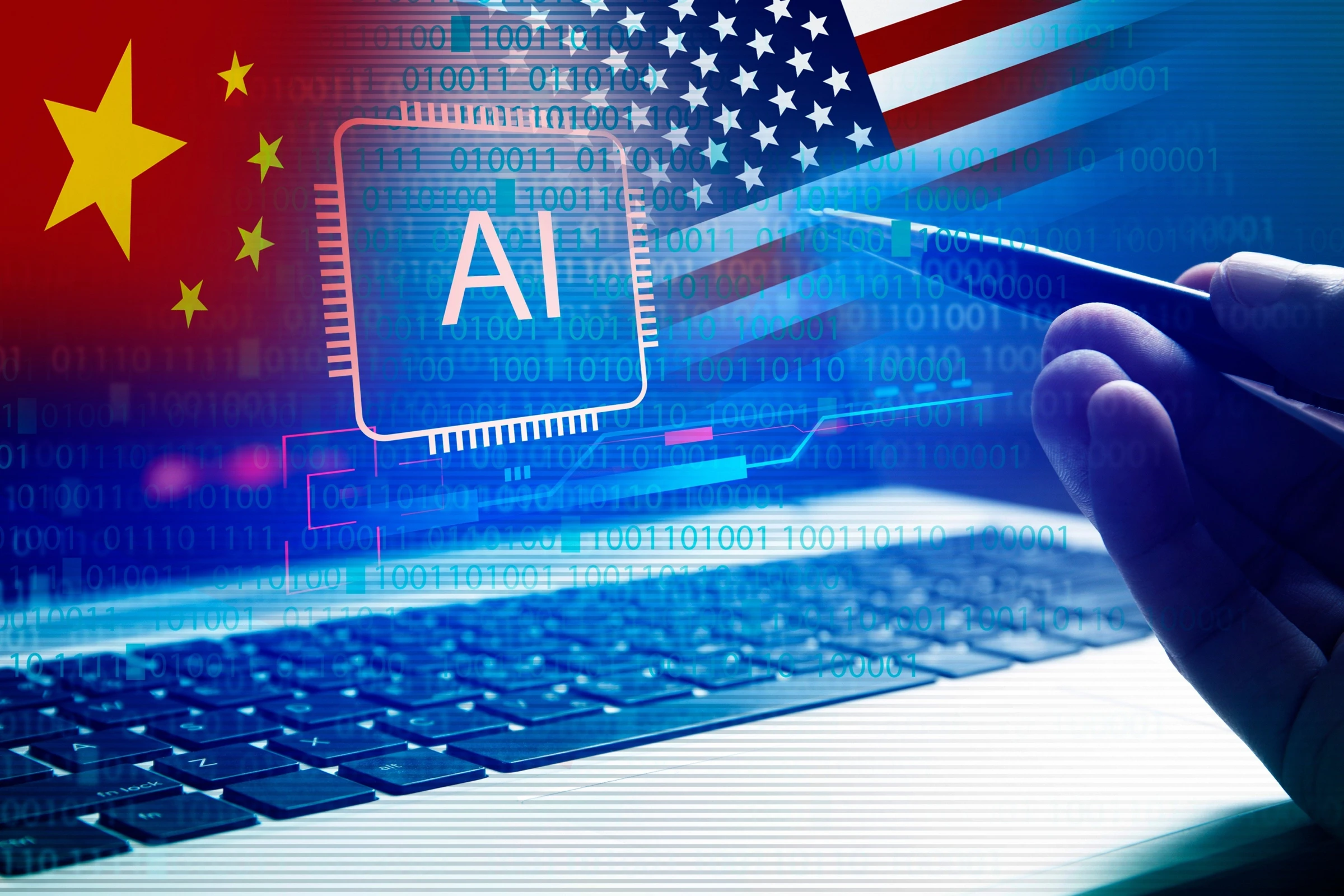
SMIC, China's largest chipmaker, has supplied chipmaking tools to Iran's military, according to two senior Trump administration officials, raising concerns about China's role in the ongoing US-Israeli conflict with Iran. This collaboration, which reportedly began about a year ago, likely included technical training on semiconductor technology, although the officials did not specify whether the tools were of US origin, which would breach US sanctions. The allegations could exacerbate tensions between Washington and Beijing as the US increases military actions against Tehran.
Trump's Mixed Signals on Iran Alarm Allies
U.S. President Donald Trump faces growing concern from allies over his mixed signals regarding Iran, as he simultaneously deploys thousands of additional troops to the region while expressing a preference for a diplomatic resolution. Diplomats from Europe, Asia, and the Middle East report confusion over U.S. military intentions, with one stating, 'I have no idea what they are trying to do.' This uncertainty comes amid rising economic pressures on these allies, who are increasingly frustrated by the lack of consultation from the Trump administration.
Putin Seeks Oligarch Contributions for Defense Budget
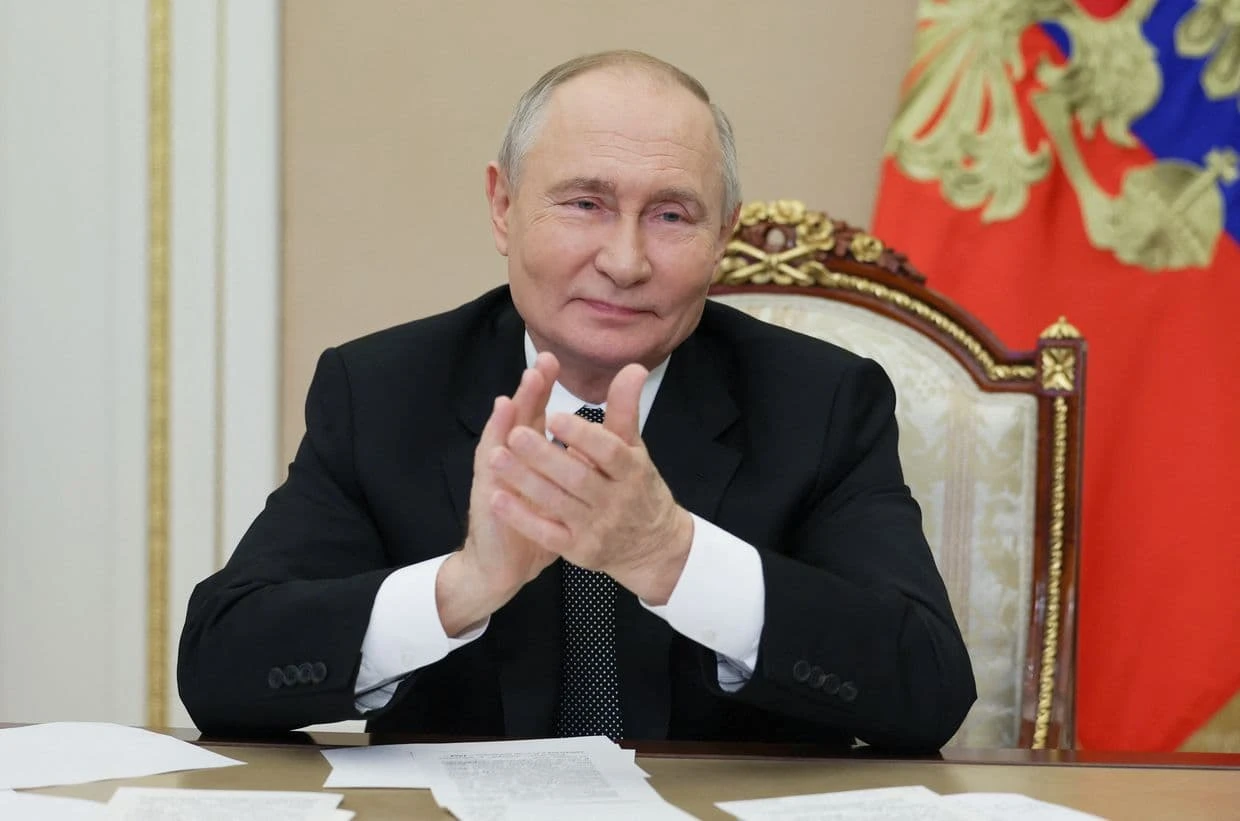
Russian President Vladimir Putin has requested contributions from the country's oligarchs to bolster the defense budget amid rising costs associated with the ongoing invasion of Ukraine. During a closed-door meeting, Putin indicated that he intends to continue military operations until the entirety of the Donbas region is captured, with billionaire Suleiman Kerimov reportedly pledging 100 billion roubles ($1.23 billion) to support this effort. The Kremlin's defense spending has surged by 42% to 13.1 trillion roubles (£121 billion) last year, as the government grapples with a significant budget deficit exacerbated by sanctions and declining energy revenues.
Iran Threatens Bab el-Mandeb Strait Amid Tensions
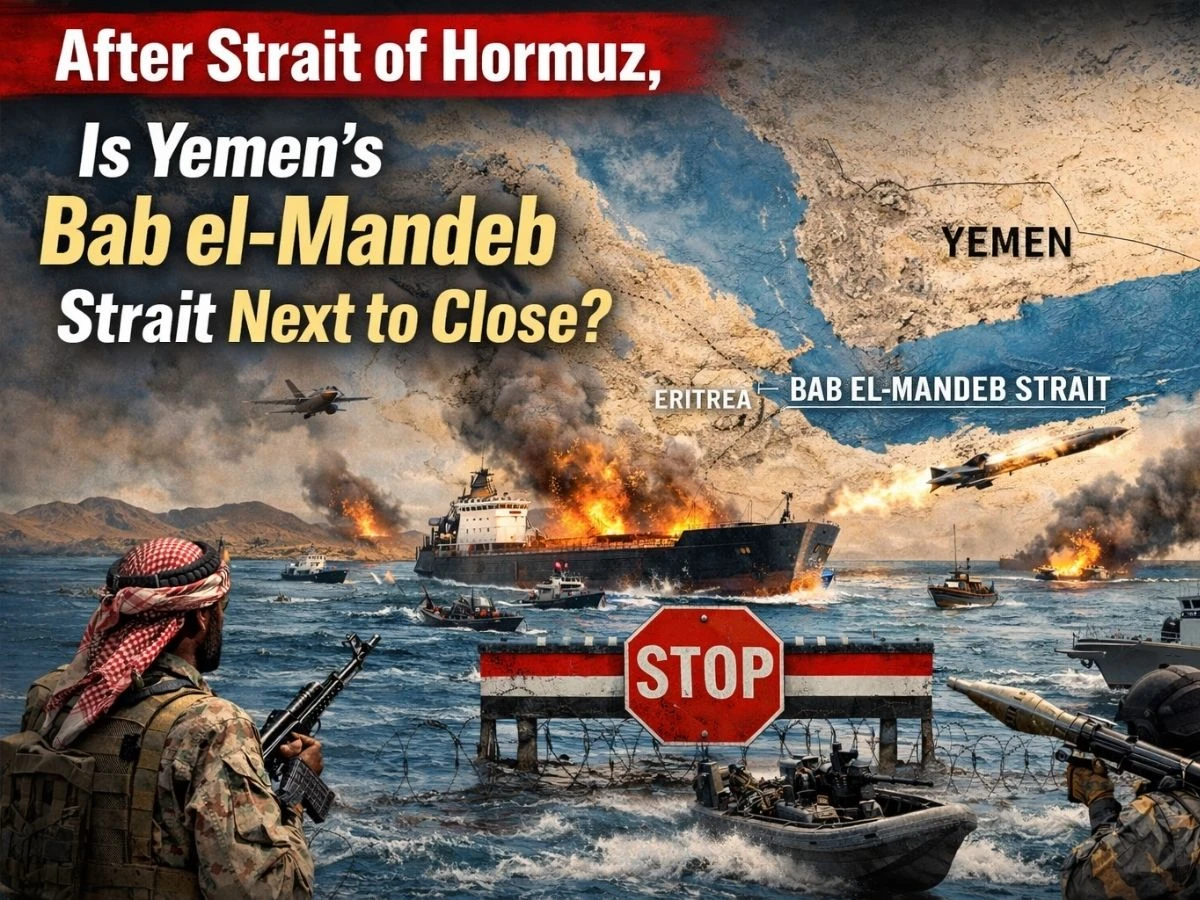
Iran has threatened to target the Bab el-Mandeb Strait, a critical shipping corridor connecting the Red Sea to the Gulf of Aden, amid escalating tensions related to the ongoing Iran War. This warning suggests that Iran may expand its military strategy beyond the Strait of Hormuz, potentially disrupting global energy supplies and international shipping routes. Analysts indicate that any instability in this area could lead to significant spikes in oil prices and further strain global supply chains.
Finland warns Iran conflict could spark global recession
Finland's Prime Minister Alexander Stubb warned that the ongoing conflict in Iran could trigger a self-inflicted global recession, potentially more severe than the economic fallout from the coronavirus pandemic. In an interview, Stubb emphasized the interconnectedness of global supply chains and energy markets, urging for increased diplomatic efforts to prevent regional conflicts from escalating into a larger war. He criticized the current U.S. administration's foreign policy approach, stating that the world needs stronger international cooperation at this critical time.
UN Security Council to Discuss Iran Amid Tensions
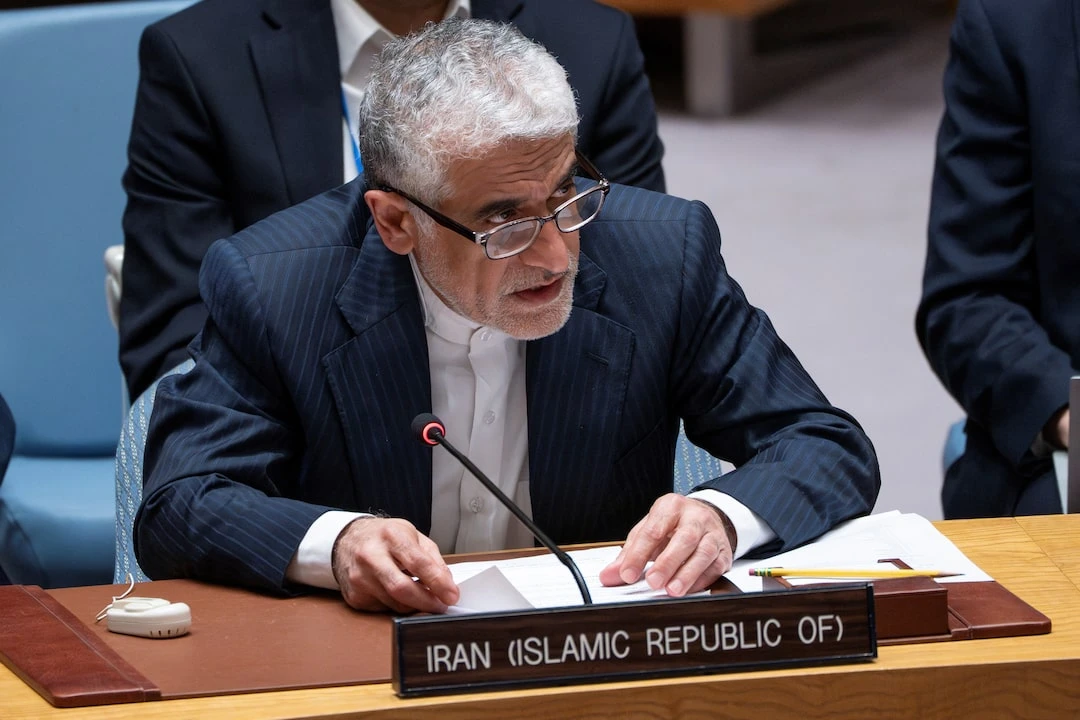
The UN Security Council is set to convene to discuss the situation in Iran following a request from Moscow, as reported by Russian state media. This meeting comes amid escalating tensions in the region, particularly after Israel launched a new wave of strikes on Iran, citing concerns over Iran's nuclear program and military activities.