Trump predicts swift end to Iran military operations
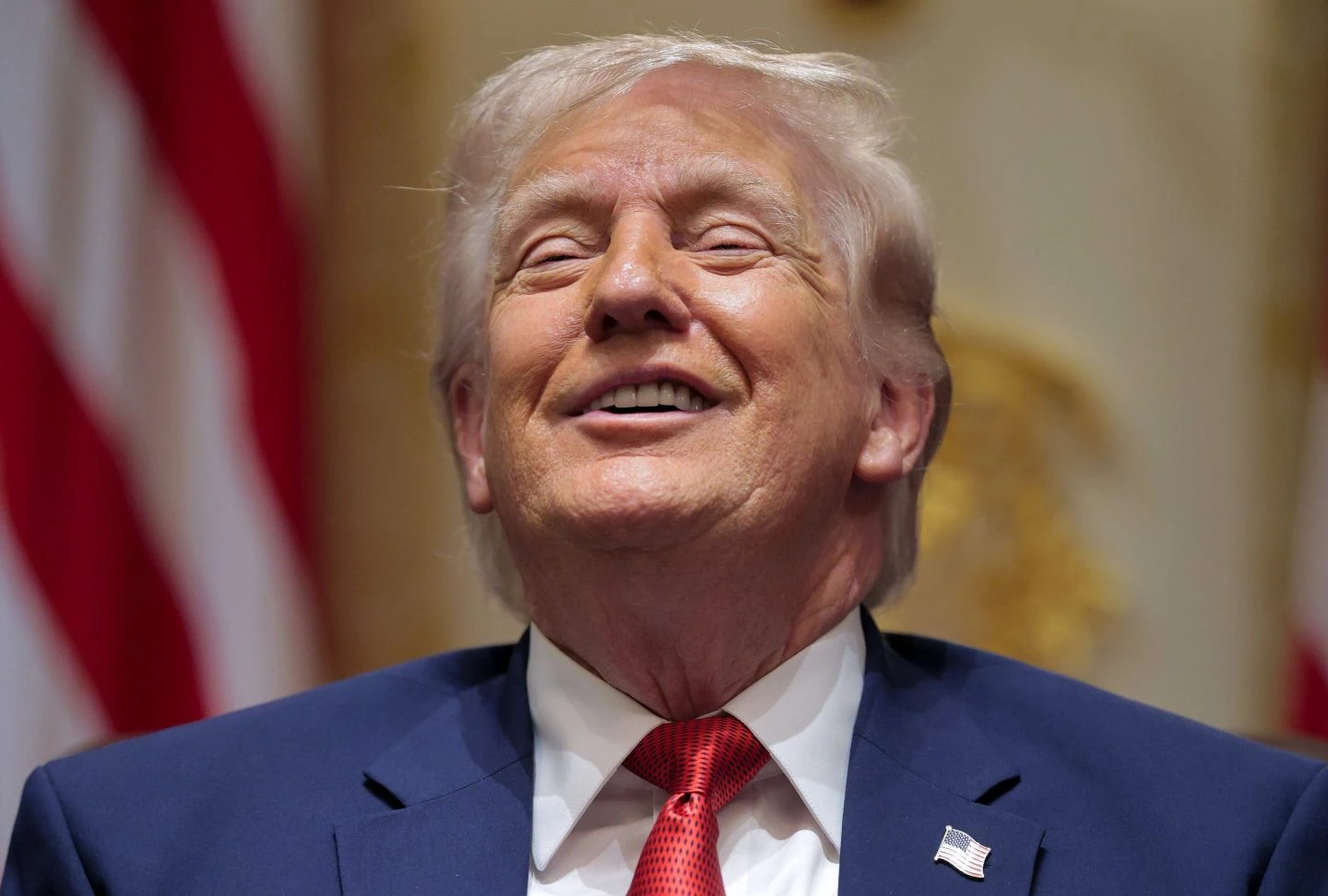
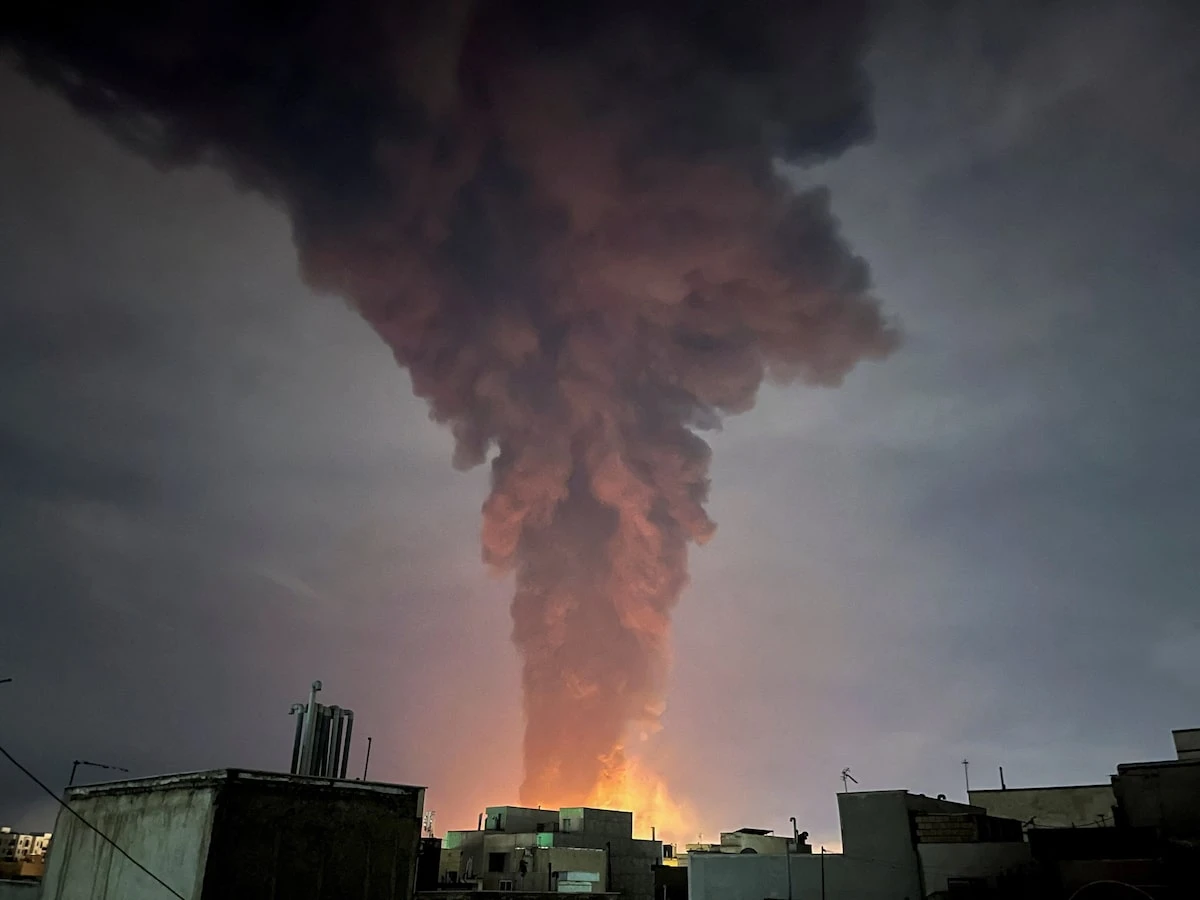
U.S. President Donald Trump announced that military operations in Iran could conclude within two to three weeks, regardless of ongoing negotiations with Tehran. He criticized U.S. allies for not assisting in securing the Strait of Hormuz and stated that the U.S. would not provide future aid. Meanwhile, Iran's foreign minister, Abbas Araghchi, confirmed there were no formal negotiations underway, despite Trump's claims of progress.
Strait of Hormuz Closure Threatens Taiwan's Semiconductor Industry
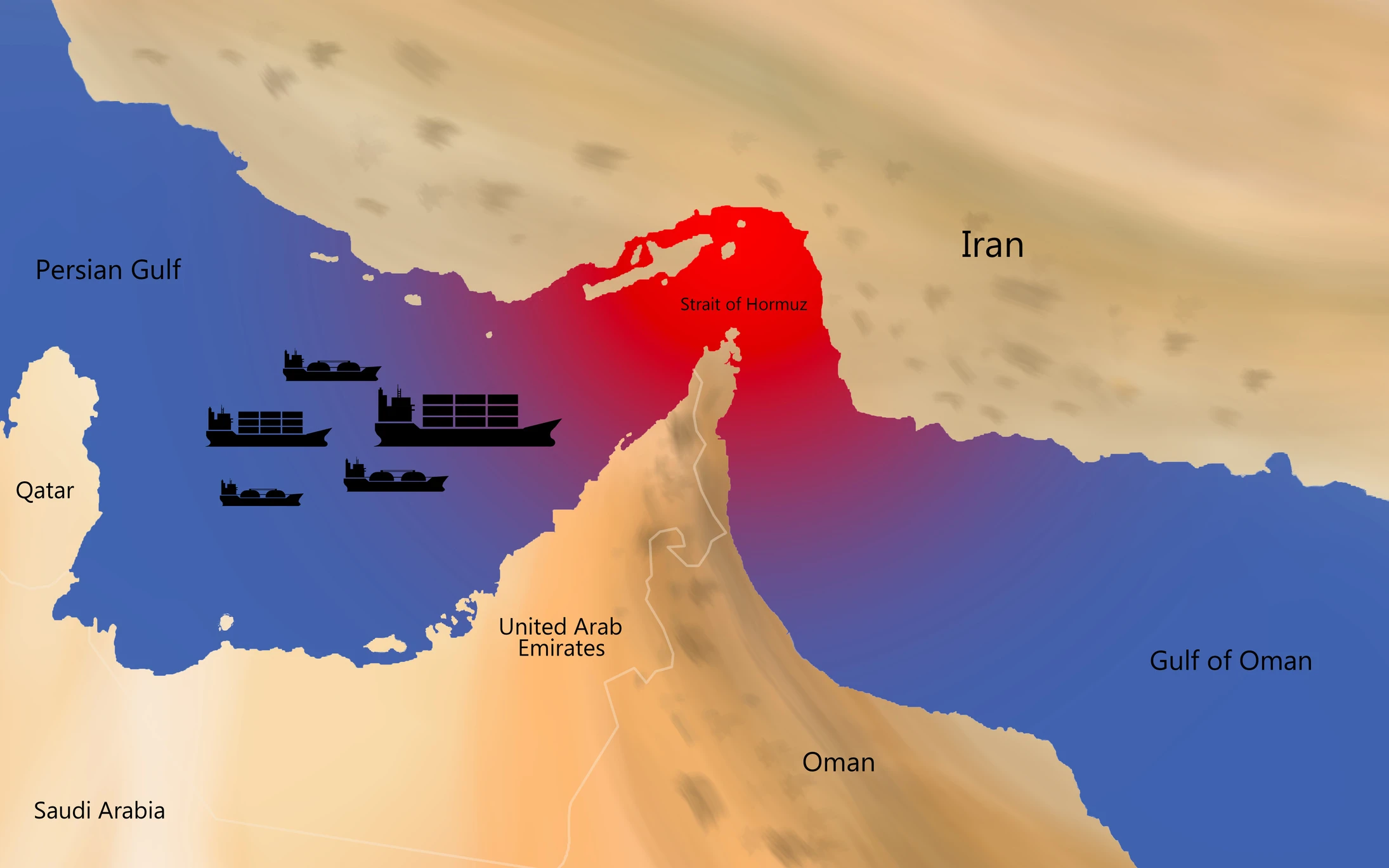
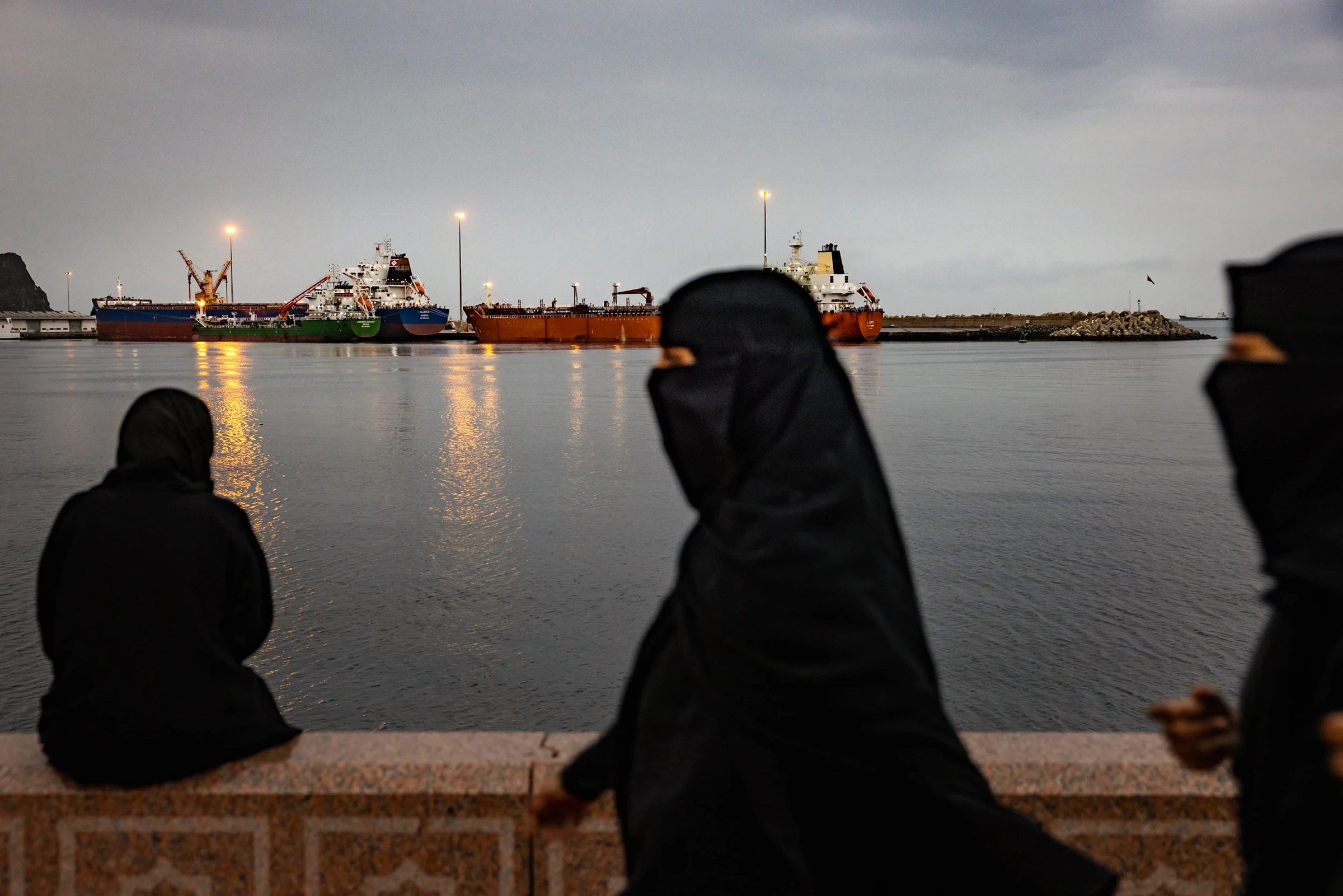
The closure of the Strait of Hormuz poses a significant threat to Taiwan's semiconductor industry, as the region is critical for nearly 97% of Taiwan's energy imports. With natural gas reserves reportedly dwindling to just 11 days, concerns over potential rolling blackouts at advanced fabrication plants, including those of Taiwan Semiconductor Manufacturing Co., have intensified. This disruption comes amid escalating geopolitical tensions in the Middle East, which are impacting global supply chains.
Trump Shifts Strait of Hormuz Security Burden to Europe
President Donald Trump has informed European allies that the security of the Strait of Hormuz is no longer the responsibility of the United States, urging them to take independent action to secure the vital waterway. In a series of statements, Trump criticized European nations for their lack of involvement in the conflict and suggested they should 'go get your own oil,' as oil prices in the U.S. surged past $4 a gallon for the first time since 2022. Defense Secretary Pete Hegseth echoed Trump's sentiments, emphasizing that other countries need to be prepared to contribute to the security of this critical international waterway.
IRGC Threatens 18 US Tech Firms Over Potential Attack
The Islamic Revolutionary Guard Corps (IRGC) has threatened to target 18 U.S. tech and defense companies operating in the Middle East, warning that retaliatory actions could commence as early as tomorrow evening if Iranian leadership is attacked. The IRGC, which described these companies as 'terrorist' entities supporting U.S. and Israeli operations, advised employees and nearby residents to evacuate the area. Among the firms listed are Cisco, HP, Intel, Microsoft, Apple, and Google.
Iran Encourages Houthis to Intensify Red Sea Attacks
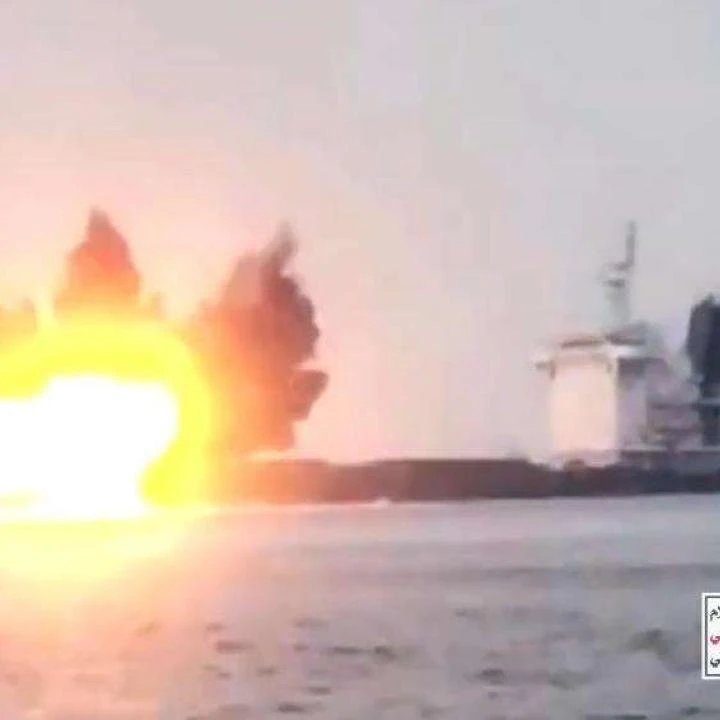
Iran is reportedly urging the Yemen-based Houthi forces to prepare for intensified attacks on Red Sea shipping, raising concerns among European officials about potential EU involvement in the conflict. The Houthis have already launched ballistic missiles at Israel, prompting the EU's Operation Aspides to issue warnings about possible resumption of attacks on commercial shipping in the region. Currently, the EU's naval mission, which was established in 2024 to ensure freedom of navigation, has not increased its military assets despite the heightened risks.
China's Oil Purchases from Sanctioned Nations Exposed
The Select Committee on China has released an investigation revealing that China is a significant buyer of oil from sanctioned countries, including Iran, Russia, and Venezuela. The report, titled "Crude Intentions: How China Became the Clearing Market for Sanctioned Oil," details China's use of shadow fleet tankers, sometimes operated by military and intelligence personnel, to acquire tens of millions of barrels of crude oil at discounted prices through complex networks involving shell companies and refineries.
Trump Criticizes Europe for Lack of Military Support
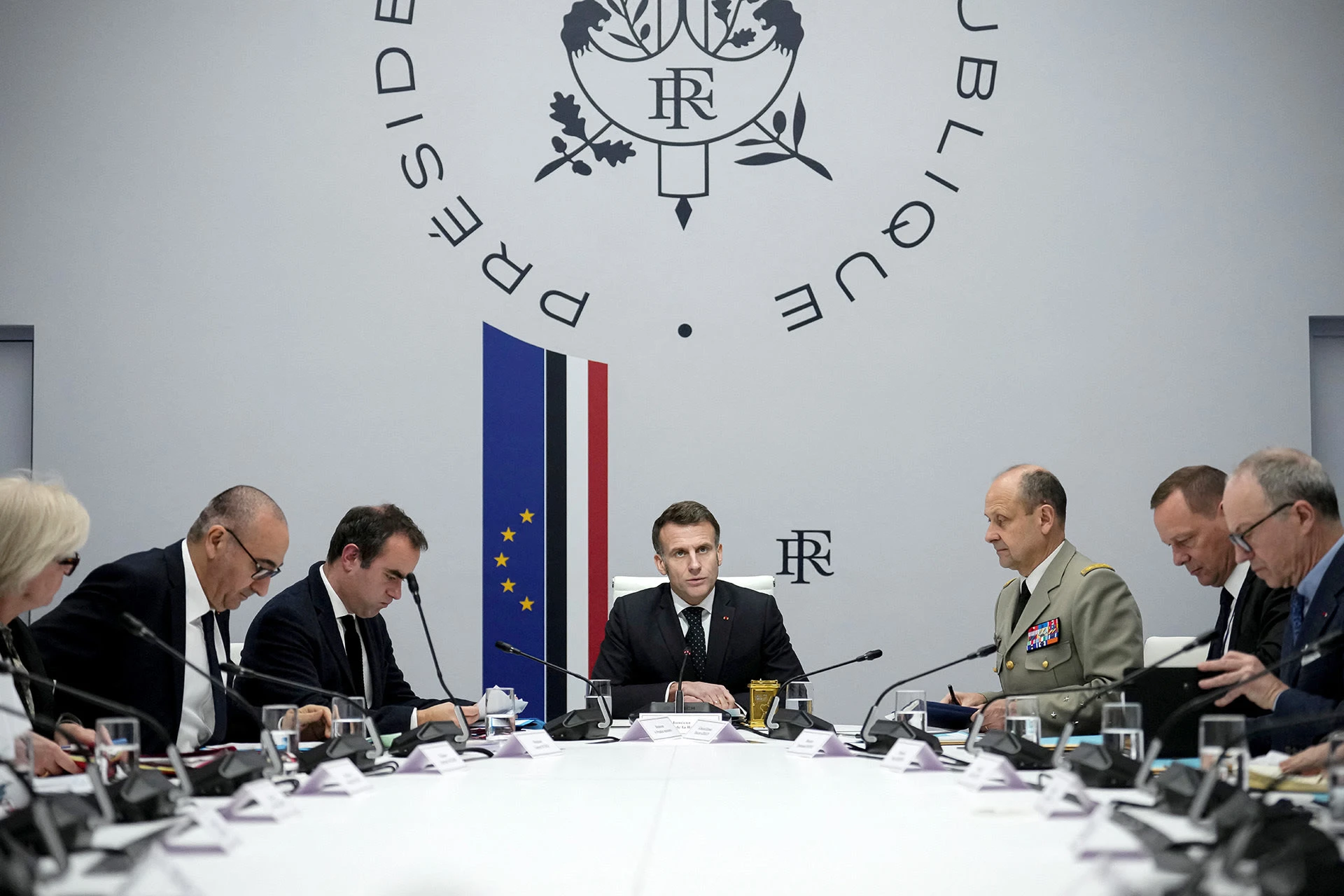
Donald Trump criticized European allies, particularly France and Italy, for their refusal to support U.S. military operations in Iran, exacerbating transatlantic tensions. Italy denied the U.S. use of its air base, while France blocked Israeli planes from flying through its airspace, prompting Trump to suggest that these countries should secure their own oil supplies from the Gulf. The U.S. Secretary of Defense, Pete Hegseth, echoed Trump's call for European nations to take responsibility for the security of the Strait of Hormuz.
UAE Plans Military Support to Reopen Strait of Hormuz
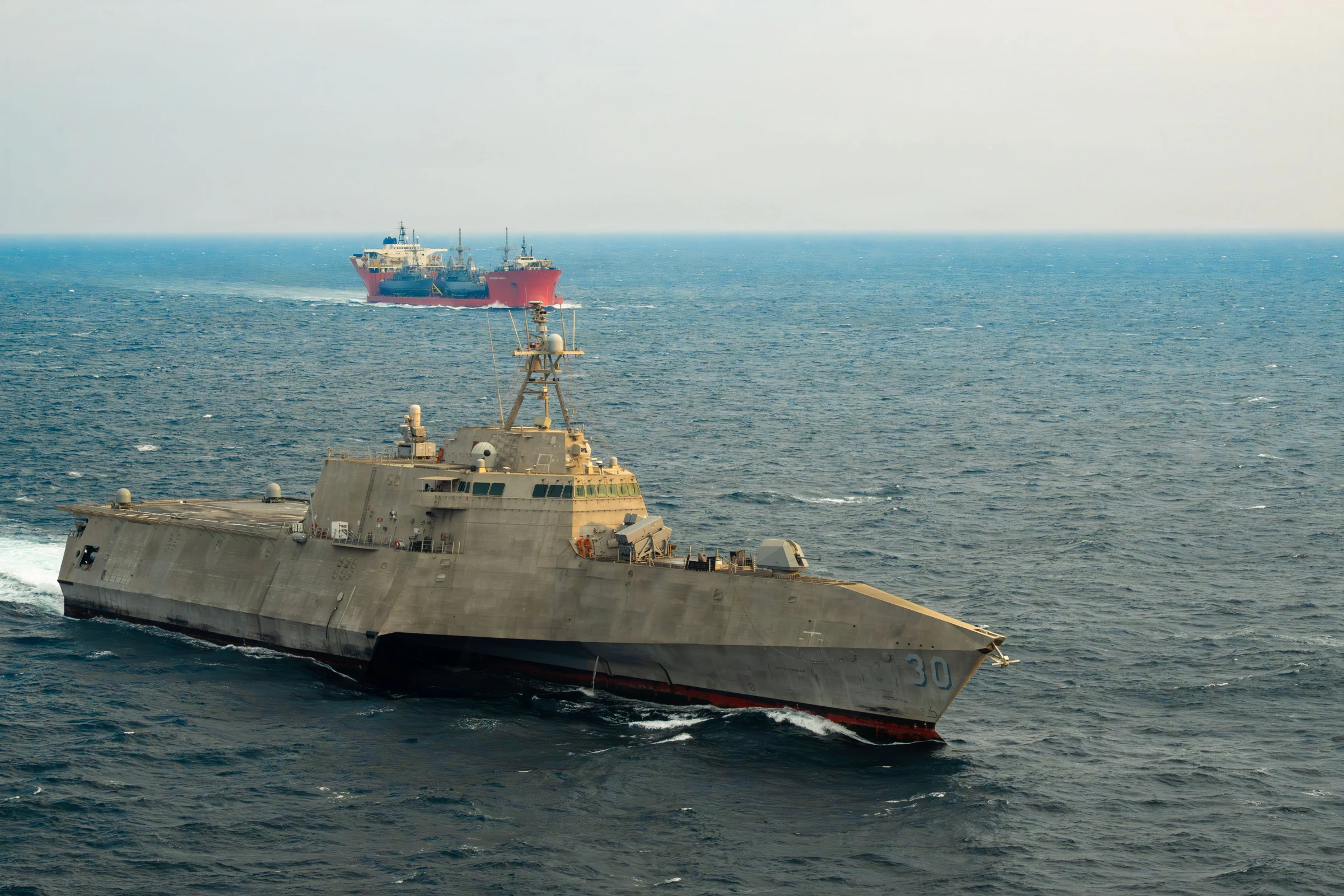
The United Arab Emirates is preparing to support potential military action to reopen the Strait of Hormuz, marking a significant shift in its approach amid rising tensions with Iran. Emirati officials are lobbying for a United Nations Security Council resolution to authorize the use of force and are urging the United States and allied nations in Europe and Asia to form a coalition for this purpose. This comes as Iran has intensified missile and drone attacks on the UAE, launching nearly 50 projectiles in a single day, while the UAE is considering options for direct military involvement, including mine-clearing operations.
Iran expresses willingness to end conflict with conditions
Iranian President Masoud Pezeshkian stated that the country has the "necessary will" to end its ongoing war with Israel and the United States, contingent on guarantees to prevent future aggression. In a conversation with European Council President António Costa, Pezeshkian emphasized the need for security assurances for the Iranian people, while Costa urged Iran to de-escalate the situation in the Middle East. The conflict, which has resulted in over 1,340 deaths since its escalation on February 28, continues amid ongoing peace negotiations, according to US Secretary of Defence Pete Hegseth.