Russia Seeks Ceasefire for Nuclear Staff Evacuation
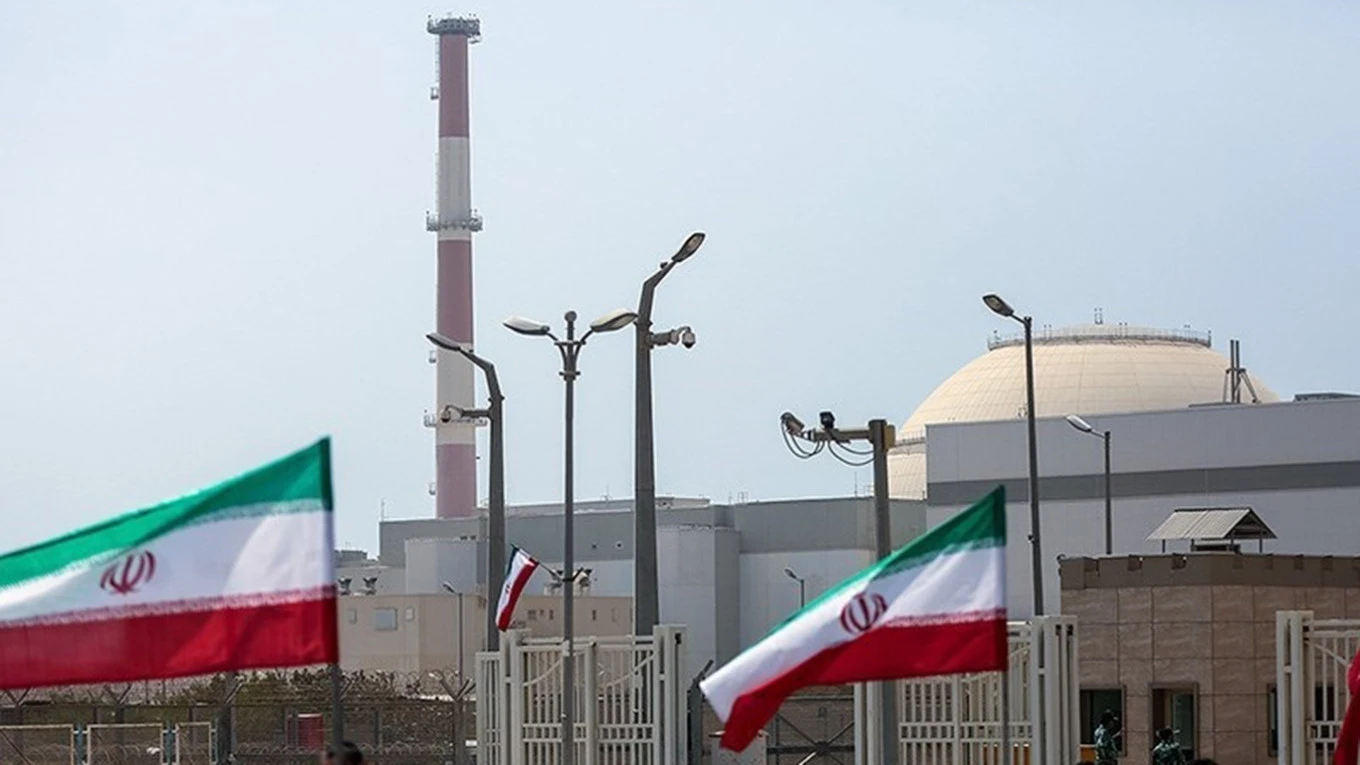
Russia will request a ceasefire from the United States and Israel to facilitate the evacuation of approximately 200 Russian staff from the Bushehr nuclear power plant in Iran, according to RIA news agency. Alexei Likhachev, head of Russia's state nuclear corporation Rosatom, stated that travel routes will be communicated to the relevant authorities to ensure adherence to the ceasefire during the convoy's movement. The evacuation is tentatively scheduled for next week.
UK Leads Coalition to Reopen Strait of Hormuz
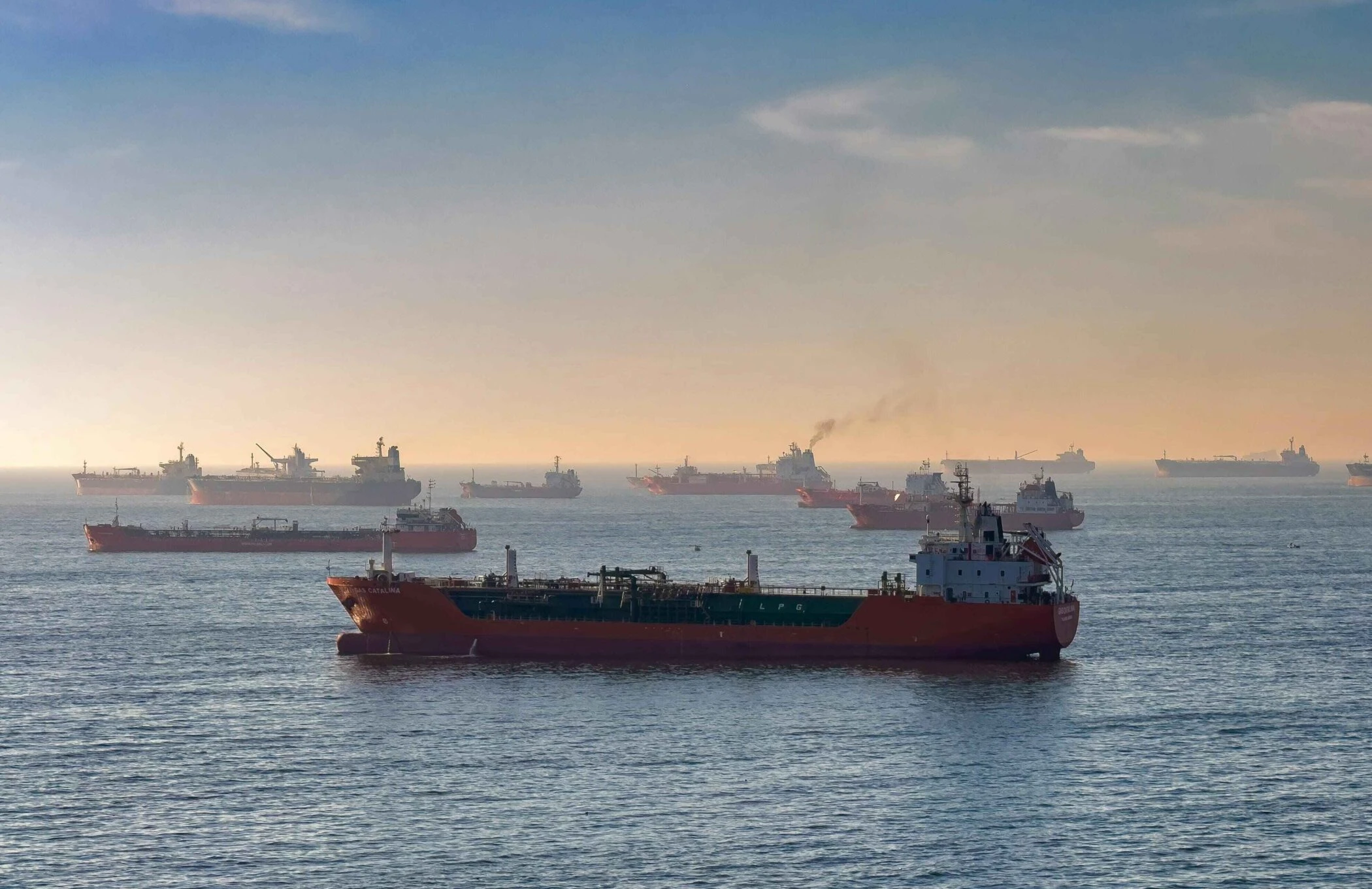
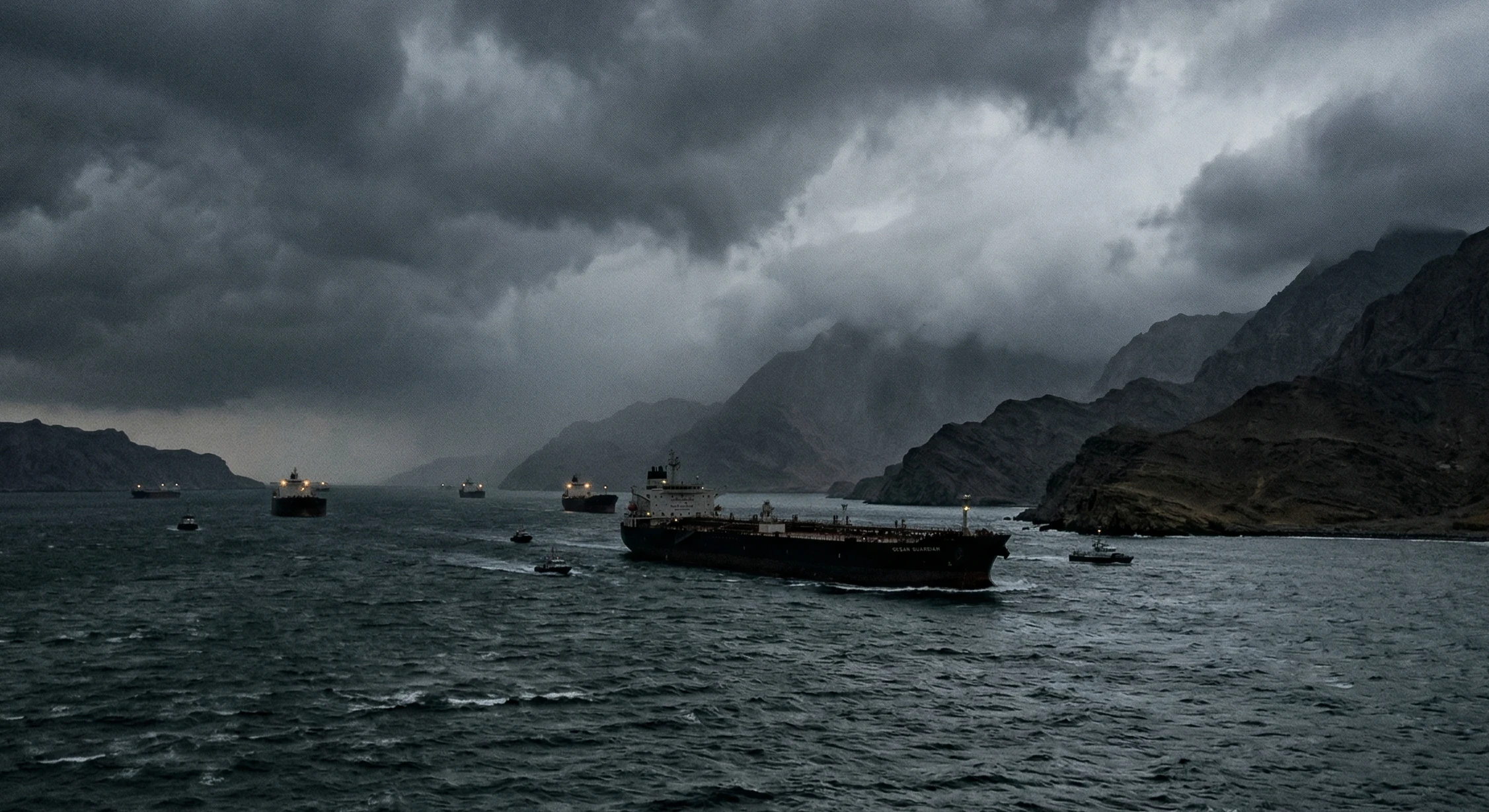
The UK, led by Foreign Secretary Yvette Cooper, is spearheading discussions among over 40 countries to reopen the Strait of Hormuz, which has been blocked by Iran's actions against international shipping. The coalition is exploring diplomatic and economic measures, including potential sanctions, to pressure Iran and ensure the resumption of shipping access, which is critical for global energy supplies and economic stability. Cooper emphasized the need for coordinated action to address the impact of the blockade on global markets, while discussions also included the possibility of establishing a humanitarian shipping corridor.
Ukrainian Drones Target Gazprom Compressor Station
Russia's Gazprom reported that three Ukrainian drones targeted the Russkaya compressor station in Krasnodar Krai, which services the TurkStream gas pipeline, although all drones were intercepted and the facility remained undamaged. This incident follows a series of Ukrainian strikes on Russian energy infrastructure, including attacks on oil terminals that have resulted in significant losses for Russia's oil exports. The TurkStream pipeline is now the only remaining route for Russian gas exports to Europe after previous export corridors were severed.
Middle East Conflict Disrupts Global Oil Supply
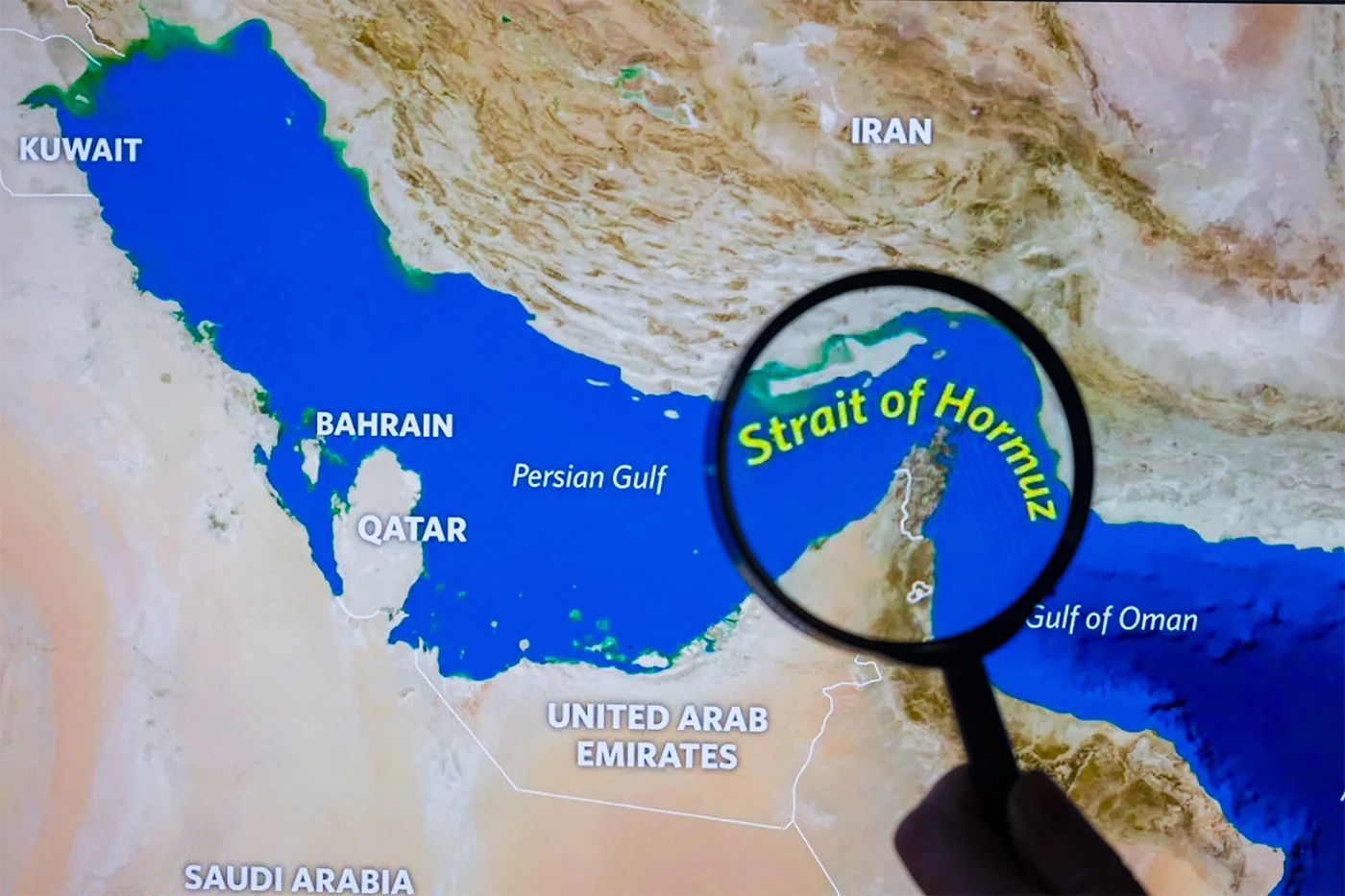
The ongoing conflict in the Middle East has led to the virtual closure of the Strait of Hormuz, disrupting approximately one fifth of the world's oil and gas supply and triggering the largest oil supply shock in the International Energy Agency's history. This disruption has resulted in higher fuel and food prices, increased inflation pressures, and tighter fiscal conditions, particularly affecting low- and middle-income economies. The United Nations emphasizes that this crisis highlights the urgent need for a transition to renewable energy sources to enhance resilience against such supply shocks.
UN Security Council to Vote on Strait of Hormuz Resolution
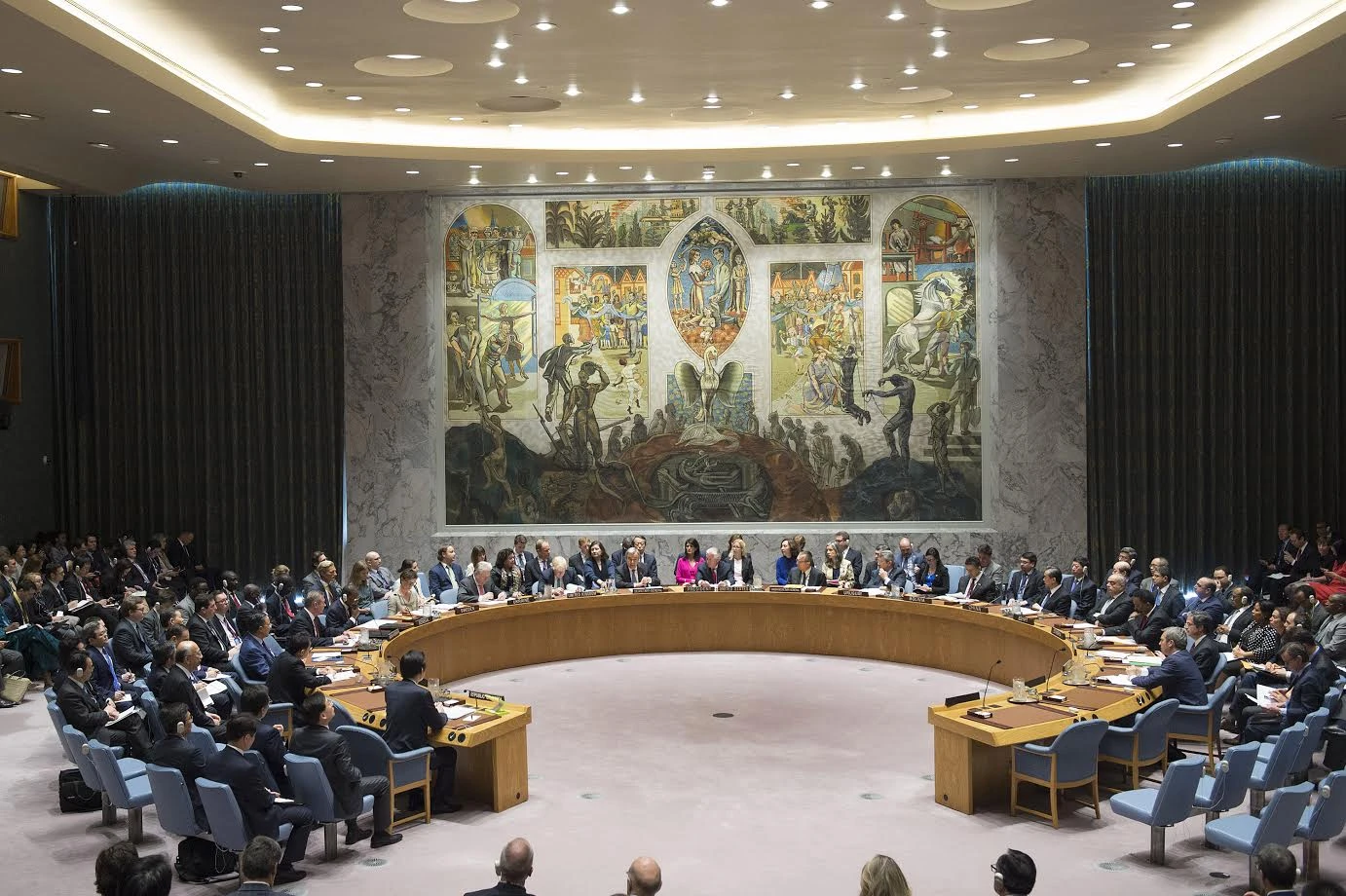
The U.N. Security Council is scheduled to vote on a resolution proposed by Bahrain aimed at protecting commercial shipping in the Strait of Hormuz, despite opposition from China, Russia, and France regarding the authorization of military force. The resolution, which has undergone four revisions, seeks to allow member states to use necessary means to ensure safe transit through the strait, a critical passage for global oil and gas shipments. The vote follows Iran's closure of the strait amid escalating tensions and military actions in the region.
Iran Conflict Tests NATO Unity and U.S. Relations
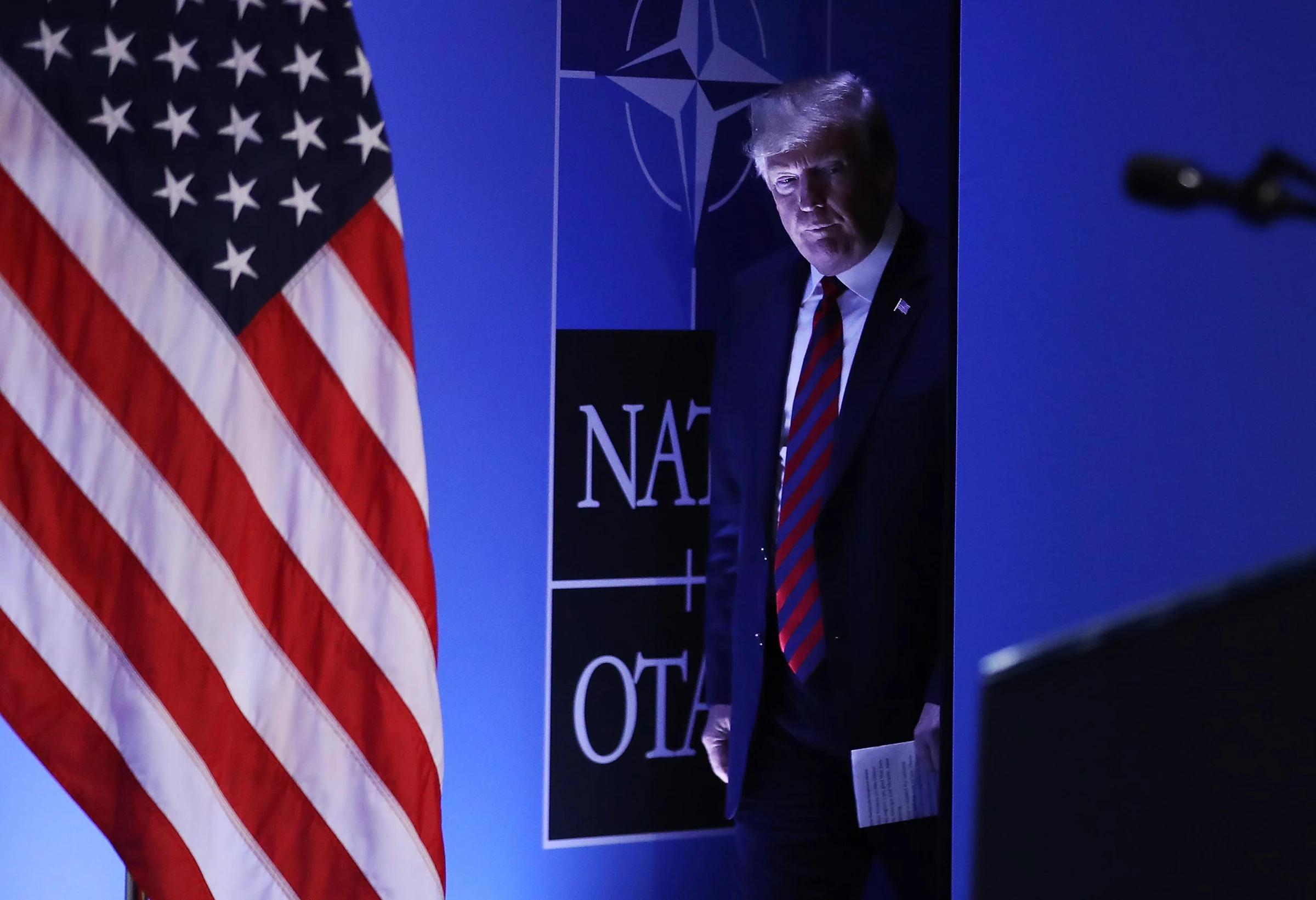
The ongoing conflict in Iran is straining NATO, with increasing tensions between the United States and its European allies. President Trump’s assertive approach towards NATO partners has led to a growing reluctance among European nations to support U.S. military strategies, raising concerns about the alliance's future relevance and unity.
Iran's Army Chief Urges Readiness Amid US Tensions
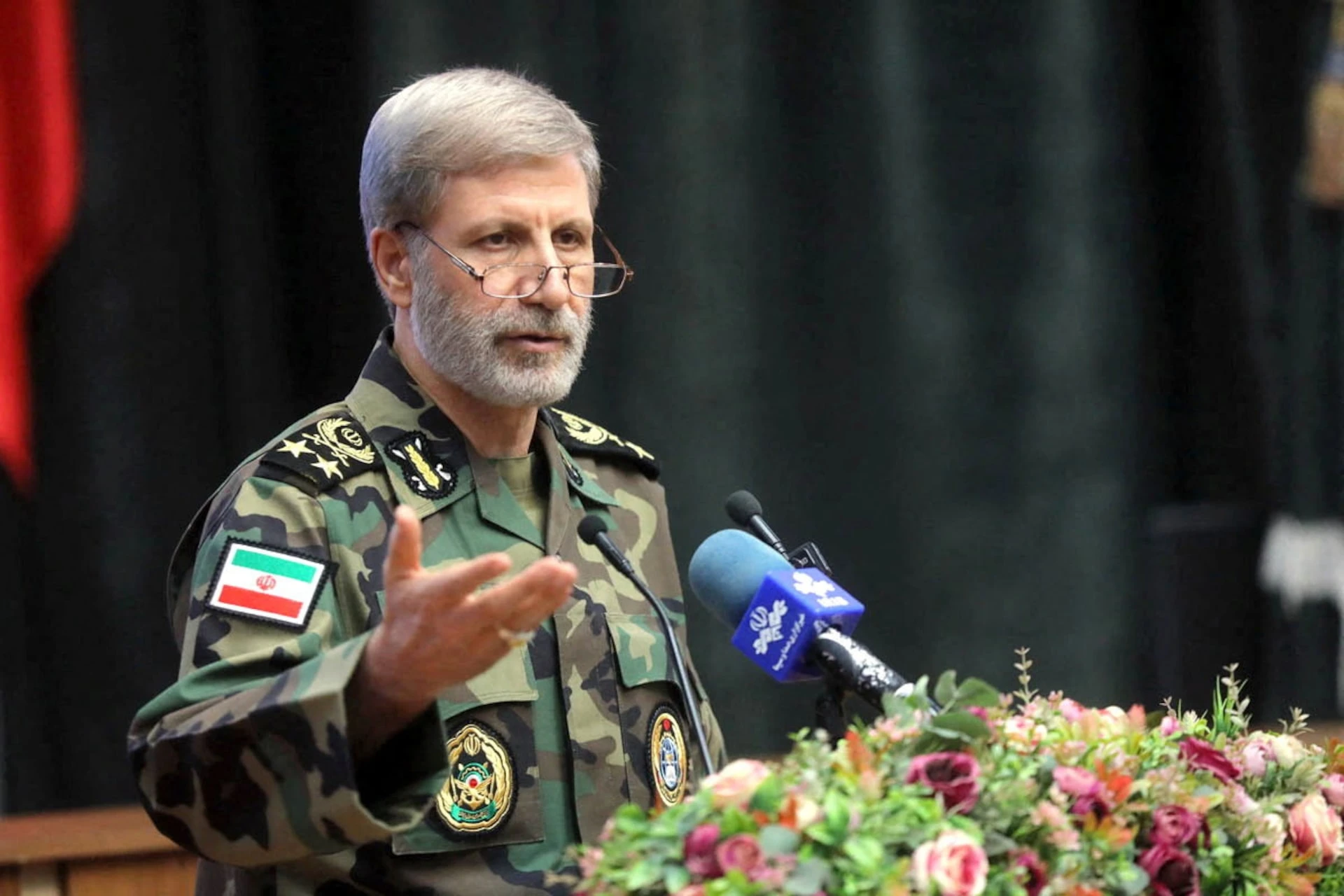
Iran's army chief Amir Hatami has instructed military commanders to prepare for any potential attacks, as reported by state media, amid escalating tensions with the United States. Hatami emphasized the need for operational units to monitor enemy movements with 'utmost pessimism and accuracy' and to be ready for all scenarios, following US President Donald Trump's warnings of intensified military action against Iran. The conflict has already resulted in thousands of casualties across the Middle East since late February, raising concerns over the stability of the region.
China Overtakes US in Global Approval Ratings
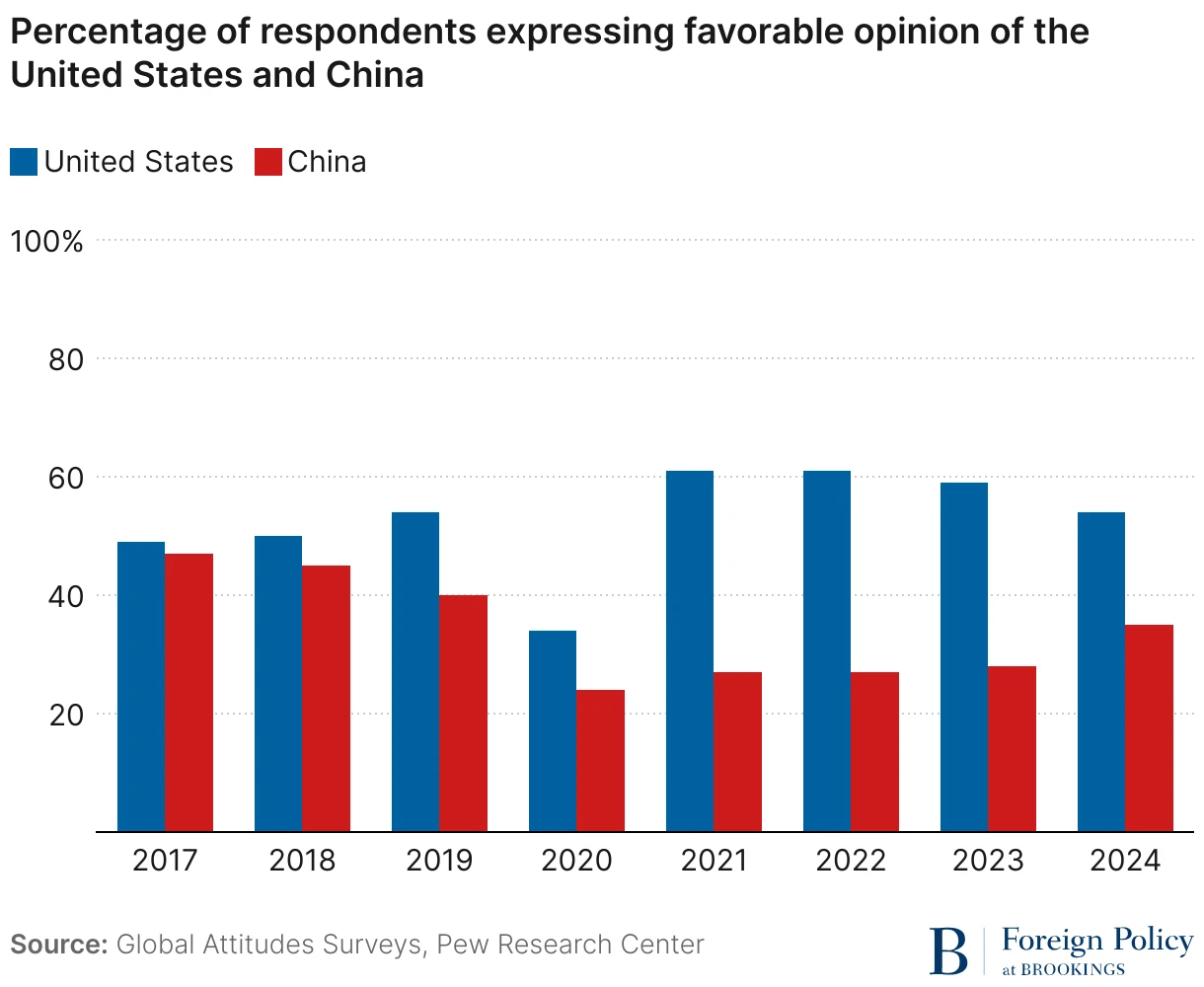
In 2025, China surpassed the United States in global approval ratings, achieving a median of 36% compared to the U.S.'s 31%, marking the widest margin in nearly two decades, according to Gallup. This shift reflects a decline in U.S. ratings, which fell from 39% in 2024, while China's approval rose from 32%. The results, based on surveys from over 130 countries, highlight a significant decrease in U.S. leadership approval, particularly among allies, as disapproval reached a record high of 48%.
Italy proposes UN humanitarian corridor in Strait of Hormuz
Italy proposed a UN-mandated 'humanitarian corridor' in the Strait of Hormuz to address concerns over a potential food crisis, as over 40 countries convened virtually under British Foreign Secretary Yvette Cooper to secure free passage through the critical shipping lane. The coalition aims to restore safe navigation amid ongoing hostilities between Iran and US-Israeli forces, which have severely disrupted shipping and raised fears of global energy supply shortages. Italy, the Netherlands, and the UAE emphasized the need for this corridor to facilitate the transport of fertilizers and avert food shortages.
Iran Faces Economic Crisis Amid Ongoing Conflict
Iranians are experiencing increasing desperation as a month of war has led to widespread economic hardship and fears of government repression, with many losing their jobs and struggling to afford basic necessities. Reports indicate that food prices have risen by 60% over the past year, exacerbating the crisis that has already spurred nationwide protests. Amidst this turmoil, the UK and its allies are exploring sanctions to pressure Iran into reopening the Strait of Hormuz, a critical shipping route that has been disrupted by Iranian attacks on vessels, further impacting global fuel prices.
US Lawmakers Propose MATCH Act to Curb Semiconductor Exports to China
US lawmakers, led by Representative Michael Baumgartner, introduced the Multilateral Alignment of Technology Controls on Hardware (MATCH) Act, aiming to restrict the export of advanced semiconductor manufacturing equipment to China, particularly from allies like the Netherlands and Japan. The legislation seeks to close loopholes in existing export controls, expanding the types of banned chipmaking machines and tightening restrictions on sales to key Chinese companies, amid a surge in China's imports of such machinery, which rose from $10.7 billion in 2016 to approximately $51.1 billion last year.
Strait of Hormuz Blockade Threatens Global Fertilizer Supply
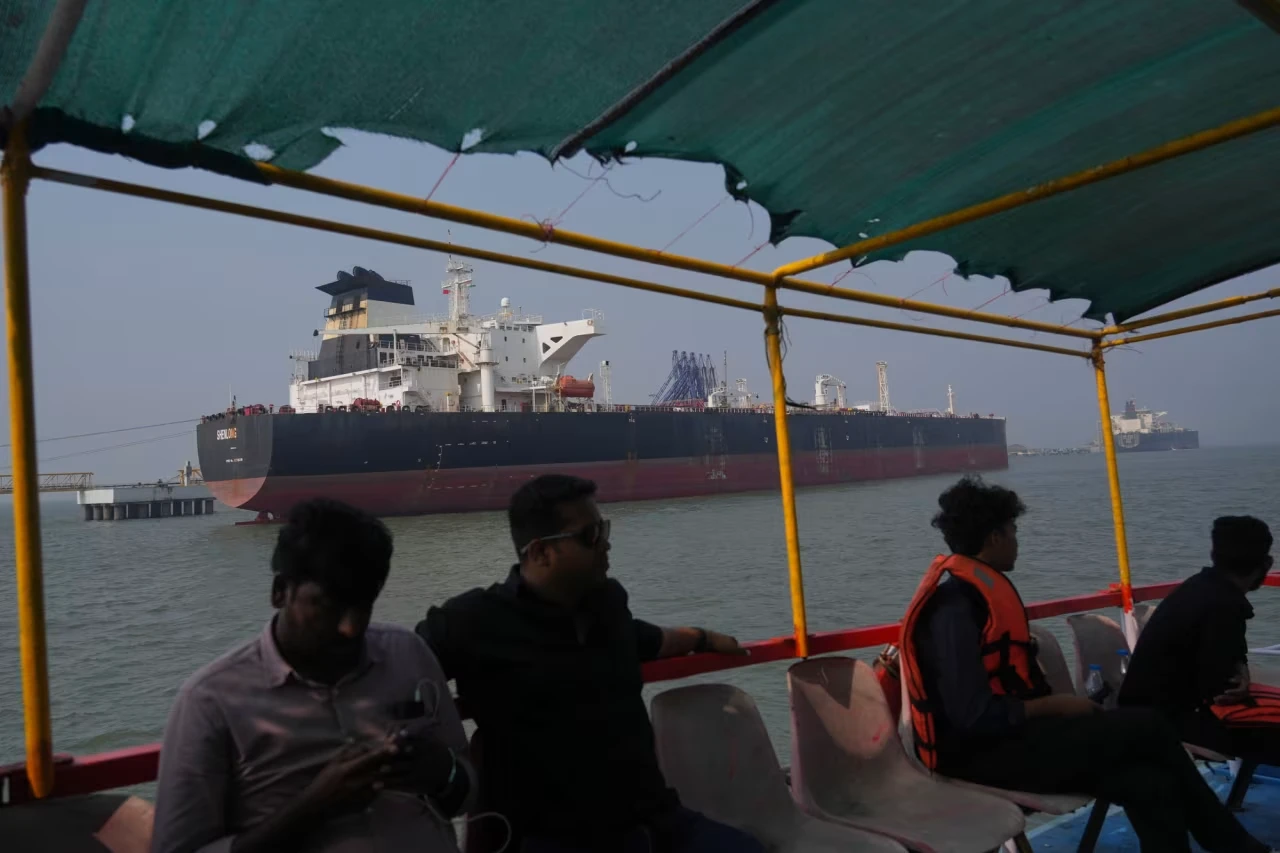
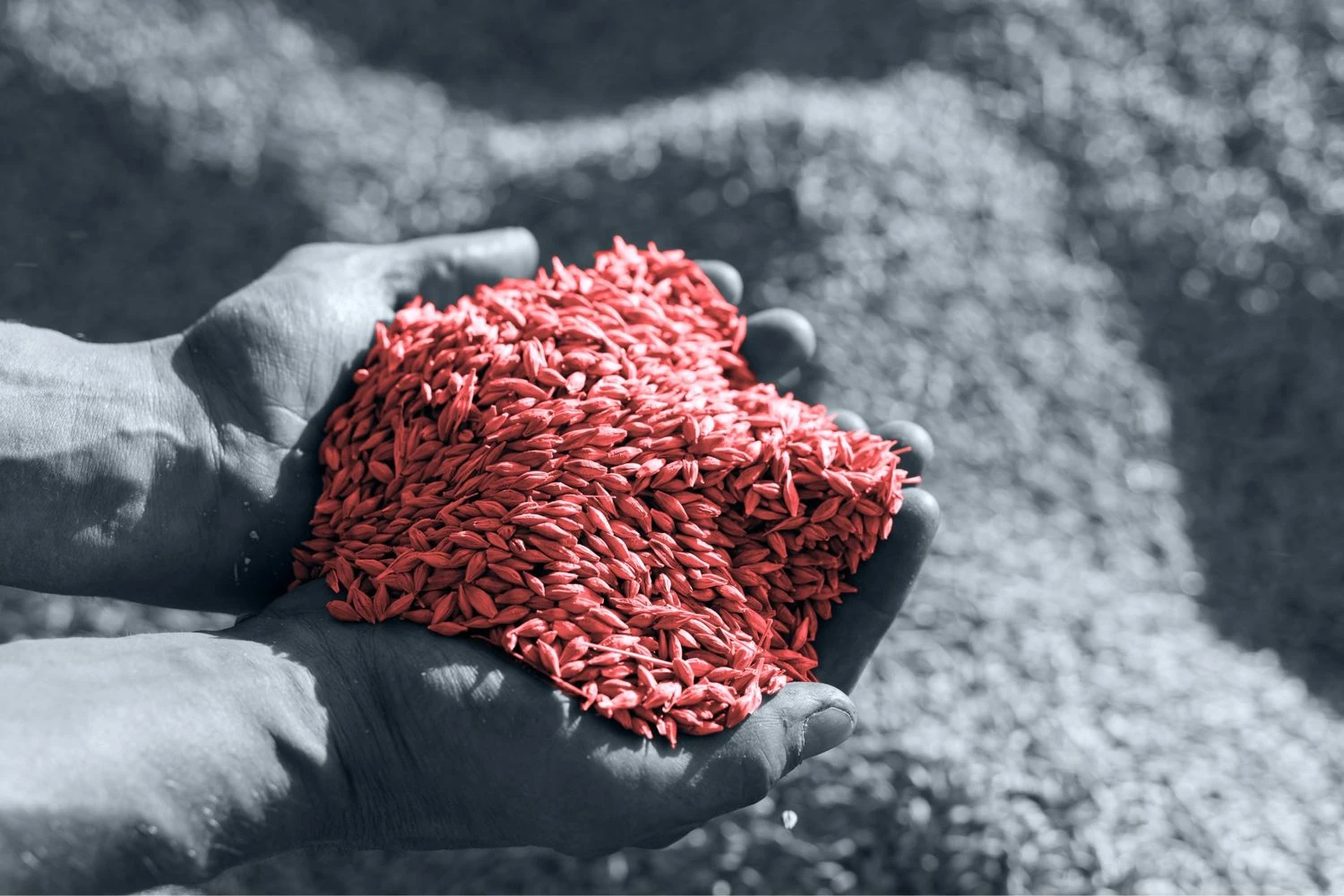
The ongoing U.S.-Israeli conflict with Iran has resulted in a near-total blockade of the Strait of Hormuz, critically impacting global fertilizer shipments, which are essential for food production. Approximately one-third of the global trade in raw materials for fertilizer passes through this maritime chokepoint, and the International Rescue Committee has warned that the situation poses a "food security timebomb." With the Qatar Fertiliser Company offline for nearly a month and the UN projecting record levels of acute hunger this year, the disruption threatens to exacerbate the already deteriorating foundation of future food supplies.
Southeast Asia Implements Emergency Measures Amid Energy Crisis
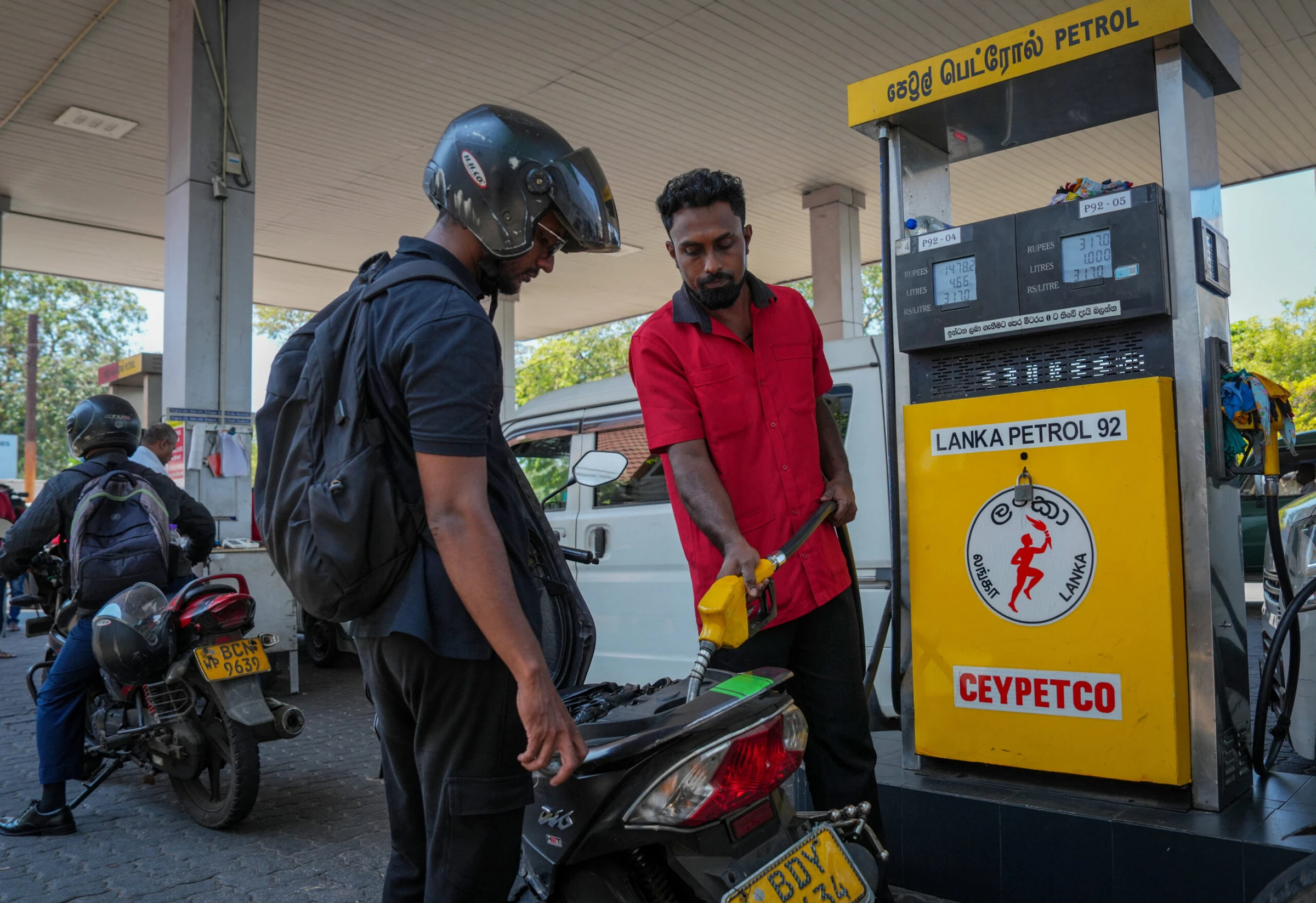
Southeast Asian countries, including the Philippines and Thailand, have begun implementing emergency measures reminiscent of COVID-19 restrictions in response to an energy crisis triggered by the ongoing conflict involving the U.S. and Israel's attacks on Iran. Philippine President Ferdinand Marcos Jr. declared a national energy emergency on March 24, mandating a four-day work week for government employees to manage rising energy prices, while Thailand has moved employees to remote work and introduced fuel export restrictions as diesel prices reached an all-time high of 40 baht per liter. The crisis has led to significant supply chain disruptions, particularly affecting net energy importers in the region.
Brussels warns of potential long-lasting energy shock
Brussels has issued a warning about a potential long-lasting energy shock affecting Europe, citing concerns over energy supply and stability amid escalating tensions in the Strait of Hormuz. In a joint statement, leaders from multiple nations condemned recent Iranian attacks on commercial vessels and called for an immediate cessation of threats to international shipping, emphasizing the need for safe passage and stability in global energy markets.