UAE Exits OPEC Amid Geopolitical Realignment
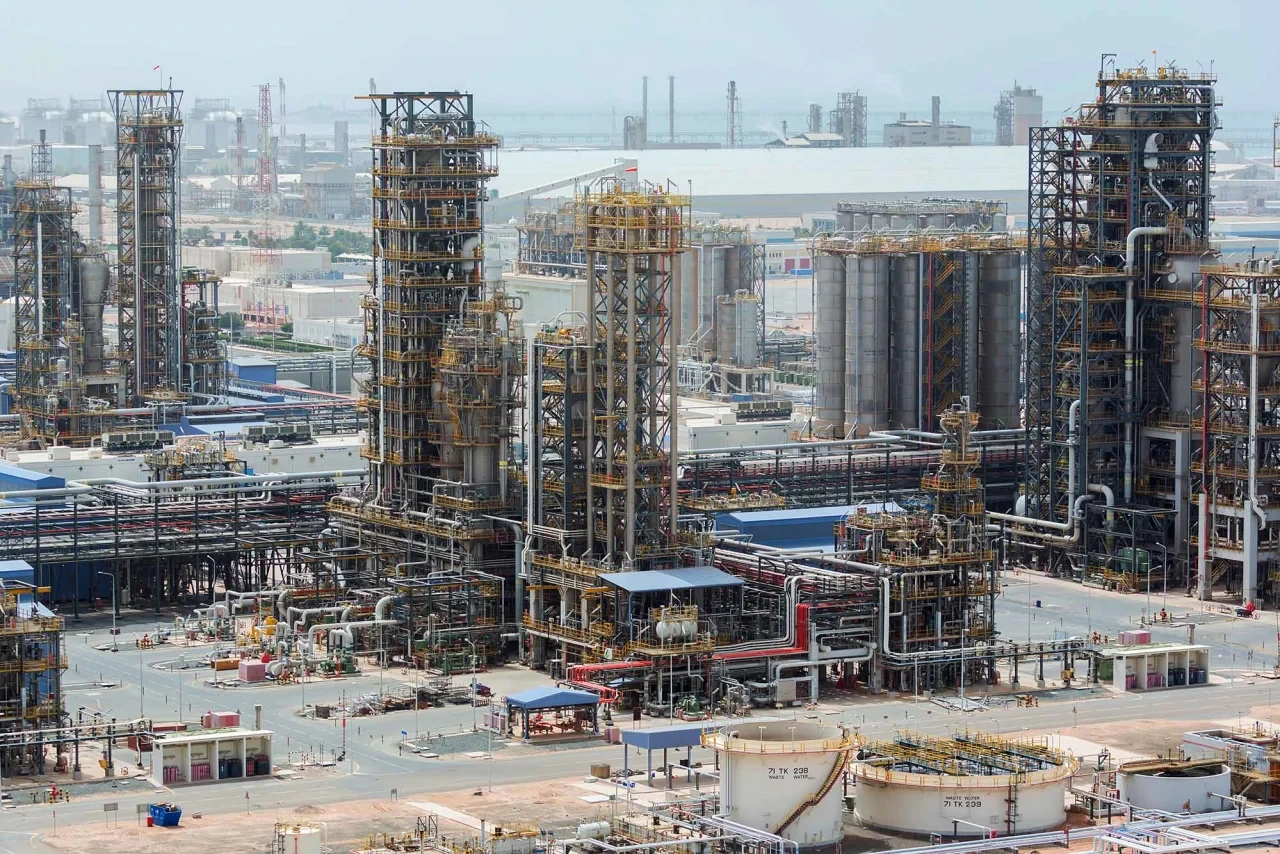
The United Arab Emirates officially exited the Organization of the Petroleum Exporting Countries (OPEC) on May 1, 2026, citing a shift in national interests and a need to align with long-term market fundamentals, according to Emirati Energy Minister Suhail al-Mazrouei. This decision follows a series of Iranian attacks on Emirati territory amid the ongoing U.S.-Israel conflict with Iran, which have highlighted the UAE's frustrations with its Gulf Cooperation Council partners' limited military response. Analysts suggest that the UAE's departure signals a broader geopolitical realignment, potentially diminishing Saudi Arabia's influence in the region.
Trump Declares Iran Hostilities Ended, No Congressional Approval Needed
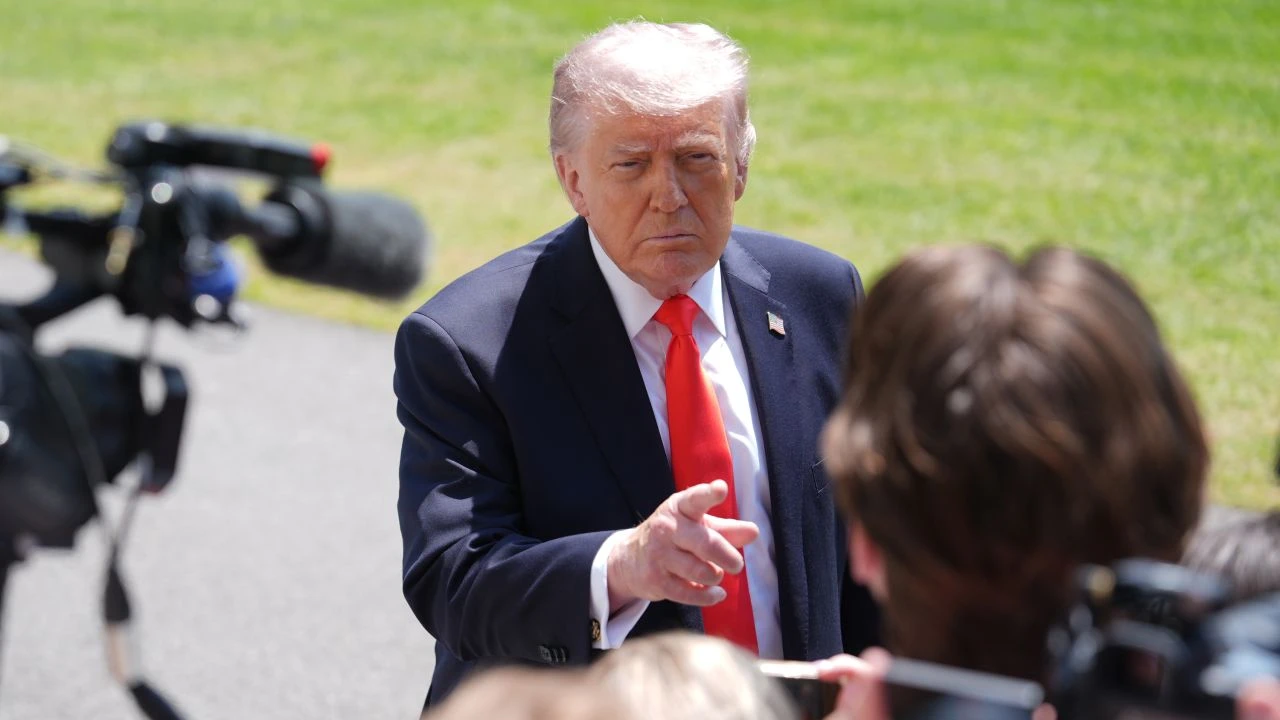
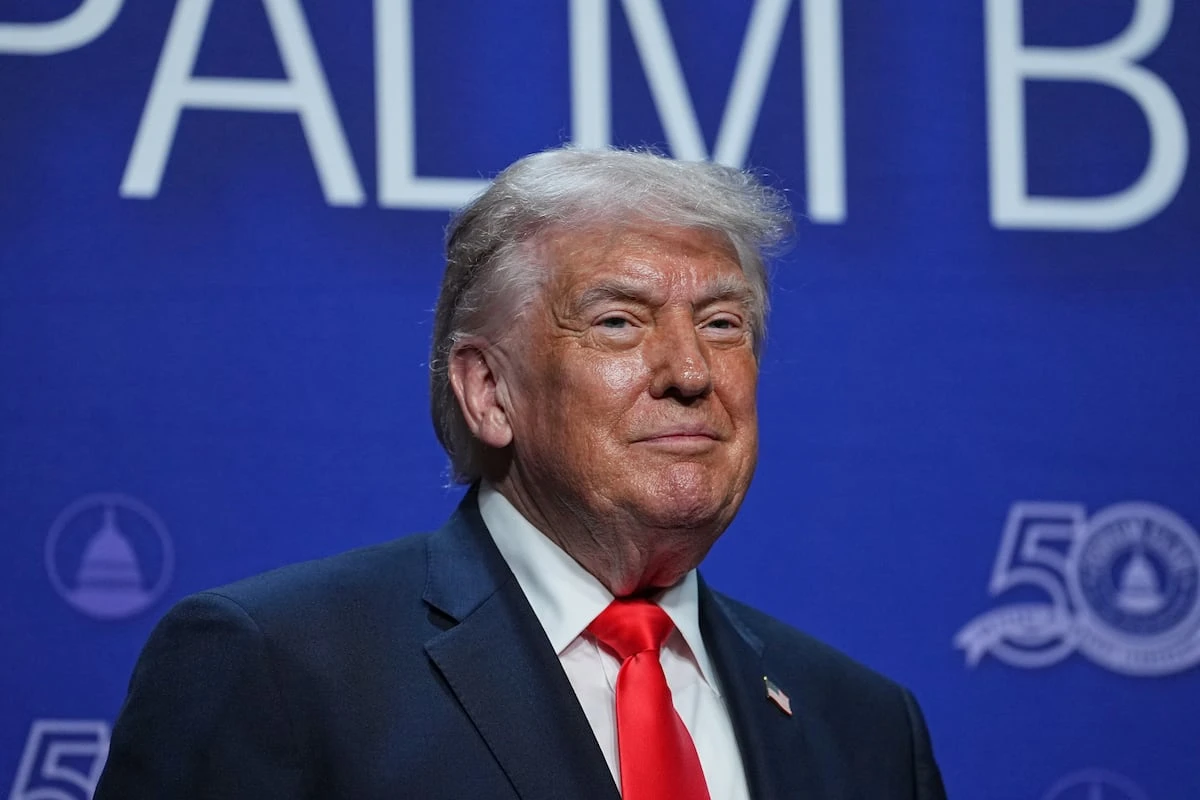
President Donald Trump informed Congress that hostilities in the Iran conflict have 'terminated' due to a ceasefire, asserting that he does not require congressional authorization for military action. The ceasefire, which began on April 7, 2026, has resulted in no exchanges of fire since that date, allowing Trump to argue that the 60-day War Powers Resolution clock has effectively paused. Critics, including legal experts, contend that the administration's interpretation of the ceasefire does not align with the War Powers Resolution, which mandates congressional authorization after 60 days of military engagement.
Trump Plans 25% Tariff on EU Auto Imports
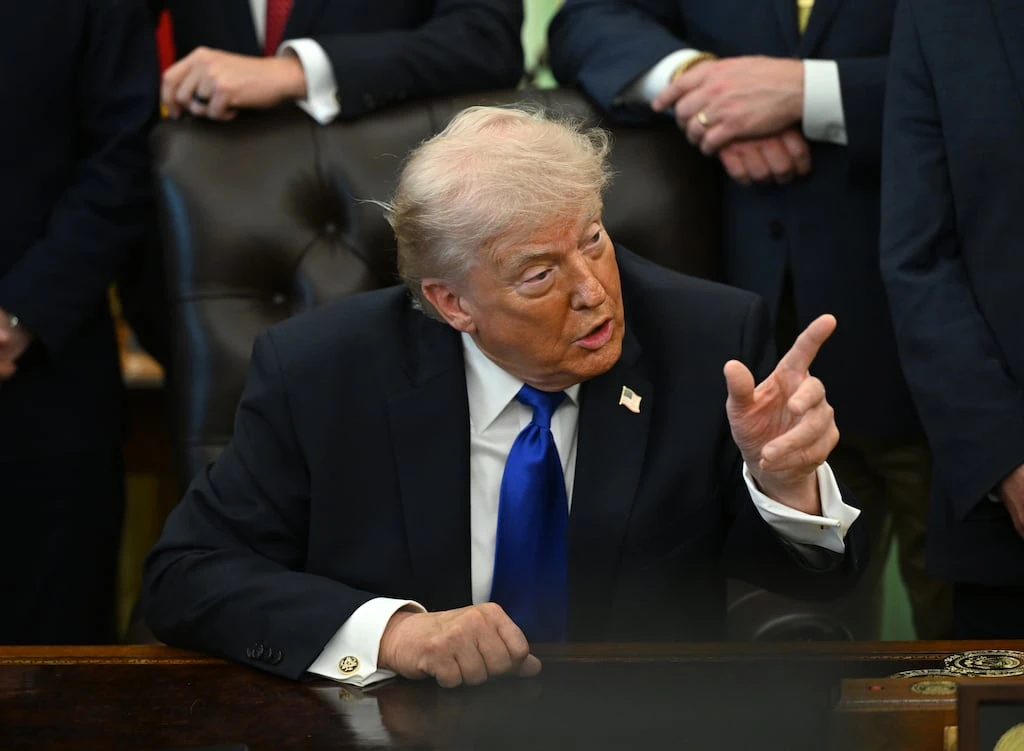
President Donald Trump announced plans to raise tariffs on automobiles and auto parts imported from the European Union to 25%, citing non-compliance with a trade agreement. The current tariff is set at 15% as part of the Turnberry Deal, which required the EU to lower tariffs on U.S. goods and make significant investments. The European Commission stated it would explore options to protect EU interests in response to the U.S. move.
Global Conference in Colombia Agrees on Fossil Fuel Transition
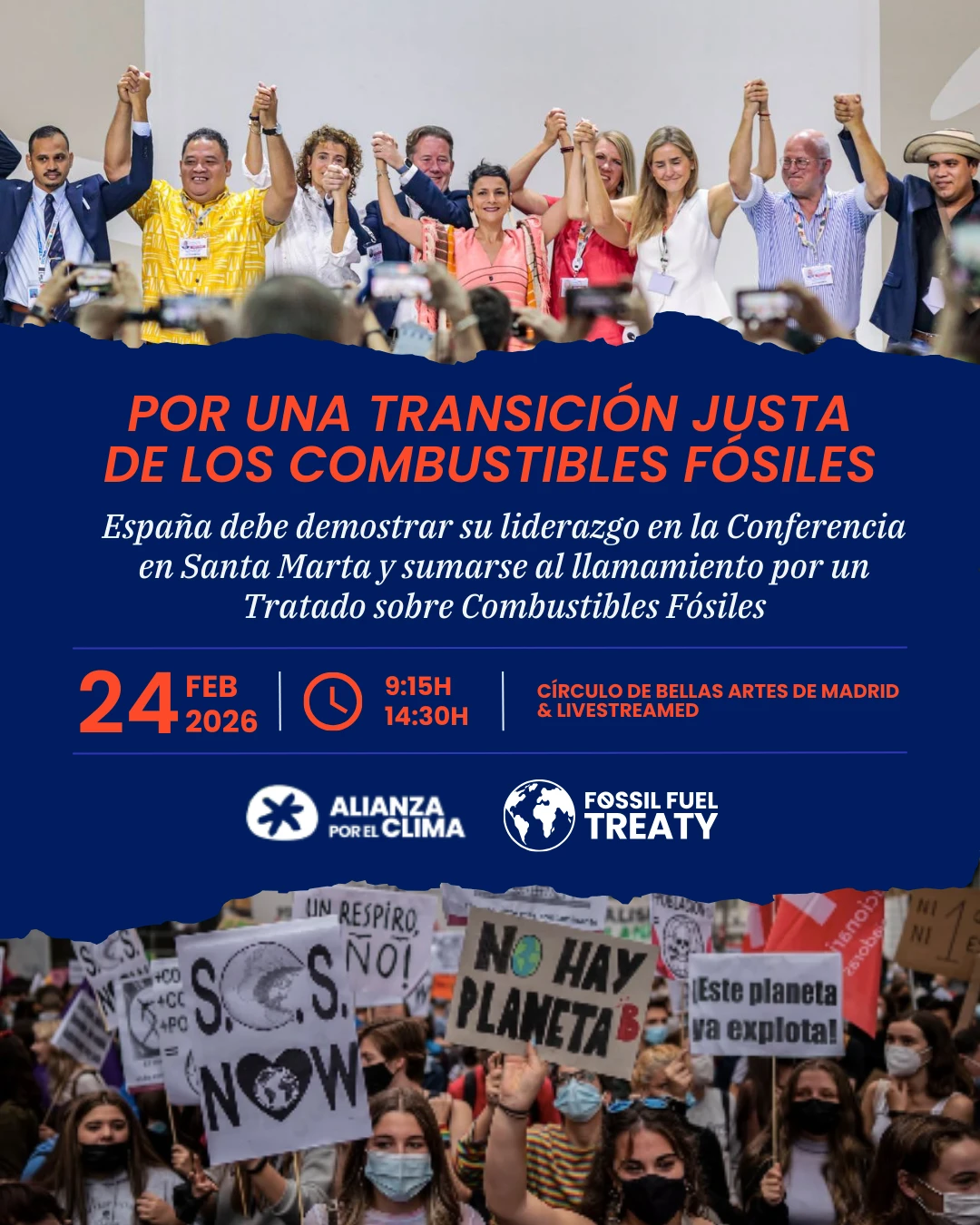
The first global conference on transitioning away from fossil fuels concluded in Santa Marta, Colombia, with representatives from 57 countries, accounting for one-third of the world’s economy, agreeing to develop national roadmaps to reduce reliance on coal, oil, and gas. The summit, held from April 24-29, facilitated discussions on addressing harmful subsidies and carbon-intensive trade amid ongoing global challenges. Tuvalu and Ireland were announced as the co-hosts for the next summit, scheduled for 2027.
US warns Europe of arms shipment delays due to Iran
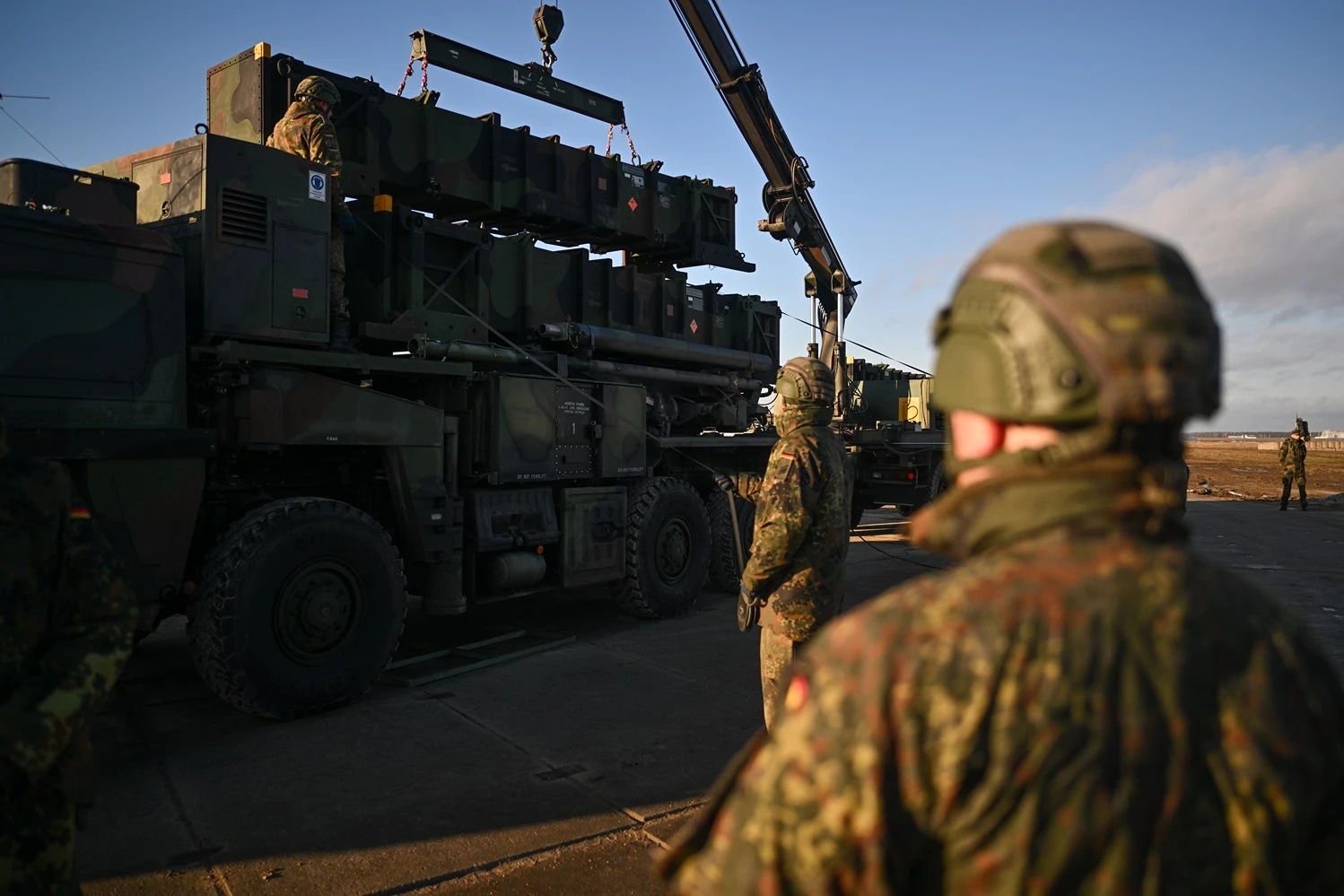
The U.S. government has warned European allies, including the UK, Poland, Lithuania, and Estonia, to anticipate delays in arms shipments due to depleted stockpiles caused by the ongoing war in Iran. This situation may impact support for Ukraine's defense against Russia, as previously contracted weapons deliveries are likely to be postponed, straining European defense planning and prompting some nations to consider European-made alternatives.
US to withdraw 5000 troops from Germany
The U.S. Defense Department announced the withdrawal of approximately 5,000 troops from Germany, reducing the total to around 33,000, amid tensions between President Donald Trump and German Chancellor Friedrich Merz over the Iran conflict. The decision, confirmed by Pentagon spokesperson Sean Parnell, follows Merz's criticism of U.S. strategy and is expected to be completed within six to twelve months.
US Navy awards $99.7 million contract for mine detection
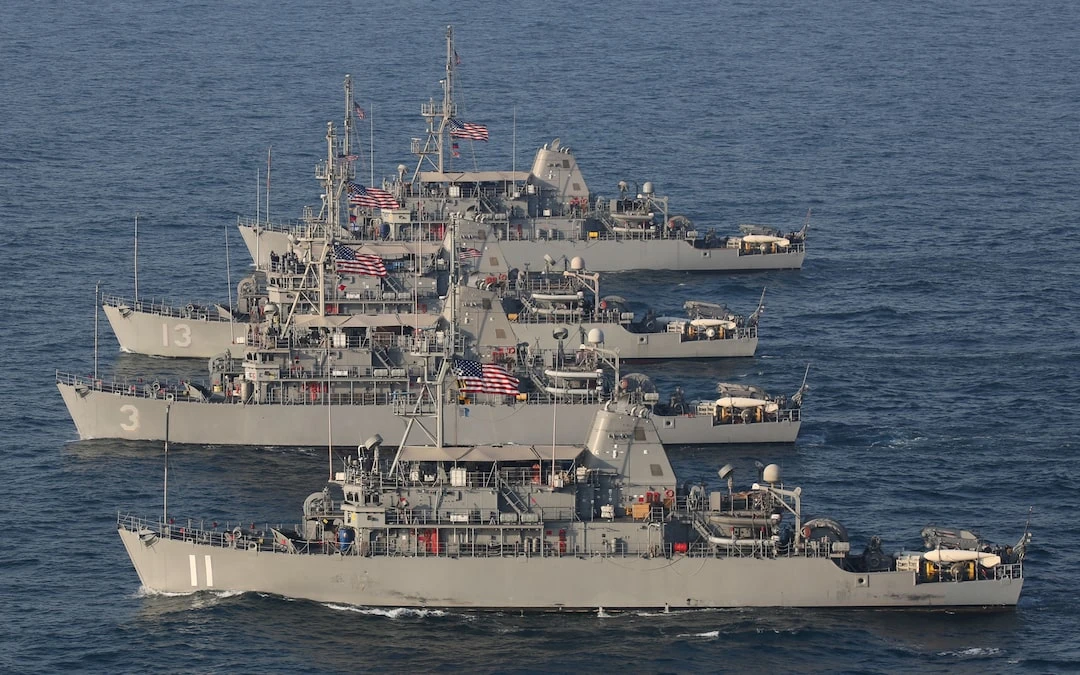
The U.S. Navy has awarded a contract worth up to $99.7 million to the San Francisco-based AI firm Domino Data Lab to enhance its capabilities in detecting Iranian mines in the Strait of Hormuz. This initiative, part of Project AMMO, aims to expedite underwater mine detection, reducing the time required to update AI models for unmanned underwater vehicles from six months to mere days. Former President Donald Trump has criticized the Navy's actions, labeling them as 'piratical' in the context of enforcing a naval blockade of Iranian ports.