Germany unveils military strategy to strengthen forces by 2039
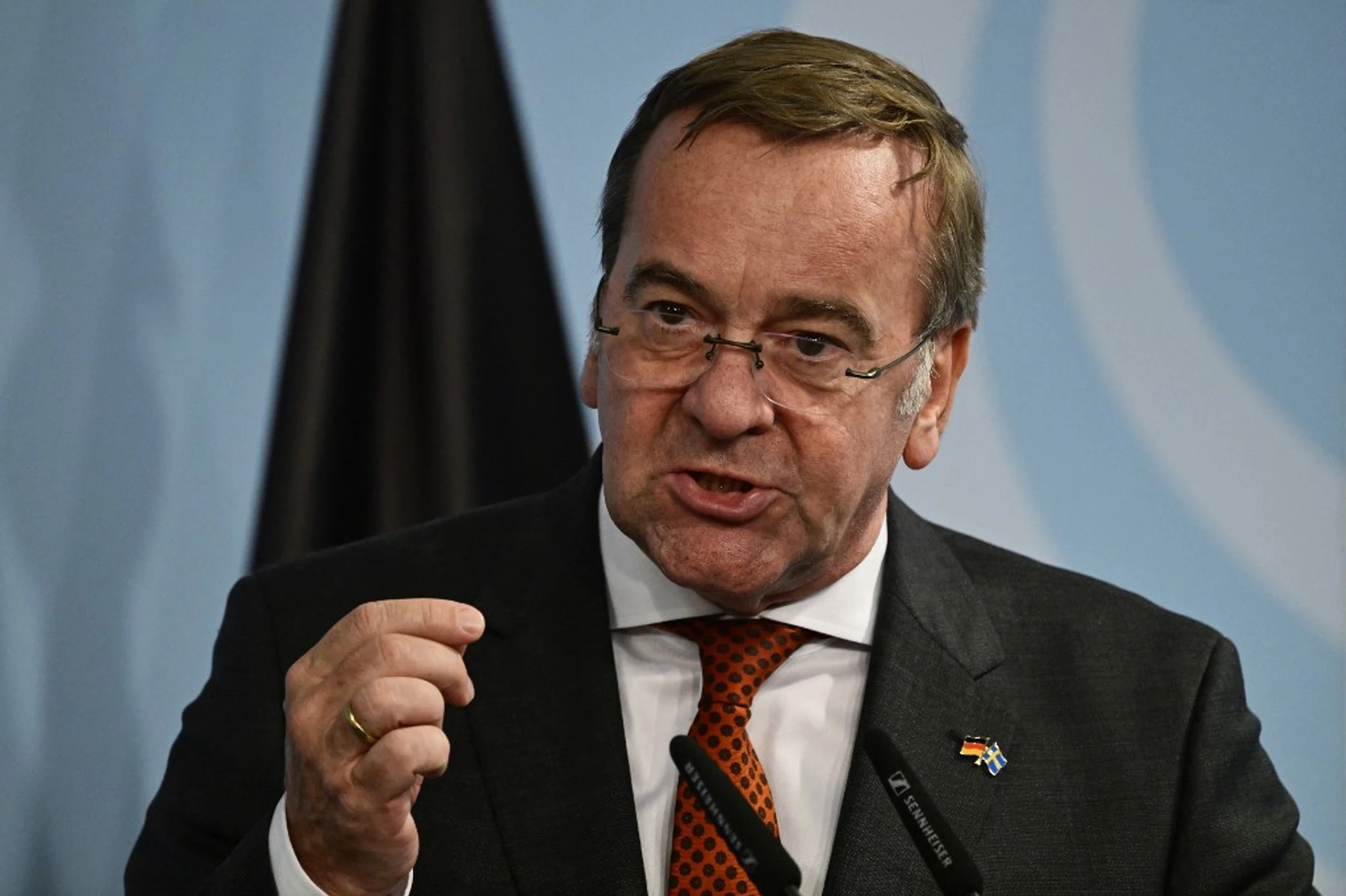
Germany's Defense Minister Boris Pistorius unveiled the country's first standalone military strategy on April 22, outlining plans to establish the strongest conventional military in Europe by 2039. The strategy, titled "Verantwortung für Europa" (Responsibility for Europe), identifies Russia as the primary threat and emphasizes a shift towards capabilities-based planning rather than fixed force numbers, with a personnel growth plan aiming to expand active-duty soldiers from 185,420 to 260,000 by the mid-2030s. The Bundeswehr will also increase its reserve force from 60,000 to at least 200,000, aiming for a total of 460,000 combat-ready troops.
EU Approves €90 Billion Loan to Ukraine After Hungary Unblocks
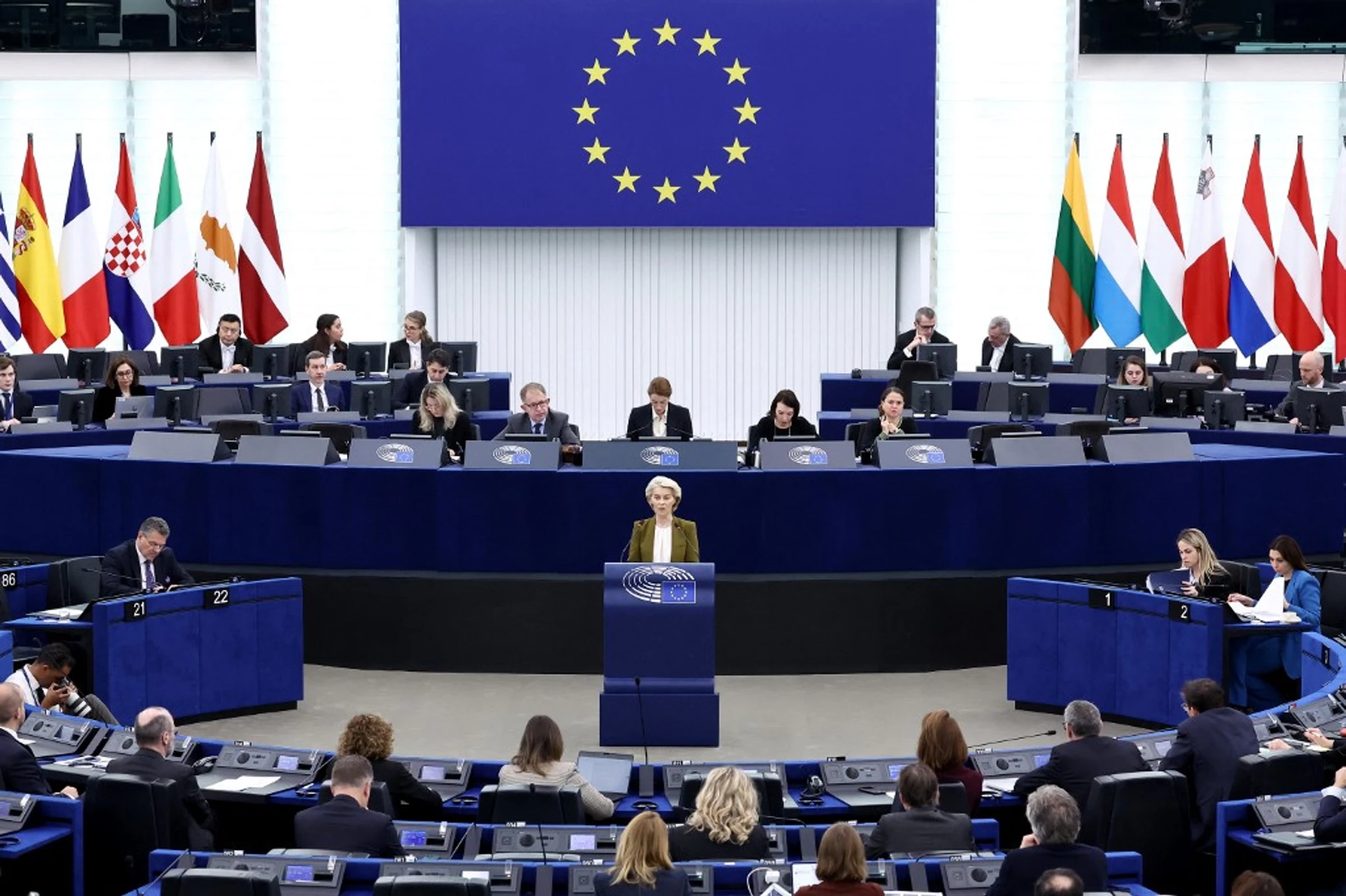
EU ambassadors have approved a €90 billion loan to Ukraine, which had been previously blocked by Hungary, following the recent defeat of Hungarian Prime Minister Viktor Orbán. The loan, aimed at supporting Ukraine amid the ongoing conflict with Russia, was unblocked during a meeting in Brussels, where ambassadors also agreed on a 20th package of sanctions against Russia. The resolution comes after the restoration of the Druzhba oil pipeline, which had been a point of contention.
Central Europe seeks two-year pause on methane regulation
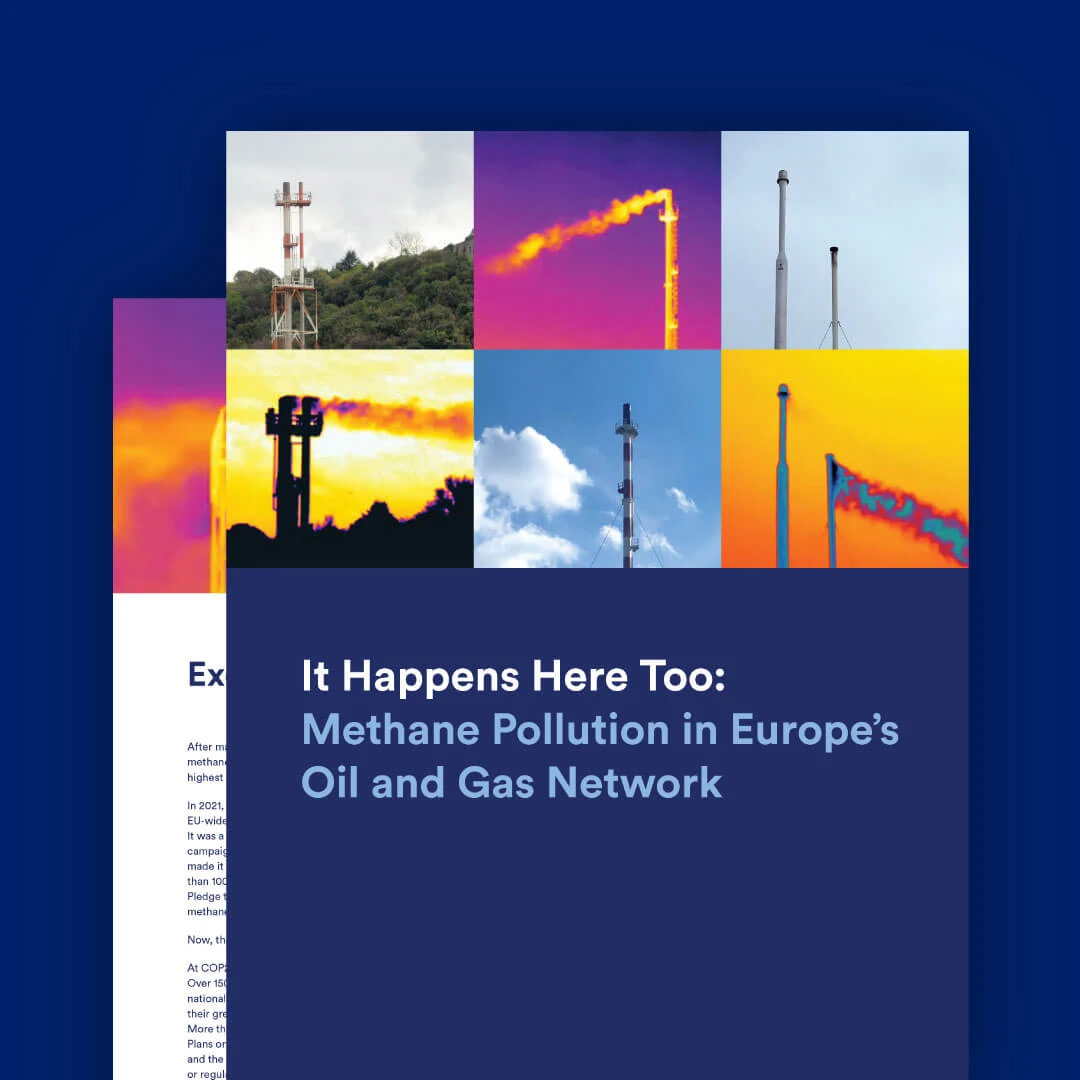
Central European countries, including Bulgaria, Czechia, Hungary, Romania, and Slovakia, are advocating for a two-year pause on methane regulation due to concerns over gas supply, as regional gas stocks have reached a nine-year low. This call comes amid warnings from the Agency for the Cooperation of Energy Regulators (ACER) about a potential LNG supply squeeze, particularly in light of decreasing production and increasing demand for LNG exports.
EU reconsiders Arctic drilling amid energy security pressures
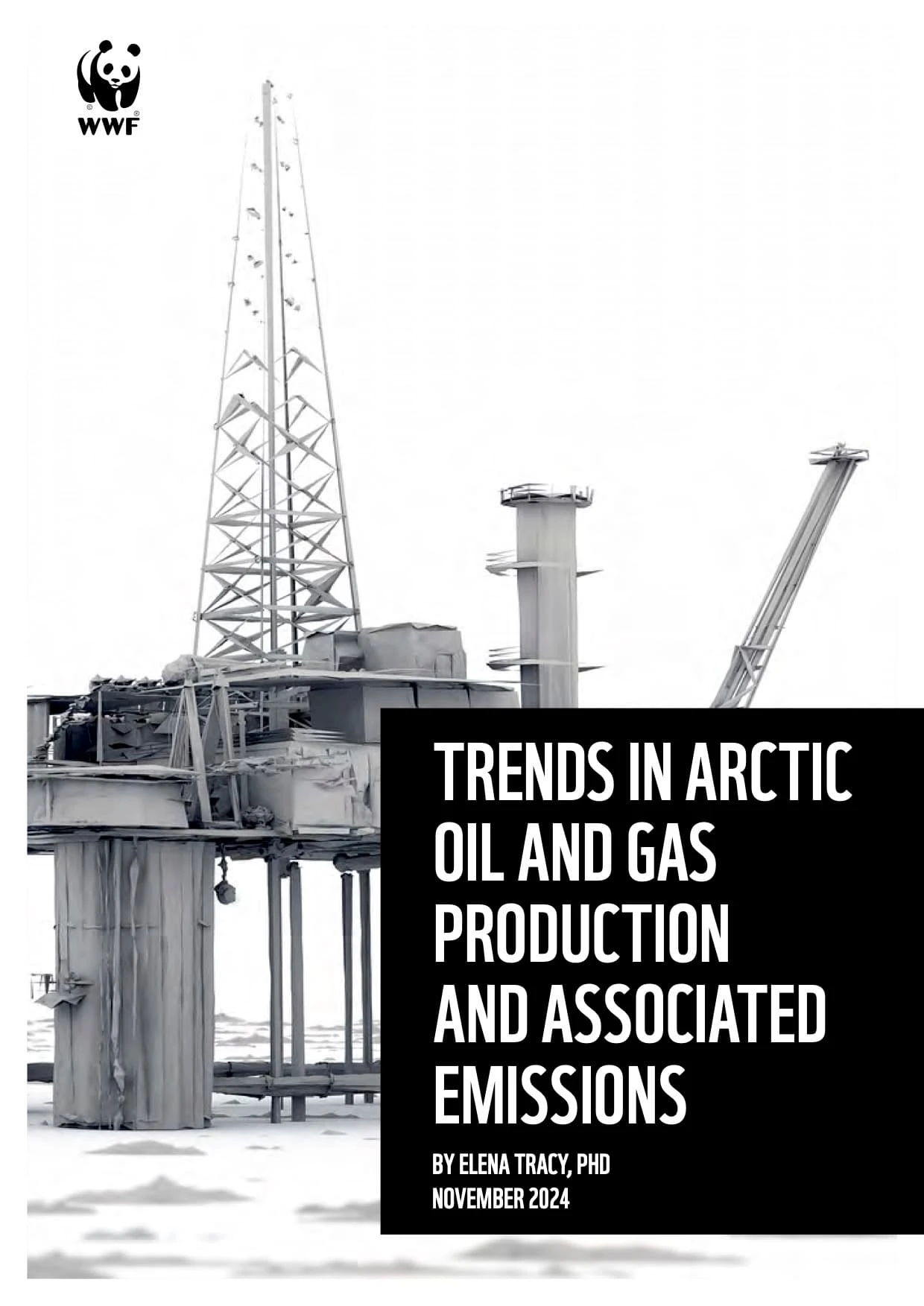
The European Union is reconsidering its long-standing opposition to new oil and gas drilling in the Arctic, a stance it has maintained since 2021 in favor of environmental protections. This potential policy shift comes amid pressures from industry groups advocating for energy security and coincides with the EU's broader efforts to diversify energy sources following the Russian invasion of Ukraine.