Eurozone Composite PMI Declines, Signals Economic Contraction
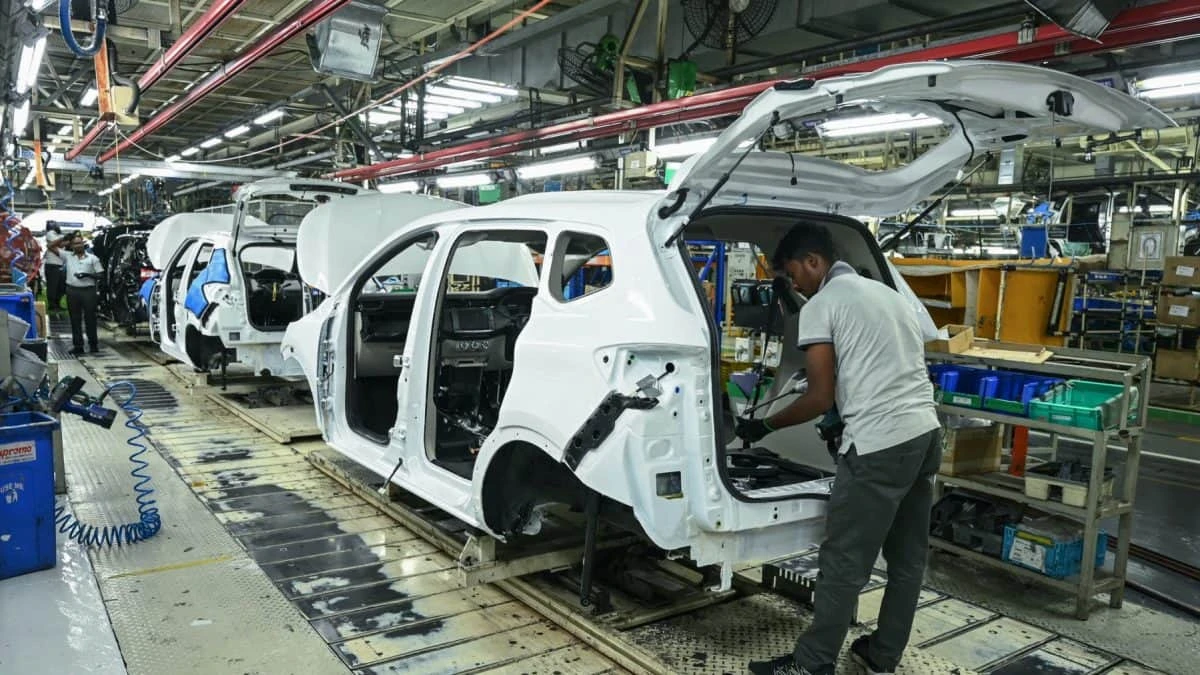
The S&P Global Flash Eurozone Composite Purchasing Managers' Index fell to 48.6 in April from 50.7 in March, marking the first contraction in private sector activity in 16 months, as surging costs linked to the ongoing conflict in the Middle East dampened demand. The services PMI dropped to 47.4, its weakest level since early 2021, while manufacturing activity showed resilience with a PMI increase to 52.2, driven by defensive stockpiling amid rising input costs. Overall, the eurozone is facing deepening economic challenges, with forecasts for growth in 2026 revised down to 1.1% from 1.4%.
EU and US Clash Over Shipping Emissions Framework
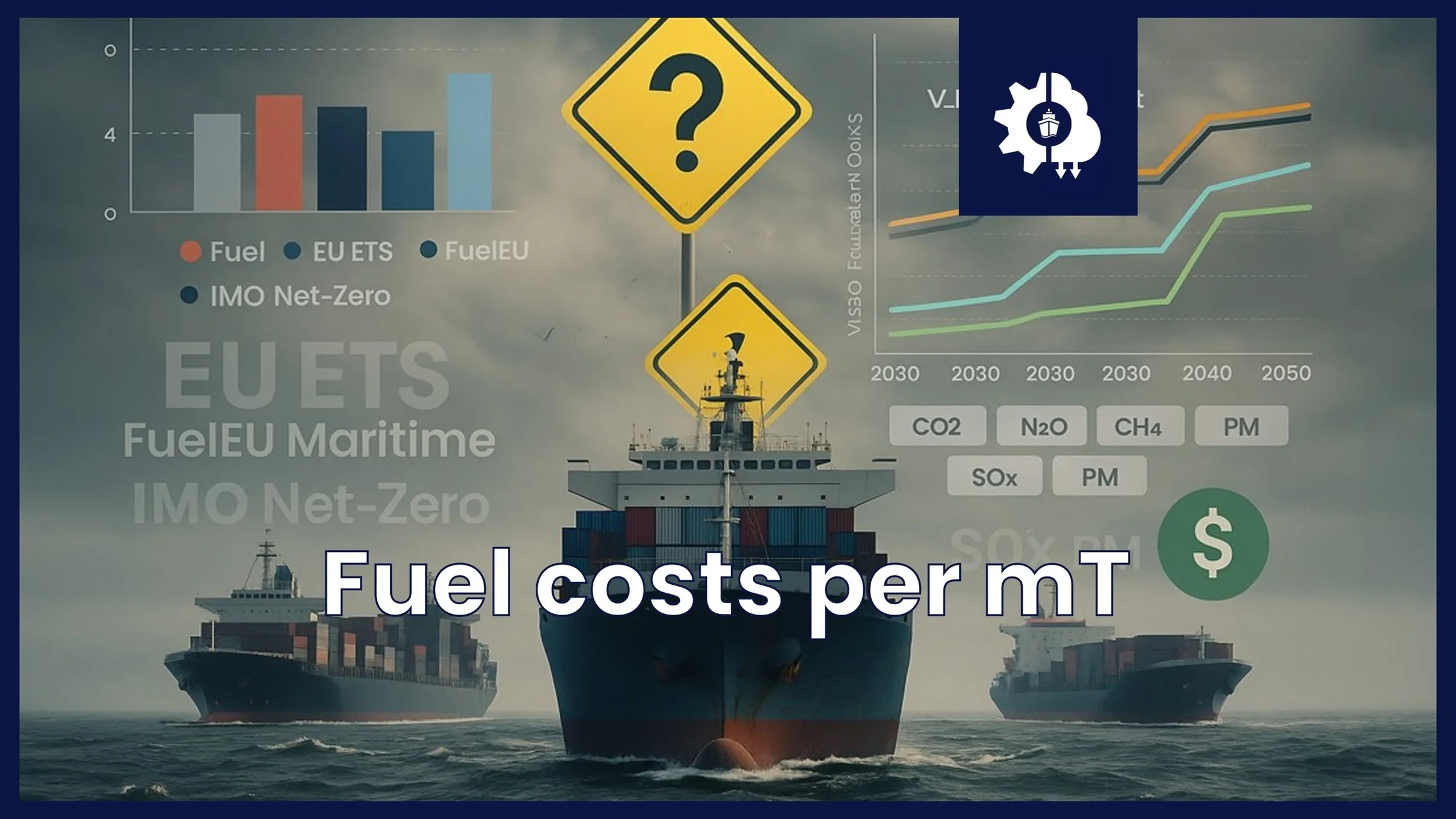
The European Union is facing potential conflicts with the United States as negotiations resume at the International Maritime Organization over the Net-Zero Framework (NZF) aimed at reducing emissions from shipping, which accounts for approximately 3% of global greenhouse gas emissions. The U.S. delegation has rejected the carbon pricing component of the NZF and previously threatened tariffs to influence other member states, contributing to a delay in the agreement last October. However, a recent U.S. Supreme Court ruling has limited the executive branch's authority to impose tariffs, potentially reducing American leverage in the ongoing discussions.
EU Caps Russian Ammonia Imports in New Sanctions Package
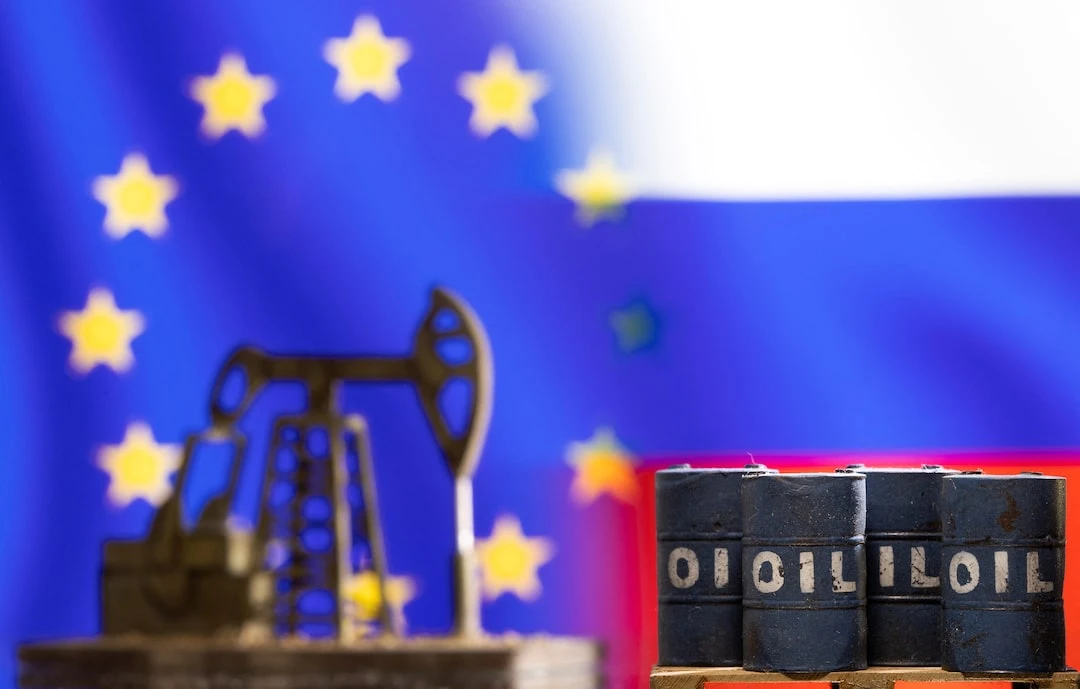
The European Union has implemented a cap on Russian ammonia imports as part of its 20th sanctions package, which includes 120 new listings targeting key sectors of the Russian economy. While the package imposes a ban on transactions with 20 Russian banks and expands restrictions on crypto asset exchanges, it stops short of a maritime ban on Russian oil, despite ongoing discussions with G7 countries for future coordination on this issue.
EU Launches AccelerateEU to Tackle Energy Crisis
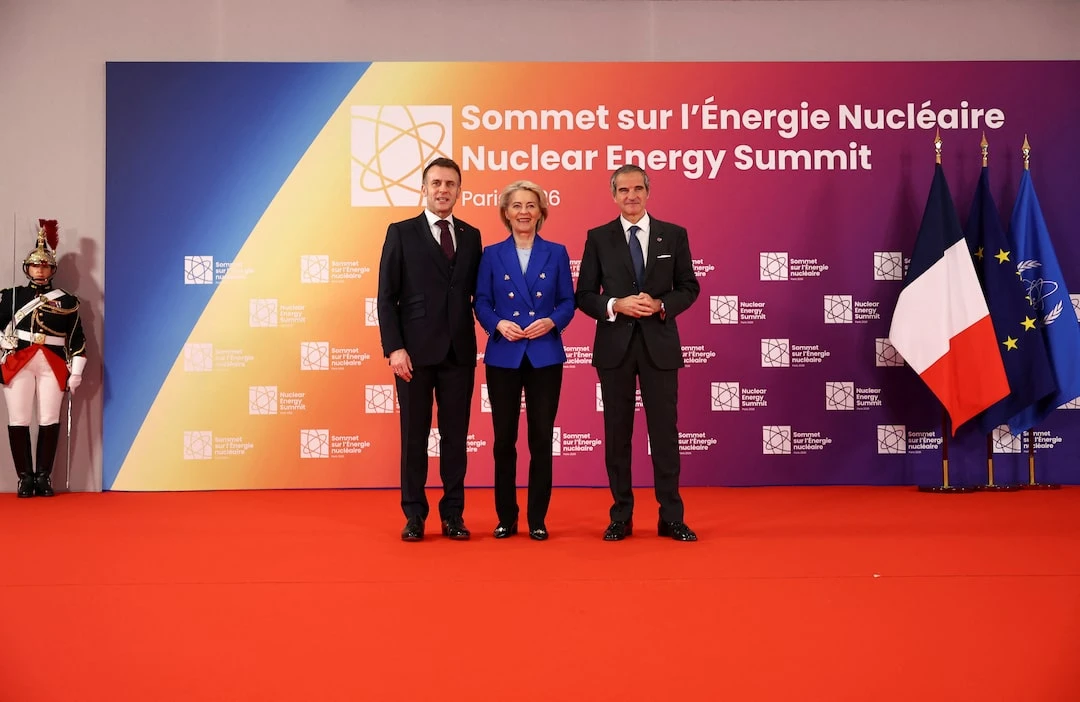
Ursula von der Leyen, President of the European Commission, announced the launch of 'AccelerateEU' to address the ongoing energy crisis exacerbated by geopolitical tensions, with the EU spending an additional €24 billion on energy imports since the escalation of conflict in the Middle East. The strategy aims to provide immediate relief to vulnerable households and industries while promoting a transition to clean, homegrown energy sources, including the establishment of a Fuel Observatory to monitor fuel supplies and the introduction of targeted support measures for consumers.
EU Court Advocate Backs Italy's Asylum Policy Plan
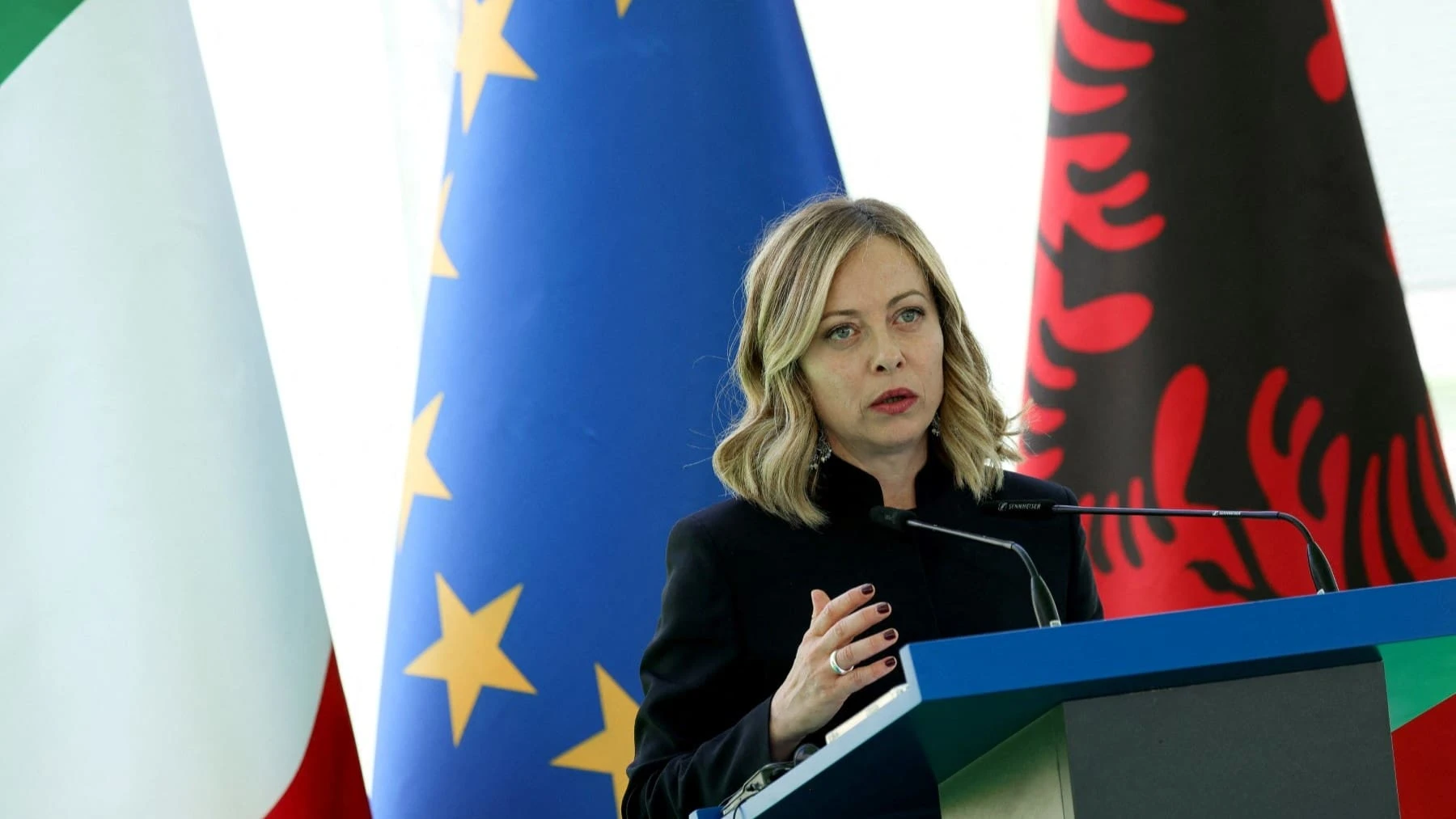
Italy's Prime Minister Giorgia Meloni received support from Advocate-General Nicholas Emiliou of the European Court of Justice, who stated that Italy's plan to send asylum-seekers to detention centers in Albania is compatible with EU law, provided that migrants' rights are upheld. This legal opinion, which follows a series of judicial challenges to the policy, could influence other EU nations considering similar measures. The Court of Justice is expected to rule on the legality of the scheme, which has faced scrutiny since its inception in 2023.