EU Bans Desflurane Amid Climate Concerns
On January 1, 2026, the European Union prohibited the use of desflurane, a potent anesthetic and climate super pollutant, in all but medically necessary cases. This follows a trend in the U.S., where several hospitals, including the Yale New Haven Health System, have already stopped using the drug due to its significant environmental impact, which is equivalent to the annual emissions of approximately 1.6 million automobiles. Health care accounts for 8.5% of U.S. greenhouse gas emissions, with anesthesia gases contributing about 5% of that total.
NASA's Parker Probe Maps Sun-Solar System Boundary
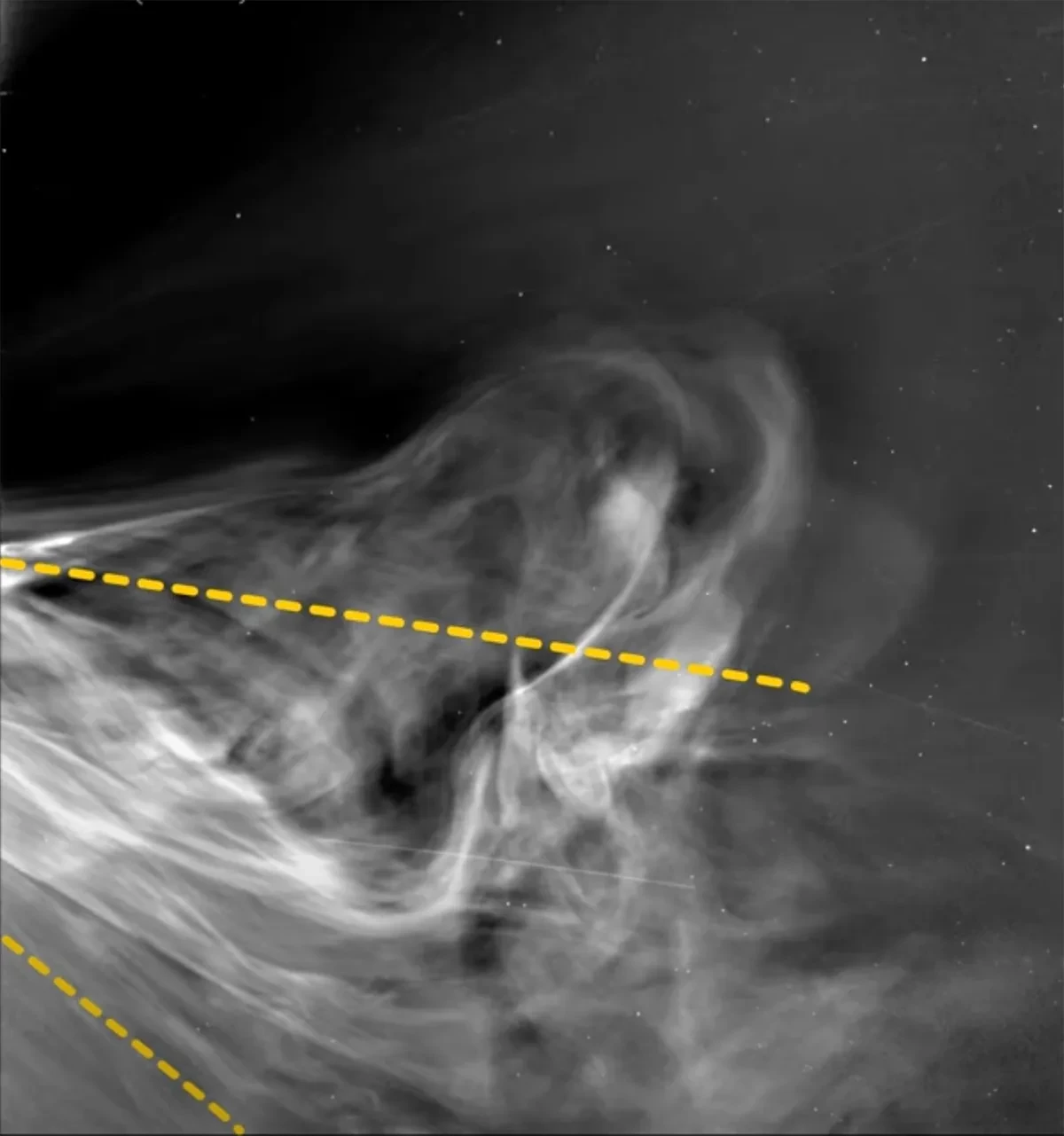
NASA's Parker Solar Probe has successfully mapped the boundary between the sun and the solar system, providing critical data that may enhance predictions of solar storms. During its closest approach to the sun on December 24, 2024, the probe captured high-resolution images of the solar corona and the heliospheric current sheet, revealing the dynamics of coronal mass ejections (CMEs) and their potential impact on space weather. This data will aid scientists in understanding the origins of solar wind and improving forecasts for space weather events that can affect technology and astronauts.
US endorses self-administered HPV tests for cervical cancer
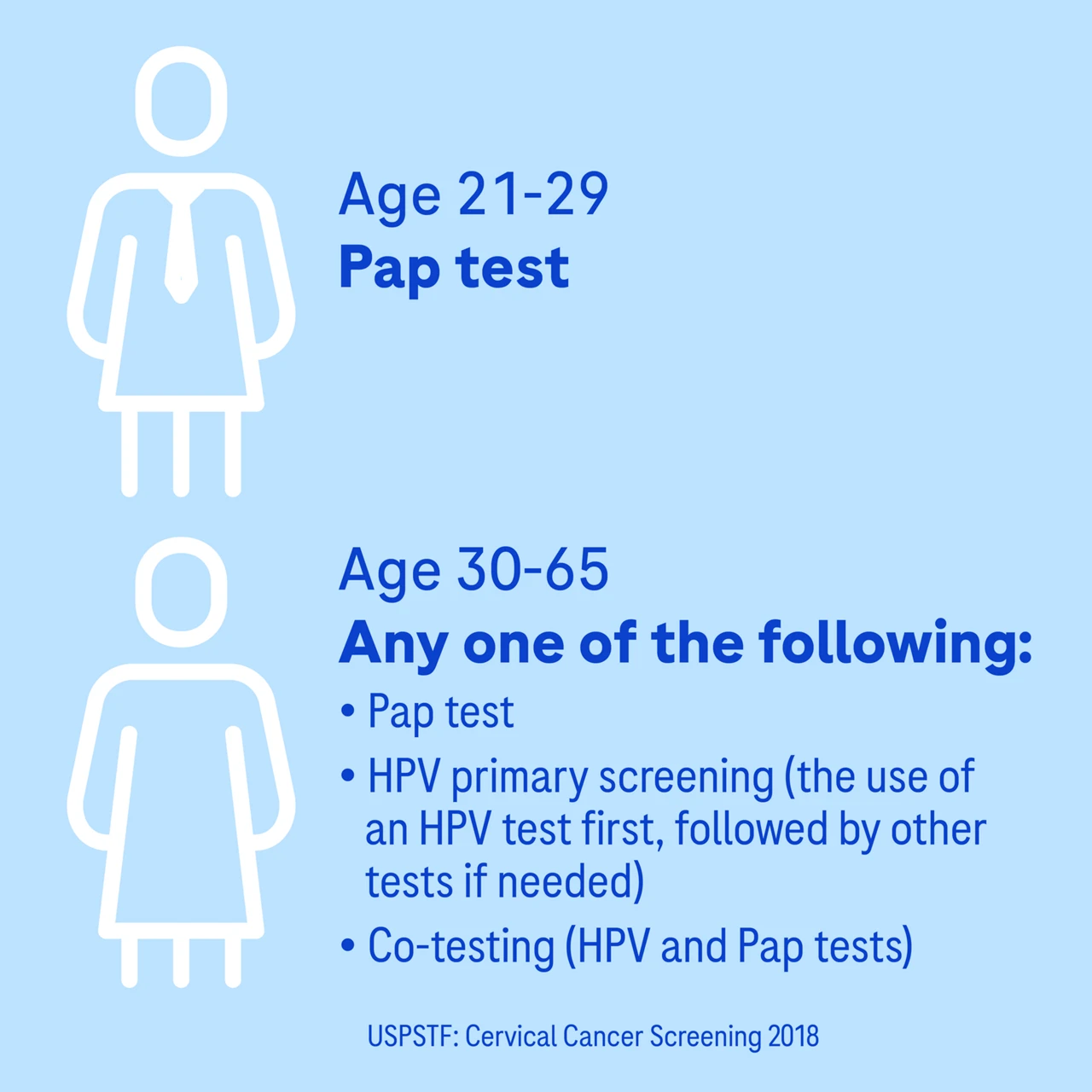
The U.S. Health and Human Services Department has endorsed self-administered HPV tests as an alternative cervical cancer screening method for women aged 30 to 65, according to new guidelines released by the Health Resources and Services Administration. Starting in 2027, private insurers will be required to cover these self-swab tests, which aim to improve screening rates among the approximately half of women diagnosed with cervical cancer who are not up to date with screenings. The guidelines recommend HPV testing every five years, while Pap smears remain recommended every three years for women aged 21 to 29.
New Blood Test Simplifies Alzheimer’s Biomarker Detection
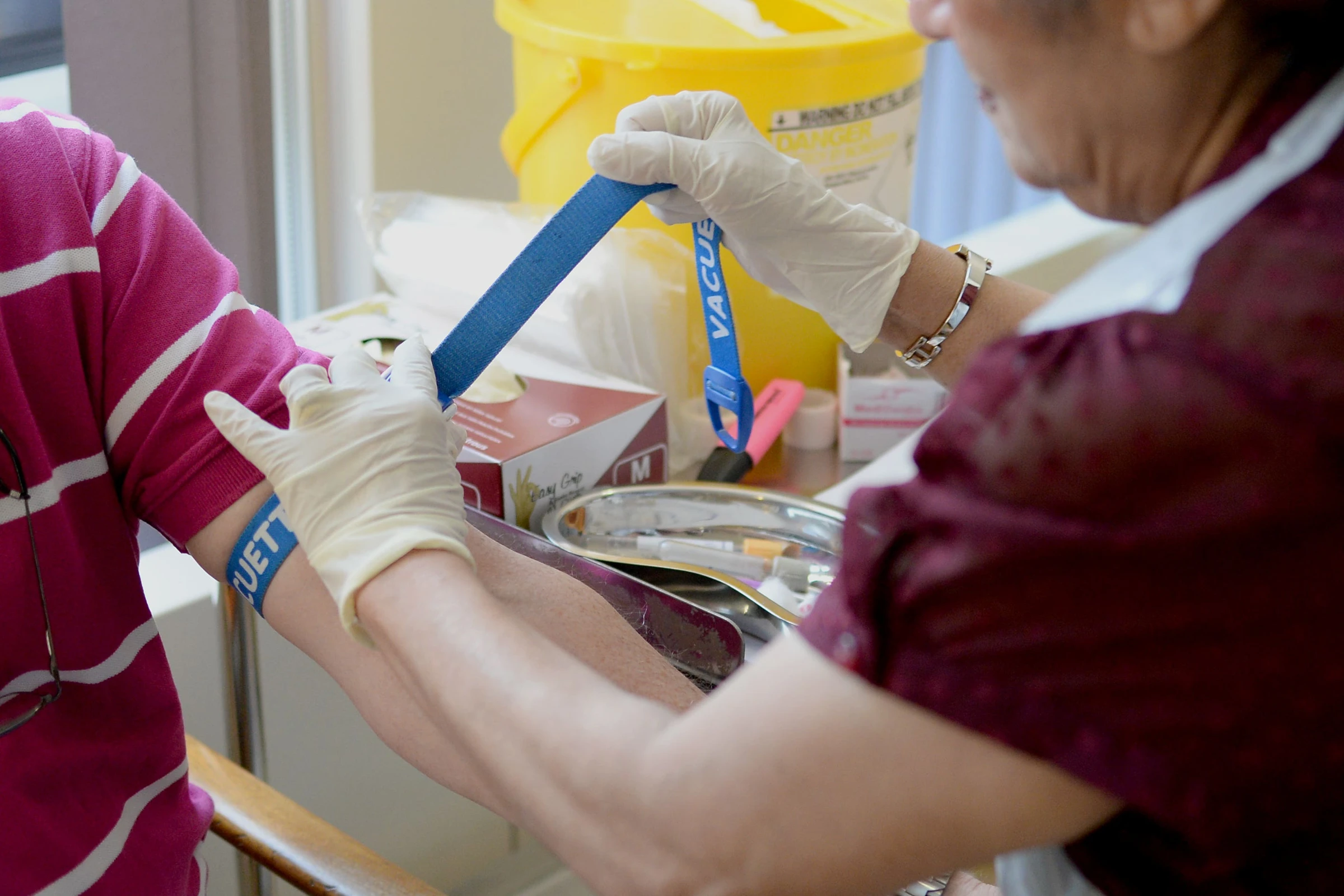
Researchers from Banner Health and the University of Exeter Medical School have developed a finger-prick blood test that can be mailed to laboratories, offering a simpler method for detecting biomarkers associated with Alzheimer’s disease. The study, published in Nature Medicine, involved 337 participants and demonstrated that dried blood samples could accurately measure key Alzheimer’s markers, achieving an accuracy of 86% compared to traditional tests. This approach could facilitate broader participation in Alzheimer’s research by eliminating logistical barriers and allowing for home collection of samples.