NASA's Parker Probe Maps Sun-Solar System Boundary
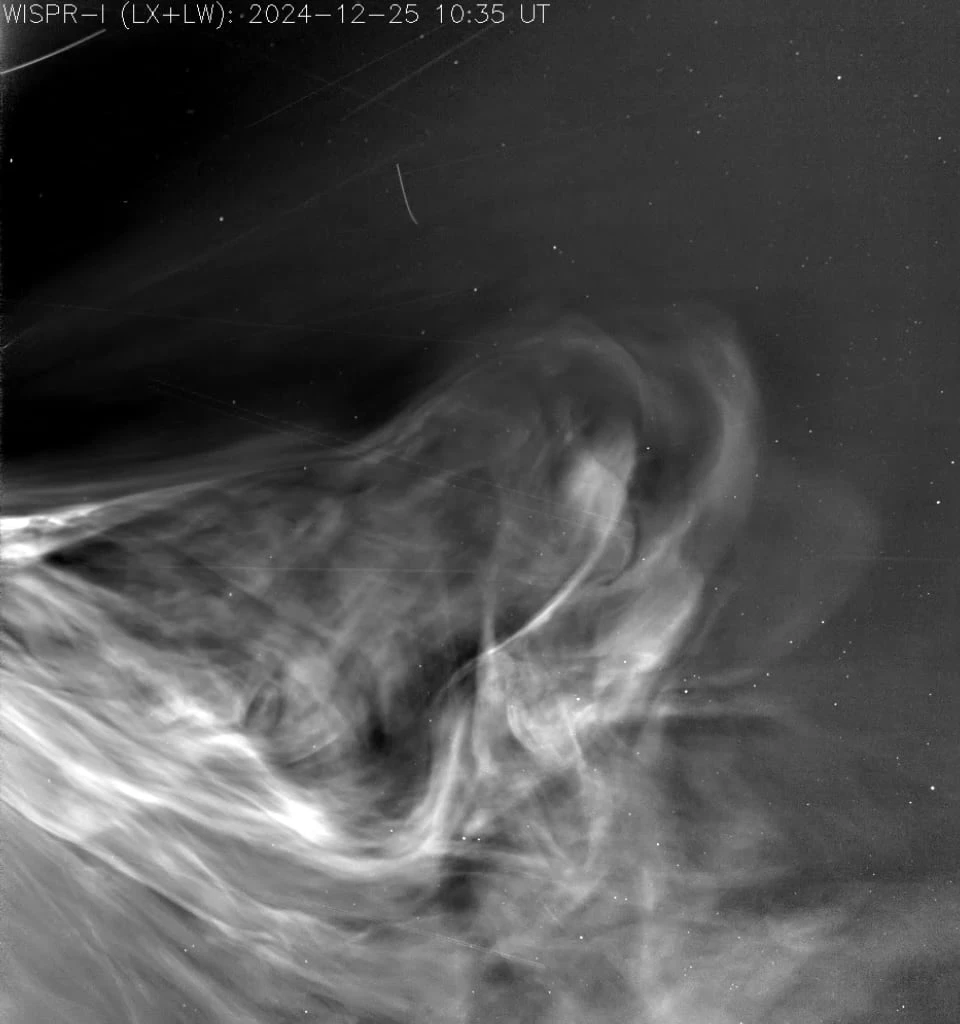
NASA's Parker Solar Probe has successfully mapped the boundary between the sun and the solar system, capturing new images from within the sun's atmosphere during its closest approach on December 24, 2024, at a distance of 3.8 million miles. The probe's data, including high-resolution images of coronal mass ejections and the heliospheric current sheet, will enhance understanding of solar wind origins and improve predictions of space weather events that can impact Earth.
EU Bans Desflurane Amid Climate Concerns
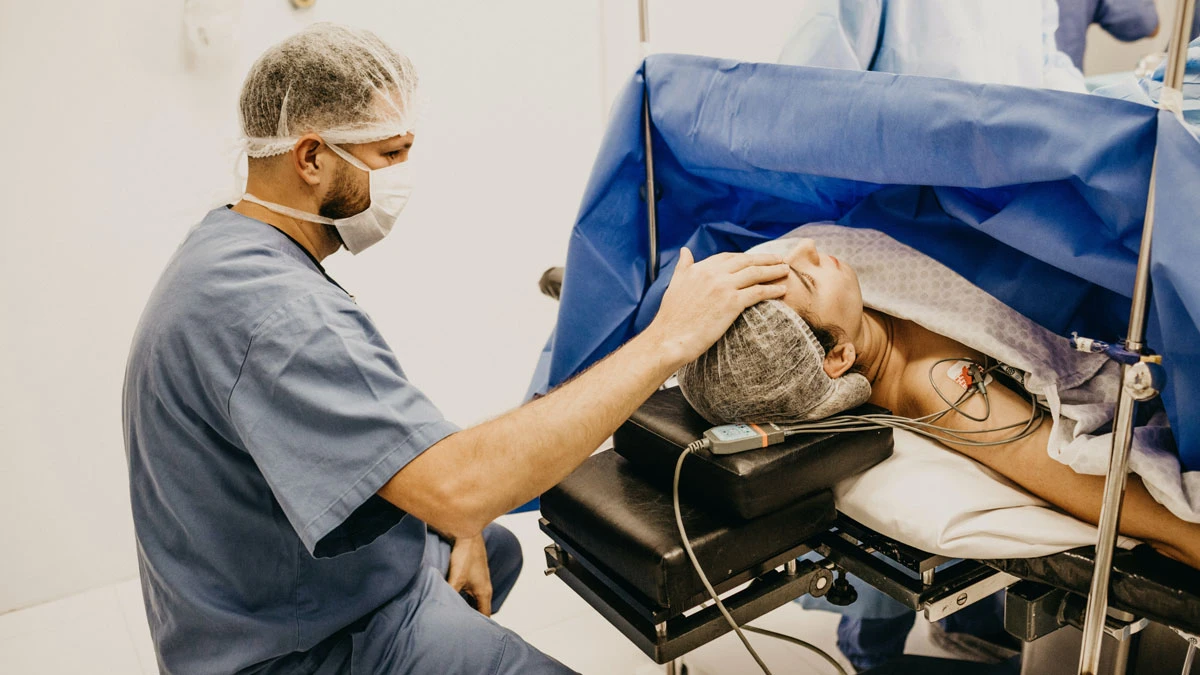
On January 1, 2026, the European Union prohibited the use of desflurane, a common anesthetic and climate super pollutant, in all but medically necessary cases. This decision follows a trend among U.S. hospitals, including the Yale New Haven Health System, which eliminated desflurane in 2013, citing its significant environmental impact, as it is over 7,000 times more effective at warming the planet than carbon dioxide. Approximately 1,000 tons of desflurane are vented from healthcare facilities globally each year, contributing to emissions equivalent to those of 1.6 million automobiles.
US endorses self-collected samples for cervical cancer screening
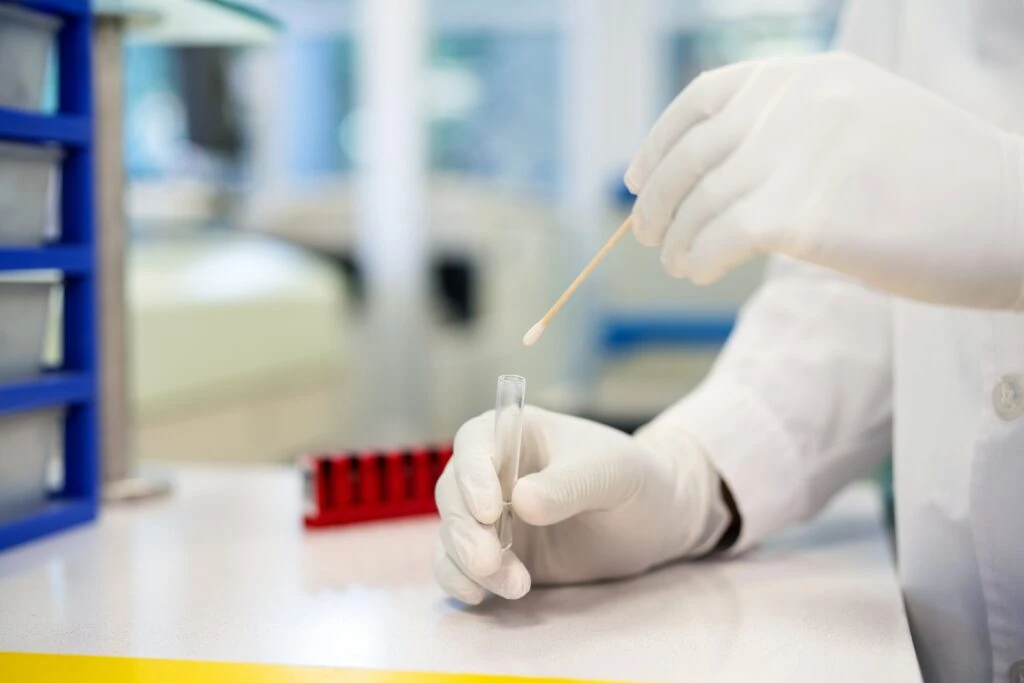
The U.S. Department of Health and Human Services has endorsed self-collected vaginal samples for cervical cancer screening, requiring most private insurance plans to cover the tests without cost sharing. The updated guidelines recommend HPV testing every five years for average-risk women aged 30 to 65, with self-collection options aimed at increasing screening rates, which have declined since 2021. Approximately 13,000 new cervical cancer cases are diagnosed annually in the U.S., highlighting the need for improved screening access.
New Blood Test Simplifies Alzheimer’s Detection Process
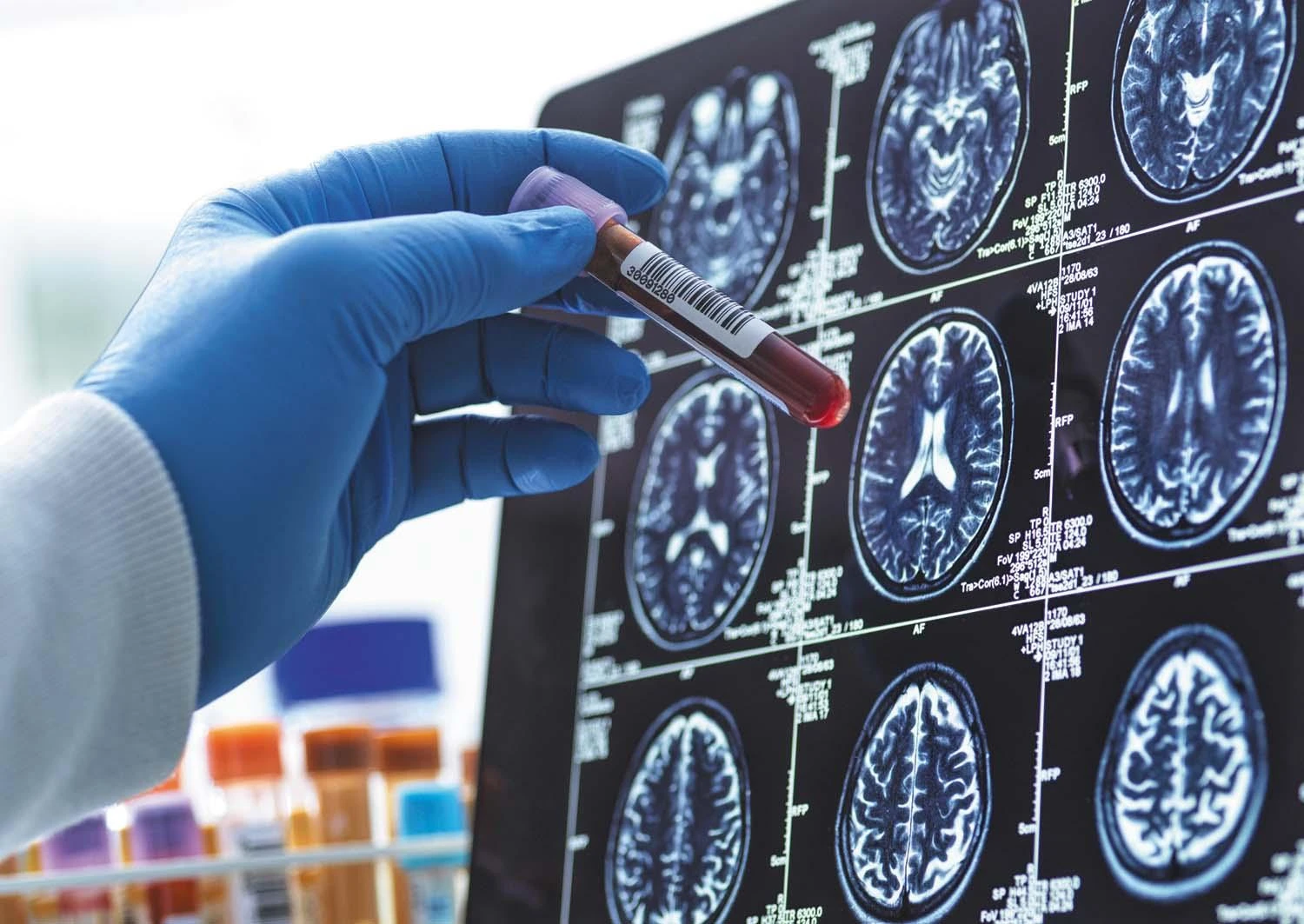
Researchers have developed a finger-prick blood test that can be mailed to a lab, potentially simplifying the detection of brain changes associated with Alzheimer’s disease. The study, published in Nature Medicine, validated the method in a cohort of 337 patients and demonstrated a diagnostic accuracy of 86% for identifying amyloid pathology, a key indicator of the disease. This approach, which requires only a drop of blood dried on filter paper, could facilitate earlier diagnosis and improve access to treatment for the more than 50 million people affected by Alzheimer’s worldwide.