T3D Therapeutics Accuses Trial Sites of Data Falsification
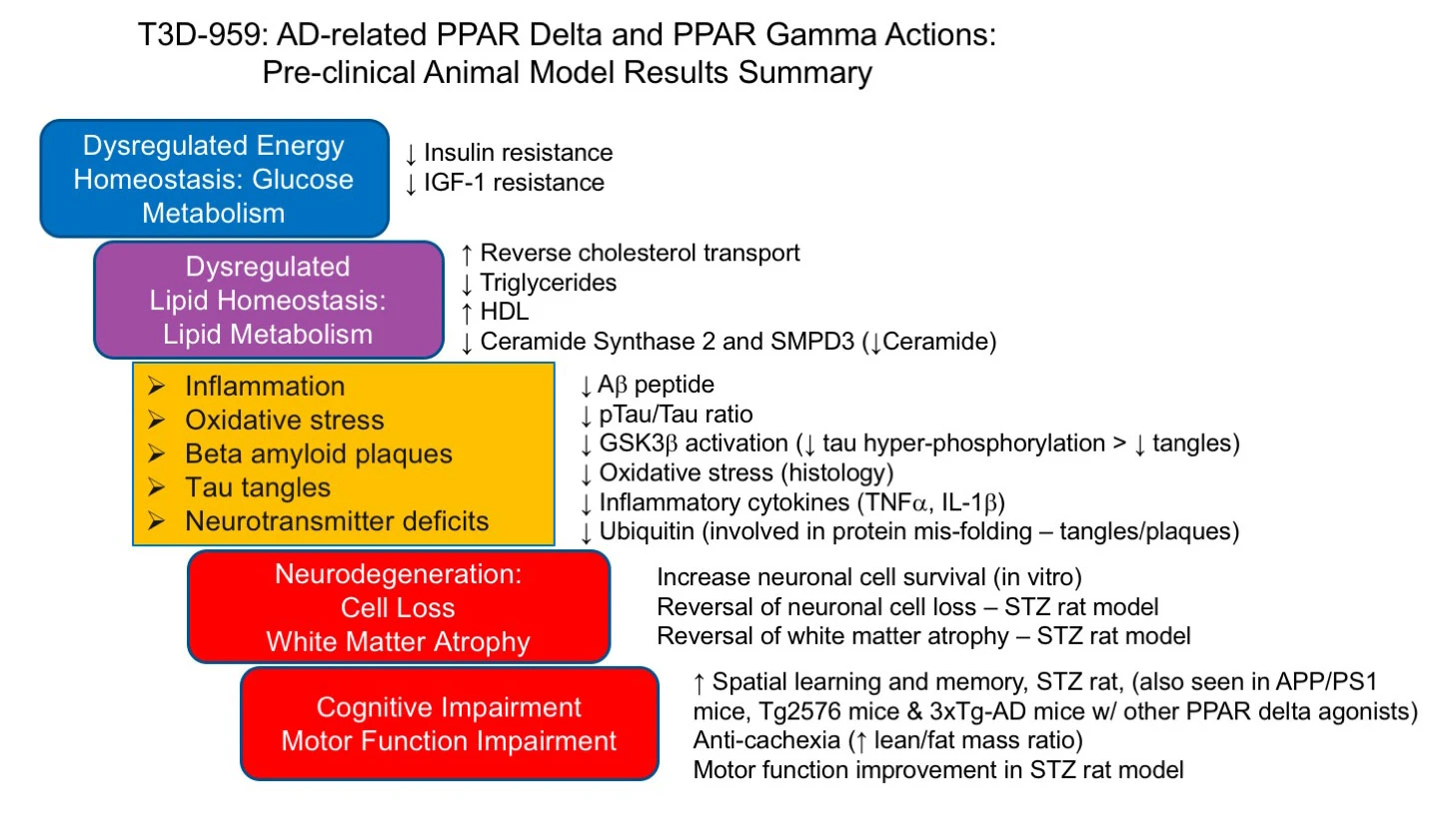
T3D Therapeutics has accused clinical trial sites of falsifying data related to its candidate drug for Alzheimer's disease, claiming the results produced were 'medically impossible.' This allegation raises concerns about the integrity of clinical trials in the field, as the company seeks to advance its treatment aimed at addressing the disease.
Discontinuing Obesity Medications Leads to Rapid Weight Regain
A review published in BMJ reveals that individuals who discontinue obesity medications like Ozempic and Wegovy regain weight at an average rate of 0.8 kg per month, significantly faster than those who stop dieting or exercising. Researchers, led by Sam West from the University of Oxford, analyzed data from over 6,000 adults and found that those on weight-loss drugs regained approximately 10 kg in the first year after stopping treatment, with health risks such as high cholesterol and blood pressure returning to pre-treatment levels within two years. Experts emphasize the need for health authorities to develop management plans for patients discontinuing these medications.
Ancient Hominin Fossils Discovered in Morocco Cave
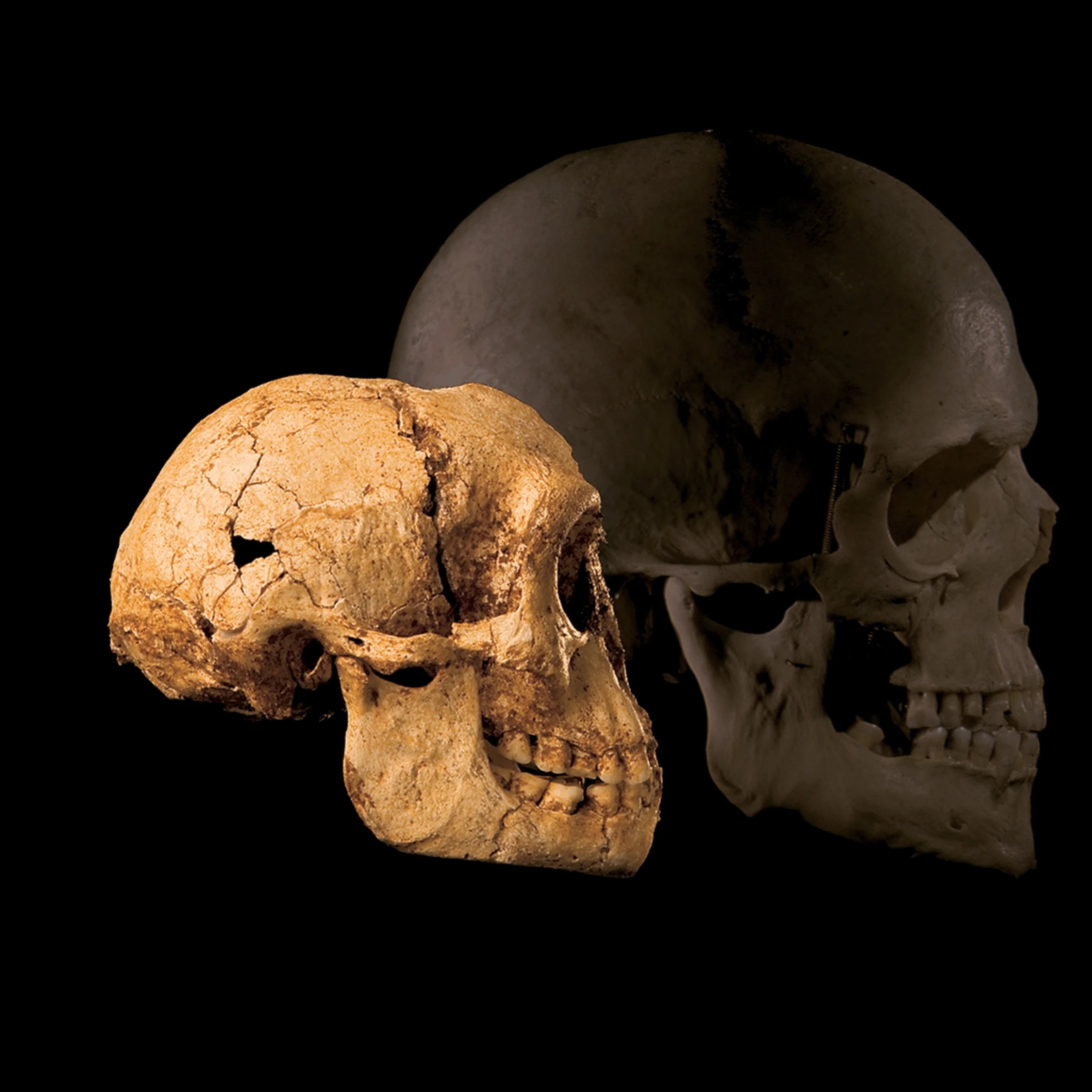
Researchers have unearthed hominin fossils in Morocco's Grotte à Hominidés cave, dating back 773,000 years, which may clarify the evolutionary origins of modern humans and Neanderthals. The discovery includes three jawbones, teeth, vertebrae, and a femur, representing the first hominin fossils from this critical period found in Africa. The fossils exhibit a mix of primitive and evolved features, suggesting a common ancestor during a pivotal time in human evolution.
Ancient Arrowheads Reveal 60,000-Year-Old Poison Use
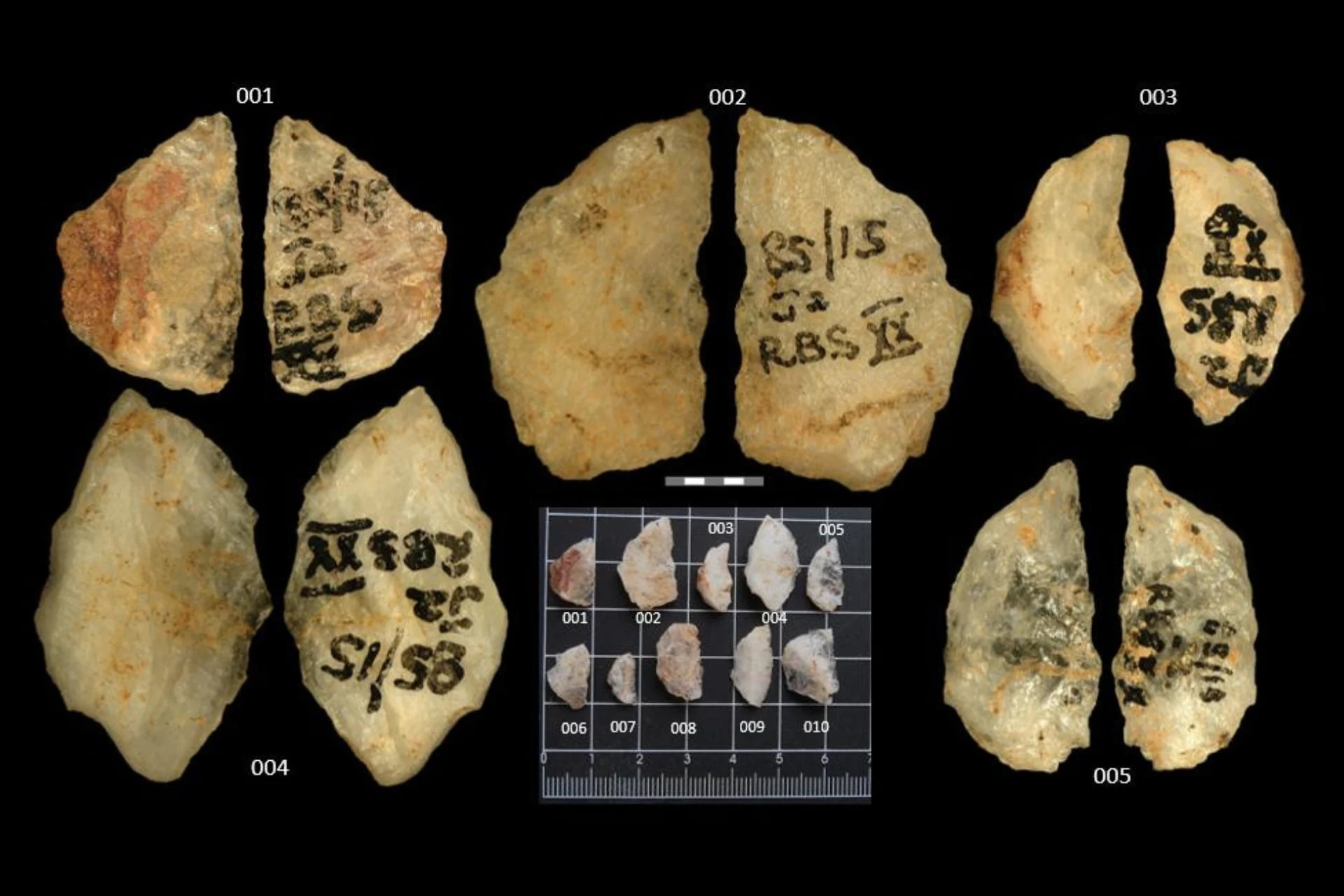
Researchers led by Sven Isaksson from Stockholm University have discovered traces of plant-derived poison on 60,000-year-old quartz arrowheads from Umhlatuzana Rock Shelter in KwaZulu-Natal, South Africa, marking the oldest chemical evidence of poisoned hunting weapons. The analysis revealed toxic compounds from the Boophone disticha plant, suggesting that early humans employed sophisticated techniques for hunting, which required advanced planning and knowledge of the poison's effects on prey. This finding pushes back the timeline for the use of poisoned arrows by tens of thousands of years, previously thought to date back only about 4,000 to 6,800 years.
Astrophysicists Confirm Companion Star to Betelgeuse
A team of astrophysicists led by Steve Howell from NASA Ames Research Center has confirmed the existence of a companion star to Betelgeuse, which is affecting the giant star's atmosphere. The companion, identified as Siwarha, is approximately 1.5 times the mass of the Sun and is located about four times the distance from Betelgeuse to the Sun. This discovery, presented at the American Astronomical Society meeting, explains the star's unusual brightness cycles and suggests that the companion will eventually spiral into Betelgeuse within the next 10,000 years.