CDC Revises Childhood Immunization Schedule, Reduces Diseases Covered
The Centers for Disease Control and Prevention (CDC) announced a significant overhaul of the U.S. childhood immunization schedule, reducing the number of diseases covered by routine vaccines from 17 to 11. This change, implemented by Jim O’Neill, the acting director of the CDC, has drawn criticism from public health experts who argue it deviates from evidence-based practices and could jeopardize public health advancements. While routine vaccinations for measles, polio, and pertussis remain recommended, immunizations for other diseases, including respiratory syncytial virus, will now be limited to high-risk populations.
NASA Orders Early Return of Astronauts from ISS
NASA has ordered the early return of four astronauts from the International Space Station due to a medical issue affecting one crew member, marking the first such evacuation in the station's 25-year history. NASA Administrator Jared Isaacman stated that the situation is stable, but the decision was made to prioritize the health of the affected astronaut, whose identity and specific medical details remain undisclosed. The Crew-11 team, which includes NASA astronauts Zena Cardman and Mike Fincke, Japanese astronaut Kimiya Yui, and Russian cosmonaut Oleg Platonov, was originally scheduled to return in late February.
Weight-loss medications show limited long-term effectiveness
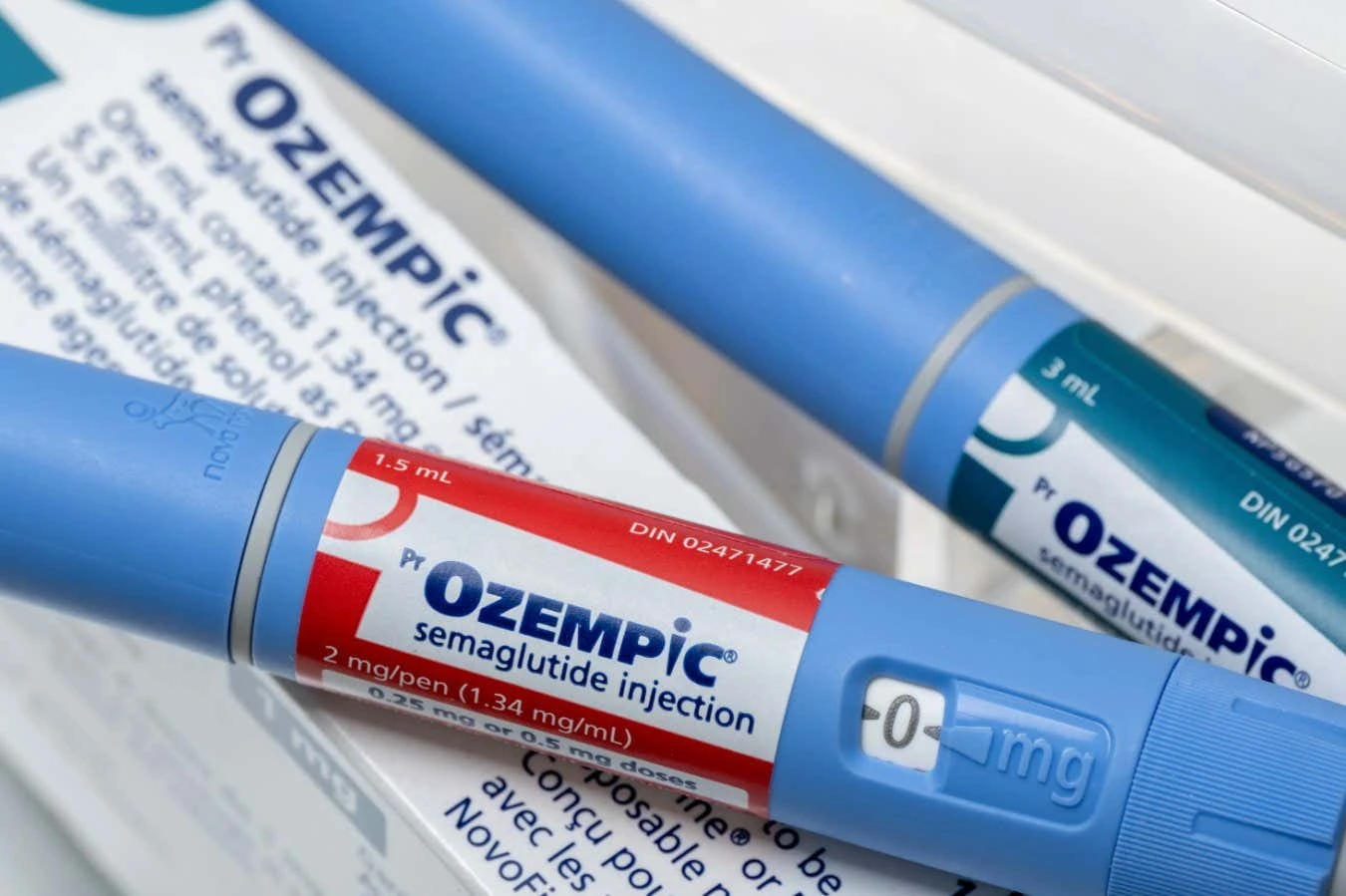
A review published in the BMJ has found that users of weight-loss medications, including Ozempic and Wegovy, regain weight and see a reversal of improvements in cholesterol and blood pressure within two years of stopping treatment. Researchers from the University of Oxford reported that participants regained an average of 0.4 kg per month after discontinuation, with those on GLP-1 drugs regaining weight almost four times faster than those who ceased diet or exercise programs. The findings raise concerns about the long-term effectiveness of these medications and their implications for public health policies.
Study Reveals Tree Bark Microbes Absorb Climate Gases
Researchers from Southern Cross and Monash universities have discovered that microbes living in tree bark play a significant role in absorbing climate-active gases, including methane, hydrogen, and carbon monoxide. Their study, which analyzed the bark of eight common Australian tree species, revealed that a single square metre of bark can host up to 6 trillion microbial cells, contributing to an estimated global absorption of between 0.6 and 1.6 billion kilograms of hydrogen annually. This finding challenges the previous assumption that tree bark is biologically inert in relation to climate change.