Study finds AI boosts research output but limits diversity
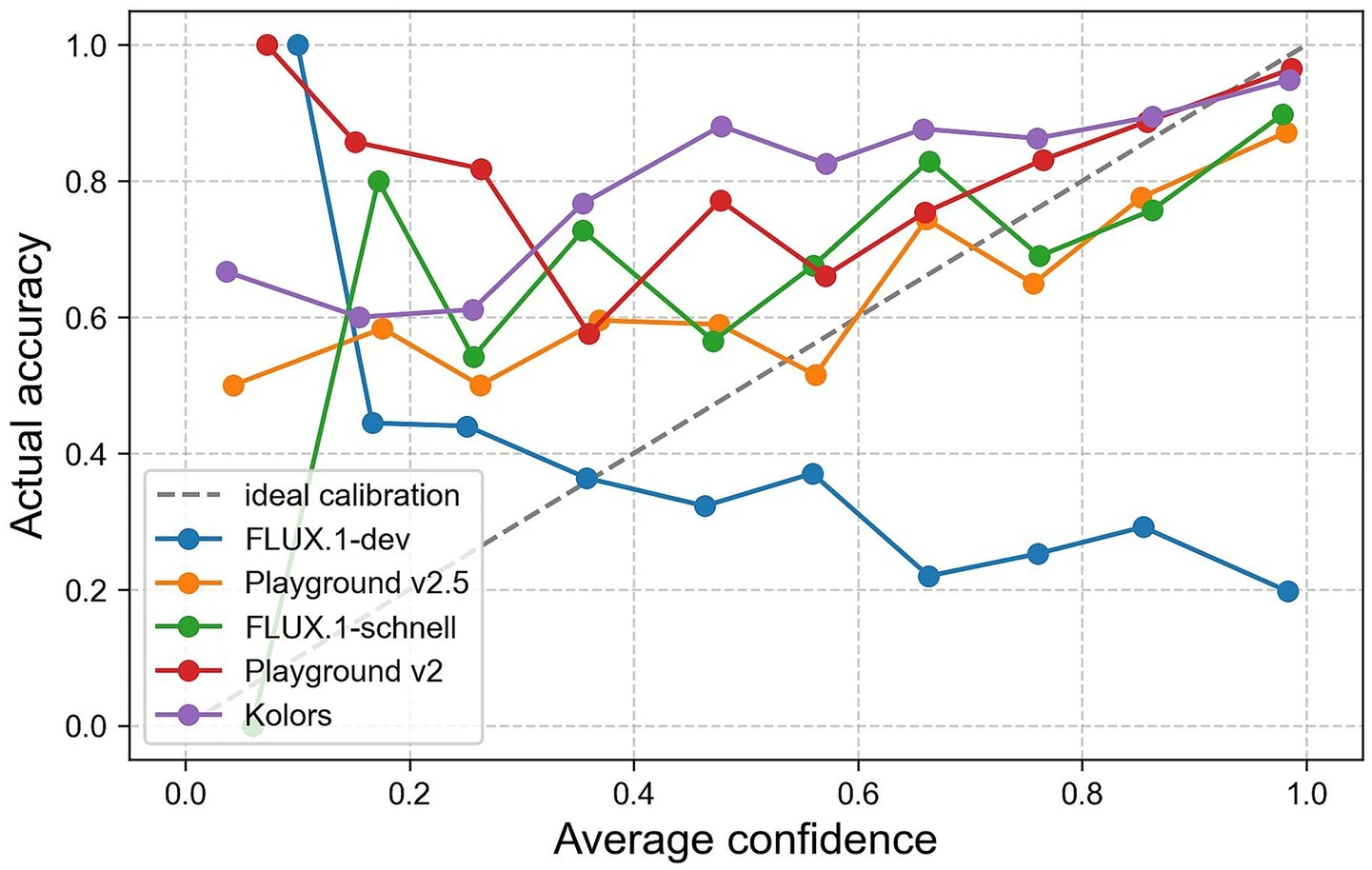
A study published in Nature by Hao et al. reveals that while artificial intelligence (AI) has enhanced individual contributions to research, it has also narrowed the diversity of scientific exploration. Analyzing over 41 million scientific papers, the authors found that approximately 311,000 papers were AI-augmented, leading to increased publication rates and citations for researchers using these tools. However, the study raises concerns that AI primarily automates established fields rather than fostering exploration in new domains.
Woolly Rhinoceros Genome Sequenced from Wolf Stomach Sample
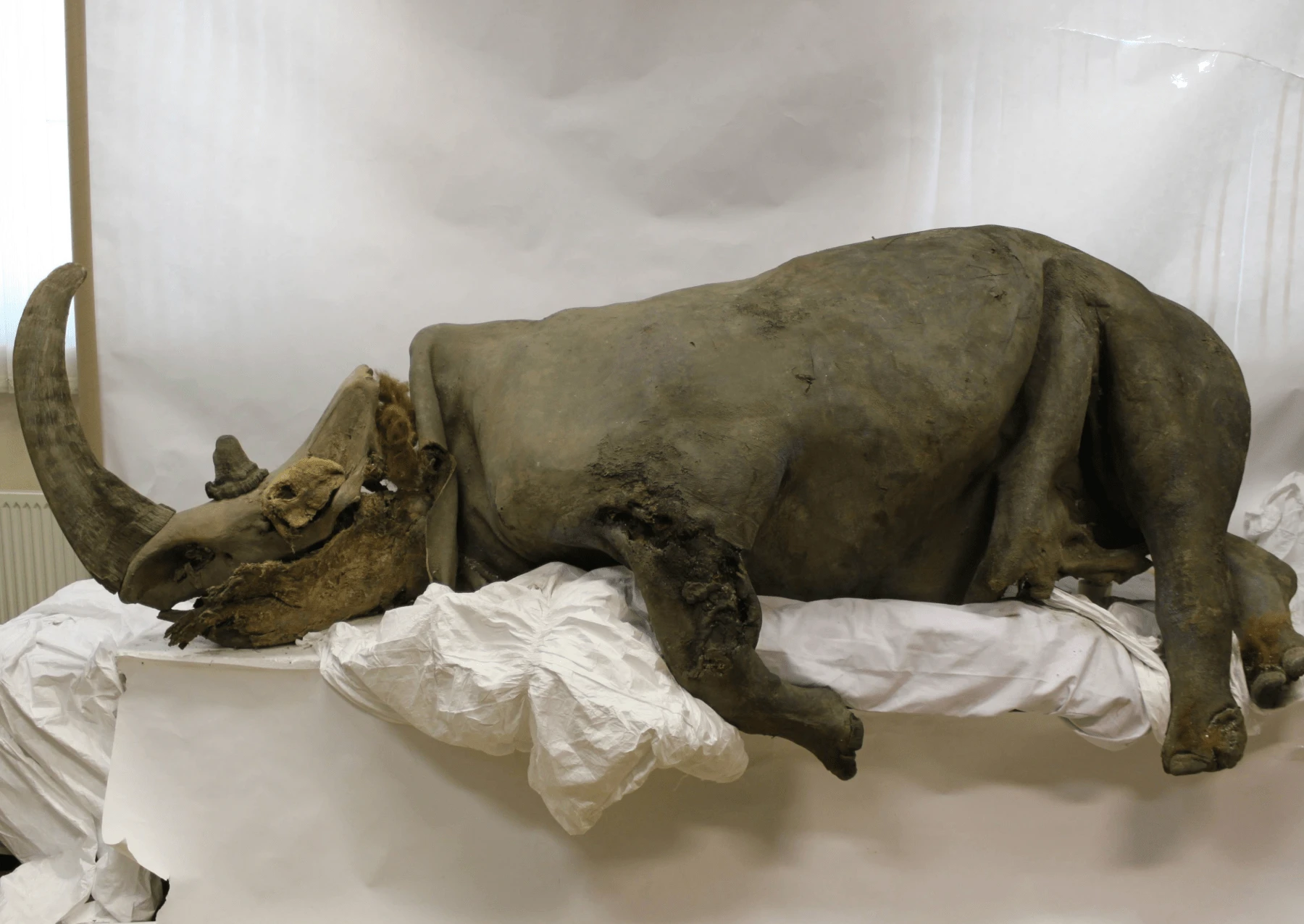
Researchers from the Center for Paleogenetics have sequenced the genome of a woolly rhinoceros from a tissue sample found in the stomach of a 14,400-year-old wolf, marking the first time an Ice Age animal's complete genome has been retrieved from another animal's gut. The study, published in Genome Biology and Evolution, indicates that the woolly rhino population in Siberia was genetically stable until a rapid decline around 14,000 years ago, likely linked to climate change. The findings provide insights into the extinction dynamics of the species, which was among the last of its kind.
China's Antarctic Telescope Completes Successful Winter Observations
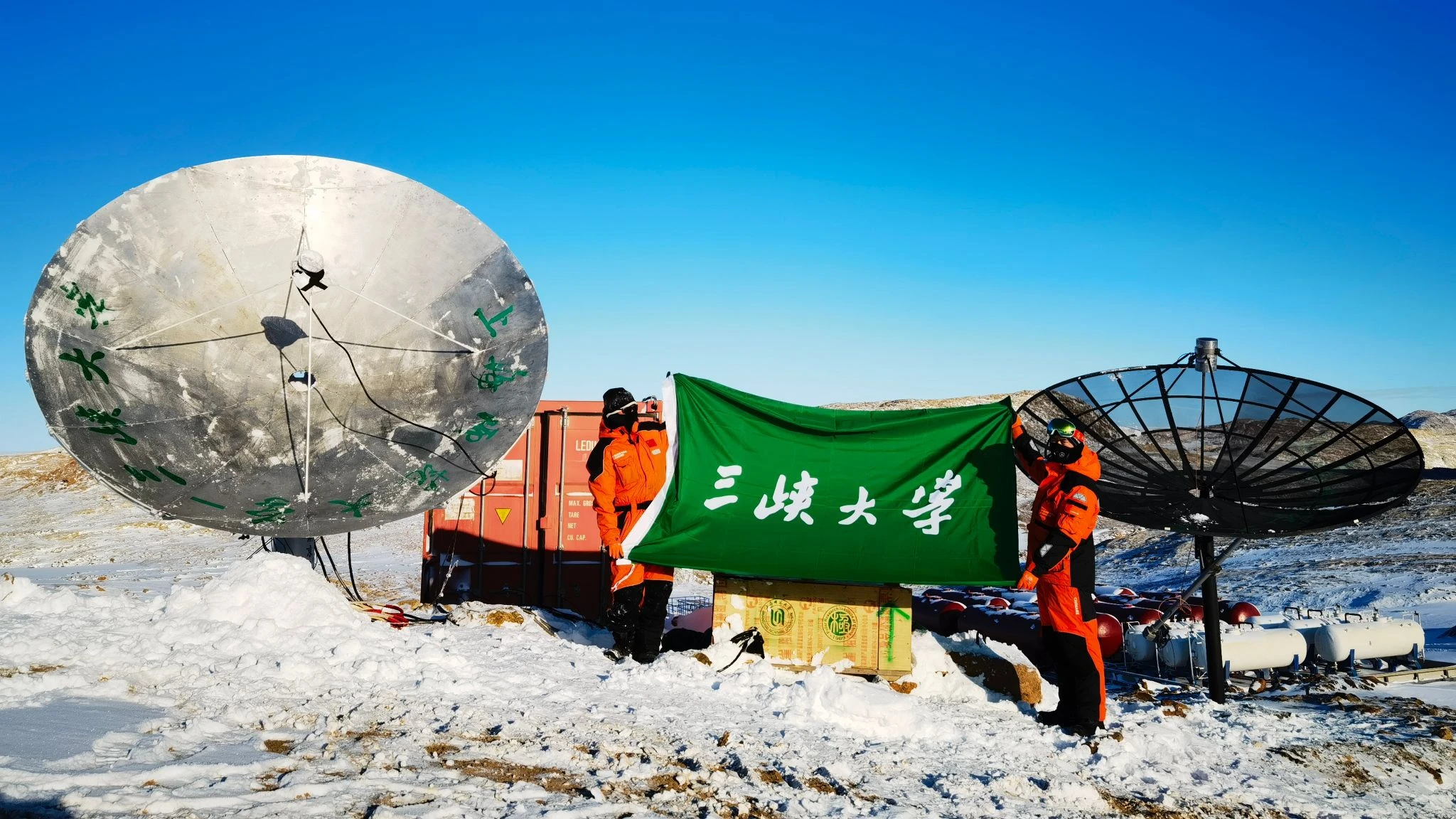
China's Antarctic survey telescope AST3-2 has successfully completed its winter observations, marking a significant milestone in the country's efforts to enhance its space observation capabilities. The telescope, located at the Chinese Antarctic Zhongshan Station, utilized a terahertz instrument to detect previously uncharted heavenly radiation, tracing the faint glow of gases that other telescopes have been unable to reach.
Research Reveals Plant Communication Enhances Resilience
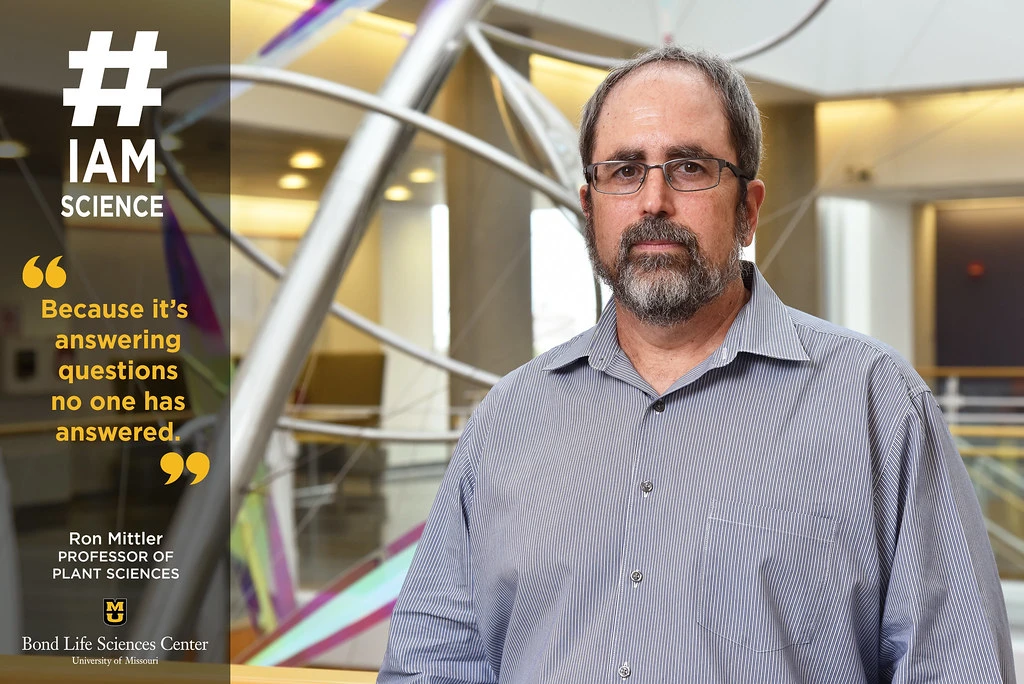
Ron Mittler, a plant biologist at the University of Missouri, led research indicating that densely packed plants, such as thale cress (_Arabidopsis thaliana_), can communicate stress signals through their leaves, enhancing their collective resilience to environmental stressors. In experiments, plants that touched each other activated over 2,000 stress-response genes within an hour, compared to isolated plants, which exhibited higher levels of cell damage when exposed to excess light. The study highlights the role of hydrogen peroxide as a crucial signaling molecule in this inter-plant communication.